全球格局重塑

Search documents
2026年春季策略展望:重返真实
SINOLINK SECURITIES· 2026-03-11 12:48
Group 1: Economic Trends - The U.S. service sector PMI has been declining, with consumer confidence at a ten-year low, indicating a potential recessionary environment[6] - AI adoption in U.S. enterprises is increasing, particularly among larger firms, leading to reduced labor costs and a slowdown in wage growth in affected sectors[9] - The core service CPI in the U.S. is experiencing deflationary effects, while commodity inflation is rebounding, suggesting a shift in inflation dynamics[9] Group 2: Investment Opportunities - Investment demand in power and infrastructure driven by AI is growing, with electricity consumption growth outpacing GDP growth[3] - The U.S. is expected to see a shift towards hard assets, with a focus on commodities like oil, copper, and aluminum, as traditional sectors benefit from AI-driven demand[3] - Chinese manufacturing is undervalued compared to global peers, with potential for revaluation as the market shifts towards tangible assets[3] Group 3: Global Geopolitical Impact - The ongoing U.S.-Iran conflict is likely to disrupt oil supply temporarily, but a complete closure of the Strait of Hormuz is deemed unlikely, which may stabilize oil prices over time[31] - The geopolitical landscape is reshaping global supply chains, with emerging markets becoming increasingly attractive for investment as developed economies stabilize[54] Group 4: Consumer Behavior - Consumer spending is expected to stabilize as housing loan pressures ease and the negative wealth effect from falling home prices diminishes, with a focus on structural consumption opportunities[3] - The era of consumer "de-mystification" is leading to a shift in value perception, particularly in sectors like pharmaceuticals, tourism, and food products[3]
紫金矿业20260211
2026-02-11 15:40
Summary of the Conference Call on Zijin Mining Company Overview - **Company**: Zijin Mining - **Industry**: Mining (Gold and Copper) Key Points and Arguments Financial Projections - Expected net profit for 2026 is approximately **926 billion CNY** with gold price at **100 CNY per gram** and copper price at **100,000 CNY per ton** [1] - Current PE ratio is estimated to be between **9 to 10 times**, indicating significant undervaluation compared to the industry average of **12 to 18 times** [1] Strategic Goals - By **2028**, Zijin aims to rank among the top three globally in terms of resource reserves, production, sales revenue, and profit for copper and gold [2] - The company has adjusted its production guidance, increasing gold production targets from **100 tons** to **130-140 tons** [3] Production Capacity and Growth - Copper production is projected to reach **150-160 million tons** by **2028**, surpassing competitors like Glencore and Freeport [3][8] - Significant increases in production are expected from acquisitions and expansions, including the **Kamoa Copper Mine** and **Giant Copper Mine** [7][8] - Lithium production is also targeted to grow from **2.5 million tons** to **27-32 million tons** by **2028** [5][10] Acquisition and Expansion Strategy - Recent acquisitions include the **Joint Gold Mine** and **Sakhalin Gold Mine**, which are expected to contribute significantly to production increases [5][6] - The company has a strong track record of turning around underperforming mines, such as the **Bole Copper Mine**, which was transformed from a loss-making entity to profitability within six months of acquisition [16][17] Market Position and Competitive Advantage - Zijin Mining is positioned to become a leading international mining company, leveraging its technological capabilities to extract value from low-grade ores [12][18] - The company has developed a systematic approach to mining that allows it to profit from previously unprofitable assets [14][18] Industry Trends and Market Outlook - The gold and copper markets are expected to experience upward price trends due to geopolitical tensions and strategic metal reserves initiatives by major economies [19][20] - The long-term outlook for copper supply remains constrained, which could lead to price increases [20] Investment Recommendation - The current valuation of Zijin Mining is considered low, with a potential upside as the company continues to expand its production and improve operational efficiencies [22] - The company is recommended as a strong investment opportunity due to its growth potential and strategic positioning in the mining sector [22] Additional Important Insights - The company emphasizes its commitment to sustainable practices and ESG (Environmental, Social, and Governance) standards in its operations [4] - There are risks associated with macroeconomic fluctuations and metal price volatility that could impact short-term stock performance [21][22]

唏嘘!中国反制巴拿马,李嘉诚深耕多年的码头要栽跟头了!千亿资产如何破局?
Sou Hu Cai Jing· 2026-02-09 16:10
Group 1 - The core issue revolves around China's recent countermeasures against Panama, which have significantly impacted Li Ka-shing's investments in key ports around the Panama Canal, leading to a crisis for his operations [1][3]. - China's actions were prompted by Panama's detrimental moves in the shipping and trade sectors, including collusion with third parties that threatened China's shipping routes, necessitating a strong response [3][4]. - Li Ka-shing's ports in Panama account for nearly 40% of the local container throughput, and following China's countermeasures, the cargo throughput at these ports has plummeted by 30%, creating a severe operational challenge [3][6]. Group 2 - Li Ka-shing's significant investment in Panama was based on the canal's strategic importance, which handles nearly 6% of global trade, making it a lucrative opportunity for port operations [4][6]. - The primary customers of Li Ka-shing's ports are Chinese shipping companies, which represent 28% of the total vessels using the Panama Canal, making the ports heavily reliant on Chinese trade [6][8]. - The potential paths for Li Ka-shing to navigate this crisis include either fostering better relations with Chinese shipping companies by adjusting operational strategies or selling off his stakes in the ports, though the latter would incur significant losses [8][9]. Group 3 - The situation reflects a broader shift in global dynamics, highlighting China's rising influence and the need for foreign investors to align with its interests to avoid adverse consequences [11].


美国彻底失势!中国冲向电气化文明,人类未来格局已定
Sou Hu Cai Jing· 2026-01-07 06:15
Core Insights - The core competitive advantage of the future world lies in China's electrification transformation, which is already underway and is reshaping the global landscape [1][3] - China is positioned to lead the fourth energy revolution, unlike the West, which is still debating the transition [3][5] Electrification Transformation - China's electrification is not a localized pilot but a comprehensive national economic shift towards a fully electrified society, unmatched globally [5] - China accounts for 60% of global renewable energy equipment production, with 80% of solar components manufactured domestically [5] Global Energy Landscape - Electrification will not only change the energy sector but also fundamentally reshape global power dynamics, allowing for localized energy production and reduced costs [7] - China's energy security has shifted from vulnerability to a position of external supply capability, altering the global energy competition [7] AI and Industrial Integration - China holds 70% of global AI patents and half of the AI talent, enhancing its electrification efforts [8] - The integration of electrification and AI creates a unique, self-sufficient industrial ecosystem in China, covering all aspects from mining to AI management [8] Manufacturing and Capital Flow - China has evolved from a traditional manufacturing hub to a core center for green technology and energy equipment manufacturing [10] - Global capital is increasingly flowing towards Asia, particularly China, as Western countries struggle with high energy costs and manufacturing challenges [10] Future Competitiveness - The mastery of the energy revolution will define national competitiveness for the next fifty years, with China effectively completing this logic chain while the West remains mired in basic debates [12] - China's unique national and industrial capabilities, including a vast market and robust supply chains, provide a competitive edge that is difficult for other nations to replicate [12][14] Infrastructure and Execution - China's ability to execute large-scale infrastructure projects, such as high-speed rail and charging networks, demonstrates its strong execution efficiency [14] - The comprehensive industrial system in China, from basic components to advanced technologies, supports its electrification goals [14][16] Investment Opportunities - The next decade (2026-2036) presents significant investment opportunities in three key areas: renewable energy supply chains, electric vehicle industries, and AI industrial chains [17] - Entrepreneurs should focus on energy and smart technology services, which are experiencing rapid market growth [19] Employment and Asset Allocation - Job seekers should consider emerging industries related to electrification, automation, and AI, as these fields will see sustained demand over the next decade [19] - Asset allocation strategies should shift focus from traditional major cities to regions like Harbin, Changchun, and Chengdu, which are key areas for electrification industry clusters [21]
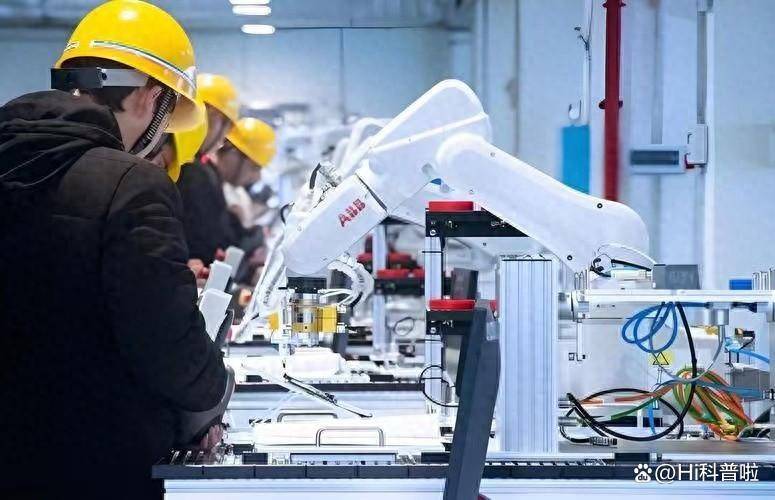
欧媒:中国都上桌了,500年来第一次,欧洲却连牌桌都挤不进?
Sou Hu Cai Jing· 2025-12-25 12:48
Group 1: European Defense Industry Challenges - The European defense industry faces significant challenges, including a massive production capacity gap, particularly in ammunition, which fails to meet Ukraine's needs [3] - Disagreements among EU member states complicate cross-border collaboration in defense, as each country has its own military industrial system and interests [3] - Europe's reliance on U.S. defense spending, which accounts for 30% of U.S. defense expenditures, has left Europe vulnerable, especially as U.S. focus shifts to other regions [3] Group 2: Economic and Industrial Decline - European industries are experiencing hollowing out, with traditional sectors losing competitiveness, particularly in technology and manufacturing [6] - Germany's industrial output is projected to decline by 2% in 2025, marking the fourth consecutive year of decline, indicating a structural recession [9] - The automotive sector is under pressure, with companies like BYD significantly increasing their market share in Europe, while local manufacturers struggle with battery supply and regulatory changes [5][12] Group 3: Regulatory and Policy Issues - The EU's complex regulatory environment has hindered the swift transition to electric vehicles, with frequent changes in environmental standards causing confusion among manufacturers [11] - The EU's attempts to establish a digital single market and enhance local digital enterprise competitiveness are ongoing, but challenges remain in breaking down national barriers [14] - The EU's legislative efforts, such as the Digital Services Act and Digital Markets Act, aim to counteract U.S. tech dominance, but the effectiveness is limited by existing technological dependencies [13][14] Group 4: Technological Strengths and Collaborations - Europe maintains strengths in certain technological areas, such as wind power and high-end manufacturing, with a significant share of global medical patents [12] - Collaborations between European automakers and Chinese battery manufacturers are emerging, creating a synergistic model that combines European vehicle technology with Chinese battery solutions [12] - The EU's regulatory frameworks in digital governance and environmental standards are seen as leading globally, despite the challenges faced by local industries [13]

化工盈利显著改善!化工ETF(516020)拉升1%!机构:供给侧优化+技术优势或重塑全球格局
Xin Lang Ji Jin· 2025-11-06 01:46
Group 1 - The core viewpoint of the articles highlights the robust performance of the chemical ETF and the overall improvement in profitability within the basic chemical sector, particularly in sub-sectors like pesticides and fluorochemicals, which saw significant year-on-year profit increases of 201% and 124.6% respectively [1][2] - As of November 6, the chemical ETF (516020) showed a steady performance with a 1.0% increase in price and a trading volume of 6.3452 million yuan, bringing the fund's total size to 2.599 billion yuan [1] - Key stocks within the ETF, such as Yuntianhua, Enjie Co., and Xingfa Group, demonstrated strong performance with respective increases of 3.29%, 3.26%, and 2.77%, while stocks like Duofuduo, Sankeshu, and Beiyuan Group experienced declines [1] Group 2 - Donghai Securities noted a structural optimization in the supply side of the basic chemical industry, driven by domestic "anti-involution" policies and rising overseas raw material costs, which have led to the shutdown of European and American enterprises [1] - The industry is expected to reshape the global supply chain due to China's cost and technological advantages, with a long-term optimistic outlook supported by supply improvements and low prices, while short-term caution is advised due to falling oil prices and weak demand [1] - According to Zhongyin International, the basic chemical industry is currently at a historical 72% percentile for price-to-earnings ratio at 24.39 times and 54% percentile for price-to-book ratio at 2.21 times, indicating potential investment opportunities in undervalued leading companies and emerging sectors like semiconductors and new energy materials [2]