全球财富管理中心

Search documents
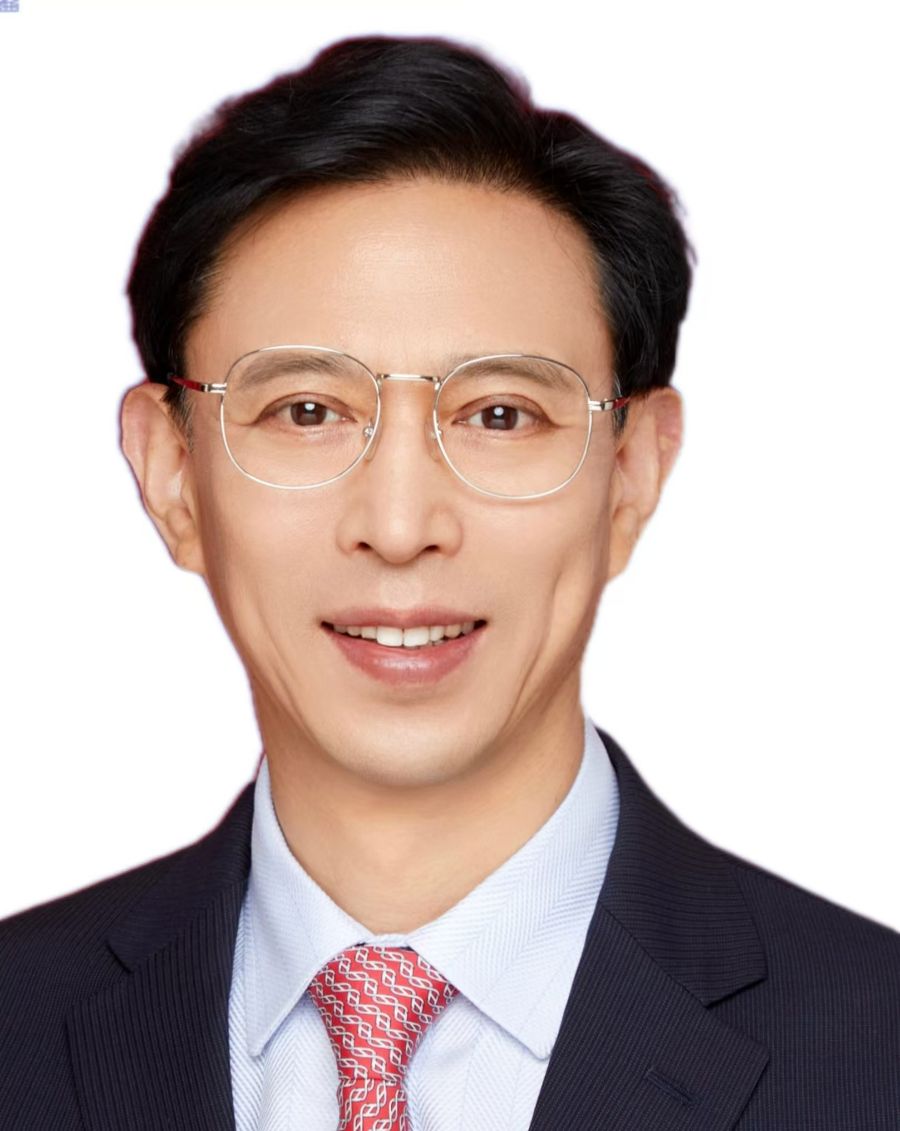
曾林峰:立足北京国家金融管理中心功能定位,从四个方面持续发力
Jing Ji Guan Cha Wang· 2025-12-19 06:57
Core Insights - Beijing is positioned as a national financial management center, with its financial industry accounting for approximately half of the country's total assets and leading in various financial metrics [2] - The total loan balance of Beijing's financial "five major articles" reached 6.8 trillion yuan by the end of Q3 2025, with a significant presence in the interbank market for technology innovation bonds [2] - The Beijing Stock Exchange (BSE) has seen substantial growth, with 286 listed companies and over 800 domestic and foreign listings, making it the top city in this regard [2] Group 1 - The financial asset management scale of Beijing's asset management institutions is about 48 trillion yuan, representing nearly 30% of the national total [2] - The city aims to enhance the financial industry's stability and quality, focusing on high-standard development and the formulation of the "14th Five-Year" plan for the financial sector [3] - There is an emphasis on promoting financial support for the real economy, particularly in new productive forces and urban governance during the "14th Five-Year" period [3] Group 2 - The BSE will receive strong support for its reform and expansion, particularly as it marks its fifth anniversary, with a focus on serving innovative small and medium-sized enterprises [3] - Financial openness will be expanded, with initiatives to enhance cross-border investment and financing, and to establish high-level international financial exchange platforms [3] - The urban sub-center is focusing on becoming a global wealth management center and is leveraging its advantages in wealth management and sustainable finance [4]


北京市地方金融管理局局长曾林峰:北京保险密度和深度等指标居全国第一
Zhong Guo Jing Ying Bao· 2025-12-19 04:36
Core Viewpoint - Beijing aims to establish itself as a global wealth management center, leveraging its unique market advantages, resource endowments, and policy environment, with significant market potential and demand [1][2]. Group 1: Financial Industry Development - Beijing's financial industry accounts for approximately half of the national total asset scale, with asset management institutions managing around 48 trillion yuan, nearly 30% of the national total [1]. - The city plans to enhance the financial industry's stability and quality by developing a comprehensive "14th Five-Year" plan and innovating technology financial services through various channels [1]. Group 2: Support for Real Economy - The focus will be on directing financial resources towards new productive forces and urban governance during the "14th Five-Year" period, promoting the synergy between finance and technology [2]. - There is an emphasis on increasing financial support for technological and industrial innovation [2]. Group 3: North Exchange Support - The upcoming year marks the fifth anniversary of the North Exchange, with plans to support its reform and expansion, enhancing its role in serving innovative small and medium-sized enterprises [2]. Group 4: Financial Openness - Beijing will continue to advance financial openness, seeking to implement pilot projects in financial market opening and cross-border investment facilitation [2]. - The city aims to attract international advanced experiences and deepen cooperation with domestic and foreign financial institutions in wealth management and cross-border product innovation [2].
北京市地方金融管理局局长曾林峰:大力支持北交所深化改革
Zheng Quan Ri Bao Wang· 2025-12-18 11:10
Group 1 - Beijing's financial industry accounts for approximately half of the national total assets, with leading indicators in the number of financial institutions, employees, insurance density, and depth [1] - As of the end of Q3, the total loan balance of Beijing's financial "five major articles" reached 6.8 trillion yuan, with significant achievements in the capital market and the establishment of various financial centers [1] - The asset management scale of Beijing's asset management institutions is about 48 trillion yuan, representing nearly 30% of the national total, indicating strong market potential and demand [2] Group 2 - The city aims to enhance the financial industry's steady development by improving service capabilities and implementing high-quality financial planning for the "14th Five-Year Plan" [2] - Financial resources will be directed towards new productive forces and urban governance, promoting the integration of finance and technology to support innovation [3] - The Beijing Stock Exchange will receive support for deepening reforms and expanding its role in serving innovative small and medium-sized enterprises [3] Group 3 - The city is focused on expanding financial openness and advancing the construction of financial zones, aiming for more international collaboration and experience sharing [3] - The urban sub-center is positioned as a global wealth management center, continuously attracting high-quality wealth management institutions and optimizing the industry ecosystem [4] - There will be further support for the urban sub-center to leverage its advantages in wealth management products and services through reform and innovation [4]
北京市地方金融管理局局长曾林峰:高站位支持北交所深化改革
Bei Ke Cai Jing· 2025-12-18 08:01
Core Viewpoint - Beijing is committed to becoming a global wealth management center, with a focus on the urban sub-center as a key area for development and innovation in wealth management products and services [1]. Group 1: Financial Industry Development - The city aims to promote the steady development of the financial industry by enhancing its capability to support the national financial management center and developing a high-quality "14th Five-Year" plan for the financial sector [1]. - There will be a focus on reforming key areas within the financial industry, particularly through innovative technology financial services utilizing credit, bonds, and capital markets [1]. Group 2: Support for Real Economy - Financial resources will be directed towards new productive forces and urban governance, aligning with the key tasks of the "14th Five-Year" period [2]. - The city plans to leverage asset allocation platforms to innovate asset management products and enhance the synergy between finance and technology [2]. Group 3: Support for North Exchange - Beijing will support the North Exchange in its fifth anniversary year by promoting reforms and expanding its capacity to serve innovative small and medium-sized enterprises [2]. Group 4: Financial Openness - The city will advance the construction of "two zones" in the financial sector, seeking more pilot policies for market openness and cross-border investment facilitation [3]. - Important events like the Financial Street Forum will be organized to create high-level international financial exchange platforms [3].
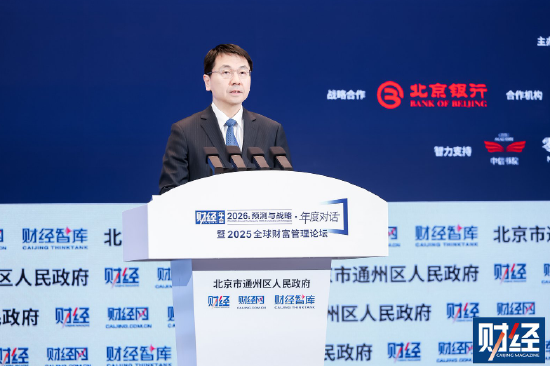
曾林峰:大力支持北交所深化改革,持续助力北交所提质扩容
Xin Lang Cai Jing· 2025-12-18 05:37
专题:财经年会2026:预测与战略暨2025全球财富管理论坛 以下为演讲实录: 尊敬的各位领导,各位来宾,大家上午好!非常高兴能够参加《财经》年会2026:预测与战略暨2025全 球财富管理论坛,我谨代表市金融管理局对活动的成功举办表示热烈的祝贺,向长期以来关心支持首都 金融发展的新老朋友表示衷心的感谢! 金融是国民经济的血脉,关系中国式现代化建设的全局。党的二十届四中全会对我国十五五时期经济社 会发展做出了顶层设计和战略擘画,全会通过的建议也就金融强国做出了重要的部署。12月10日,中央 经济工作会强调要坚定信心用好优势应对挑战,不断巩固扩展经济稳中向好的优势,为我们当前和今后 一个时期的经济金融工作指明了方向。 北京作为国家金融管理中心,目前北京金融业总资产规模约占全国的一半,金融业法人机构数、从业人 员数、保险密度和深度等指标均居全国第一。一批金融五篇大文章创新举措协同发力,截至三季度末全 市金融五篇大文章合计贷款余额6.8万亿元,北京地区银行间市场科创债发行规模位居全国前位,北京 绿色交易所获批建设全国温室气体自愿减排交易中心和国家绿色技术交易中心,多层次的资本市场功能 持续得到完善。北交所提质扩容成 ...
副中心打“组合拳”促金融发展
Sou Hu Cai Jing· 2025-11-21 20:37
Group 1: Policy Initiatives - The policies aim to promote high-quality development of the financial industry in Tongzhou District, focusing on financial services for the real economy and fostering a symbiotic relationship between finance and industry [1][2] - Financial institutions can receive substantial subsidies based on their annual revenue milestones, with one-time support of up to 10 million yuan for achieving specific revenue thresholds [1] - The strategic direction for the financial industry includes establishing dual centers for global wealth management and green finance, with significant financial support for asset management institutions reaching certain scales [1][2] Group 2: Green Finance Incentives - Incentives for green finance include support for banks with new green loans exceeding 50 million yuan and for insurance and securities institutions meeting specific thresholds [2][4] - The policies encourage participation in the establishment of green standards and project databases, enhancing the overall green finance ecosystem [2] Group 3: Economic Impact and Growth - The financial sector in the region has shown significant growth, with the value added increasing from 11.96 billion yuan in 2021 to 14.19 billion yuan in 2024, indicating its role as a strong engine for regional economic development [3] - The average annual growth rate of deposits and loans in the financial sector has reached 15.8%, demonstrating the district's increasing attractiveness and capacity for capital allocation [3] Group 4: Successful Project Implementation - Over 150 quality financial projects have been established since the start of the 14th Five-Year Plan, including the first wholly foreign-owned currency brokerage in China and the largest city commercial bank wealth management subsidiary [3] - The district has nearly 480 financial enterprises, with licensed asset management institutions managing over 1.6 trillion yuan in assets [3] Group 5: Support for Enterprises - Policies are designed to support enterprises throughout their lifecycle, including interest subsidies for key enterprises' first bank loans and various financing support for small and medium-sized enterprises [2][5] - The favorable policies and improved administrative services have significantly enhanced the operational environment for financial institutions, leading to increased loan growth and support for green projects [5][6]
专访北京市通州区区长助理林巍:借信托财产登记试点 打造全球财富管理中心雏型
2 1 Shi Ji Jing Ji Bao Dao· 2025-04-30 03:20
Core Insights - The article discusses the launch of the first real estate trust property registration in Beijing, specifically the "Tongzhou Case," which aims to promote the standardization of real estate trust business in the region [2][4] - The case involves a 70-year-old woman, Ms. Tian, who established a trust for her autistic son, highlighting the potential of real estate trusts to address specific family needs, such as long-term care and wealth preservation [4][9] - The initiative is part of a broader strategy to position Tongzhou as a global wealth management center, focusing on wealth inheritance and accessibility for ordinary families [3][18] Group 1: Key Developments - The "Tongzhou Case" represents a significant breakthrough in real estate trust registration, with the first property transfer completed in Beijing [2][4] - The trust structure includes a tripartite relationship among the trustee, the instructing party, and the supervisor, which enhances the protection of beneficiaries, particularly those with disabilities [4][6] - The case serves as a model for simplifying the property transfer process, reducing the time from months to just two hours, and eliminating the need for bridging funds [6][10] Group 2: Challenges and Solutions - Historical challenges in the real estate trust sector included unclear property rights, cumbersome transfer processes, and high tax burdens, which have hindered the growth of this business model [5][6] - The pilot program has introduced a legal confirmation mechanism for property rights and simplified the transfer process, addressing these structural issues [6][7] - Ongoing discussions with regulatory bodies aim to optimize tax policies to better accommodate the unique structure of trusts [7][19] Group 3: Broader Implications - The initiative is seen as a step towards creating a more inclusive wealth management framework, allowing ordinary families to utilize trust services that were previously reserved for high-net-worth individuals [8][9] - The focus on real estate trusts aligns with the growing demand for solutions that ensure long-term care for vulnerable populations, such as families with disabled members [9][18] - The Tongzhou district aims to leverage its experiences in real estate trusts to attract non-financial service institutions, enhancing the overall wealth management ecosystem [20][21]