
全球货币体系变化

Search documents
英皇娱乐酒店出售79公斤金砖,净赚近十倍
3 6 Ke· 2026-02-06 08:34
Core Viewpoint - The sale of gold by Emperor Entertainment Hotel is a strategic move to optimize asset value and reduce operational costs amid a shift in business focus from gaming to hotel services and leisure facilities [1][2]. Company Summary - Emperor Entertainment Hotel removed 79 kilograms of gold bricks from its premises, initially citing renovation needs, but later confirmed the gold was sold to release asset value [1]. - The hotel sold the gold for approximately 99.7 million HKD, achieving a profit of about 90.2 million HKD, which is nearly 9.6 times the book value [1][2]. - The hotel reported a total revenue of 335.6 million HKD for the six months ending September 30, 2025, down from 407.9 million HKD year-on-year, with a significant decline in gaming revenue [3]. - The hotel is currently in a state of ongoing losses, but the one-time gain from the gold sale will help improve liquidity and balance sheet structure [3]. Industry Summary - Macau's gaming revenue showed a year-on-year increase of 14.8% in December 2025, with total annual revenue rising by 9.1% to 247.4 billion MOP [3]. - The global gold market is experiencing significant demand, with total demand exceeding 5000 tons in 2025, driven primarily by investment activities [5]. - The price of gold has been volatile, with significant fluctuations observed in early 2026, impacting market dynamics and investment strategies [4][6]. - Analysts predict a bullish outlook for gold prices, with UBS raising its target price for gold to 6200 USD per ounce for the first three quarters of 2026 [6].
澳门昔日知名赌场出售79公斤金砖,净赚近10倍
Sou Hu Cai Jing· 2026-02-06 03:31
Group 1 - The core reason for the sale of gold by Emperor Entertainment Hotel is twofold: the gold display no longer aligns with the future operational theme, and the current high gold prices facilitate asset value release for the group [2][3] - The hotel announced the sale of 79 kilograms of gold bricks to Heraeus Metal Hong Kong Limited for approximately HKD 99.7 million, with an expected profit of about HKD 90.2 million, representing a net gain of 9.6 times the book value [2][3] - The hotel plans to use the net proceeds from the sale to strengthen its financial position and may consider further investments if suitable opportunities arise [3] Group 2 - For the six months ending September 30, 2025, Emperor Entertainment Hotel reported total revenue of HKD 335.6 million, down from HKD 407.9 million year-on-year, with a significant decline in gaming revenue [4] - The hotel experienced a net loss of HKD 73.1 million, an improvement from the previous year's loss of HKD 225.7 million, primarily due to a reduction in fair value losses on investment properties [4] - The gaming industry in Macau saw a year-on-year increase in revenue, with December 2025 gaming revenue reaching MOP 20.9 billion, up 14.8% [4] Group 3 - The decision to sell gold is closely related to the rising international gold prices and increased market volatility, with gold prices surpassing USD 5,000 and USD 5,500 before experiencing significant fluctuations [5] - The World Gold Council reported that global gold demand exceeded 5,000 tons for the first time in 2025, driven by strong investment activity, including a notable increase in ETF holdings and purchases of gold bars and coins [6] - UBS has raised its gold price target for the first three quarters of 2026 to USD 6,200 per ounce, with a year-end forecast of USD 5,900, indicating a bullish outlook on gold demand [7]


黄金白银为啥又暴跌啦?
Sou Hu Cai Jing· 2026-02-06 03:31
Core Viewpoint - The recent sharp decline in gold and silver prices is attributed to a complex interplay of factors, indicating a fundamental shift in the global monetary system and the role of central banks, as well as a reevaluation of the definition of safe-haven assets [1][3]. Group 1: Changes in Monetary System and Safe-Haven Assets - Gold's traditional role as an "anti-inflation" and "hedge against dollar credit risk" is being challenged, particularly with the potential rise of digital currencies and regional currency alliances, which could diminish gold's insurance value [3][4]. - The market's perception of a changing global monetary system, including the advancement of Central Bank Digital Currencies (CBDCs), may lead to a reassessment of gold's status as the ultimate reserve asset [3][4]. Group 2: Central Bank Dynamics - The role of central banks in supporting gold prices has been significant, but economic pressures may lead emerging market central banks to sell gold reserves, similar to past crises [4]. - There is growing skepticism in the market regarding the sustainability of central bank gold purchases, which may have already influenced price movements [4]. Group 3: ETF and Market Liquidity Risks - The structural risks and liquidity vulnerabilities of gold ETFs can exacerbate market volatility, as large-scale redemptions could trigger physical gold shortages or futures market squeezes [4]. - The disconnect between "paper gold" and physical delivery poses a risk, especially during periods of market stress [4]. Group 4: Competition from Digital Assets - The rise of cryptocurrencies, particularly Bitcoin, is competing with gold for the safe-haven asset market, attracting younger investors and potentially reducing traditional demand for gold [5]. - A shift of funds from gold to cryptocurrencies, especially during market recoveries, could significantly alter gold's market position [5]. Group 5: Geopolitical Risks - The potential for gold to be used as a financial weapon in geopolitical conflicts may undermine its attractiveness, as concerns about the safety and accessibility of gold reserves grow [5]. - The indirect effects of geopolitical events may be quietly eroding the consensus on gold as a safe-haven asset [5].

全球大宗商品2026展望 秩序新章的三重奏
2025-12-04 02:21
Summary of Key Points from the Conference Call on Global Commodity Outlook 2026 Industry Overview - The conference call discusses the global commodity market outlook for 2026, highlighting the impact of geopolitical risks, changes in global trade order, and the influence of emerging economies and AI development on commodity demand [1][2][4]. Core Insights and Arguments 1. **Geopolitical Risks and Supply Uncertainty** Geopolitical tensions, such as the Russia-Ukraine conflict and US-China trade frictions, are increasing supply risks in the commodity market, particularly during the transition between old and new orders [2][5]. 2. **Demand Restructuring** The demand for commodities is being reshaped by the industrialization of emerging economies and advancements in AI. Investments in AI and energy transition are driving demand for metals like copper and natural gas [1][2][7]. 3. **Strategic Stockpiling** Non-OECD countries are enhancing their strategic stockpiling to absorb excess oil supply, which is expected to have a profound impact on the commodity market [1][8]. 4. **Global Monetary System Changes** Changes in the global monetary system, including increased central bank gold purchases, are affecting commodity markets. This trend may lead to liquidity tightening and a shift in commodity flows towards the US [1][10]. 5. **Oil Market Dynamics** The oil market is expected to face challenges such as limited OPEC production increases, risks of US shale oil production declines, and low inventory levels due to emerging market stockpiling [2][11][12]. 6. **Copper Price Outlook** Copper prices are projected to rise in the coming years due to demand growth outpacing supply growth, driven by energy transition and electrification investments [2][13]. 7. **Black Metal Market Sentiment** A bearish outlook is held for black metals like iron ore, with expectations of declining prices due to increased supply pressure from new mines and a general demand downturn [2][15]. 8. **Agricultural Market Trends** Agricultural commodities are expected to stabilize at cyclical lows, with specific impacts from US-China trade tensions affecting soybean prices and short-term pressures on pork prices [2][16]. 9. **Gold Investment Opportunities** Gold is viewed positively as an investment due to central bank purchases and ETF inflows, with expectations of continued demand in a de-globalizing environment [2][17]. Other Important Insights - The transition to a new global order is complicating supply chains and increasing uncertainty, which may lead to higher production costs and volatility in futures markets [5][6]. - The interplay between supply-side adjustments and demand recovery narratives will shape the commodity market dynamics in 2026 [4][10]. This summary encapsulates the critical insights from the conference call, providing a comprehensive overview of the expected trends and challenges in the global commodity market leading into 2026.
Juno markets:投资者目前认为做空美元是当前最拥挤的交易
Sou Hu Cai Jing· 2025-07-17 02:54
Core Viewpoint - The recent global fund manager survey indicates that shorting the US dollar has become the most crowded trade, with approximately 34% of respondents holding this view, reflecting a significant shift in market sentiment towards the dollar [1][3]. Group 1: Market Sentiment and Positioning - The survey marks the first time in its history that shorting the dollar has replaced going long on gold as the most crowded trade, indicating a heightened bearish sentiment towards the dollar [3]. - Investor positioning shows a low allocation to the dollar, aligning with the conclusion that shorting the dollar is the most crowded trade. Additionally, US stocks, energy, and consumer staples are also underweighted, reflecting a cautious attitude towards multiple sectors in the US market [3][4]. - 47% of investors believe the dollar is overvalued, down from 61% in June, suggesting that while the perception of overvaluation has decreased, it still holds significant weight in the market [4]. Group 2: Risks and Influencing Factors - 14% of investors view a potential dollar crash due to capital outflows as a significant tail risk, which correlates with the crowded short position on the dollar. A sudden dollar rebound could trigger a wave of short covering, increasing market volatility [4][5]. - The Federal Reserve's monetary policy is a key variable influencing the dollar's trajectory. A potential rate cut by the Fed, while other economies maintain or raise rates, could diminish the dollar's appeal [5]. - Global capital flows are crucial; declining confidence in the US market may lead investors to seek better opportunities elsewhere, potentially exacerbating downward pressure on the dollar [5][6]. Group 3: Global Financial Landscape - The trend of shorting the dollar reflects subtle changes in the global monetary system, as emerging economies rise and the global economy becomes more multipolar. While the dollar's dominance is unlikely to be challenged in the short term, increasing bearish sentiment may encourage countries to diversify away from the dollar in international trade and reserves [6].

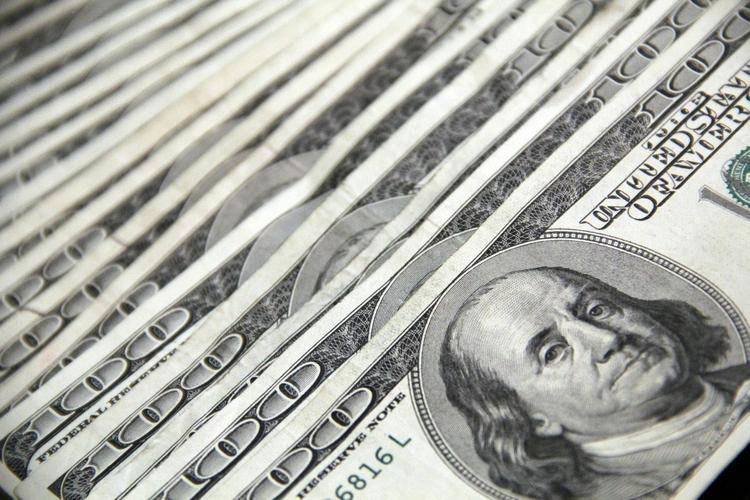
欧洲央行:黄金成全球第二大储备资产
news flash· 2025-06-12 01:43
Core Insights - The European Central Bank's annual report titled "The International Status of the Euro" highlights a significant shift in global reserve assets, with gold surpassing the euro to become the second-largest reserve asset after the US dollar [1] Group 1: Reserve Asset Composition - As of 2024, the US dollar accounts for 46% of global foreign exchange reserves, showing a slight decrease from the previous year [1] - Gold's share in global reserves has risen to 20% in 2024, surpassing the euro's 16% [1] - This marks a historical high for gold, which has seen a consistent increase in central bank purchases, exceeding 1,000 tons annually for three consecutive years, double the average level of the 2010s [1] Group 2: Central Bank Behavior - Global central banks currently hold 36,000 tons of gold, nearing the historical peak levels seen during the Bretton Woods system post-World War II [1] - The primary motivations for central banks increasing their gold reserves include hedging against geopolitical risks, diversifying investments, and concerns over potential sanctions and significant changes in the global monetary system [1]