
养老财富管理

Search documents
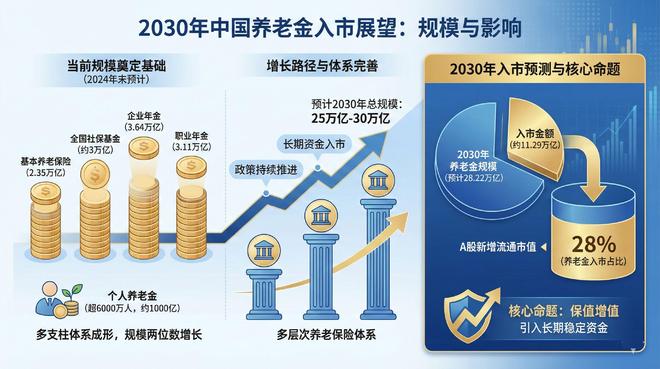
预计2030年中国养老金入市规模占A股新增流通市值28%
Zhong Guo Jing Ying Bao· 2025-12-16 08:15
Core Insights - The "China Pension Development Report 2025" predicts that by 2030, China's pension scale will reach 28.22 trillion yuan, with an estimated market entry amount of approximately 11.29 trillion yuan, accounting for 28% of the new circulating market value in A-shares [2][3] Group 1: Current Scale and Market Entry Foundation - As of the end of 2024, the investment scale of China's basic pension insurance fund, national social security fund, enterprise annuities, and occupational annuities is expected to reach 2.35 trillion yuan, 3 trillion yuan, 3.64 trillion yuan, and 3.11 trillion yuan respectively, all achieving double-digit growth [3] - Over 60 million people have opened personal pension accounts, with a contribution scale expected to reach 100 billion yuan, providing significant support for pension market entry [3] - The multi-pillar pension security system in China is taking shape, with enterprise annuities covering 30.44 million employees in 2023, and the third pillar personal pension system set to be fully implemented nationwide by the end of 2024 [3] Group 2: Global Comparison and Investment Trends - Among the top twenty global pension funds, only China's national social security fund is included, while international pension funds typically have equity asset investment ratios exceeding 40% [4] - The combined scale of the second and third pillars of pensions in the U.S. has reached 38.4 trillion USD, primarily invested in stocks or equity mutual funds [4] - The report suggests that as the three-pillar pension system improves and policies promoting long-term capital market entry continue, the scale and depth of pension investments in China are expected to gradually increase [4] Group 3: Wealth Management and Asset Allocation - The proportion of asset-based pensions in China's multi-tiered pension system is continuously increasing, with the total pension asset scale expected to exceed 20 trillion yuan this year [5][6] - The central government's emphasis on the "preservation and appreciation" goal for social security funds reflects a heightened focus on the long-term value of pensions, necessitating diversified asset allocation and investment strategies for sustainable growth [6] - Pension market entry will not only help achieve capital preservation and appreciation but also enhance the professional service capabilities of financial institutions, promoting a shift from traditional credit-led finance to comprehensive financial services [6]

《中国养老金发展报告2025》正式发布
Zheng Quan Ri Bao Wang· 2025-12-08 12:50
Core Viewpoint - The forum organized by Changjiang Pension Insurance Co., Ltd. and the Chinese Academy of Social Sciences focuses on the development of an asset-based pension system and wealth management in response to aging population challenges [1][2]. Group 1: Industry Insights - The 20th National Congress of the Communist Party of China emphasizes the need for a multi-tiered pension insurance system and the development of pension finance as a clear direction for the industry [1]. - Asset-based pensions are identified as a key force in addressing the challenges of an aging population, requiring collaborative efforts in policy, taxation, investment research, and product ecosystems for high-quality development [1]. Group 2: Report Highlights - The "China Pension Development Report 2025," led by Zheng Bingwen's team, has been published for 15 consecutive years, focusing this year on asset-based pension systems and wealth management [2]. - The report analyzes the practical challenges and breakthrough strategies for constructing an asset-based pension system, while also providing insights into China's wealth management experiences and potential [2]. - Changjiang Pension has participated in the report's compilation and publication for seven consecutive years, reflecting its deep involvement in the development of the pension finance industry [2].
聚焦养老金融可持续发展 业内共议养老财富管理新路径
Zheng Quan Ri Bao· 2025-12-07 15:35
Group 1: Core Perspectives - The development of pension and long-term life insurance is essential to address aging, with financial investments in modern industries providing long-term returns and enhancing elderly consumption capacity [1] - Effective pension wealth management is crucial for building an asset-based pension system, aligning with the central government's objectives for pension finance [1] - The need for public pensions to maintain basic support while adjusting replacement rates for different income levels is emphasized, alongside the development of appealing pension financial products [1] Group 2: Policy Recommendations - Continuous policy innovation is necessary to expand pension coverage and enhance fiscal support measures for personal pensions, including exploring tax incentives for low-income groups [2] - Improving investment research capabilities is vital to ensure the preservation and appreciation of pension wealth, while also enhancing service supply adaptability [2] - The integration of pension products with quality elderly care services is highlighted as a key competitive advantage in the pension financial market [2] Group 3: Multi-Pillar Development - Relying solely on pay-as-you-go systems or individual accumulation models is unsustainable; a multi-pillar approach to pension development is necessary for effective asset management [3] - Diverse financial institutions and younger demographics should participate in the development of pension services, reflecting the varied needs of the aging population [3]
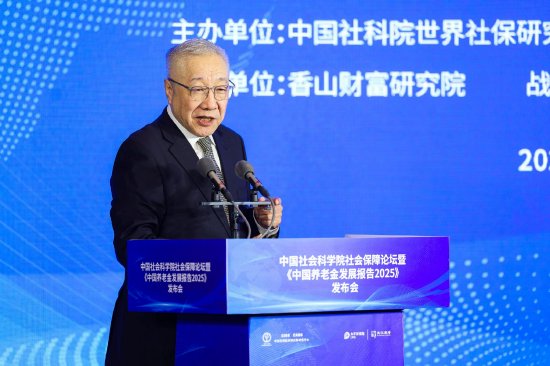
张盈华宣介 《中国养老金发展报告2025》
Xin Lang Cai Jing· 2025-12-06 03:59
Core Insights - The report titled "China Pension Development Report 2025" was introduced at the China Social Sciences Academy Social Security Forum, highlighting the urgent need for pension reform due to rapid aging and declining replacement rates of the first pillar pension system [1][3][4] Group 1: Background and Context - China's aging process is accelerating, transitioning from aging to deep aging and then to super aging within a span of just over a decade [3][4] - The replacement rate of the first pillar basic pension insurance has decreased from over 80% in the 1990s to approximately 50% currently, necessitating supplementary pension insurance to fill the gap [3][4][14] - The year 2025 marks a significant milestone for pension finance, coinciding with the 25th anniversary of the National Social Security Fund Council and the full implementation of the personal pension system [3][4][14] Group 2: Key Themes and Findings - The report emphasizes the transition from a pay-as-you-go system to a partially funded pension system, addressing the challenges posed by declining population growth and economic stability [5][15] - The concept of "value preservation and appreciation" was introduced in the 20th Central Committee's Fourth Plenary Session, highlighting the importance of pension wealth management [5][16] - The report consists of three main sections: theoretical, Chinese, and international, totaling 42 sub-reports and approximately 1 million words, covering various aspects of pension systems and wealth management [7][18] Group 3: Pension System Structure - The asset-based pension system is characterized by multi-pillar, account-based long-term accumulation and wealth management, emphasizing both state and individual responsibilities [7][18][21] - The report discusses the shift in welfare models, with countries like Germany moving from fully funded to partially funded or asset-based pension systems [19][20] - The integration of pension finance with the broader pension industry and the need for tax reforms to encourage participation in supplementary pension schemes are also highlighted [20][21] Group 4: Future Directions - The total scale of the asset-based pension system is estimated to be around 25 trillion yuan, with expectations to exceed 20 trillion yuan this year [21] - The report calls for continued research and policy advocacy to advance the development of the pension system, with a focus on high-quality growth in asset-based pension systems [21][22]
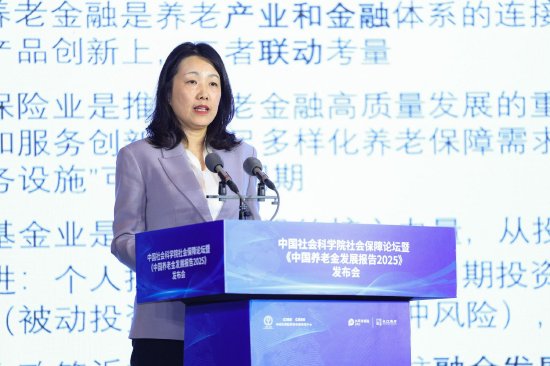
如何推动养老财富管理高质量发展?长江养老副总经理李敬分享四点思考
Xin Lang Cai Jing· 2025-12-06 02:51
Core Viewpoint - The forum highlighted the urgent need for policy innovation and financial product development to address the challenges posed by China's accelerating aging population and the imbalances in the three pillars of pension insurance [3][7]. Group 1: Current Challenges - China is facing accelerated population aging, which necessitates a robust asset-based pension model centered on individual accounts and market-based investment for value preservation and growth [3][7]. - There are significant issues such as the unbalanced development of the three pillars of pension insurance and insufficient quality supply of pension service financial products [3][7]. Group 2: Recommendations for Development - There is a need to actively promote policy innovation to expand the coverage of pension schemes, particularly by accelerating the development of the second and third pillars of pensions [4][8]. - Enhancing fiscal support measures is crucial to improve the inclusiveness of personal pensions, including exploring TEE tax incentive models and implementing matching contribution mechanisms for low- and middle-income groups [4][8]. Group 3: Investment and Product Strategy - Investment management is essential for preserving and growing pension wealth, especially in the context of deepening population aging and a global low-interest-rate environment, which requires strategic upgrades and methodological restructuring [4][8]. - There is a need to deepen the linkage of product ecosystems to enhance the adaptability of service supply, ensuring that pension financial products meet the long-term, safety, and return requirements of pension funds [4][8].
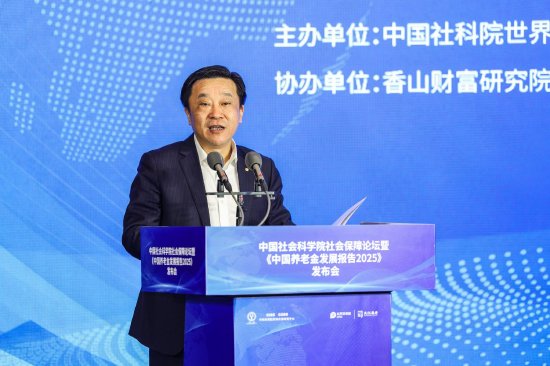
郑秉文:做好养老财富管理是构建资产型养老金体系的重要条件,也是中央提出养老金融的题中应有之义
Xin Lang Cai Jing· 2025-12-06 02:16
Core Viewpoint - The forum on social security and the release of the "China Pension Development Report 2025" emphasizes the importance of developing an asset-based pension system and effective pension wealth management as crucial for addressing aging population challenges and promoting economic development [3][6]. Group 1: Policy and Economic Context - The Central Political Bureau meeting in July 2023 highlighted the need to "activate capital markets and boost investor confidence," leading to a series of policy documents aimed at addressing the bottlenecks in long-term funding [3][6]. - The development of an asset-based pension system and commercial insurance annuities are identified as significant sources of long-term capital [3][6]. Group 2: Pension Wealth Management - Effective pension wealth management is deemed essential for constructing an asset-based pension system and aligns with the central government's objectives for pension finance [3][6]. - The discussion underscores that pension funds are not only vital for the welfare of the elderly but also play a critical role in economic development, positioning pensions as a key production factor, particularly in the context of China's current development stage [3][6].
重磅发布!《中国居民养老财富管理发展报告(2025)》
新浪财经· 2025-11-25 09:43
Core Insights - The article discusses the "2025 China Resident Pension Wealth Management Development Report," which analyzes the behavior of residents regarding pension wealth management and identifies opportunities for the financial industry while referencing international best practices [5][3]. Group 1: Changes in Pension Planning Concepts - The perception of pension planning is shifting from "whether to do it" to "how to do it," with a significant decrease in the percentage of young respondents (ages 18-34) who feel they are "still young and not in a hurry" from 78% in 2023 to 47% in 2025 [6][8]. - The reasons for not having pension plans vary by age group, with 38% of respondents aged 35-39 citing reliance on children for financial support as a reason for not planning [9]. Group 2: Pension Savings and Investment Trends - The average age for initiating pension planning is projected to be 37 years in 2025, consistent with previous years, indicating that the middle-aged demographic is crucial for wealth accumulation and pension preparation [10]. - Among respondents under 50, 85% are actively saving for retirement each month, reflecting a growing awareness and willingness to take action regarding pension savings [11]. Group 3: Investment Preferences and Asset Allocation - There is a growing willingness to invest in pension financial products for longer durations, with the average investment period increasing from 3.3 years in 2023 to 4.5 years in 2025 [16]. - The preference for safe investments remains strong, with bank deposits and insurance products being the most popular, while the proportion of respondents willing to invest in funds has increased by 8 percentage points over four years [19]. Group 4: Demand for Non-Financial Pension Services - Respondents' focus has shifted from merely accumulating funds to seeking diverse services such as health management, care services, and cultural leisure activities, indicating a broader understanding of retirement needs [23]. - The demand for health management and medical services is particularly pronounced, with younger respondents showing interest in institutional services and older respondents prioritizing home care and health management [26]. Group 5: Innovations in Pension Financial Products - The report highlights the role of policy in creating new opportunities for pension wealth management, with a growing variety of personal pension products and an expanding market scale [27]. - Financial openness is driving innovation in pension financial products and services, with international experiences and capital being integrated into the Chinese market [32]. Group 6: Comprehensive Pension Financial Services - The report outlines the development of a comprehensive pension financial service ecosystem by CITIC Bank, which aims to meet diverse pension financial needs through a range of products [45][46]. - The integration of technology, such as big data and AI, is emphasized as a means to enhance the safety and transparency of pension financial products [39].

第二批试点机构养老理财产品蓄势待发
Xin Hua Wang· 2025-08-12 06:20
Core Viewpoint - The second batch of pension financial products is in preparation and is expected to be issued soon after regulatory approval, indicating a growing market for retirement wealth management tools in China [1][2]. Group 1: Product Development and Features - The pilot regions and institutions for pension financial products have expanded this year, with institutions like Agricultural Bank of China Wealth Management, China Post Wealth Management, and Xinyin Wealth Management becoming part of the second batch of pilot institutions [2]. - The preparation for pension financial products involves significant system adjustments, particularly in selecting third-party custodians and implementing a smoothing fund mechanism to stabilize product net values [2][3]. - The smoothing fund mechanism is designed to allocate a portion of management fee income to a risk reserve and to include a portion of excess returns into a smoothing fund, providing a "double insurance" against potential losses [2]. Group 2: Product Performance and Market Trends - As of July 26, there are 31 registered pension financial products in the market, with 27 disclosing net values greater than 1, indicating stable operations [4]. - Recent reports from Everbright Wealth Management show that several pension financial products achieved net value growth of 1.85% to 1.97% in Q2, with returns meeting performance benchmarks [4]. - The total subscription amount for pension financial products exceeded 60 billion yuan by the end of May 2022, highlighting their importance as a tool for personal retirement wealth management [5].