农业安全

Search documents
反对党怒撕莫迪:你为换关税让步,却把印度农民往火坑推
Sou Hu Cai Jing· 2026-02-11 12:22
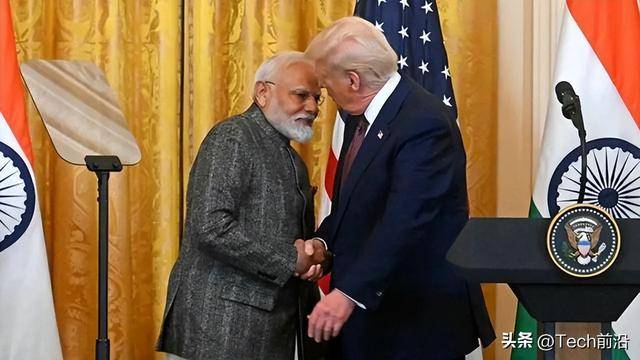
Core Viewpoint - The recent temporary trade agreement between the U.S. and India involves India reducing or eliminating tariffs on various U.S. industrial goods and agricultural products, while the U.S. will lower tariffs on Indian goods from 25% to 18% and cancel an additional 25% punitive tariff on Indian purchases of Russian oil [1][3]. Group 1: Trade Agreement Details - The agreement took a year to negotiate, primarily stalling over India's tariffs on U.S. agricultural products and its continued import of Russian oil [3]. - Modi's concessions to Trump are viewed as significant, with critics arguing that it undermines India's national interests and harms local farmers and traders [3]. Group 2: Impact on Indian Agriculture - Agriculture is crucial to India's economy, with approximately 800 to 900 million people involved in the sector, predominantly small and marginal farmers [5]. - The reduction of tariffs on U.S. agricultural products could devastate India's small farmer economy, as U.S. products may flood the market at lower prices, threatening local livelihoods [5][7]. Group 3: Energy Implications - Russian oil is currently one of the most competitively priced sources of crude oil globally, and discontinuing its purchase could significantly increase India's energy costs [9]. - The shift away from Russian oil to potentially more expensive alternatives may strain India's economy and impact its relationship with Russia, which has been historically significant [9][11]. Group 4: Geopolitical Consequences - Modi's agreement to halt Russian oil purchases indicates a shift in India's strategic balance towards the U.S., potentially complicating its relationship with Russia, which remains vital for military and diplomatic support [11].

新闻调查|从追标准到定标准 “中国蔬菜出口第一县”做对了什么?
Yang Shi Xin Wen Ke Hu Duan· 2025-12-07 07:42
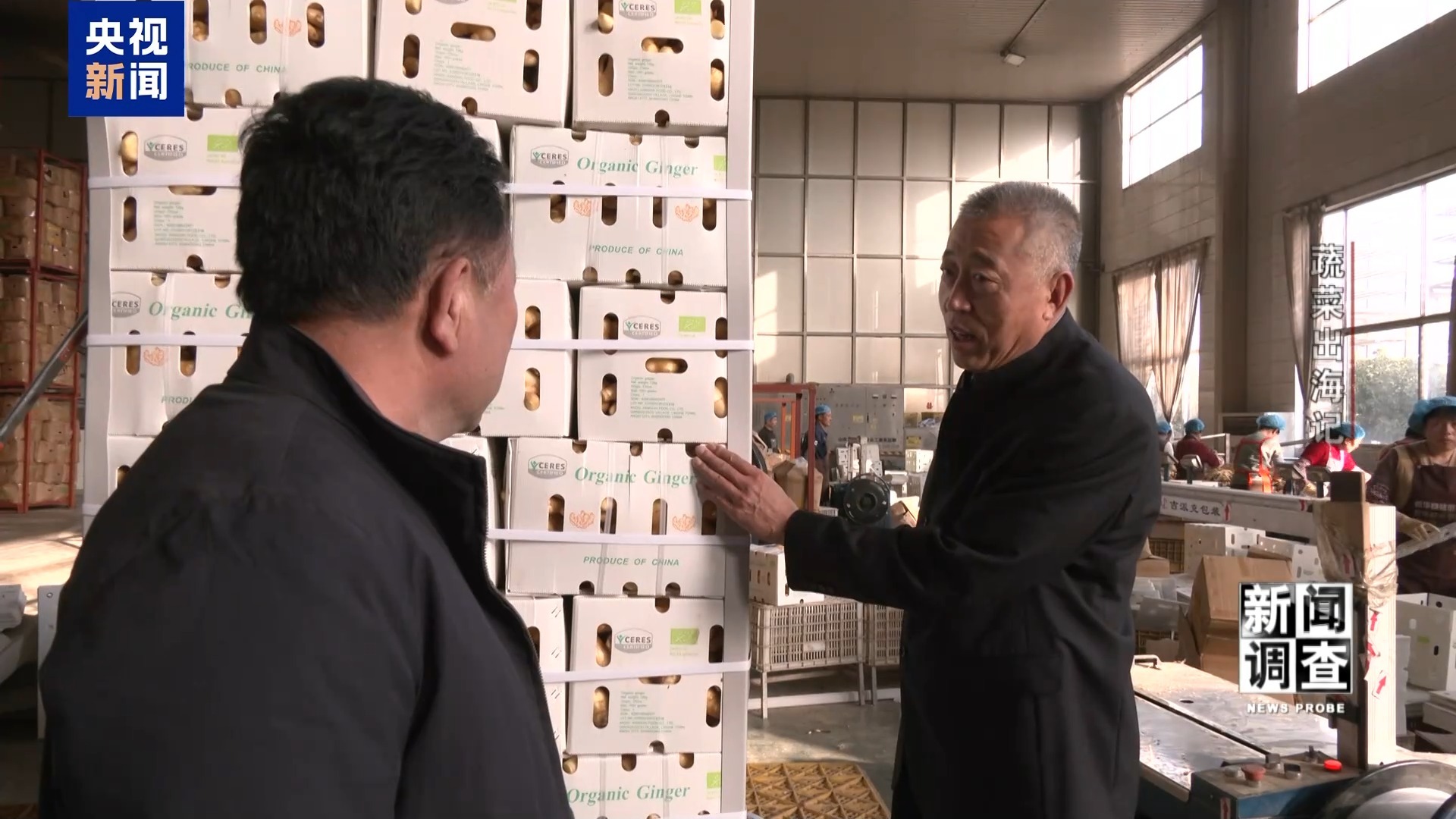
Core Insights - Anqiu City in Shandong Province has developed into "China's No. 1 Vegetable Export County" over 30 years, transitioning from a primarily agricultural area to a significant player in the global vegetable export market [1][3][40] Group 1: Historical Development - Anqiu's journey began in 1993 when the first container of preserved vegetables, specifically ginger, was exported to Japan, marking the entry into international markets [5][6][8] - By 1996, Anqiu was exporting over 20 containers of green onions weekly, showcasing rapid growth in agricultural exports [9][10] - The region faced a severe export crisis in the early 2000s due to new stringent food safety regulations from the EU and Japan, which led to significant losses for local farmers [15][16][18] Group 2: Response to Challenges - In response to the export crisis, Anqiu's local government and agricultural enterprises collaborated to establish a quality control system, including the creation of a local agricultural testing institution [21][22] - By 2007, these efforts resulted in a recovery, with Anqiu's agricultural exports reaching $200 million, a 30% increase from the previous year [22] Group 3: Current Status and Innovations - Anqiu now exports agricultural products to over 80 countries, with a diverse range of over 2,000 products, including both raw and processed goods [13] - The establishment of a comprehensive agricultural quality management system has positioned Anqiu to participate in setting global vegetable trade standards [24][28] - The introduction of organic farming practices and the involvement of younger farmers have led to increased production of organic vegetables, which can command prices up to 50% higher than conventional produce [31][33][37] Group 4: Future Prospects - Anqiu's agricultural sector is evolving, with a focus on meeting international standards and expanding its market reach, evidenced by the rapid export rate of one container every eight minutes [33][40] - The local government is promoting a model that reduces organic fertilizer costs, enhancing the sustainability of agricultural practices [35]
从追标准到定标准 “中国蔬菜出口第一县”做对了什么?
Yang Shi Xin Wen Ke Hu Duan· 2025-12-07 04:57
Core Insights - Anqiu City in Shandong Province has developed into "China's No. 1 Vegetable Export County" over 30 years, transitioning from a local agricultural hub to a significant player in the global vegetable market [1][3]. Industry Overview - China is the world's largest vegetable producer and exporter, with Shandong Province accounting for nearly 40% of the country's agricultural export value, making it the largest vegetable-exporting province [2]. - Anqiu's agricultural exports have reached over 2 billion USD, with a growth rate of 30% in 2007 after overcoming a significant export crisis [10]. Historical Development - The first successful export of preserved vegetables from Anqiu occurred in 1993, marking the beginning of its journey into international markets [3][4]. - By 1996, Anqiu was exporting over 20 containers of green onions weekly, showcasing rapid growth in agricultural exports [6]. Challenges and Adaptations - Anqiu faced a severe export crisis around 2006 due to new stringent food safety regulations from the EU and Japan, which led to significant losses for local farmers [9][10]. - In response, Anqiu established a high-standard agricultural safety management system to meet international standards, which included forming a local agricultural product testing institution [10][12]. Current Status and Future Prospects - Anqiu has developed an international, high-standard testing and certification system, allowing it to participate in setting global vegetable trade standards [11][12]. - The city has seen a rise in young farmers who are adopting modern agricultural practices, including organic farming, which has led to increased demand and higher prices for organic vegetables [14][15].
新闻调查丨从追标准到定标准 “中国蔬菜出口第一县”做对了什么?
Yang Shi Xin Wen Ke Hu Duan· 2025-12-07 02:05
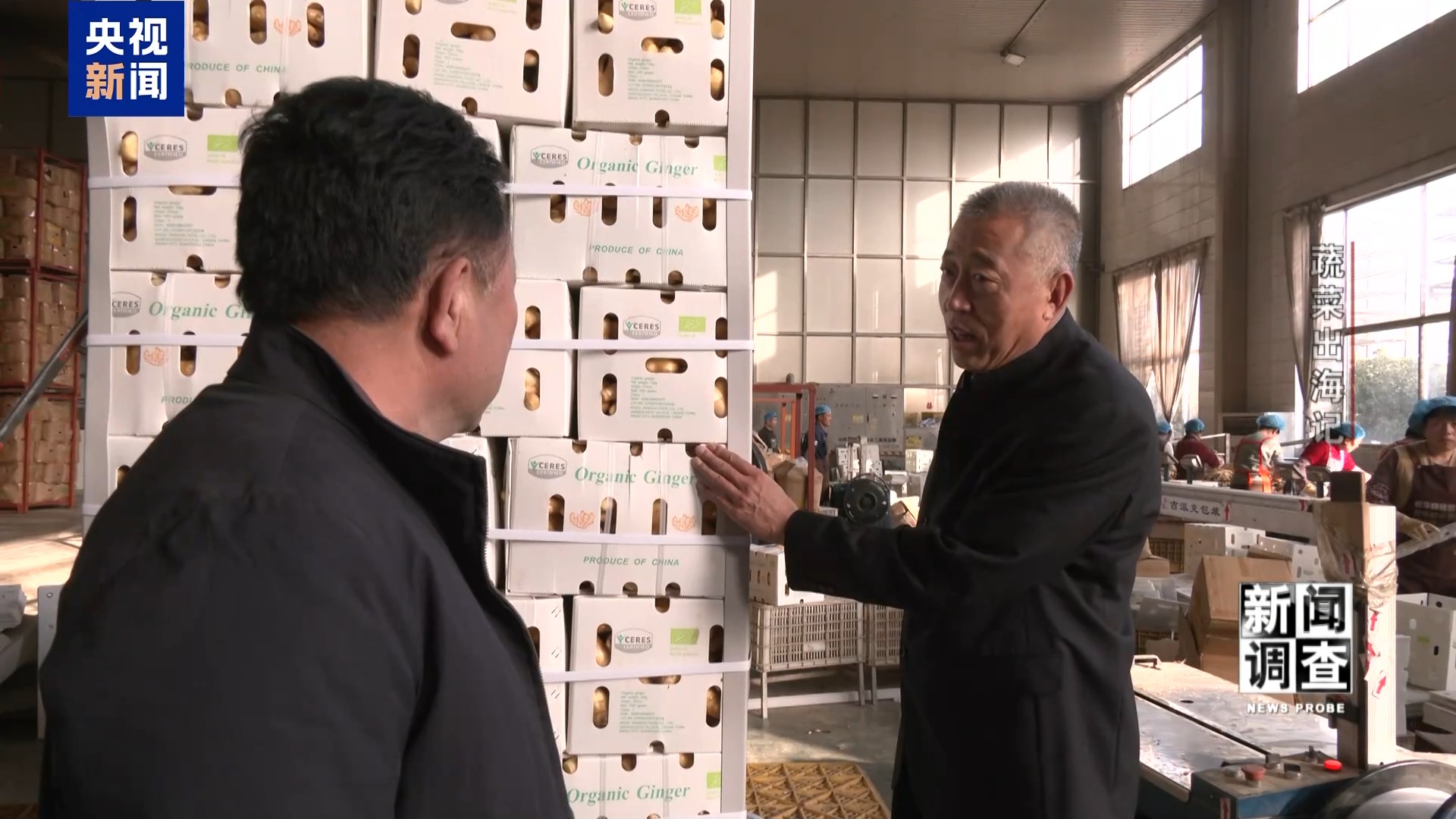
Core Insights - Anqiu City has developed into "China's No. 1 Vegetable Export County" over 30 years, with over 80% of its land used for agriculture, marking the beginning of its busiest export season after the winter solstice [1][3] - Shandong Province is the largest vegetable production and export province in China, contributing nearly 40% of the country's agricultural export value [1] Group 1: Historical Development - In 1993, the first container of fresh vegetables from Anqiu, processed by Wu Weidong, was exported to Japan, opening international markets for the region [3][4] - The first production line for agricultural processing in Anqiu was established in 1993, leading to a surge in orders following the successful export of 18 tons of ginger [6] - By 1996, Anqiu was exporting over 20 containers of green onions weekly, showcasing the rapid growth of its agricultural exports [8][7] Group 2: Challenges and Adaptations - In the early 2000s, Anqiu faced a severe export crisis due to new food safety regulations in the EU and Japan, which led to the destruction and return of non-compliant agricultural products [14][16] - The local government and businesses collaborated to establish a quality control system, including the creation of a private agricultural testing institution to meet international standards [18][19] - By 2007, Anqiu overcame the export crisis, achieving an export value of $200 million, a 30% increase from the previous year [19] Group 3: Current Status and Innovations - Anqiu now exports agricultural products to over 80 countries, with more than 170 local enterprises holding export qualifications and over 20 foreign-invested companies established [10] - The region has developed a high-standard testing and certification system, allowing it to participate in setting global vegetable trade standards [25][21] - The introduction of organic farming practices and the use of organic fertilizers have increased the proportion of organic vegetables, with a significant reduction in costs through innovative farming models [30][32][34] Group 4: Future Prospects - Young farmers with higher education are leading the new phase of agricultural development in Anqiu, utilizing modern knowledge and practices to meet market demands [34][36] - The region's agricultural exports have evolved from one container to one being shipped every eight minutes, reflecting significant growth and transformation in the industry [37]
别让假专家用短视频坑农害农
Ren Min Ri Bao· 2025-08-14 23:30
Group 1 - The emergence of fake agricultural experts on short video platforms poses a significant risk to farmers, as these individuals often lack proper agricultural education and provide misleading information [1][2] - Many of these so-called experts promote substandard agricultural products, leading to negative feedback from farmers and potentially harming their livelihoods and food production [1][2] - There is a pressing need for short video platforms to take responsibility by verifying the credentials of agricultural accounts and enhancing monitoring of agricultural-related content [2] Group 2 - Genuine agricultural experts are encouraged to utilize online platforms for knowledge dissemination, which can help reach a wider audience and reduce the influence of fraudulent experts [2] - Regulatory measures must be strengthened to deter fraudulent activities, including setting higher standards for agricultural content publication and ensuring strict penalties for those who deceive farmers [2][3] - Farmers are advised to remain vigilant and discerning, avoiding blind trust in online recommendations, while authorities should work to better understand farmers' needs and connect them with legitimate experts [3]
别让假专家用短视频坑农害农(民生观)
Ren Min Ri Bao· 2025-08-14 21:45
Group 1 - The emergence of fake agricultural experts on short video platforms is harming farmers and agricultural safety [1][2] - Many so-called experts lack agricultural education and knowledge, leading to poor product recommendations that negatively impact farmers' livelihoods [1][2] - Short video platforms need to enhance their responsibility by verifying the credentials of agricultural accounts and monitoring related content [2] Group 2 - Genuine agricultural experts should utilize online platforms to educate farmers, reaching a wider audience and reducing the influence of fake experts [2][3] - Regulatory measures must be strengthened to deter fraudulent activities in the agricultural sector, ensuring the protection of farmers' interests [2][3] - Farmers are encouraged to remain vigilant and discerning, while authorities should better understand farmers' needs and connect them with legitimate experts [3]
14亿人饭碗稳了?老挝钾肥“横空出世”全球第二,破中国钾肥困局
Sou Hu Cai Jing· 2025-05-17 03:52
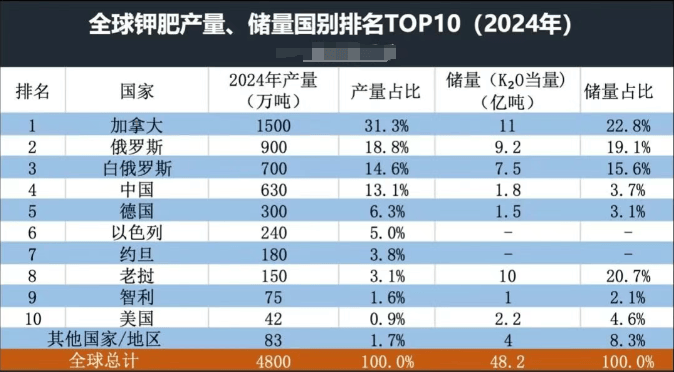
Core Insights - Laos has emerged as a significant player in the global potash market, with its potash reserves being upgraded from 75 million tons to 1 billion tons, making it the second-largest potash reserve holder globally, surpassing Russia and Belarus [1][4][15] - China, the world's largest consumer of potash, relies heavily on imports to meet its agricultural needs, with domestic production only covering about one-third of its consumption [2][4] - The discovery of Laos' potash resources is crucial for China's food security, as it can potentially alleviate the country's dependence on imports from other nations [4][15] Potash Market Dynamics - In 2024, China is expected to consume 18.72 million tons of potash, accounting for 48.2% of global consumption, while its domestic production is only 6.3 million tons [2][4] - Laos' potash reserves are estimated to be 1.33 billion tons, which is 13 times that of China's reserves, indicating a significant opportunity for China to secure a stable supply [4][6] - The strategic location of Laos, being a neighboring country to China, provides a more reliable and secure source of potash compared to imports from Canada, Russia, and Belarus [6][15] Investment Opportunities - Over 20 Chinese companies are currently investing in potash mining projects in Laos, with several projects expected to significantly increase production capacity by 2027 [6][9] - Notable projects include those by Zhongnong Potash, Dongfang Tieta, Cangge Mining, and Yuntianhua, which collectively aim to produce over 1 million tons of potash annually [9][11] - The transportation of potash from Laos to China can be facilitated through the China-Laos Railway or via sea routes, enhancing logistical efficiency [11][15] Geopolitical Implications - The emergence of Laos as a potash supplier is seen as a strategic advantage for China, reducing its vulnerability to supply disruptions from traditional potash-exporting countries [13][15] - The shift in potash supply dynamics could disrupt the existing oligopoly in the global potash market, which has been dominated by a few countries [13][15] - The increased import of potash from Laos, which has already risen to 2.07 million tons in 2024, reflects a growing reliance on this new source [11][14]