大姜

Search documents
冬季耐储菜供应充足 车厘子、蓝莓批量上市价格同比下降
Bei Jing Shang Bao· 2025-12-14 04:16
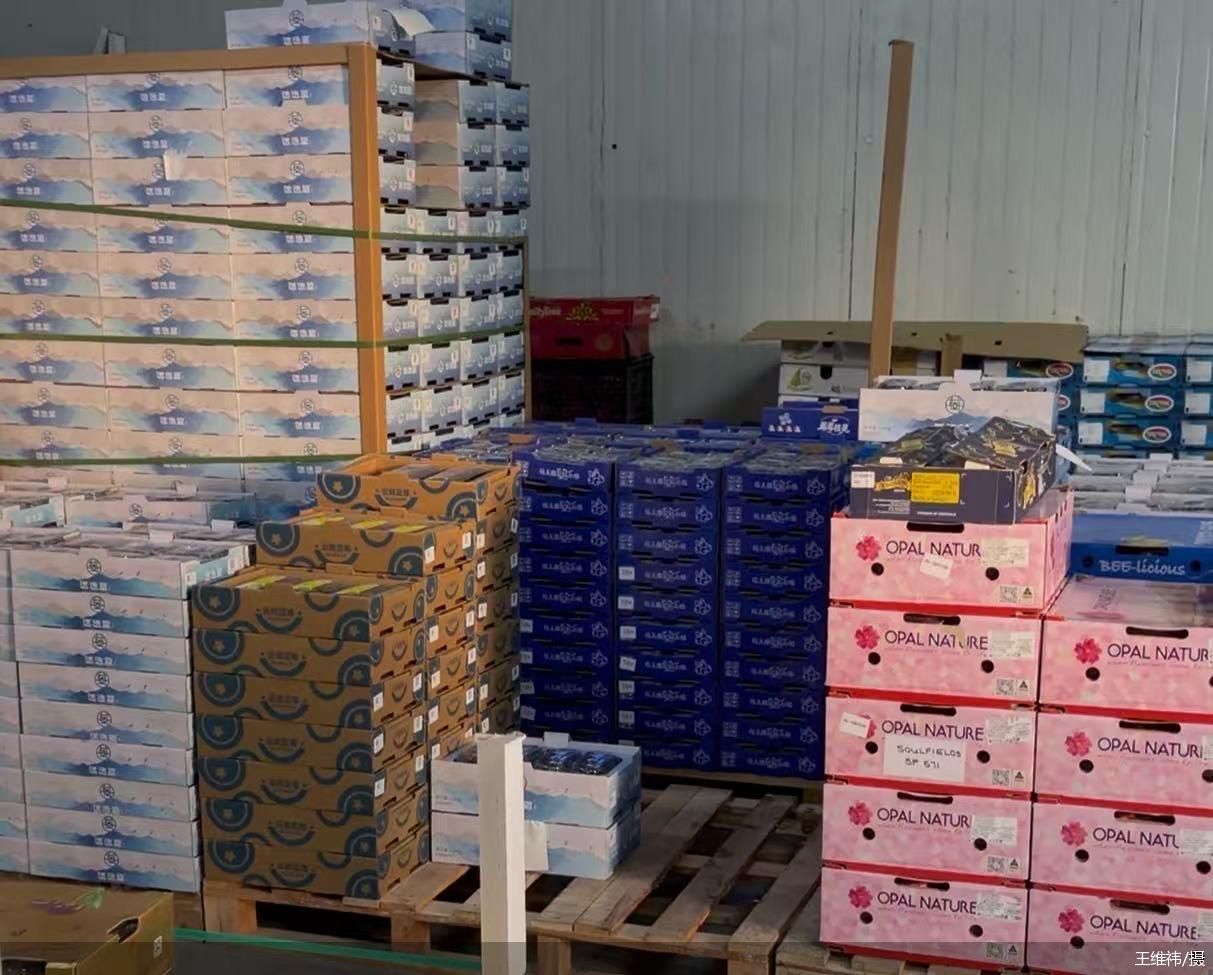
Core Insights - The overall vegetable supply in Beijing remains stable despite recent snowfall, with sufficient quantities available in the market [1][3] - Prices for certain staple vegetables like cabbage are significantly higher compared to the same period last year, while others like onions and garlic are lower [1][3] Vegetable Supply Overview - The vegetable supply is categorized into three main parts: durable vegetables, northern greenhouse vegetables, and southern vegetables, with southern vegetables accounting for over 40% of the market supply [3] - The total vegetable supply in the market is approximately 20,000 tons, with an average price of 3.94 yuan per kilogram [3] Fruit Supply Overview - A variety of fruits, including cherries and strawberries, have entered the Beijing market, with cherries being a popular imported fruit during winter [4] - The daily fruit supply in the market is around 13,000 tons, with an average price of 8.17 yuan per kilogram [4] - The market is seeing an increase in high-end fruits such as durian, blueberries, and kiwis, with domestic blueberry production notably rising [4]

新闻调查|从追标准到定标准 “中国蔬菜出口第一县”做对了什么?
Yang Shi Xin Wen Ke Hu Duan· 2025-12-07 07:42
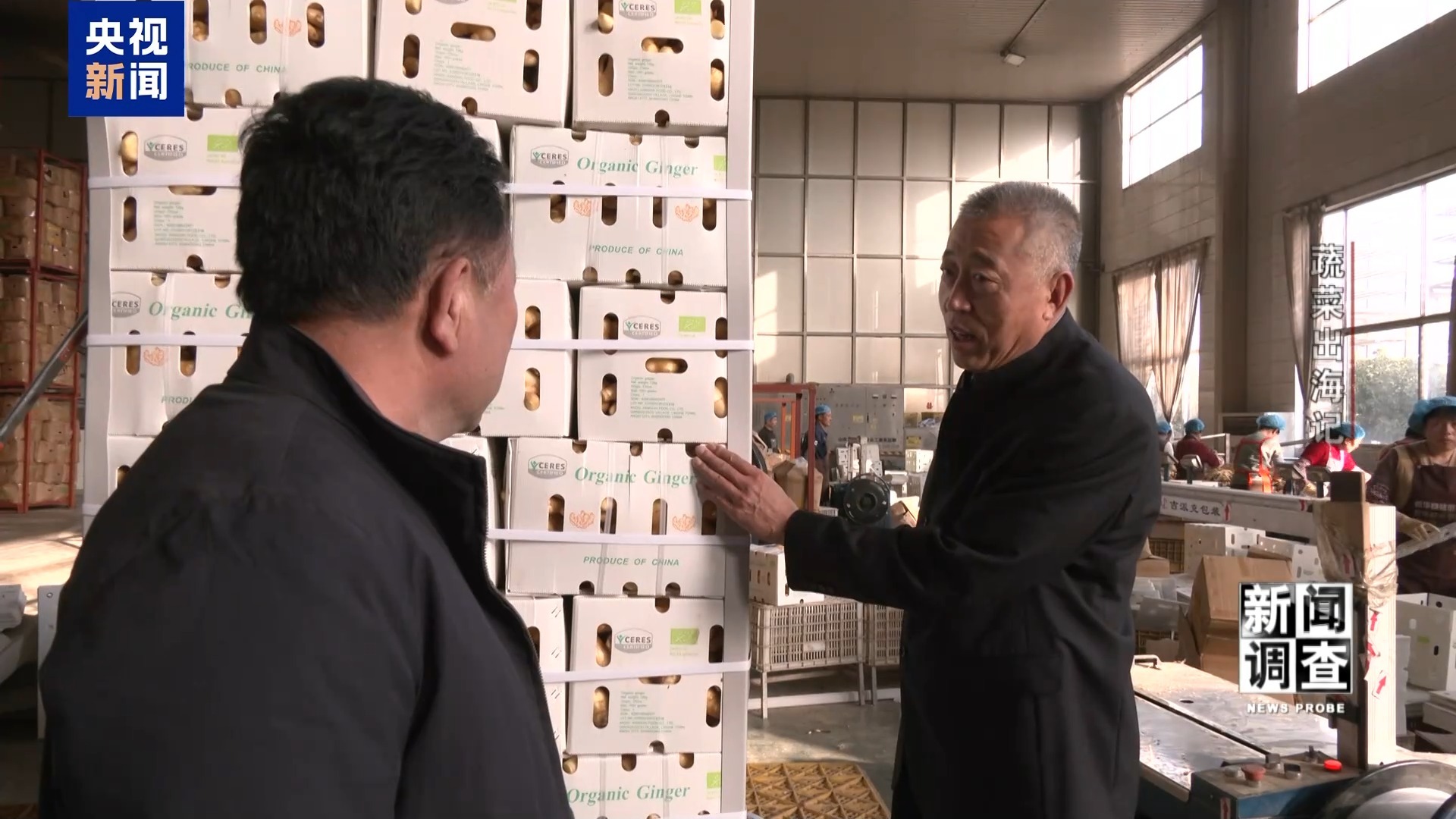
Core Insights - Anqiu City in Shandong Province has developed into "China's No. 1 Vegetable Export County" over 30 years, transitioning from a primarily agricultural area to a significant player in the global vegetable export market [1][3][40] Group 1: Historical Development - Anqiu's journey began in 1993 when the first container of preserved vegetables, specifically ginger, was exported to Japan, marking the entry into international markets [5][6][8] - By 1996, Anqiu was exporting over 20 containers of green onions weekly, showcasing rapid growth in agricultural exports [9][10] - The region faced a severe export crisis in the early 2000s due to new stringent food safety regulations from the EU and Japan, which led to significant losses for local farmers [15][16][18] Group 2: Response to Challenges - In response to the export crisis, Anqiu's local government and agricultural enterprises collaborated to establish a quality control system, including the creation of a local agricultural testing institution [21][22] - By 2007, these efforts resulted in a recovery, with Anqiu's agricultural exports reaching $200 million, a 30% increase from the previous year [22] Group 3: Current Status and Innovations - Anqiu now exports agricultural products to over 80 countries, with a diverse range of over 2,000 products, including both raw and processed goods [13] - The establishment of a comprehensive agricultural quality management system has positioned Anqiu to participate in setting global vegetable trade standards [24][28] - The introduction of organic farming practices and the involvement of younger farmers have led to increased production of organic vegetables, which can command prices up to 50% higher than conventional produce [31][33][37] Group 4: Future Prospects - Anqiu's agricultural sector is evolving, with a focus on meeting international standards and expanding its market reach, evidenced by the rapid export rate of one container every eight minutes [33][40] - The local government is promoting a model that reduces organic fertilizer costs, enhancing the sustainability of agricultural practices [35]
从追标准到定标准 “中国蔬菜出口第一县”做对了什么?
Yang Shi Xin Wen Ke Hu Duan· 2025-12-07 04:57
Core Insights - Anqiu City in Shandong Province has developed into "China's No. 1 Vegetable Export County" over 30 years, transitioning from a local agricultural hub to a significant player in the global vegetable market [1][3]. Industry Overview - China is the world's largest vegetable producer and exporter, with Shandong Province accounting for nearly 40% of the country's agricultural export value, making it the largest vegetable-exporting province [2]. - Anqiu's agricultural exports have reached over 2 billion USD, with a growth rate of 30% in 2007 after overcoming a significant export crisis [10]. Historical Development - The first successful export of preserved vegetables from Anqiu occurred in 1993, marking the beginning of its journey into international markets [3][4]. - By 1996, Anqiu was exporting over 20 containers of green onions weekly, showcasing rapid growth in agricultural exports [6]. Challenges and Adaptations - Anqiu faced a severe export crisis around 2006 due to new stringent food safety regulations from the EU and Japan, which led to significant losses for local farmers [9][10]. - In response, Anqiu established a high-standard agricultural safety management system to meet international standards, which included forming a local agricultural product testing institution [10][12]. Current Status and Future Prospects - Anqiu has developed an international, high-standard testing and certification system, allowing it to participate in setting global vegetable trade standards [11][12]. - The city has seen a rise in young farmers who are adopting modern agricultural practices, including organic farming, which has led to increased demand and higher prices for organic vegetables [14][15].
新闻调查丨从追标准到定标准 “中国蔬菜出口第一县”做对了什么?
Yang Shi Xin Wen Ke Hu Duan· 2025-12-07 02:05
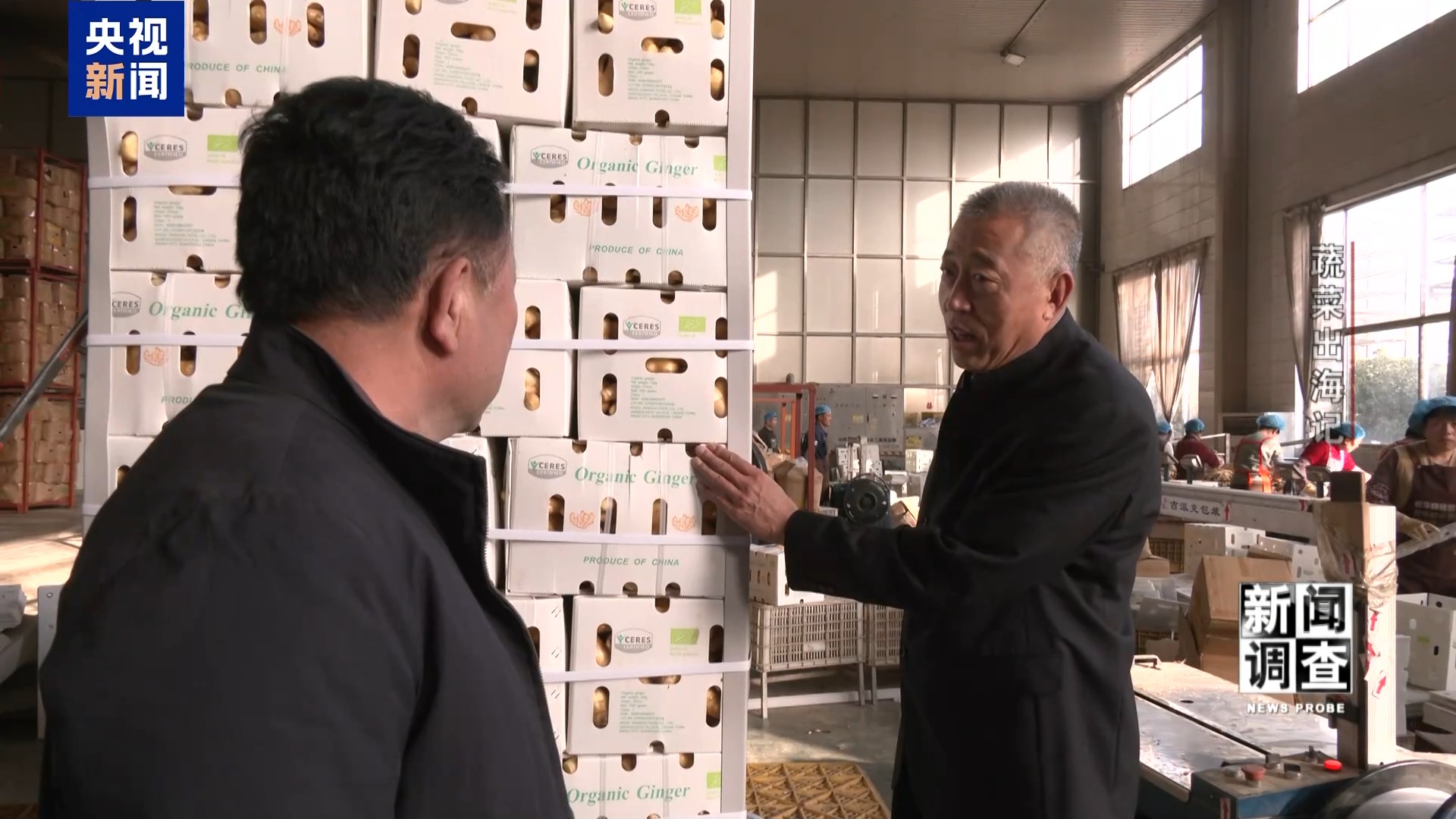
Core Insights - Anqiu City has developed into "China's No. 1 Vegetable Export County" over 30 years, with over 80% of its land used for agriculture, marking the beginning of its busiest export season after the winter solstice [1][3] - Shandong Province is the largest vegetable production and export province in China, contributing nearly 40% of the country's agricultural export value [1] Group 1: Historical Development - In 1993, the first container of fresh vegetables from Anqiu, processed by Wu Weidong, was exported to Japan, opening international markets for the region [3][4] - The first production line for agricultural processing in Anqiu was established in 1993, leading to a surge in orders following the successful export of 18 tons of ginger [6] - By 1996, Anqiu was exporting over 20 containers of green onions weekly, showcasing the rapid growth of its agricultural exports [8][7] Group 2: Challenges and Adaptations - In the early 2000s, Anqiu faced a severe export crisis due to new food safety regulations in the EU and Japan, which led to the destruction and return of non-compliant agricultural products [14][16] - The local government and businesses collaborated to establish a quality control system, including the creation of a private agricultural testing institution to meet international standards [18][19] - By 2007, Anqiu overcame the export crisis, achieving an export value of $200 million, a 30% increase from the previous year [19] Group 3: Current Status and Innovations - Anqiu now exports agricultural products to over 80 countries, with more than 170 local enterprises holding export qualifications and over 20 foreign-invested companies established [10] - The region has developed a high-standard testing and certification system, allowing it to participate in setting global vegetable trade standards [25][21] - The introduction of organic farming practices and the use of organic fertilizers have increased the proportion of organic vegetables, with a significant reduction in costs through innovative farming models [30][32][34] Group 4: Future Prospects - Young farmers with higher education are leading the new phase of agricultural development in Anqiu, utilizing modern knowledge and practices to meet market demands [34][36] - The region's agricultural exports have evolved from one container to one being shipped every eight minutes, reflecting significant growth and transformation in the industry [37]
从一村美到全域兴,潍坊安丘以产业融合激活乡村振兴内生动力
Qi Lu Wan Bao· 2025-11-27 07:39
Core Viewpoint - Anqiu City is advancing rural revitalization through a three-pronged approach focusing on industry, regional collaboration, and party leadership, leading to increased agricultural productivity and farmer income. Group 1: Industry as the Foundation - Anqiu City prioritizes strengthening agricultural industries as the core support for rural revitalization, aiming to become the first national ecological agricultural county and transition from an agricultural city to a health food powerhouse [2][3] - The ginger industry plays a crucial role, with a stable planting area of around 200,000 acres and an annual output exceeding 1 million tons, accounting for 80% of China's ginger exports [2] - The city promotes ecological and standardized ginger cultivation, establishing a health food industrial park to enhance product value and extend the supply chain [2][3] Group 2: Regional Collaboration - Anqiu has established 15 rural revitalization zones, each with unique characteristics, to promote collective development and resource sharing among villages [6][7] - The "Wenshui Yulang Huanyu Nonggang" zone has successfully integrated agricultural, health food, and cultural resources, leading to significant increases in farmer income and productivity [6][7] - The average annual income increase for farmers in the "Wenshui Yulang Huanyu Nonggang" zone is 960 million yuan, benefiting 6,400 households [7] Group 3: Party Leadership - Party leadership is essential for rural revitalization, with initiatives like the establishment of cooperative societies and joint party organizations to enhance resource integration and industry collaboration [8][9] - The "Party Branch + Cooperative + Farmer" model has been implemented to transform small plots into productive facilities, significantly increasing farmer income [8] - The integration of party leadership with agricultural development has led to the establishment of 181 joint party organizations covering 453 administrative villages, promoting shared resources and collective growth [8][9]
吃得更健康 科技范更强——展会里的乡村产业发展新动向
Xin Hua Wang· 2025-10-21 14:04
Core Insights - The 113th National Sugar and Wine Products Trade Fair and the 22nd China International Agricultural Products Trade Fair showcased new agricultural products and technologies, reflecting evolving industry trends and consumer preferences [1] Group 1: Technological Innovations - The introduction of a digital traceability system allows over 70 types of fruits and vegetables to be tracked from soil to table, enhancing food safety and quality [3] - The development of proprietary seed varieties, such as "Damo Jiaozi No. 1," demonstrates advancements in agricultural biotechnology, contributing to improved nutritional content [2] - The integration of smart management systems in livestock farming has reduced costs by over 30%, showcasing the impact of technology on agricultural efficiency [3] Group 2: Health and Consumer Trends - The rising demand for low-GI (glycemic index) foods has led to significant growth in product offerings, with sales of low-GI items increasing from under 1 million yuan to nearly 60 million yuan in just a few months [4] - Consumers are increasingly prioritizing health, as evidenced by the popularity of low-sugar bread and the demand for high-quality agricultural products with traceability [4] Group 3: New Business Models - The combination of online and offline sales strategies is transforming the agricultural market, with e-commerce and live-streaming becoming essential tools for product promotion [5] - The rural online retail market is projected to reach 2.56 trillion yuan in 2024, indicating a significant increase in digital commerce within the agricultural sector [5] Group 4: Trade Fair Dynamics - The trade fairs have evolved into comprehensive platforms that connect industry, consumers, and various business models, attracting thousands of exhibitors and professional visitors [6] - The 113th Sugar and Wine Fair attracted around 4,000 exhibitors and over 400,000 professional visitors, highlighting its significance in the industry [6]

以订单交易探索农业生态产品价值转化路径
Qi Huo Ri Bao Wang· 2025-08-18 03:02
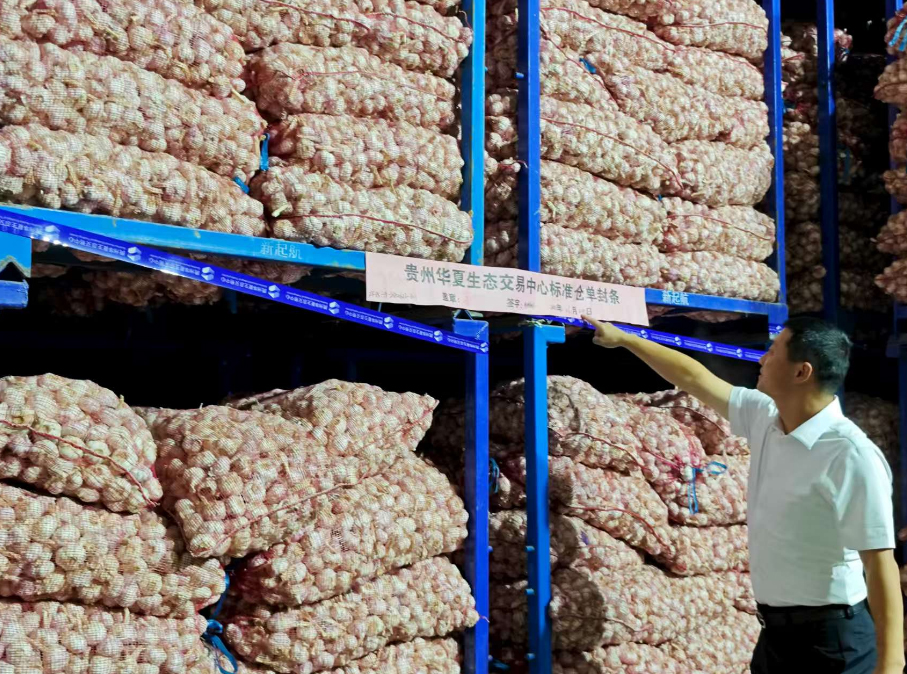
Core Insights - The Guizhou Huaxia Ecological Trading Center achieved a record-breaking garlic single-batch contract delivery volume of over 160,000 tons in August 2025, marking a significant milestone in the industry [2][3] Group 1: Delivery Process - The garlic delivery process involved over 200 participating clients from various provinces, with the delivery primarily centered in the Jinxiang production area and covering multiple key garlic-producing regions [3] - The trading center demonstrated efficient organizational and coordination capabilities to manage the large volume and dispersed delivery locations, playing a crucial role in promoting spot circulation [3][6] Group 2: Industry Context - Jinxiang County is recognized as the largest garlic processing cluster in China, with an annual processing capacity of 2 million tons, accounting for over 70% of the national total [4] - The peak season for fresh garlic harvesting and trading occurs from May to June, with the best time for dry garlic storage being July to August [4] Group 3: Quality Control and Standards - The trading center employs third-party quality inspection agencies to ensure that each batch of garlic meets platform standards before storage, with rigorous quality checks conducted across major garlic-producing areas [5] - The trading center's delivery standards align with industry practices and have gained widespread market recognition [6][12] Group 4: Order Trading Model - The order trading model addresses the challenges faced in agricultural product circulation, allowing producers and traders to publish precise purchase and sales orders on the platform [7] - This model enhances market stability by enabling producers to adjust production plans based on market demand, thus addressing resource misallocation issues [8] Group 5: Financial Innovations - The platform has established a digital warehouse management system that allows for real-time monitoring of goods, facilitating warehouse receipt financing and addressing valuation and liquidity challenges [10] - The trading center's warehouse receipts have gained recognition from local financial institutions, enabling more businesses to secure low-interest loans based on certified receipts [10] Group 6: Ecological Product Value Transformation - The trading center is focused on exploring pathways for converting ecological product values into economic benefits, aligning with national strategies for sustainable development [11][12] - The center aims to establish standardized trading rules for agricultural ecological products, ensuring fair and transparent transactions while promoting the entire supply chain from production to sales [12]
山东青岛西海岸新区市场监督管理局关于2025年6月份食品安全抽检结果公示(2025年第5期)
Zhong Guo Zhi Liang Xin Wen Wang· 2025-08-14 07:29
Summary of Key Points Core Viewpoint The Qingdao West Coast New Area Market Supervision Administration has published the results of food safety inspections conducted in June 2025, highlighting various non-compliance issues related to food safety standards. Group 1: Inspection Results - The inspection revealed multiple food products that failed to meet safety standards, including excessive levels of harmful substances such as lead (Pb) and cadmium (Cd) [1]. - Specific products listed as non-compliant include various agricultural products contaminated with pesticides and heavy metals, indicating potential risks to consumer health [1][2]. Group 2: Regulatory Actions - The announcement serves as a public notice to ensure transparency and accountability in food safety practices within the region [1]. - The Market Supervision Administration emphasizes its commitment to enforcing food safety laws and regulations to protect public health [1][2]. Group 3: Implications for the Industry - The findings may lead to increased scrutiny and regulatory actions against food producers and suppliers in the Qingdao area, potentially impacting their operations and market reputation [1][2]. - Companies in the food industry may need to enhance their quality control measures to comply with safety standards and avoid penalties [1][2].
山东打出“组合拳” 推动外贸企业“精准出海”
Zhong Guo Xin Wen Wang· 2025-07-14 21:25
Group 1 - Shandong Hengfa Hygiene Products Co., Ltd. participated in 7 trade shows this year, achieving a transaction of approximately $100,000 for adult diapers at the International Medical Equipment Exhibition in June [1] - The city of Linqing is actively promoting foreign trade development through a three-tiered mechanism involving government, associations, and enterprises, and has established an overseas warehouse in Djibouti to support over 50 local companies [1] - Shandong's export value is projected to exceed 2 trillion yuan in 2024, with a 7.6% year-on-year growth in imports and exports in the first four months of this year [1] Group 2 - Jianzhen Special Vehicle Manufacturing Co., Ltd. has secured orders exceeding 70 million yuan for the first quarter of 2025, with products being exported to Kazakhstan and Uzbekistan [2] - The economic development zone in Yuncheng provides targeted support for enterprises, facilitating customs clearance and financing to help them navigate international markets [2] - Anqiu City has developed a real-time query platform for international agricultural product standards, covering 53 countries and over 1,300 standards, aiding local companies in exporting to emerging markets [2][3] Group 3 - Huihai Food Company has successfully exported products like ginger and cabbage to Japan, generating over 30 million yuan in annual revenue, thanks to a platform that helps navigate technical trade barriers [3] - The city of Jiyuan has organized participation in international trade fairs to enhance brand visibility and has cultivated over 100 foreign trade enterprises across various sectors [4] - Shandong Huaze Electric Co., Ltd. focuses on high-end precision processing and exports around 200,000 vacuum cleaners annually to markets in Europe, America, and Australia [5][6]
广西崇左市市场监督管理局食品安全“你点我检”专项抽检信息通告(2025年第2期)
Zhong Guo Zhi Liang Xin Wen Wang· 2025-07-08 08:47
Summary of Key Points Core Viewpoint - The Chongzuo Market Supervision Administration conducted a food safety inspection, revealing that out of 390 samples tested, 378 were compliant while 12 were found to be non-compliant, indicating a need for improved food safety measures in the region [2][3]. Group 1: Inspection Results - A total of 390 food samples were randomly selected for inspection, with 378 passing and 12 failing the safety standards [2]. - The non-compliant products were identified, and the relevant production and operation units were instructed to take corrective actions [3]. Group 2: Follow-up Actions - The Chongzuo Market Supervision Administration has mandated local regulatory bodies to investigate the non-compliant samples, including tracing the batches, quantities, and distribution of these products [3]. - Measures such as product recalls and removal from shelves have been implemented to mitigate risks associated with the non-compliant products [3]. Group 3: Consumer Guidance - Consumers are advised to purchase food from reliable sources and to check packaging for essential information such as production dates, expiration dates, and compliance labels [3]. - The public is encouraged to report any food safety issues and to stay informed about inspection results [3].