
冬藏

Search documents
大寒节气至 养生正当时
Xin Lang Cai Jing· 2026-01-20 00:24
Group 1 - The core idea of the article emphasizes the importance of traditional Chinese medicine (TCM) principles for health maintenance during the cold season, particularly focusing on the "Dahan" solar term, which is characterized by extreme cold and various health issues [2][5] - The article outlines the health risks associated with cold weather, including respiratory diseases and circulatory issues, and suggests that maintaining warmth and protecting the body's Yang energy is crucial [3][4] - Dietary recommendations include consuming warming foods such as lamb, beef, longan, and red dates, as well as traditional dishes like "Laba congee," which is rich in nutrients and aligns with the principle of "winter storage" [3][4] Group 2 - The article advocates for proper sleep and lifestyle adjustments, suggesting a routine of sleeping before 10 PM and waking after sunrise to avoid cold exposure and conserve Yang energy [4] - It highlights the need for tailored health strategies for different demographics, such as the elderly, children, office workers, and chronic disease patients, emphasizing specific dietary and activity recommendations for each group [4] - The article concludes by reinforcing the idea that following TCM principles can help individuals prepare for a healthier year ahead by addressing seasonal health challenges [5]

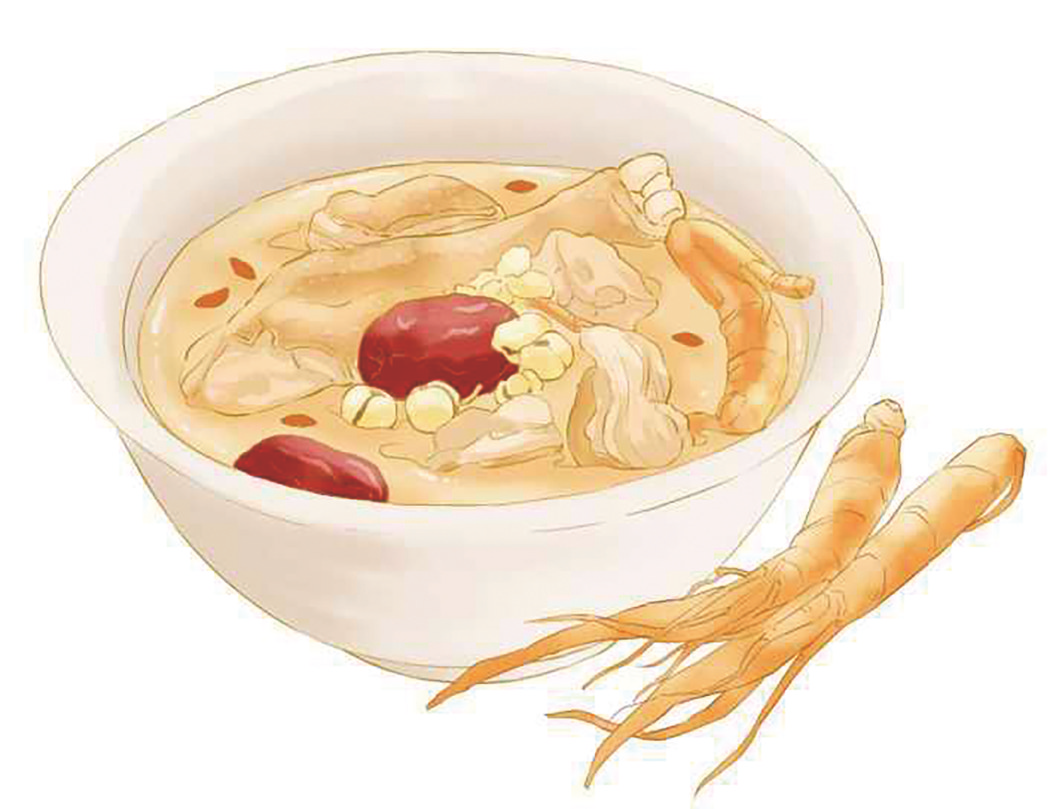
寒冬时节话冬藏
Xin Lang Cai Jing· 2026-01-08 20:05
Group 1 - The article reflects on the significance of winter as a time for introspection and preparation, emphasizing the importance of storing resources and nurturing one's well-being during the cold months [1][2][3] - It highlights traditional practices such as preparing heating materials like coal and firewood, which were essential for warmth and cooking during winter [2][3] - The article also discusses the importance of preserving vegetables for winter, detailing methods like using root cellars to store produce such as cabbage, radishes, and potatoes [3][4] Group 2 - The narrative illustrates the cultural and emotional aspects of winter, portraying it as a season for reflection and the accumulation of knowledge, contrasting the quietness of winter with the anticipation of spring [1][4] - It describes the process of making coal cakes, emphasizing the balance required in the mixture of coal and clay for effective burning, which reflects traditional craftsmanship [2][3] - The article conveys a sense of nostalgia and appreciation for life during winter, encouraging a mindset of gratitude and hope for the future [4]
冬藏的节奏
Xin Lang Cai Jing· 2026-01-01 16:39
Core Perspective - The article emphasizes the rhythm of winter storage, highlighting the importance of timing and patience in the processes of preserving food and preparing for the colder months [1][2][3][4][5] Group 1: Food Preservation Techniques - The mother’s method of pickling vegetables, such as leeks and winter cauliflower, relies on specific weather conditions, like the first frost and the arrival of light snow, to enhance flavor and texture [1][2] - The father’s technique for making sweet potato chips involves allowing freshly harvested sweet potatoes to dry and "concentrate" their sweetness before processing, reflecting a careful and methodical approach [3] - The timing of slaughtering livestock, such as ducks and pigs, is crucial, with specific days chosen to ensure optimal flavor and freshness for winter celebrations [4] Group 2: Seasonal Changes and Personal Reflection - The transition from drinking green tea in summer to red tea in winter symbolizes a shift towards deeper reflection and warmth during the colder months [5] - The article describes a change in daily routines, such as walking in the afternoon sun instead of the cooler evening, illustrating a slower, more contemplative pace of life in winter [5] - The overall theme of winter storage is portrayed as a time for nature and individuals to pause, reflect, and prepare for the future, emphasizing the importance of internal growth and stability [5]
什么是“冬藏”? 专家讲解冬季养生三要点
Ren Min Wang· 2025-12-17 03:09
Core Viewpoint - The National Administration of Traditional Chinese Medicine held a press conference focusing on winter health promotion through traditional Chinese medicine, emphasizing the importance of "winter storage" for health maintenance during the winter season [1] Group 1: Principles of Winter Health - The core principle of winter health in traditional Chinese medicine is "winter storage," which involves nurturing the body's foundational energy and preserving Yang energy during the cold season [1] - "Winter storage" consists of two main aspects: nurturing the kidneys to store essence and preserving energy to prevent the depletion of Yang energy due to cold weather [1] Group 2: Daily Practices for Winter Health - In terms of diet and daily routine, it is recommended to create a warm internal environment by consuming warming foods such as beef, mutton, longan, walnuts, black sesame, goji berries, ginger, and jujube, while avoiding cold and raw foods [1] - The daily routine should include going to bed early and waking up later to avoid the coldest morning hours, thus preserving Yang energy [1] Group 3: Exercise and Emotional Well-being - For exercise, gentle activities like Tai Chi, Baduanjin, yoga, and light walking are encouraged to avoid excessive sweating and energy depletion [2] - Emotional well-being can be maintained through reading and meditation to keep the mind calm and prevent emotional fluctuations that could lead to energy loss [2] Group 4: Cold Protection and Warmth Maintenance - Maintaining a comfortable indoor temperature between 18-22 degrees Celsius is advised, along with regular ventilation to prevent large temperature differences [2] - Specific body parts should be kept warm, such as wearing hats and scarves outdoors and soaking feet in warm water at night to ensure warmth in key areas [2]
关口前移,守好冬季健康防线
Liao Ning Ri Bao· 2025-12-17 01:37
Core Viewpoint - The article emphasizes the increased risk of respiratory infections and other health issues during the winter season, highlighting the importance of preventive measures and health education [1][2]. Group 1: Respiratory Diseases - The overall trend of respiratory infectious diseases in the province is dominated by influenza virus activity, which has shown a decreasing trend but still requires vigilance [1] - Experts provide scientific prevention and treatment suggestions for influenza, emphasizing the importance of antiviral treatment and avoiding unnecessary antibiotic use [1] - Traditional Chinese medicine suggests enhancing resistance and avoiding external pathogens through lifestyle adjustments, dietary changes, exercise, emotional regulation, and specific health practices [1] Group 2: Chronic Respiratory Conditions - Patients with chronic respiratory diseases such as COPD and asthma should focus on airway warmth, proper medication use, and self-monitoring to prevent acute episodes [2] - COPD has been included in the national basic public health service project, recommending a tiered diagnosis and treatment approach [2] Group 3: Mental Health - Experts address common winter-related emotional fluctuations, worsening psychological symptoms, and insomnia, providing systematic psychological adjustment and intervention methods [2] - The provincial health commission emphasizes a preventive approach and proactive measures as core strategies to strengthen public health defenses and ensure community health [2] Group 4: Health Education Initiatives - The provincial health commission aims to improve the 24 solar terms health science popularization system to enhance the dissemination of health knowledge and services [2] - The goal is to shift health work from a disease-centered approach to a people-centered approach, improving the health literacy of the entire population [2]