
阳台光伏

Search documents
小场景阳台光伏能撬动怎样的大变革?
Jing Ji Ri Bao· 2026-02-28 02:08
Core Insights - The balcony photovoltaic (PV) market is rapidly growing, with over 1 million registered systems in Germany, driven by rising electricity prices and low entry barriers for consumers [1] - In China, despite stable energy supply and low residential electricity prices, the demand for balcony PV is increasing due to the growing electricity needs of small and medium-sized businesses [2] - The shift from large-scale solar installations to smaller, consumer-oriented balcony PV systems represents a significant change in the solar industry, focusing on user experience and ease of installation [2] Market Dynamics - European electricity prices have risen by over 50% since 2022, prompting residents to adopt balcony PV systems to mitigate costs [1] - In China, the widening gap between peak and valley electricity prices, along with the introduction of peak and valley pricing mechanisms, creates a favorable environment for balcony PV adoption [2] - The potential market for balcony PV in China is estimated to exceed 100 million kilowatts if 20% of households install an 800-watt system [3] Technological Advancements - Technological improvements, such as enhanced micro-inverter efficiency and decreasing component prices, are shortening the payback period for balcony PV systems [3] - The integration of energy storage solutions is also contributing to the convenience and efficiency of these systems [3] Consumer Engagement - Balcony PV serves as an entry point for consumers to engage with renewable energy, fostering a greater understanding and acceptance of low-carbon technologies [4] - The experience of generating electricity, even in small amounts, can significantly alter consumer perceptions of energy [4] Industry Outlook - The balcony PV trend indicates that the solar industry can thrive in diverse market segments, not just large-scale installations [4] - Companies are encouraged to focus on user needs and adapt their business models to promote the adoption of balcony PV systems, contributing to a greener future [4]
创维集团创始人黄宏生:38年只做“电”这一件事,从造“用电”的机器,到干“发电”的生意|2026商业新愿景
Jing Ji Guan Cha Wang· 2026-02-12 16:09
Core Insights - The global geopolitical and economic shifts have created significant pressure on businesses and households, leading to a more divided world where traditional market expansion strategies face unprecedented challenges [2][3]. Group 1: Challenges and Strategies - Companies must adapt their overseas expansion strategies to focus not only on market share but also on benefiting local economies and building trust with local partners [3][4]. - The traditional aggressive market penetration approach of Chinese companies is encountering resistance, necessitating a shift towards a "mutual benefit" model that emphasizes local workforce development and technology transfer [4][5]. Group 2: Technological Innovation - The company has initiated the "AI Living Room Revolution," leveraging data from 200 million households to enhance user experience through proactive AI applications, moving beyond traditional command-based smart appliances [6][12]. - The lack of integration of smart technology in products has been identified as a critical factor in the decline of major Japanese electronics firms, serving as a warning for Chinese companies to innovate [5][6]. Group 3: Energy Sector Expansion - The company's photovoltaic business now accounts for one-third of its revenue, reflecting a strategic pivot into the energy sector, utilizing existing manufacturing and distribution capabilities [7][9]. - The focus will extend to energy storage solutions in 2026, with an emphasis on optimizing energy usage through AI algorithms that can manage electricity pricing effectively [10][11]. Group 4: Health and Well-being - The company is exploring the automotive sector with a focus on creating vehicles that provide a "mobile rest space," addressing the health concerns of a significant portion of the population [12]. - The overarching goal across all sectors—home appliances, energy, and automotive—is to enhance human health and quality of life [12]. Group 5: Future Outlook - Companies must prioritize technological innovation, remain humble in strategy, and focus on results to navigate uncertainties in 2026, ensuring they are rooted in user needs and global partnerships [13].

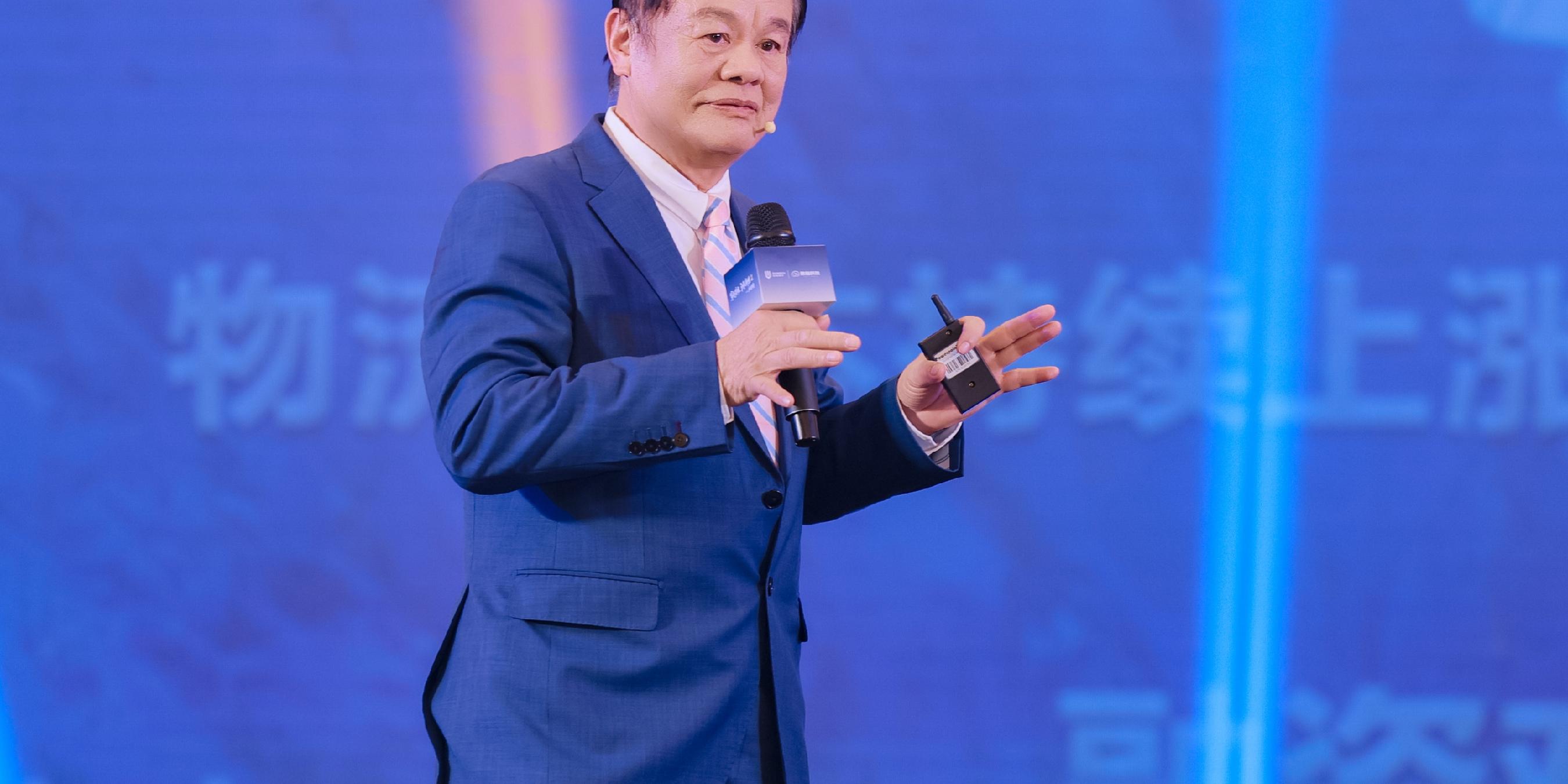
创维集团创始人黄宏生:38年只做“电”这一件事,从造“用电”的机器,到干“发电”的生意
Jing Ji Guan Cha Wang· 2026-02-12 16:08
Core Insights - The global geopolitical and economic shifts have created significant pressure on businesses and households, leading to a challenging environment for both industrial and financial sectors [1] - The traditional aggressive market expansion strategies of Chinese companies are facing unprecedented obstacles, necessitating a shift towards a more symbiotic approach that benefits local economies [1][2] - The decline of Japanese electronics giants serves as a warning for Chinese companies to embrace smart technology and software integration to remain competitive [3][4] Group 1: Business Strategy - The company has adopted a "altruistic value symbiosis" approach, focusing on local partnerships and retaining local workforce while establishing R&D centers in foreign markets [1] - The company has acquired factories in South Africa and Indonesia, emphasizing the importance of contributing to local industrial capabilities and technology standards [1] - The company is leveraging its user data from 200 million households to drive its AI initiatives, aiming to create smart appliances that proactively respond to user needs [5] Group 2: Industry Trends - The company's solar energy business now accounts for one-third of its revenue, showcasing a strategic pivot towards renewable energy [6] - The company has built over 800,000 household power stations in five years, targeting markets with high electricity prices and significant unmet energy needs [7] - The company plans to expand into the energy storage sector, utilizing AI algorithms to optimize energy usage and profitability for users [8] Group 3: Future Outlook - The company emphasizes the importance of being rooted in user needs, technological innovation, and global partnerships to navigate uncertainties in the coming years [8] - The company is exploring the automotive sector, focusing on health and wellness features in vehicles to address the needs of a large population facing health challenges [8]
【百强透视】96%溢价豪礼!创维“一拆一退”,光伏独立上市引爆股价
Sou Hu Cai Jing· 2026-01-21 06:05
Core Viewpoint - Skyworth Group has announced a dual plan for privatization and the spin-off of its solar business, aiming to provide shareholders with a combination of cash and high-growth equity, while also signaling a strategic shift from traditional home appliances to renewable energy [2][3]. Summary by Sections Privatization and Spin-off Plan - The plan involves two main steps: first, Skyworth intends to independently list its solar business on the Hong Kong Stock Exchange, distributing shares to existing shareholders at a ratio of approximately 0.37 shares of solar business for each Skyworth share held, with a theoretical value of about HKD 6.13 per share [3][6]. - Simultaneously, the company will implement privatization, offering shareholders a choice between receiving HKD 4.03 in cash or one share of the newly privatized company [3][5]. Shareholder Returns - Shareholders opting for the cash option will receive a total return of approximately HKD 10.16, representing a premium of 96.15% over the last closing price of HKD 5.18 prior to the announcement [5][6]. Business Transition - The move reflects the necessity for traditional home appliance businesses to adapt amid pressures from declining demand and increased competition, with Skyworth's smart home appliance revenue facing growth limitations [9][11]. - The solar business has emerged as a key growth driver, with revenue from this segment reaching HKD 138.36 billion in the first half of 2025, a significant increase of 53.5% year-on-year, and accounting for over 38% of total revenue [11][13]. Future Strategic Plans - The spin-off of the solar business is seen as the first step in a broader strategy, with plans to eventually list other segments such as energy storage and automotive electronics, aiming to create a renewable energy industry cluster [13].

创维集团创始人黄宏生:光伏收入已超电视,“寻找下一个增长点”
经济观察报· 2026-01-13 12:10
Core Viewpoint - The Chinese home appliance industry is at a crossroads, facing declining domestic market demand while seeking new growth opportunities in renewable energy, particularly solar power, which is expected to surpass traditional television business revenue for companies like Skyworth by 2025 [2][3][5]. Group 1: Market Conditions - The Chinese TV market saw a retail volume decline of 2.9% year-on-year in the first three quarters of 2025, with a significant drop of 12.1% in the third quarter [2]. - The global restructuring of supply chains and rising trade barriers are challenging traditional home appliance giants, pushing them to seek new revenue streams [2]. Group 2: Skyworth's Business Strategy - Skyworth's solar business is projected to account for one-third of its revenue, with expectations that it will exceed TV revenue for the first time in 2025 [5]. - The company has strategically entered the solar market by focusing on household distributed solar solutions rather than competing with industry giants in large-scale projects [5][6]. - Skyworth's solar products are designed to be user-friendly and integrated into existing household systems, such as the "balcony solar" solution for urban residents [8]. Group 3: International Expansion - Skyworth is targeting international markets, particularly in Europe, South America, and Africa, where electricity prices are significantly higher than in China, creating a strong demand for solar solutions [6][7]. - The company has adopted a strategy of acquiring established local brands to mitigate geopolitical risks and enhance its market presence abroad [23]. Group 4: AI Integration and Product Development - Skyworth views AI as a critical component of its product offerings, focusing on practical applications that address consumer needs rather than speculative technologies like humanoid robots [9][15]. - The company is developing AI-enabled products that enhance user experience and promote family interaction, such as the "AI sports box" [15]. Group 5: Financial Performance and Challenges - Despite the rapid growth of the solar business, Skyworth's net profit for the first half of 2025 decreased by 67.4% year-on-year, indicating challenges in transitioning between old and new business models [27]. - The company is navigating rising costs, particularly in storage chips, which impact the affordability of AI features in lower-end products [17]. Group 6: Future Outlook - The founder of Skyworth, Huang Hongsheng, remains actively involved in the company's direction, emphasizing the need for continuous innovation and adaptation to survive in a competitive global market [28].
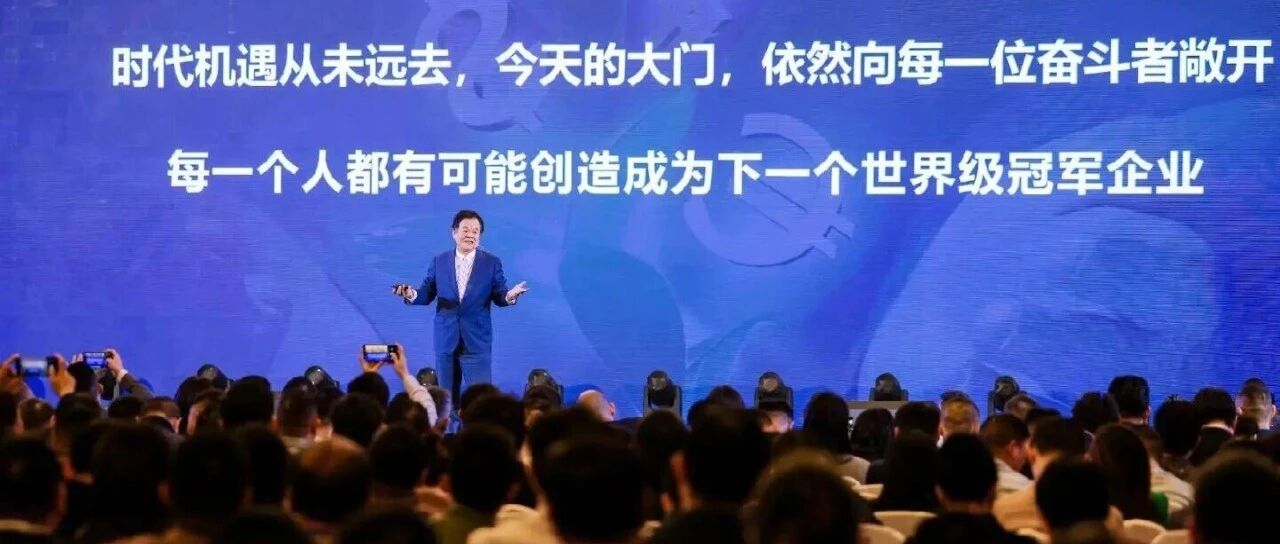
创维集团创始人黄宏生:光伏收入已超电视,“寻找下一个增长点”
Jing Ji Guan Cha Wang· 2026-01-13 09:37
Core Viewpoint - The Chinese home appliance industry is at a crossroads, facing a declining domestic market while seeking new growth opportunities in renewable energy, particularly solar power, as traditional hardware sales reach a ceiling [1][3]. Group 1: Market Trends - The Chinese TV market saw a retail volume decline of 2.9% year-on-year, with a significant drop of 12.1% in the third quarter of 2025 [1]. - The revenue from the solar business of Skyworth is expected to surpass that of its traditional TV business for the first time in 2025 [1][2]. Group 2: Solar Business Development - Solar energy is estimated to contribute about one-third of Skyworth's revenue, with projections indicating that solar revenue will reach 138 billion yuan, while smart home appliances will generate 170 billion yuan [3]. - Skyworth's entry into the solar market began five years ago, focusing on household distributed solar solutions rather than competing with industry giants in large-scale projects [3][4]. Group 3: International Expansion - The CEO highlighted significant price differences in electricity between Europe and China, with European electricity prices being ten times higher, driving Skyworth's solar expansion into international markets [4][5]. - Skyworth aims to export its solar energy solutions to regions like the Middle East, Europe, and South America, leveraging local partnerships for project execution [5]. Group 4: AI Integration - Despite the rapid growth of the solar business, TVs remain a core brand asset for Skyworth, serving as a gateway to 200 million households [7]. - The company is focusing on integrating AI into its products, viewing it as essential for enhancing user experience and addressing specific consumer needs [8][9]. Group 5: Strategic Adaptation - Skyworth is adapting to increasing trade protectionism by acquiring established international brands, such as Funai in North America and Metz in Germany, to mitigate geopolitical risks [18][19]. - The company is also exploring differentiated market positioning in the automotive sector, targeting specific consumer needs like "deep sleep" features in its vehicles [21][24]. Group 6: Financial Performance - Despite the promising growth in solar energy, Skyworth's net profit for the first half of 2025 fell by 67.4% year-on-year, indicating challenges in transitioning between old and new business models [24].
阳台光伏创造产业新机遇
Jing Ji Ri Bao· 2025-12-02 22:00
Core Insights - The rise of balcony photovoltaic systems in China is driven by the need for lightweight distributed solar solutions suitable for urban residential and small commercial settings, offering easy installation and energy management capabilities [1][2][3] Group 1: Market Overview - Balcony photovoltaic systems are designed for urban residential and small commercial applications, featuring components like photovoltaic modules, micro-inverters, and specialized brackets, allowing for easy installation without extensive professional help [1] - The global market for balcony photovoltaic systems is expected to exceed 50 GW by 2030, with China projected to capture over 40% of this market share [3] Group 2: Competitive Landscape - Domestic companies are targeting small and medium-sized businesses rather than residential users, as commercial electricity prices are rising, creating a demand for energy-saving solutions [3] - Companies are innovating in business models by offering installment payments and revenue-sharing schemes, while also integrating sales, installation, and maintenance services to lower user entry barriers [3][4] Group 3: Technological and Application Developments - The integration of energy storage solutions is becoming mainstream in balcony photovoltaic systems, enhancing energy self-sufficiency and management through smart technologies [4] - The application scenarios for balcony photovoltaic systems are expanding beyond residential balconies to include commercial rooftops, public facilities, and outdoor camping [4] Group 4: Challenges to Scale - The promotion of balcony photovoltaic systems faces challenges such as insufficient national policies, unclear technical standards, and high installation costs, which hinder widespread adoption [6] - User concerns regarding reliability and maintenance costs, along with property management resistance, pose additional barriers to installation [6] Group 5: Recommendations for Development - It is essential to revise and simplify grid connection and approval processes, establish local collaborative mechanisms, and encourage regional adaptations to overcome installation challenges [7] - Increased investment in technology development is needed to improve the efficiency of balcony photovoltaic systems, particularly in high-rise residential settings [7]
光伏企业盯上阳台
Jing Ji Guan Cha Wang· 2025-10-17 14:31
Core Viewpoint - The balcony photovoltaic market in China is expected to see significant growth starting in 2025, driven by major companies entering the space and changing market dynamics due to new policies and consumer demand for energy solutions [2][4][9]. Industry Overview - Several leading companies, including Skyworth Photovoltaics, Zhejiang Chint, and Trina Solar, have launched balcony photovoltaic products since July 2025, indicating a shift in focus from traditional rooftop solar to more accessible solutions for consumers [2][3]. - The introduction of the "136 Document" by the National Development and Reform Commission and the National Energy Administration has prompted a need for new business models in the renewable energy sector, as traditional pricing mechanisms have changed [2][3]. Market Dynamics - The expected installation volume for balcony photovoltaic systems is projected to rise from approximately 1,000 units in 2024 to 10,000 units in 2025, and further to 100,000 units by 2026, indicating a transition from niche to mass market [4]. - The domestic market is primarily targeting small and medium-sized commercial users, such as street shops and restaurants, rather than residential consumers, which contrasts with the European market [11][12]. Consumer Insights - The typical consumer demographic for balcony photovoltaic systems in China is middle-class individuals aged 30-55, focusing on household electricity needs [7]. - The initial investment for a balcony photovoltaic system is around several thousand yuan, with a payback period of approximately three years based on current electricity prices [12][13]. Competitive Landscape - Companies are exploring flexible payment options, such as installment plans and leasing services, to make these systems more accessible to consumers [13][15]. - The integration of balcony photovoltaic products into existing home appliance distribution channels is being pursued, with companies like Midea and Haier entering the market with their own offerings [16][17]. Regulatory Environment - Despite the introduction of a mechanism price system, profitability for photovoltaic projects remains uncertain in some provinces, as evidenced by recent bidding results in Gansu Province [3][8]. - The Zhejiang Provincial Development and Reform Commission has proposed a new time-of-use pricing policy, which could further influence the demand for balcony photovoltaic systems [9][10].




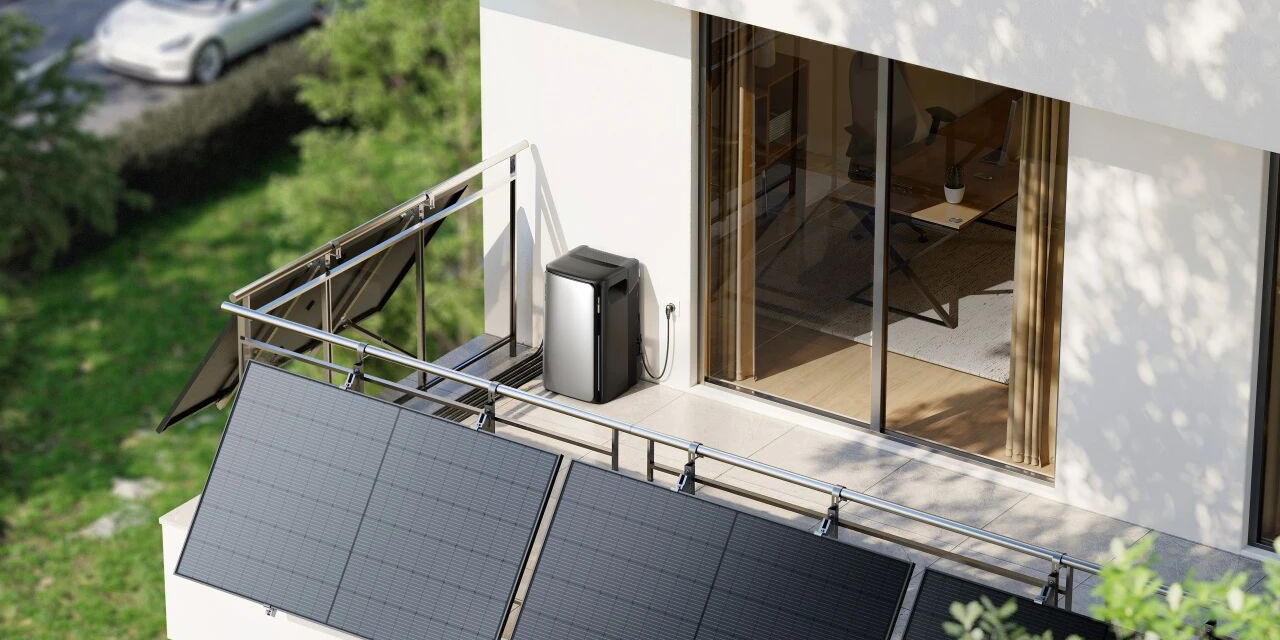
户储 - 长坡厚雪的高盈利赛道
2025-10-15 14:57
Summary of Key Points from Conference Call Industry Overview - The global residential energy storage market is expected to grow at a compound annual growth rate (CAGR) of 20%-30% over the next 3-5 years, with significant growth potential in the commercial energy storage sector due to a low base in overseas markets [1][2] - In 2024, the domestic commercial energy storage installation reached 8 GWh, with expectations for substantial growth in 2025 [1][2] Core Insights and Arguments - **Technological Trends**: Commercial energy storage is moving towards multi-port adaptability and increased single-unit power (400-500 kW), requiring high battery life and favoring brands like CATL and EVE Energy [1][3][4] - **Market Dynamics**: The boundary between residential energy storage and balcony photovoltaic systems is blurring, leading to increased competition focused on channel control and brand building [1][5] - **Regional Demand Drivers**: - European residential energy storage demand is primarily driven by economic factors, contrasting with emerging markets like South Africa, Pakistan, and Ukraine, where demand is driven by power outages [1][7] - The 2022 surge in the European market was fueled by rising natural gas prices and supportive policies, with returns exceeding 20% due to subsidies [1][8] - Current conditions in Europe show a return to normal electricity prices and subsidies, with a projected growth rate of about 10% in 2026 [1][9] Emerging Markets - Emerging markets, particularly Pakistan and Ukraine, showed strong demand in 2024, driven by electricity shortages, although demand in Pakistan weakened in the latter half of the year [1][10] - Australia implemented residential energy storage subsidies in 2025, leading to a significant increase in installations, with a projected growth rate of around 40% [1][11] - Potential growth areas for emerging markets in 2026 include the Middle East, Southeast Asia, and Central Asia, with Indonesia expected to see explosive growth [1][12] Investment Opportunities - The commercial energy storage sector is in a rapid development phase domestically and just beginning overseas, presenting higher valuation potential for investors [2][17] - Companies like Airo, Deye, and Goodwe are expected to show significant growth in the commercial energy storage sector, with a projected addition of approximately 3.6 GWh in Europe in 2025 [1][17][19] - The global commercial photovoltaic market is expected to grow at a CAGR of over 25% from 2026 to 2030, indicating higher explosive potential compared to residential energy storage [1][18] Additional Important Insights - The overseas residential energy storage market maintains high profitability due to pulse demand, brand emphasis, and product iteration, with established companies benefiting from first-mover advantages [1][13] - Emerging markets focus on high-cost performance low-voltage products, while European markets prioritize brand and quality, leading to different competitive dynamics [1][14] - The visibility of demand in the residential storage sector is relatively low, relying on monthly production and shipment data, which reflects underlying order visibility issues [1][15][16]
