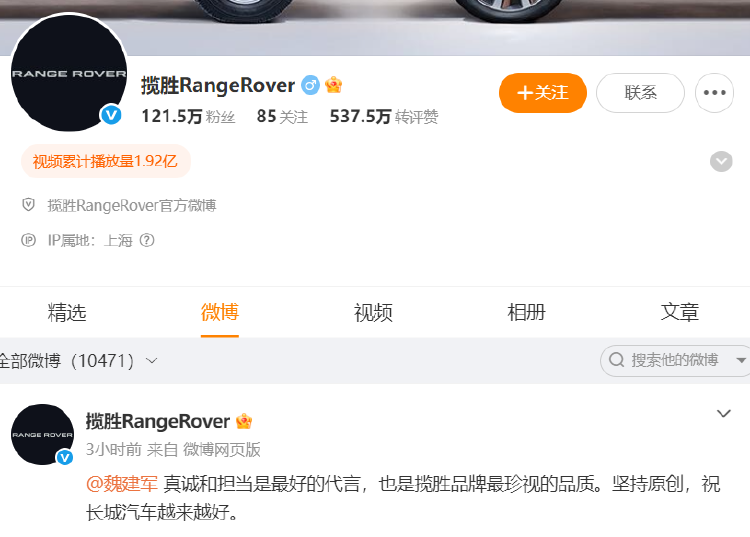
原创精神

Search documents
长城汽车海报抄袭风波:魏建军道歉后,路虎揽胜回应
Hang Zhou Ri Bao· 2026-03-07 10:38
Core Viewpoint - The incident involving Great Wall Motors' chairman Wei Jianjun's apology for plagiarism in a promotional poster for the new V9X vehicle has sparked significant public interest and discussion, highlighting the importance of originality in branding and marketing within the automotive industry [2][4]. Group 1: Incident Overview - On March 5, Great Wall Motors announced Wei Jianjun as the spokesperson for the new V9X vehicle [4]. - Following the announcement, it was pointed out by industry creators that the promotional poster closely resembled a design they created for the Range Rover Sport a year prior, leading to accusations of plagiarism [4]. - Wei Jianjun publicly acknowledged the plagiarism on March 6, apologizing to the Range Rover brand, the original designer, and the public, and accepted full legal and financial responsibility for the incident [2][3]. Group 2: Company Response and Future Actions - In his statement, Wei Jianjun emphasized that the primary responsibility for the incident lies with him due to inadequate oversight as the spokesperson [2]. - Great Wall Motors plans to reflect deeply on this incident and improve its internal management and review processes to prevent future occurrences of plagiarism [2]. - The company reiterated its commitment to originality and welcomed public scrutiny to ensure adherence to these values [2].


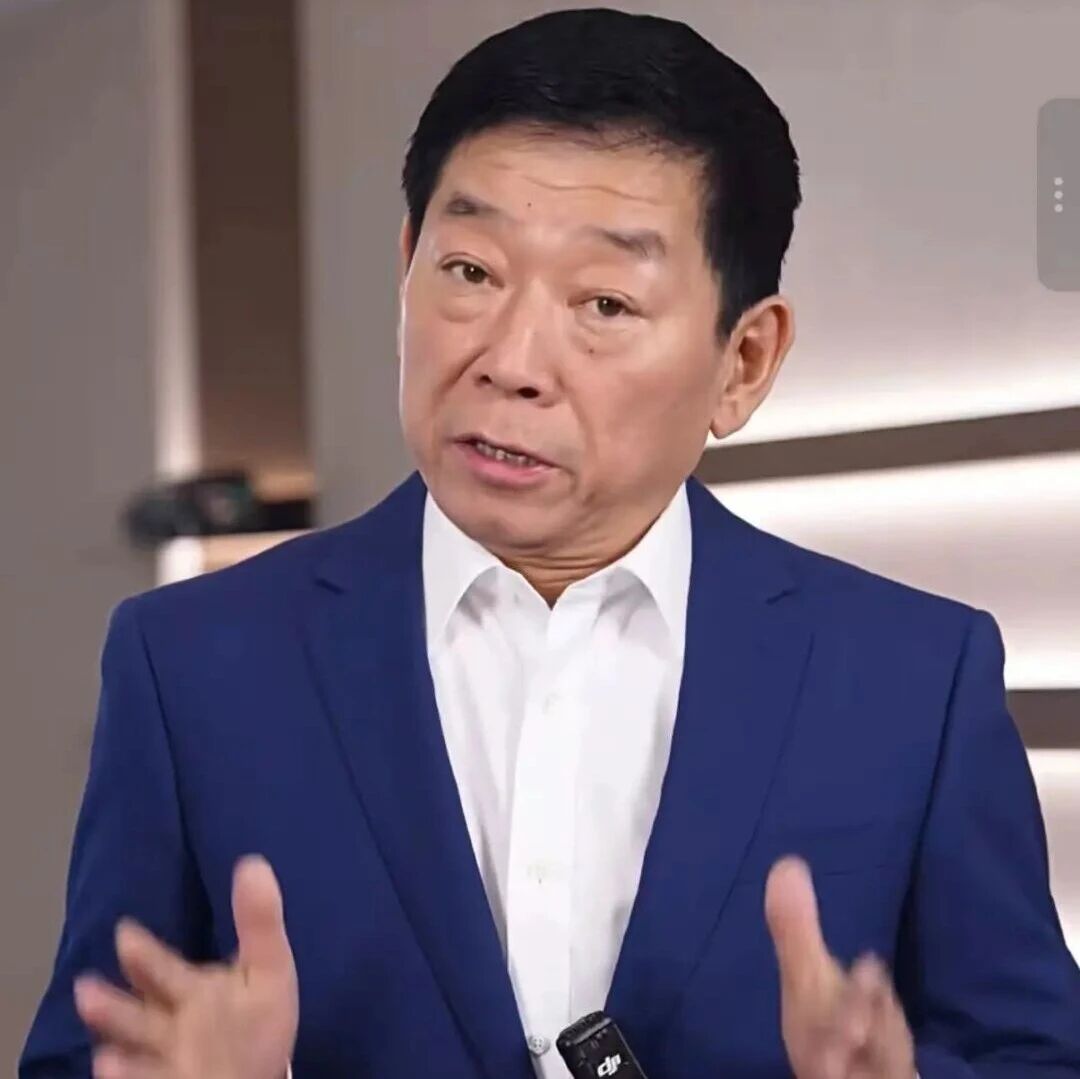
魏建军道歉
券商中国· 2026-03-06 15:05
Core Viewpoint - The recent controversy surrounding the Wei brand's new car poster, which was accused of plagiarism, led to public apologies from both the chairman of Great Wall Motors, Wei Jianjun, and the CEO of Wei brand, Zhao Yongpo, acknowledging the issue and committing to improvements in internal management and oversight [1][2]. Group 1: Apologies and Accountability - Wei Jianjun, the chairman of Great Wall Motors, publicly admitted that the Wei brand V9X promotional poster was indeed plagiarized, taking full responsibility for the oversight and apologizing to the Land Rover brand and the original creator [1]. - Zhao Yongpo, the CEO of Wei brand, also issued an apology on social media, acknowledging the serious oversight and emphasizing the importance of respecting original creative work [2]. Group 2: Internal Measures and Future Commitment - Following the incident, Great Wall Motors plans to reflect deeply and optimize its internal management and review processes to prevent future occurrences of plagiarism [1]. - Both Wei Jianjun and Zhao Yongpo reiterated the company's commitment to originality and expressed a willingness to accept public scrutiny moving forward [1][2].
魏牌新车海报被指抄袭路虎,长城汽车魏建军道歉:责任在我,把关不严
YOUNG财经 漾财经· 2026-03-06 14:32
Core Viewpoint - The recent controversy surrounding the Wei brand's new car poster, which was accused of plagiarism from Land Rover, has led to public apologies from both the chairman of Great Wall Motors, Wei Jianjun, and the CEO of Wei brand, Zhao Yongpo, acknowledging the oversight and committing to improve internal processes to prevent future incidents [2][4][5]. Group 1: Incident Overview - Wei Jianjun, the chairman of Great Wall Motors, publicly apologized for the plagiarism incident, stating that the responsibility lies with him for not ensuring proper oversight [2][4]. - The Wei brand's new car poster for the V9X was found to closely resemble the Land Rover Range Rover Sport advertisement, with significant similarities in background, positioning of figures, and vehicle angles [7]. - Zhao Yongpo, the CEO of Wei brand, also issued an apology, emphasizing the importance of respecting original creative work and acknowledging the company's failure in this instance [5][7]. Group 2: Company Background and Performance - The Wei brand was established in November 2016 and is named after its founder, reflecting Great Wall Motors' ambition to enter the high-end market [7]. - Recent sales data indicates that Wei brand sold 5,615 vehicles in February, representing a year-on-year increase of 54.13%, with a cumulative total of 13,488 vehicles sold in the first two months of the year, up 55.93% year-on-year [7]. - The Wei brand has experienced frequent leadership changes, with the shortest tenure being four months and the longest being one year and six months, indicating challenges in maintaining stable leadership [7].
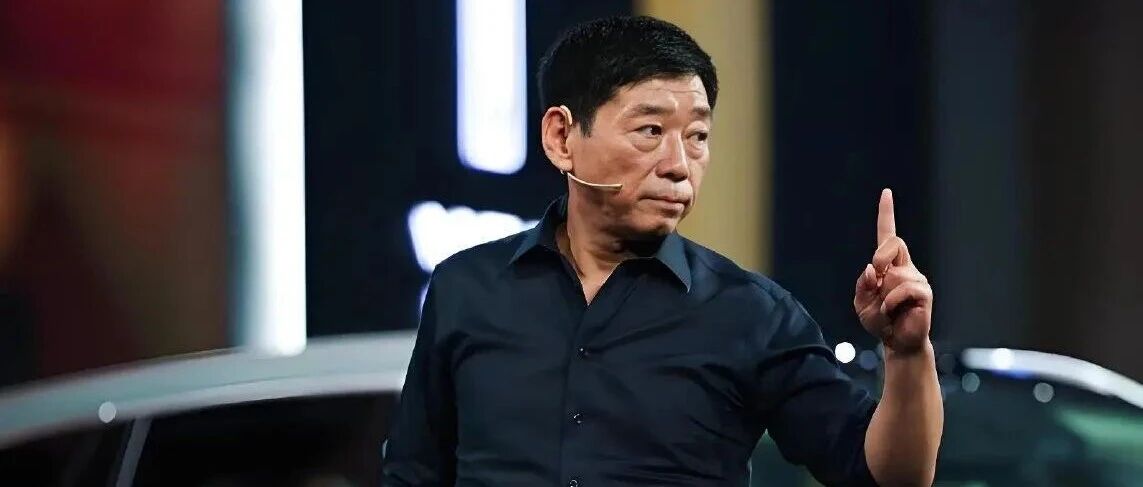
海报被指抄袭路虎,长城汽车魏建军道歉:愿承担全部法律和经济责任
Xin Lang Cai Jing· 2026-03-06 13:23
Group 1 - The chairman of Great Wall Motors, Wei Jianjun, publicly apologized for a plagiarism incident involving a promotional poster for the WEY brand's V9X SUV, acknowledging the similarities to a Land Rover advertisement [1] - The controversial poster was released on March 5, 2026, and was criticized by netizens for its resemblance to a Land Rover Range Rover Sport promotional image, leading to the term "pixel-level tribute" being used [1] - Wei Jianjun stated that both he and Great Wall Motors are willing to take full legal and financial responsibility for the incident, emphasizing the need for stricter oversight and a commitment to originality in future work [1] Group 2 - WEY, a premium brand under Great Wall Motors, was established in 2016 and has undergone several name changes, recently reverting from "WEY New Energy" back to "WEY" [2] - In February 2026, Great Wall Motors sold approximately 72,600 new vehicles, representing a year-on-year decline of 6.79%, while WEY's sales reached 5,615 units, marking a significant year-on-year increase of 54.13% [2] - On March 6, 2026, Great Wall Motors' stock closed up by 1.15%, trading at 20.19 yuan per share [2]
苏州文旅被指“洗稿”原创文章,原作者:只求公开致歉
Yang Zi Wan Bao Wang· 2026-01-22 15:04
Core Viewpoint - The article discusses a case of alleged plagiarism involving the official WeChat account of "Suzhou Culture and Tourism" and an original article by author Sheng Gongjing, highlighting the importance of respecting intellectual property rights and the implications of such actions by official institutions [2][8]. Group 1: Incident Overview - The article by "Suzhou Culture and Tourism" published on November 3, 2022, is claimed to have significant similarities to Sheng Gongjing's original work, including structure and wording [4][5]. - Sheng Gongjing expressed shock upon discovering the similarities, stating that her original article was extensively used without proper attribution, which she considers a clear case of "washing" [4][5]. Group 2: Official Response - The Suzhou Cultural and Tourism Bureau acknowledged the lack of proper citation in the article and expressed regret, confirming that the article has been removed [8][9]. - The bureau indicated that while there are many overlapping contents between the two articles, a legal determination is required to classify it as "washing" [9]. Group 3: Author's Perspective - Sheng Gongjing emphasized that the issue is not about financial compensation but rather about recognition and respect for original work, calling for an official apology from the institution involved [8]. - The author highlighted the irony of the situation, noting that the offending party is an official institution that should lead by example in respecting intellectual property [8].
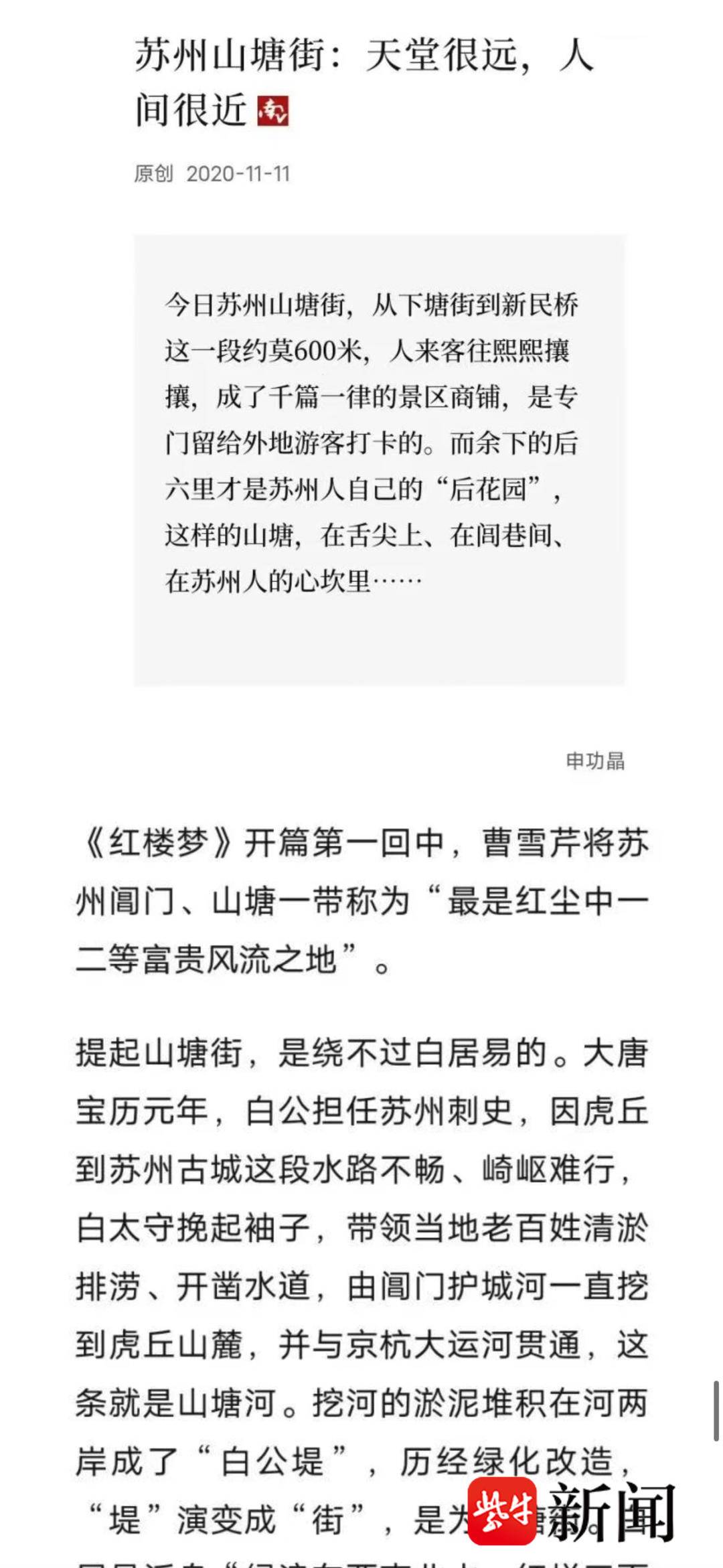
比亚迪新车发布会宣传语“撞衫” 东风日产连夜发文称“震惊”
Guo Ji Jin Rong Bao· 2026-01-09 14:11
Core Viewpoint - The controversy between BYD and Dongfeng Nissan revolves around the similarity in product presentation language during their respective vehicle launch events, particularly regarding hybrid models, which has sparked discussions about intellectual property and originality in the automotive industry [1][2][3]. Group 1: Product Launch and Controversy - BYD's 2026 Qin L DM-i model launch utilized the phrase "two kings + four twos," which closely resembles the creative language used by Dongfeng Nissan during the launch of their N6 model [2][3]. - Dongfeng Nissan's N6, the first hybrid sedan under the "Tianyan" architecture, was officially launched on December 1, with a starting price of 99,900 yuan [3]. - The "four twos" expression was previously used by Dongfeng Fengshen L8, indicating that the phrase is not exclusive to Dongfeng Nissan [3]. Group 2: Sales Performance - Dongfeng Nissan's N7 model, launched in April 2025, initially garnered attention with reports of over 20,000 pre-orders in 50 days, but its sales declined significantly, with only 5,000 units sold in total for the year, representing 8% of Dongfeng Nissan's overall sales of 600,000 units [4]. - BYD's total sales for 2025 reached 4.6024 million units, with the Qin series contributing 660,000 units, although specific model sales figures were not disclosed [3]. Group 3: Industry Insights - Industry experts view the "clash" as an opportunity for Dongfeng Nissan to gain publicity, highlighting the current transition in the electric vehicle sector from rapid growth to a focus on high-quality development [5]. - The need for automotive companies to prioritize original innovation and respect for intellectual property is emphasized, suggesting that true market success will come from technological advancements and brand building rather than short-term publicity [5].

华策影视谴责短剧跟风模仿杨紫新剧家业
Mei Ri Jing Ji Xin Wen· 2025-12-01 10:27
Core Viewpoint - The company strongly condemns the recent trend of short dramas imitating its major long drama "Family Business," asserting that such actions disrespect original creators and undermine the integrity of artistic creation [1][2][3]. Group 1: Company Statement - The company has issued a formal statement denouncing the unethical behavior of creating short dramas based on promotional materials and core creative elements of "Family Business" [2][3]. - It emphasizes that artistic creation is not merely a process of copying and pasting, and that the production of a quality long drama involves significant effort from the creative team over months or even years [2][3]. - The company plans to collect evidence of infringement and reserves the right to pursue civil compensation, administrative penalties, and even criminal liability against infringing parties under relevant laws [2][3]. Group 2: Industry Call to Action - The company calls on the entire industry to uphold the principles of originality, respect every creative achievement, and protect intellectual property rights to maintain a healthy and orderly industry ecosystem [2][3]. - It highlights that the act of imitation not only disrupts fair competition but also discourages creators and hinders the positive development of the industry [2][3].


莲花冯擎峰:坚持驾控基因 年销3万台即可实现盈亏平衡
2 1 Shi Ji Jing Ji Bao Dao· 2025-09-27 06:02
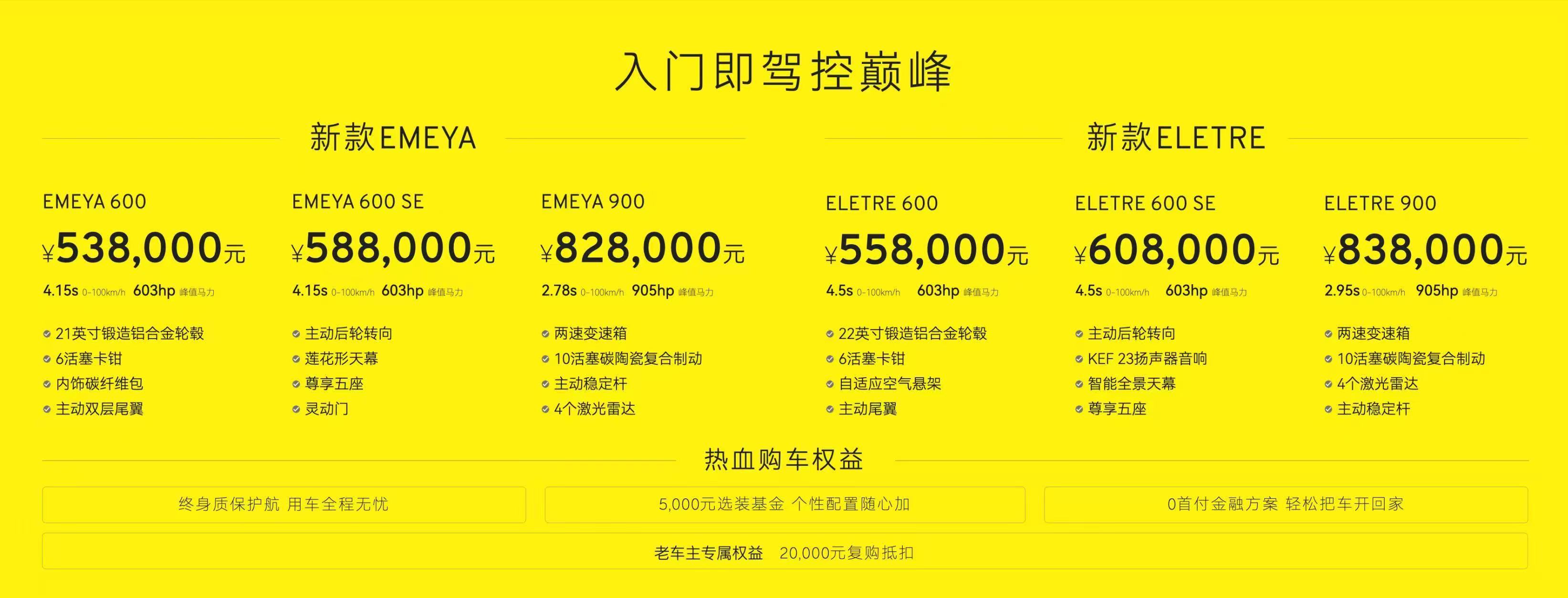
Core Insights - Lotus has launched new models EMEYA and ELETRE with starting prices of 538,000 yuan and 558,000 yuan, respectively, focusing on driving control and performance despite a price reduction from earlier versions [2] - The CEO of Lotus emphasizes the brand's competitive edge lies in "chassis intelligence," which enhances both comfort and handling through precise control algorithms [2] - Lotus has established "Qianli Intelligent Driving" in collaboration with Geely and Qianli Technology, focusing on performance and control rather than merely integrating existing intelligent driving resources [2] Pricing Strategy - The CEO acknowledges the challenge of balancing electric vehicle pricing, citing Lotus's own price adjustments from over 1 million yuan to the 800,000-900,000 yuan range [3] - The luxury electric vehicle market is under pressure, particularly in China, with Lotus aiming for breakeven at an annual sales volume of 30,000 units [3] - Lotus plans to introduce a D-class SUV by 2026-2027 and a plug-in hybrid model next year to enhance its market position [3] Product Development and Innovation - Lotus maintains a longer development cycle of 4-5 years for new vehicles, prioritizing thorough testing over rapid market entry [3] - The CEO calls for stricter regulations on data authenticity in vehicle testing to prevent fraudulent practices [3] - The launch event is seen as a tribute to originality in the automotive industry, with a call for more innovative and respected creations from Chinese brands [3] Market Expansion - The U.S. is identified as a key market for Lotus, despite high tariffs making their vehicles expensive at around $260,000 [4] - Lotus has completed product certification for the U.S. market and is exploring local production options to mitigate tariff impacts [5] - The CEO emphasizes the importance of technological innovation and brand building in the ultra-luxury segment, aiming to focus on core values rather than short-term trends [5] Strategic Balance - Lotus aims to balance maintaining its driving heritage with enhancing comfort through intelligent technology, while also striving for profitability and continued R&D investment [5] - The company seeks to navigate the challenges of the electric vehicle transition without compromising its foundational values [5]
莲花冯擎峰:坚持驾控基因,年销3万台即可实现盈亏平衡
2 1 Shi Ji Jing Ji Bao Dao· 2025-09-27 05:58
Core Insights - Lotus has launched new models EMEYA and ELETRE, with starting prices of 538,000 yuan and 558,000 yuan respectively, reflecting a downward price adjustment while enhancing focus on driving performance [1] - The CEO of Lotus emphasizes the brand's competitive edge lies in "chassis intelligence," which aims to achieve a perfect balance between comfort and handling through precise control algorithms [1][2] - Lotus has established "Qianli Intelligent Driving" in collaboration with Geely and Qianli Technology, focusing on performance and handling rather than merely integrating resources from the broader Geely system [1] Pricing Strategy - The company is adjusting its pricing strategy to balance the high costs associated with electric vehicles, citing examples from its own pricing adjustments from over 1 million yuan to the 800,000-900,000 yuan range [2] - The CEO acknowledges the challenges in achieving breakeven this year but believes that reaching an annual sales target of 30,000 units will enable profitability [2] Product Development and Innovation - Lotus plans to launch a D-class SUV by 2026-2027 and continue to develop hybrid models, while maintaining a longer product development cycle of 4-5 years to ensure thorough testing [2][3] - The CEO calls for stricter regulations on data authenticity in vehicle testing to prevent fraudulent practices, which could undermine the industry [2] Market Expansion - The U.S. market is viewed as the most promising for Lotus, despite current tariffs leading to high vehicle prices, with the company having completed product certification for the U.S. market [3] - Lotus aims to maintain its focus on driving performance and technological innovation, resisting the trend of "copycat" products in the luxury vehicle segment [3] Strategic Vision - The company seeks to balance various aspects of its business, including maintaining its driving heritage while enhancing comfort through smart technology, striving for profitability while investing in R&D, and expanding globally while addressing geopolitical risks [3]
莲花之韧:24个月造不出车,也不会造网红车
Zhong Guo Jing Ji Wang· 2025-09-25 08:03
Core Viewpoint - Lotus is committed to maintaining its focus on driving performance amidst a highly competitive and homogenized automotive market, emphasizing the importance of originality and innovation in the luxury sports car segment [1][2][12]. Group 1: Market Position and Strategy - Lotus has reintroduced its models EMEYA and ELETRE with new pricing, starting at over 500,000 yuan, while facing challenges in the Chinese market despite price increases in key markets like the US, UK, and Japan [1][2]. - The company is undergoing significant structural changes, including the integration of its UK and Chinese operations to enhance efficiency and reduce direct costs by at least 30% [2][3]. - Lotus is positioned as a global supercar brand with a 77-year history, supported by Geely, distinguishing itself from other luxury brands that are often backed by larger groups [2][3]. Group 2: Brand and Innovation - The brand has successfully reclaimed its trademark after a five-year legal battle, allowing for unified brand identity and management under Chinese leadership [5][12]. - Lotus emphasizes the need for continuous investment in technological innovation and brand building, rejecting the trend of producing "copycat" vehicles that lack sustainability [8][12]. - The company aims to produce vehicles that meet rigorous international standards, particularly in the US market, where compliance and testing processes are strictly enforced [10][12]. Group 3: Industry Challenges and Vision - The Chinese automotive market is characterized by rapid product turnover and a trend towards homogenization, which Lotus seeks to counteract by focusing on originality and the driving experience [8][12]. - Lotus acknowledges the intense competition in the automotive industry but remains committed to its principles of thorough testing and development, rejecting the notion of treating the market as an experimental ground [9][10]. - The company believes that the future of the Chinese automotive industry lies in creating original products that can earn global respect, rather than following trends of imitation [8][12].