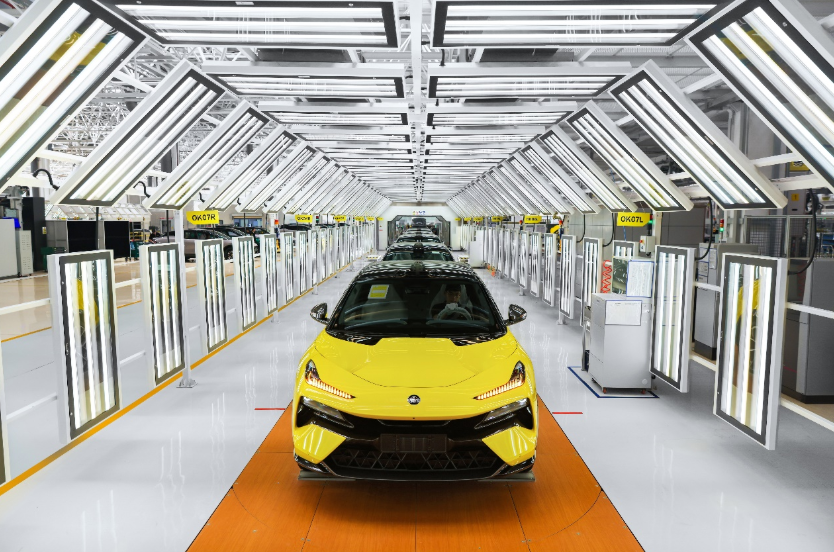
莲花ELETRE

Search documents
吉利控股集团2025年销量首破400万大关,新能源渗透率达到56%
Ju Chao Zi Xun· 2026-01-09 02:42
Group 1 - Geely Holding Group reported a total sales volume of 4,116,321 vehicles in 2025, marking a 26% year-on-year increase and achieving a historic high for the first time surpassing 4 million annual sales [2] - The group's new energy vehicle (NEV) sales reached 2,293,099 units, representing a 58% increase, with a penetration rate of 56%, indicating significant progress in electrification [2] - Geely Auto, as the core segment of the group, achieved total sales of 3,024,567 vehicles, a 39% increase year-on-year, with NEV sales soaring by 90% to 1,687,767 units, exceeding annual targets [2] Group 2 - The subsidiary brands also showed strong growth: Geely's China Star sold over 1.21 million units, achieving a 3% increase despite market competition, marking three consecutive years of over 1 million sales [2] - Geely Galaxy achieved sales of 1.24 million units, a 150% increase, surpassing the "Million Galaxy" target [2] - Lynk & Co's sales exceeded 350,000 units, a 23% increase, setting a new historical record, while Zeekr's sales reached 224,000 units, with December deliveries surpassing 30,000 units [2] Group 3 - Volvo's 2025 sales reached 710,042 units, with NEV sales of 323,294 units and a penetration rate of 46%, indicating a continued acceleration in electrification [3] - Proton's annual sales were 162,601 units, a 6.5% increase, with market share in Malaysia expected to rise to 19.4% [3] - Polestar's sales exceeded 60,000 units, with a growth of over 30%, and the launch of the new high-performance GT model Polestar 5 [3]

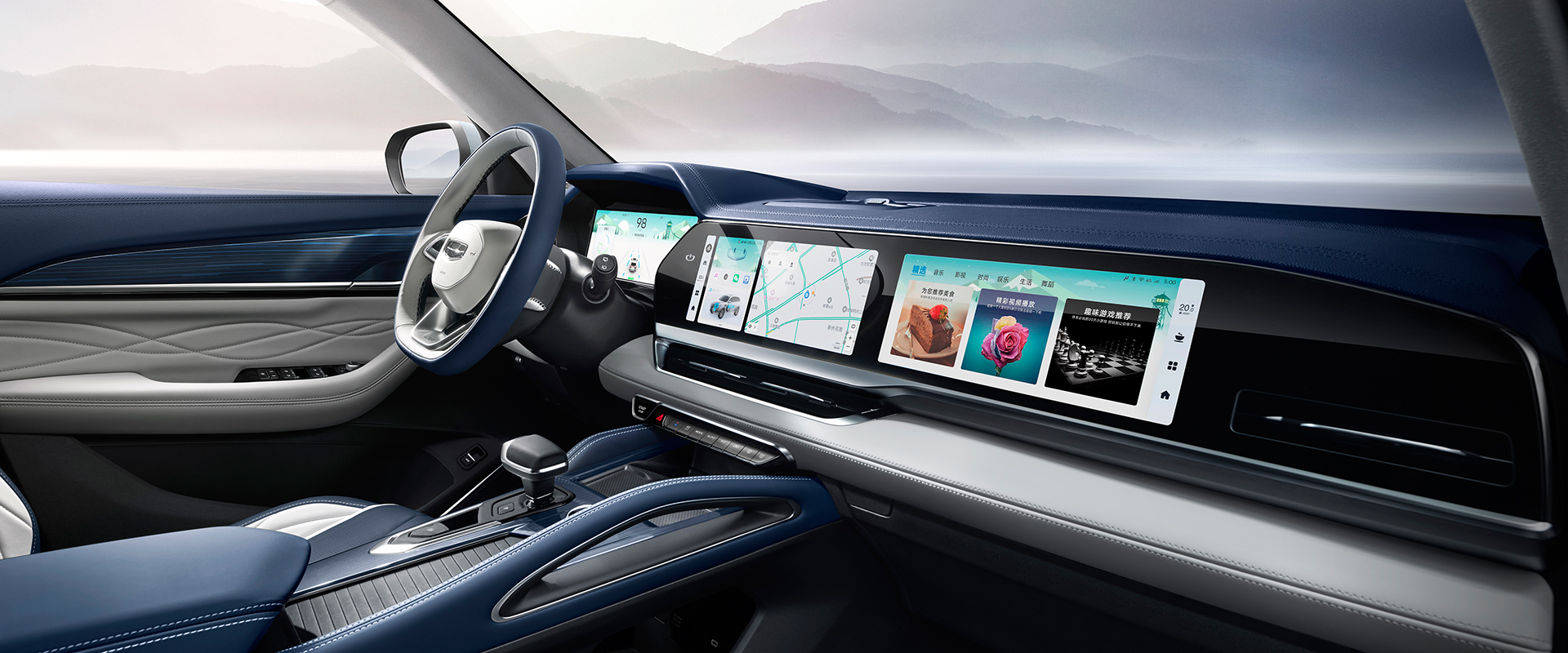
武汉汽车南下深圳获2000台订单,车谷消费券首次落地大湾区
Chang Jiang Ri Bao· 2025-11-19 12:10
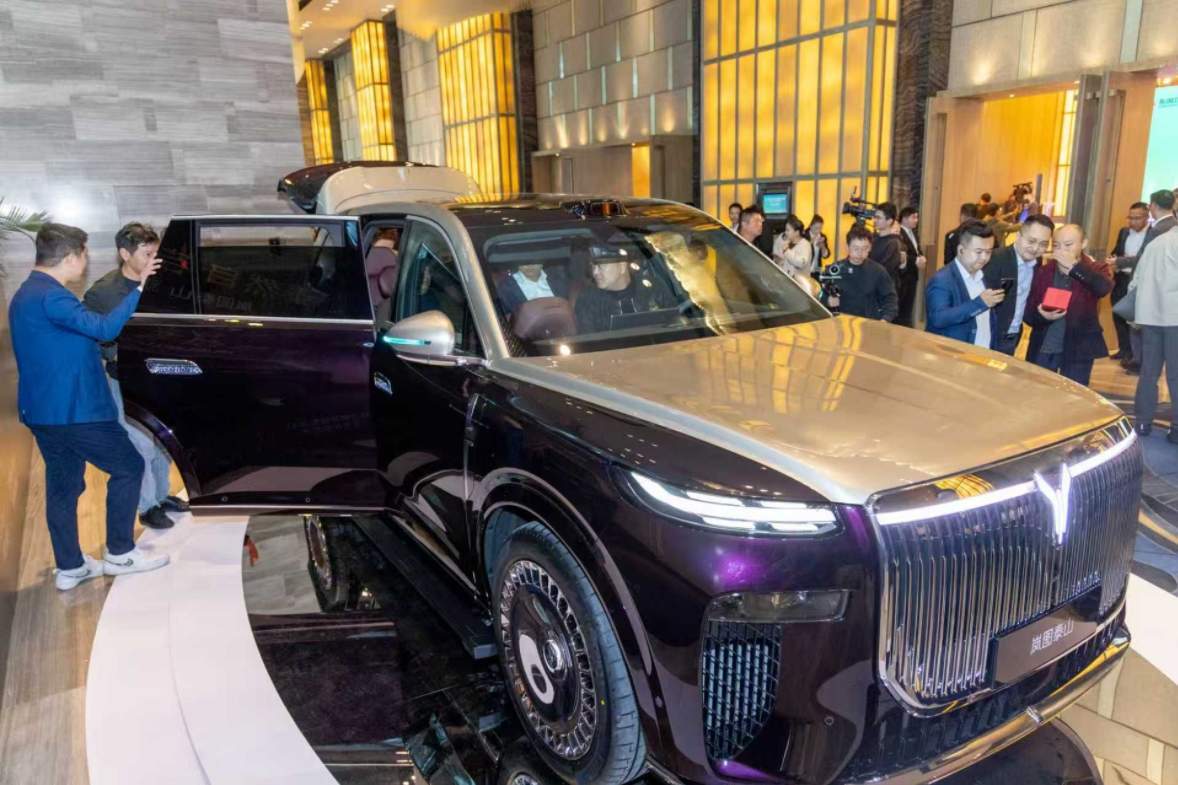
Core Points - The event "2025 Dongfeng Wanli Shenzhou Tour" was held in Shenzhen, marking the first implementation of "Car Valley" consumption vouchers in the Greater Bay Area, allowing cross-regional benefits [1][6] - A total of approximately 2,000 vehicles were ordered during the event, showcasing the strong demand for "Wuhan-made" and "Car Valley-made" vehicles [1][6] Group 1 - The event featured over ten models of Dongfeng vehicles, including the new Lantu Dreamer and Lantu Taishan, attracting significant local interest [2][3] - Consumers can enjoy subsidies ranging from 2,000 to 6,000 yuan when purchasing "Car Valley" vehicles, with the promotion running until December 31, 2025 [6] - Dongfeng's Vice General Manager emphasized Shenzhen's role as a key market for the company, highlighting its similarities with Wuhan in terms of openness and innovation [6] Group 2 - The event also showcased agricultural products from Wuhan, indicating a broader promotional strategy beyond just automotive [6] - This event marks the first time the "Dongfeng Wanli Shenzhou Tour" has entered South China, with plans for further promotions in ten major cities nationwide [6]

莲花冯擎峰:坚持驾控基因 年销3万台即可实现盈亏平衡
2 1 Shi Ji Jing Ji Bao Dao· 2025-09-27 06:02
Core Insights - Lotus has launched new models EMEYA and ELETRE with starting prices of 538,000 yuan and 558,000 yuan, respectively, focusing on driving control and performance despite a price reduction from earlier versions [2] - The CEO of Lotus emphasizes the brand's competitive edge lies in "chassis intelligence," which enhances both comfort and handling through precise control algorithms [2] - Lotus has established "Qianli Intelligent Driving" in collaboration with Geely and Qianli Technology, focusing on performance and control rather than merely integrating existing intelligent driving resources [2] Pricing Strategy - The CEO acknowledges the challenge of balancing electric vehicle pricing, citing Lotus's own price adjustments from over 1 million yuan to the 800,000-900,000 yuan range [3] - The luxury electric vehicle market is under pressure, particularly in China, with Lotus aiming for breakeven at an annual sales volume of 30,000 units [3] - Lotus plans to introduce a D-class SUV by 2026-2027 and a plug-in hybrid model next year to enhance its market position [3] Product Development and Innovation - Lotus maintains a longer development cycle of 4-5 years for new vehicles, prioritizing thorough testing over rapid market entry [3] - The CEO calls for stricter regulations on data authenticity in vehicle testing to prevent fraudulent practices [3] - The launch event is seen as a tribute to originality in the automotive industry, with a call for more innovative and respected creations from Chinese brands [3] Market Expansion - The U.S. is identified as a key market for Lotus, despite high tariffs making their vehicles expensive at around $260,000 [4] - Lotus has completed product certification for the U.S. market and is exploring local production options to mitigate tariff impacts [5] - The CEO emphasizes the importance of technological innovation and brand building in the ultra-luxury segment, aiming to focus on core values rather than short-term trends [5] Strategic Balance - Lotus aims to balance maintaining its driving heritage with enhancing comfort through intelligent technology, while also striving for profitability and continued R&D investment [5] - The company seeks to navigate the challenges of the electric vehicle transition without compromising its foundational values [5]
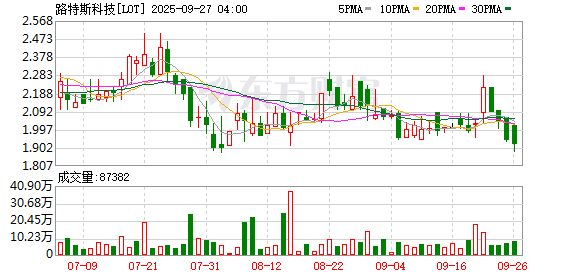
坚守驾控本色 莲花跑车的破局之道
Zhong Guo Jin Rong Xin Xi Wang· 2025-09-26 07:52
Core Insights - Lotus has launched its new models EMEYA and ELETRE, emphasizing "driving performance" as its core value amidst a market trend favoring comfort features [1][3] - The company aims to maintain its luxury brand positioning and focus on high-end driving control, distinguishing itself from competitors [3][4] Market Strategy - Lotus adopts a "narrow" market strategy, concentrating on the core area of "driving" rather than expanding its product range [3][4] - The brand's positioning alongside luxury brands like Porsche and Bentley is crucial, with a commitment to high-end performance and chassis tuning as its foundation [3][4] Financial Performance - Despite a challenging high-end automotive market, Lotus has achieved growth, with Q1 2025 gross margin recovering from 3% in 2024 to 12% [7][8] - The company reported a 31% year-on-year increase in deliveries in Q2, with global revenue rising by 35% [7][8] Technological Innovation - Lotus emphasizes its long-term investment in core technologies, focusing on a blend of mechanical excellence and digital capabilities to enhance driving experiences [8][10] - The new models feature advanced technologies such as active dual-layer spoilers and ten-piston carbon-ceramic brakes, showcasing innovation in both mechanical and digital realms [8][10] Support from Parent Company - The support from Geely Group has been pivotal, providing resources for research, production, and financial backing, including a $500 million funding commitment [10][11] - Lotus plans to leverage shared platform technologies with Geely to maintain a low breakeven point and allow for sustained investment [10][11] Global Expansion Strategy - Lotus is implementing a "One Lotus" global strategy, aiming for balanced market development across major regions [10][11] - The company is adopting localized strategies for different markets, promoting electric vehicles in Southeast Asia while focusing on racing culture in regions dominated by traditional fuel vehicles [11][12]
纯电动汽车市场向好 车企聚焦高端化转型
Zhong Guo Zheng Quan Bao· 2025-09-25 22:14
Core Insights - The Chinese electric vehicle (EV) industry is undergoing significant transformation, with a strong focus on pure electric technology, leading to increased user acceptance and profitability among major automakers [1][2] Technological Advancements - The pure electric vehicle market is experiencing robust growth, with wholesale sales reaching 736,000 units in July, a year-on-year increase of 44.8%, and 815,000 units in August, up 38.5% [1] - The average range of pure electric passenger vehicles is approaching 500 kilometers, with battery costs reduced by 30% and lifespan increased by 40% [2] - New models are showcasing improved ranges, with some exceeding 600 kilometers, and rapid charging capabilities being significantly enhanced [2] Profitability Improvements - Despite intense price competition, some companies focusing on pure electric vehicles are gradually improving their profitability, with Leap Motor achieving net profit in the first half of the year [2][3] - XPeng Motors is expected to significantly reduce its net losses in 2024 and aims for profitability by Q4 2025 [2] Market Restructuring - The charging infrastructure in China has expanded significantly, with a total of 16.696 million charging points as of July, a 53% year-on-year increase, supporting the rapid growth of new energy vehicles [3][4] - The urgency for high-end electric vehicle brands to transform is increasing, as seen in Lotus Cars' strategy to redefine its high-end positioning through electrification [4][5]

对话莲花集团CEO冯擎峰:做不到两年开发一款车 拒绝“市场即试验场”
Mei Ri Jing Ji Xin Wen· 2025-09-24 06:17
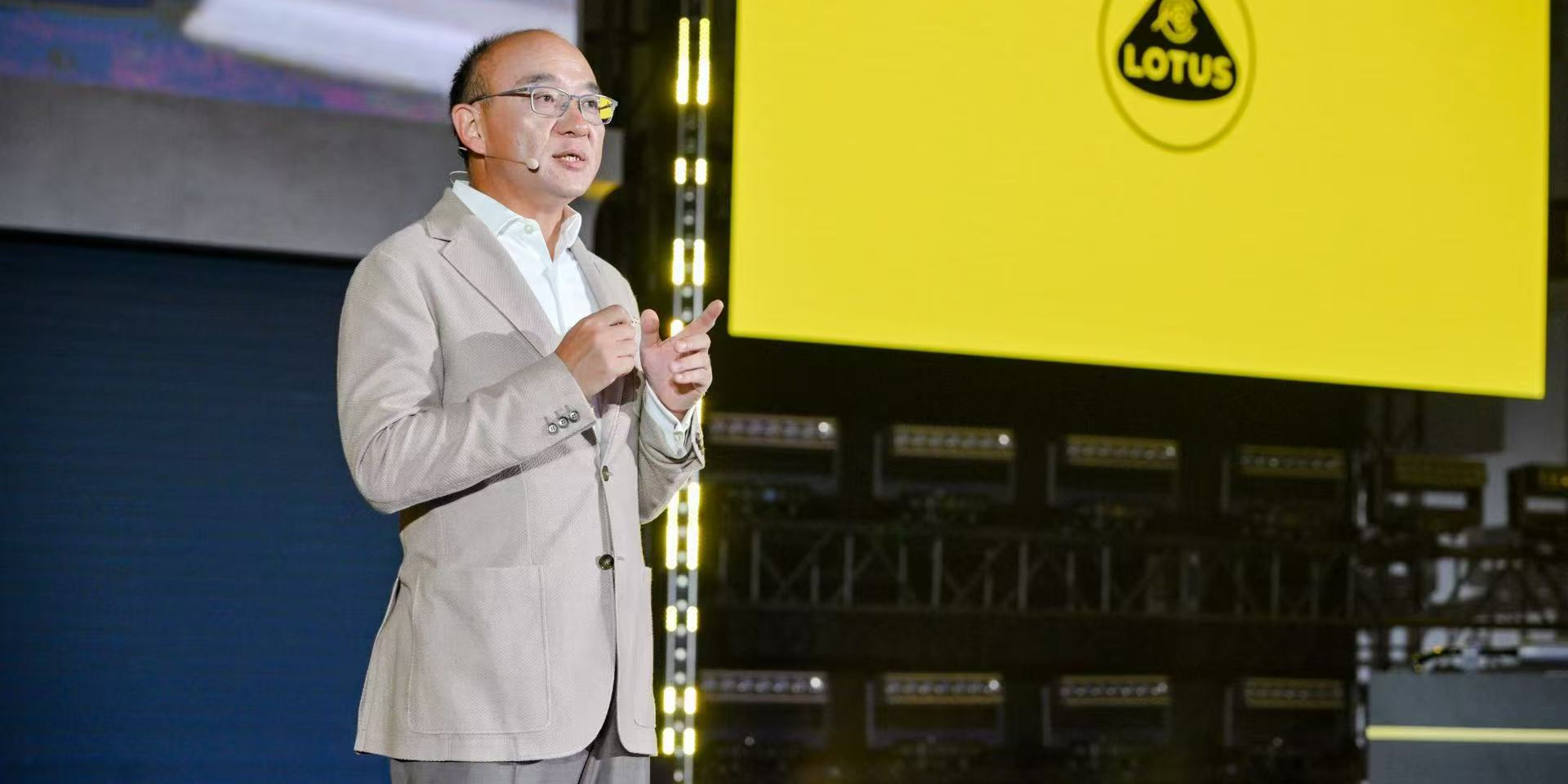
Group 1 - The global ultra-luxury car market is experiencing a downturn, particularly in China, where brands like Bentley, Rolls-Royce, Ferrari, and Lamborghini have seen significant declines in sales, with reductions of 20%, 23%, 14%, and 39% respectively in the first five months of this year [2] - The rise of domestic brands in China is providing more emotional value and features such as smart technology, which poses a challenge to traditional ultra-luxury brands that lack deep emotional engagement with users [2] - Lotus CEO emphasizes the importance of maintaining core brand values and investing in technological innovation and brand building as essential for long-term success [3] Group 2 - Lotus is launching new models, EMEYA and ELETRE, priced at 538,000 and 558,000 yuan respectively, focusing on enhancing driving experience through advanced technology [3] - The company aims to inspire more original innovation within the Chinese automotive industry, moving away from imitation and price competition [5] - The luxury car market in China is undergoing structural adjustments, with brands facing challenges in pricing and sales growth during the transition to electrification [5] Group 3 - Lotus is committed to a performance-first philosophy, prioritizing driving dynamics over comfort features, and aims to balance performance and comfort in its new models [6] - The company maintains a product development cycle of 4 to 5 years, emphasizing thorough testing to ensure quality and reliability before market release [7] - Lotus calls for a certification system in China similar to those in Europe and the U.S. to ensure comprehensive testing and accountability in the automotive industry [7]
冯擎峰的两把“尖刀”:原创与驾控
Jing Ji Guan Cha Wang· 2025-09-24 01:53
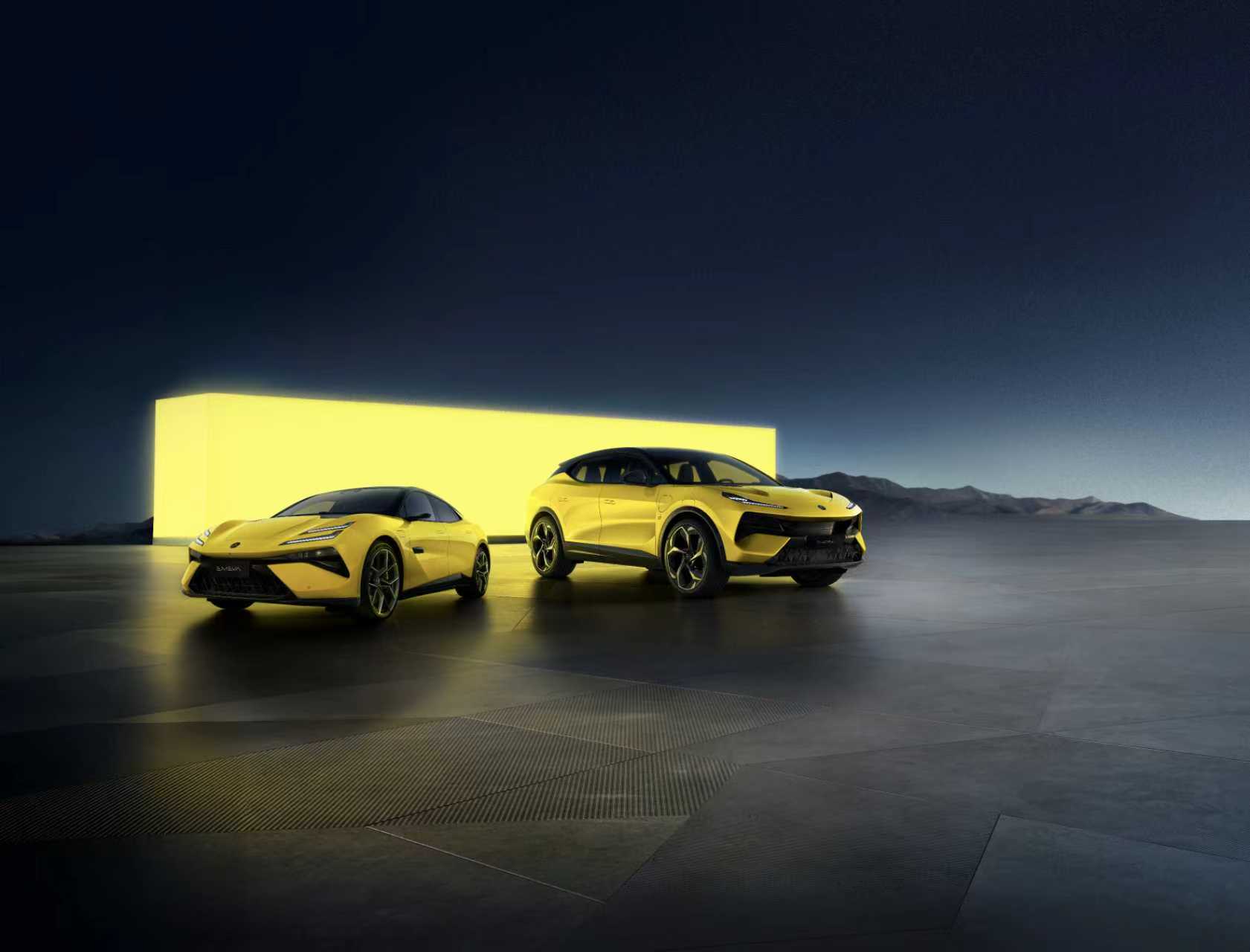
Core Insights - Lotus Cars is emphasizing originality and innovation in the automotive industry, advocating for a shift away from imitation towards creating unique, world-class products [2] - The new models EMEYA and ELETRE represent Lotus's transition from traditional combustion engines to digital electric vehicles, with starting prices of 538,000 RMB and 558,000 RMB respectively [3] - The company aims to balance driving performance and comfort through advanced technologies, rejecting the trend of merely increasing configurations without meaningful differentiation [5] Group 1: Product and Technology - The EMEYA and ELETRE feature exclusive technologies such as the world's only pure electric production active dual-layer rear wing and the first pure electric SUV active rear-wheel steering [5] - Lotus Cars is focused on enhancing vehicle controllability through AI algorithms that integrate active components for optimal performance [5] - The company plans to introduce a new hybrid technology called "Road Long" next year, expanding its product offerings [7] Group 2: Market Position and Strategy - The ultra-luxury car market in China is facing challenges due to the rise of domestic brands that offer emotional value and smart features [6] - Lotus Cars is currently not yet profitable, aiming to achieve breakeven with annual sales of 30,000 units [8] - The brand's recognition varies globally, with the highest awareness in the UK, followed by the US and Japan, while it is still working to enhance its presence in China [8]
莲花跑车EMEYA/ELETRE新款上市
Zheng Quan Shi Bao Wang· 2025-09-23 07:43
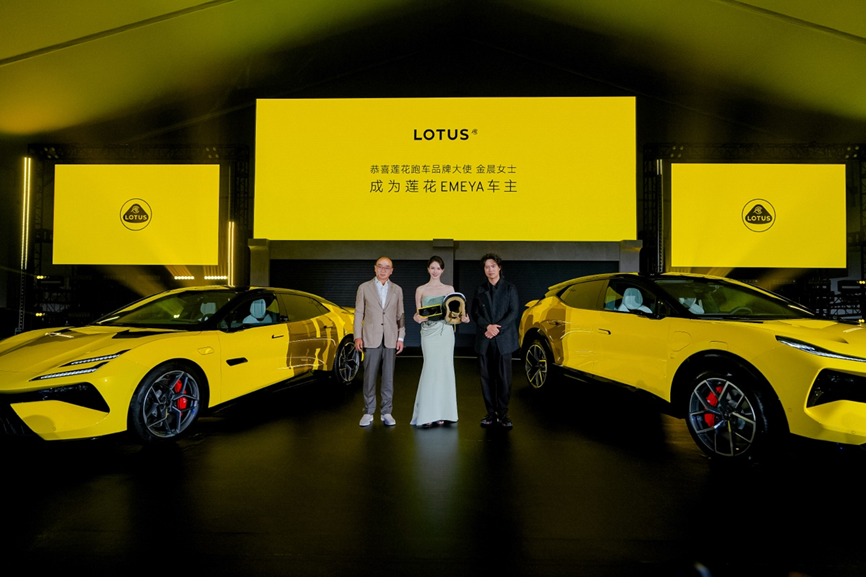
Group 1 - The Lotus brand recently held a launch event in Shanghai for its new models, the EMEYA and ELETRE, with starting prices set at 538,000 yuan and 558,000 yuan respectively [1] - The automotive industry is experiencing unprecedented prosperity but is also facing severe homogenization challenges, making originality increasingly valuable [3] - Lotus Group's CEO emphasized the importance of original spirit in the automotive industry, highlighting the brand's 77-year history of innovation and excellence in driving performance [3] Group 2 - Lotus has been a pioneer in electric vehicle technology, having developed the world's first electric hypercar, the EVIJA X, with over 2,000 horsepower [3] - The company is leveraging digital technology to enhance driving control and comfort, addressing long-standing engineering challenges [3] - Lotus vehicles incorporate unique "black technology" that provides superior performance, creating a competitive edge that is difficult for others to replicate [3]
路特斯科技2025上半年总收入2.18亿美元 累计交付新车2813辆
Mei Ri Jing Ji Xin Wen· 2025-08-30 08:12
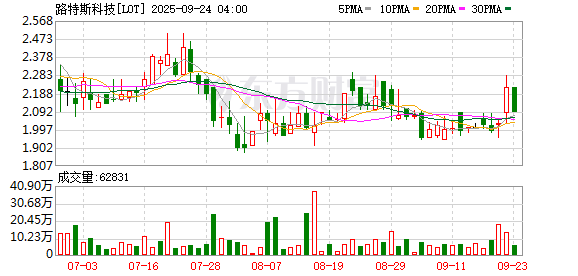
Core Viewpoint - Lotus Technology reported its financial performance for Q2 and the first half of 2025, highlighting significant growth in vehicle deliveries and revenue, particularly driven by the Chinese market [1] Group 1: Financial Performance - In the first half of 2025, the company achieved total vehicle deliveries of 2,813 units and total revenue of $218 million [1] - The overall delivery volume and revenue increase were primarily attributed to the rollout of upgraded models like the Lotus ELETRE in Q2 [1] Group 2: Market Performance - The majority of vehicle deliveries in the first half of 2025 were concentrated in the Chinese market [1] - In the UK high-end electric vehicle market (priced above £80,000), the market share of Lotus lifestyle vehicles increased from 5% in the same period last year to 12% in the first half of 2025 [1] Group 3: Strategic Developments - The fuel-powered sports car EMIRA resumed deliveries in the North American market in July, following fluctuations in tariffs [1] - Lotus Robotics has signed agreements with overseas strategic partners to collaborate in the field of intelligent driving and explore the development of Robotaxi services in Saudi Arabia [1]
财经观察:英王室选“武汉制造”,中国汽车如何讲好精品故事
Huan Qiu Shi Bao· 2025-08-20 22:38
Core Insights - The selection of the Chinese Lotus electric vehicle by King Charles III highlights the rising global status of Chinese electric vehicles, emphasizing their high cost-performance ratio, aesthetic design, and intelligent technology [1][3][4] Group 1: Lotus Electric Vehicle - King Charles III has chosen the Lotus ELETRE, a fully electric SUV manufactured in Wuhan, China, which features a price of approximately £120,000, a range of 280 miles (about 450 kilometers), and acceleration from 0 to 100 km/h in 2.9 seconds [3][4] - Lotus, originally a British brand founded in 1948, was acquired by Zhejiang Geely in 2017, and production was moved to Wuhan in 2022, showcasing a blend of British heritage and Chinese manufacturing capabilities [3][5] Group 2: Market Trends and Consumer Preferences - The shift in consumer preferences in Japan towards practicality, reliability, comfort, and environmental performance is noted, with Chinese brands like BYD gaining traction in this market [6] - The collaboration between Hong Kong University of Science and Technology and BYD aims to advance research in robotics and intelligent manufacturing, indicating a focus on innovation in the automotive sector [7] Group 3: Future of Automotive Industry - The potential for autonomous driving technology to redefine consumer experiences in transportation is discussed, with a vision of vehicles serving as shared mobility platforms rather than personal ownership [8] - The narrative around Chinese luxury brands, termed "Chinaxury," is evolving, with a focus on integrating cultural values and lifestyle choices into product offerings, moving beyond mere price competition [10][11]