反恐融资

Search documents
阿联酋召开反洗钱国家战略委员会会议
Shang Wu Bu Wang Zhan· 2026-02-23 15:30
Core Viewpoint - The UAE is strengthening its anti-money laundering and counter-terrorism financing strategies through regulatory improvements and international cooperation, as highlighted in the recent meeting chaired by the Deputy Prime Minister and Foreign Minister [1] Group 1: Regulatory Framework - The meeting emphasized the implementation of Federal Law No. 10 of 2025, which aims to enhance the regulatory framework for combating money laundering and terrorism financing [1] - Continuous improvements to the regulatory system are being prioritized to prepare for evaluations by the Financial Action Task Force [1] Group 2: Enforcement and International Cooperation - From 2022 to 2025, a total of 377 individuals have been extradited, indicating a robust enforcement and international cooperation effort [1] - The total assets seized from 2025 have reached 5.4 billion dirhams, reflecting the effectiveness of the UAE's law enforcement actions [1]
阿联酋将出任MENAFATF 2026年主席
Shang Wu Bu Wang Zhan· 2026-01-08 02:40
Group 1 - The UAE will assume the presidency of the Middle East and North Africa Financial Action Task Force (MENAFATF) in 2026, with Bahrain set to take over in 2027 [1] - During its term, the UAE will focus on preparing for the third round of mutual evaluations, enhancing governance frameworks, deepening international cooperation, and strengthening regulation of new financial risks such as virtual assets, fintech, artificial intelligence, and beneficial ownership transparency [1] - Member countries believe that the UAE's leadership will help improve regional anti-money laundering and counter-terrorism financing capabilities, aligning better with international standards [1]
数字人民币已经发行!腐败分子或将要失眠了?大清洗即将到来
Sou Hu Cai Jing· 2025-12-20 07:52
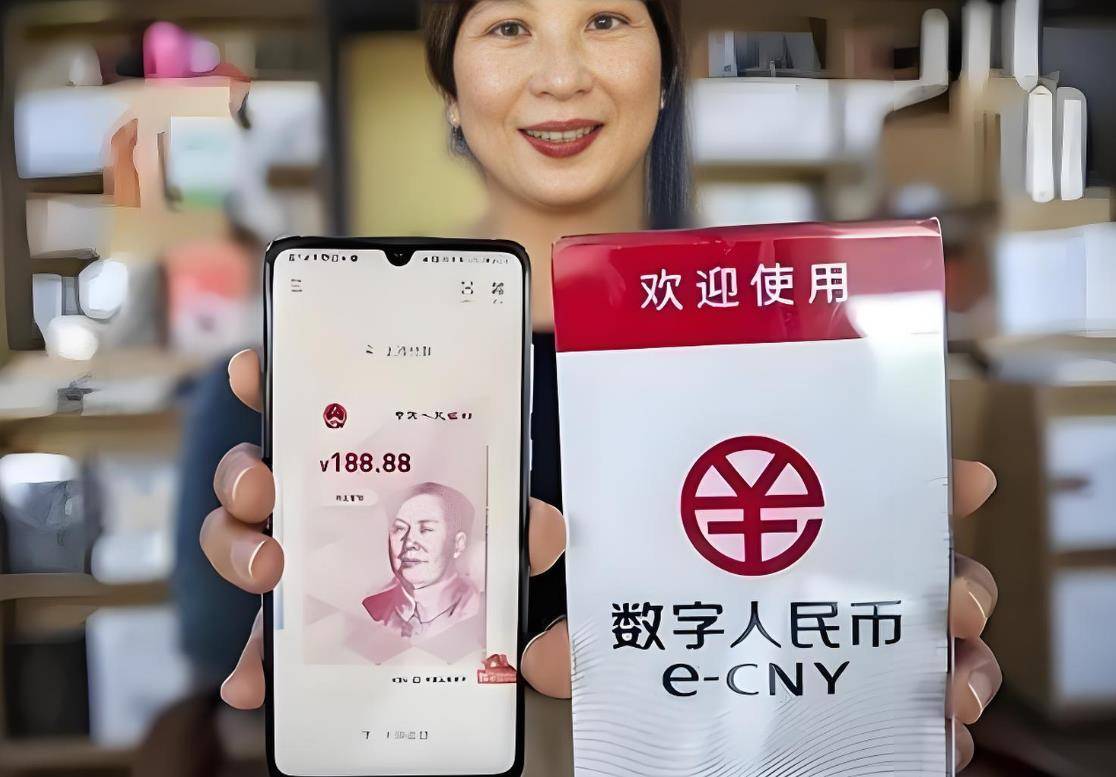
Core Viewpoint - The introduction of digital RMB represents a significant shift towards a transparent and traceable payment system, potentially ending the era of cash transactions and hidden dealings [1][10][13]. Group 1: Digital RMB Overview - Digital RMB has been piloted since 2019 and is currently being tested in 26 regions across 17 provinces, with a cumulative transaction amount reaching 7 trillion yuan by June 2024 [1][10]. - It is not merely an electronic version of cash; it signifies a new payment system that enhances transparency and traceability [1][10]. Group 2: Traceability and Privacy - Every transaction made with digital RMB is traceable, but the central bank employs a "controllable anonymity" approach to protect consumer privacy during small transactions [2][4]. - The central bank retains access to all transaction data, allowing for regulatory oversight and the ability to combat illegal activities [2][4]. Group 3: Impact on Corruption - Digital RMB poses a significant threat to illicit activities, particularly for corrupt officials who previously relied on cash transactions to conceal illegal gains [4][6]. - The system automatically records all transactions, making it difficult for corrupt individuals to hide their financial activities [4][6]. Group 4: Technological Support - Digital RMB supports smart contract functionalities, enabling precise control over fund flows, which is crucial for monitoring public funds and preventing misuse [4][5]. - The "dual offline payment" feature allows transactions without internet access, but all records sync once online, ensuring no transaction can remain hidden [5][6]. Group 5: Regulatory Advantages - The introduction of digital RMB provides regulatory bodies with enhanced capabilities to monitor and track financial flows, making it easier to identify discrepancies between income and expenditure [6][9]. - The system's transparency allows for real-time monitoring of officials' financial activities, serving as a deterrent against corruption [9][10]. Group 6: International Implications - Digital RMB's potential for cross-border payments enhances the ability to regulate illegal capital flight and ensures that international transactions are traceable [7][11]. - This innovation positions China uniquely in the global landscape, providing a robust framework for combating economic crimes [11][13]. Group 7: Broader Financial Ecosystem - The promotion of digital RMB reflects the government's commitment to creating a transparent and accountable financial ecosystem, which is essential for preventing money laundering, terrorist financing, and tax evasion [10][11]. - The transition to digital RMB is gradual, and while it is gaining traction, cash transactions still exist, indicating that opportunities for corruption remain, albeit diminishing [10][13].


注意!纳入支付机构,这些情形要对客户尽职调查
Guo Ji Jin Rong Bao· 2025-11-30 02:23
Core Viewpoint - The People's Bank of China and regulatory authorities have announced new regulations that eliminate the mandatory requirement for written documentation of the source and purpose of funds for cash deposits and withdrawals exceeding 50,000 yuan, effective January 1, 2026. Banks will now assess risk levels to determine the necessity of further inquiries regarding fund sources and uses [1]. Group 1: Regulatory Changes - The new regulations allow banks to simplify procedures for low-risk transactions while enhancing investigations for high-risk situations, particularly concerning money laundering [1][5]. - Financial institutions are required to conduct customer due diligence for transactions over 50,000 yuan or equivalent to 10,000 USD, including cash remittances and the sale of financial products [4]. Group 2: Enhanced Due Diligence - For high-risk clients and scenarios, financial institutions must implement enhanced due diligence measures, including obtaining information on the purpose of transactions and monitoring customer activities [5]. - The regulations mandate that transaction records be retained for at least five years, emphasizing the importance of comprehensive risk management practices [5]. Group 3: Impact on Payment Institutions - Payment institutions are now explicitly included in the customer due diligence obligations, requiring them to adhere to the "Know Your Customer" (KYC) principle during account opening and merchant onboarding [6]. - The new rules represent a shift in regulatory focus, pushing compliance measures to the entry points of payment systems, which may lead to increased operational pressures for the industry [6].
法国监管风暴升级 币安等加密交易所面临反洗钱合规审查
Zhi Tong Cai Jing· 2025-10-17 09:28
Core Insights - France is intensifying anti-money laundering compliance reviews of cryptocurrency exchanges to determine which of the over 100 registered entities will receive EU-wide licenses in the coming months [1] - The ACPR has already implemented controls on dozens of exchanges since the end of 2024, focusing on firms like Binance and Coinhouse, which hold PSAN qualifications [1] - The review comes amid increasing tensions within the EU regarding the coordination of cryptocurrency regulations, with France, Austria, and Italy urging the EU's top market regulator to directly oversee large crypto firms [1] Group 1 - The ACPR is verifying whether companies meet PSAN registration requirements, particularly in executing anti-money laundering and counter-terrorism financing measures [1] - During inspections, the ACPR has previously required Binance to enhance its compliance and risk control measures [1] - Common requests from French regulators include hiring additional staff and improving IT system security [1] Group 2 - Information collected by the ACPR will be shared with the French Financial Markets Authority (AMF), and failure to comply with requirements may affect a company's ability to obtain MiCA qualifications [2] - The MiCA agreement allows companies to operate across the EU, with a deadline for French firms to apply by the end of June 2026 [2] - Currently, only a few companies have been granted MiCA qualifications by the AMF, including fintech firm Deblock and cryptocurrency companies GOin and Bitstack [2]
商务部研究院的培训,涉及出口管制、跨境AML
制裁名单· 2025-08-20 01:56
Core Viewpoint - The article announces a specialized training program on export control and cross-border anti-money laundering compliance, aimed at helping enterprises enhance their risk identification and prevention capabilities in a complex global regulatory environment [2][3]. Training Content - **Export Control and Economic Sanctions** - Review of global export control and economic sanctions hotspots, analysis of the current situation, and future trends [2] - Overview of China's Export Control Law, including its jurisdiction, measures, and legal responsibilities [2] - Introduction to international export control mechanisms such as the Wassenaar Arrangement and Nuclear Suppliers Group [3] - Study of export control policies from the US and EU, including EAR, ITAR, and OFAC sanctions, and their impact on China [3] - Analysis of secondary sanctions case studies and response strategies [3] - Practical construction of export control compliance systems, including risk assessment, internal controls, training, and auditing mechanisms [3] - **Cross-Border Anti-Money Laundering and Counter-Terrorism Financing** - Analysis of the new Anti-Money Laundering Law and FATF's fifth round of international evaluation standards, focusing on the obligations of financial institutions and enterprises [3] - Practical operations for customer due diligence and transaction monitoring, including identity verification and reporting of large and suspicious transactions [3] - Screening for sanction risks and list management through compliance tools, establishing monitoring and updating mechanisms [3] - Case studies on cross-border transaction risks related to anti-money laundering and sanctions [3] - **Coordinated Compliance for Export Control and Anti-Money Laundering** - Building collaborative mechanisms and policy linkages, including regulatory agency cooperation models and dual-track compliance frameworks for enterprises [4] - Information sharing and technological integration for tracking cross-border funds and logistics, and upgrading list management systems [4] - Practical collaborative models and experiences, such as cooperation modes at the China-Vietnam border and high-risk country management in the EU [4] Target Audience - The training is aimed at personnel from local commerce bureaus, economic cooperation bureaus, financial regulatory bureaus, the People's Bank, foreign exchange administration, and related staff from free trade zones and border cooperation zones [5] - It also targets compliance, legal, risk management, international business, and card center staff from financial institutions, as well as relevant personnel from manufacturing and trading enterprises, trade associations, law firms, accounting firms, and consulting companies [5] Fees and Other Information - The training fee is set at 5,980 yuan per person, which includes teaching, materials, and venue costs [5] - Accommodation is arranged according to the Ministry of Finance's standards, with costs borne by participants [5] - Registration details and payment instructions are provided, with a deadline for registration [6]
注意了!明天起,买黄金超10万元将需上报!
天天基金网· 2025-07-31 05:33
Core Viewpoint - The People's Bank of China has issued a notice regarding the implementation of anti-money laundering and counter-terrorism financing management measures for precious metals and gemstone industry practitioners, effective from August 1, 2025 [1] Group 1 - Institutions must fulfill anti-money laundering obligations for cash transactions of 100,000 RMB or more, or equivalent foreign currency [1] - For single or daily cumulative cash transactions of 100,000 RMB or more, institutions are required to conduct customer due diligence based on the "Know Your Customer" principle [1] - Institutions must submit a large transaction report to the Anti-Money Laundering Monitoring and Analysis Center within five working days of the transaction occurring [1]