品牌深耕

Search documents
广货进京的“前世今生”
Xin Lang Cai Jing· 2026-02-08 23:41
Group 1 - The historical trade relationship between Guangdong and Beijing dates back to the Ming and Qing dynasties, with over 100 Guangdong guilds established in Beijing during their peak, serving as hubs for merchants and students [2] - The development of Guangdong products in Beijing has evolved from mere sales to brand cultivation and industrial innovation, exemplified by the high-end positioning of products like the North Garden green lychee, which is expected to generate sales of 2.152 billion yuan by 2025 [3] - The integration of traditional business wisdom with modern technology has allowed Guangdong products to adapt to consumer demands, with a focus on quality and cost-effectiveness, particularly in sectors like smart home and health consumption [4] Group 2 - The future of Guangdong products in the Beijing market is optimistic, with expectations that they will not only win over consumers through quality but also resonate emotionally, becoming a significant part of Beijing's international consumer center development [5] - The collaboration between Guangdong enterprises and Beijing's research institutions and cultural units is increasing, moving from traditional sectors to high-tech and service industries, reflecting a shift in brand strategy towards storytelling and value transmission [4] - The recognition of Guangdong products among Beijing consumers is expanding beyond traditional goods to include innovative categories like smart home devices and health management, indicating a growing appreciation for their role in lifestyle changes [4]

美妆行业深度报告:国货崛起、模式分化与营销提效下的竞争新局
Shanghai Aijian Securities· 2025-12-30 09:07
Investment Rating - The report rates the beauty and personal care industry as "Outperform" compared to the market [1] Core Insights - The beauty industry is experiencing significant growth driven by domestic brands, with a shift towards online sales channels, particularly through platforms like Douyin [2][3] - Domestic brands are gaining market share, with 43% of consumers preferring domestic beauty brands over international ones by 2025 [2][3] - The industry is characterized by high sales expense ratios due to intense competition and the need for substantial marketing investments [2][3] Summary by Sections 1. Beauty Industry Overview - The beauty sector is primarily focused on skincare and makeup, with online sales accounting for over 70% of revenue [2] - Facial care is the core category within skincare, with domestic brands experiencing growth despite overall market challenges [2][3] - The current channel structure is dominated by online sales, which account for 79% of revenue, with platforms like Taobao and Douyin leading the way [2][3] 2. Market Growth and Domestic Brand Rise - The Chinese cosmetics market is expanding, with domestic brands driving this growth [2][3] - The market size is projected to grow from 934.6 billion yuan in 2024 to 1,200 billion yuan by 2029, with a CAGR of 6.6% [2][3] - Domestic brands are expected to surpass international brands in market share by 2025, with a projected share of 52.9% by 2029 [2][3] 3. Business Model Differentiation - The domestic beauty industry has developed three main business models: efficacy research, brand deepening, and a combination of agency operations with self-owned brands [2][3] - Companies are transitioning from reliance on agency models to creating their own brands to enhance profitability [2][3] 4. Industry Characteristics and Competition - High gross margins and sales expense ratios are common in the beauty industry, driven by the need for extensive marketing to build brand recognition [2][3] - Companies are employing multi-faceted marketing strategies to balance costs and growth [2][3] 5. Investment Recommendations - The report suggests focusing on companies that excel in efficacy research, brand deepening, and transitioning from agency operations to self-owned brands [2][3] - Specific companies to watch include Juzhibio in efficacy research and Proya and Maogeping in brand deepening [2][3]
华润置地顶序作品受热捧:品牌深耕与产品创新的双重答卷
Zhong Guo Zhi Liang Xin Wen Wang· 2025-12-09 07:44
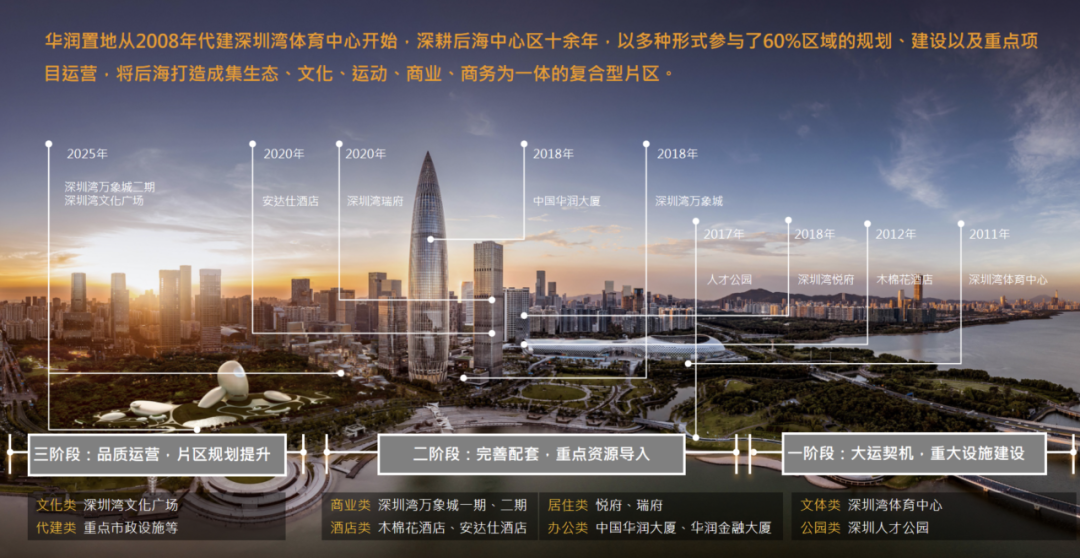
Core Insights - The impressive sales performance of China Resources Land in major cities during a period of industry adjustment is attributed to the synergy of brand, location, product, and service [1][20] Brand Strength - China Resources Land has a strong foundation built over 20 years, deeply integrated with urban development, particularly in Shenzhen Bay, where it has established significant landmarks and contributed to urban planning [2][4] - The company's approach is characterized by being a "co-builder" rather than a transient player in the real estate market, enhancing its brand value through long-term commitment to urban development [4][20] Location Advantage - The strategic locations of projects like Shenzhen Bay, Beijing's Wenyu River, and Shanghai's Huangpu River are highlighted, with each site offering unique ecological and urban benefits [4][14] - The projects are designed to integrate seamlessly with their surroundings, enhancing their appeal and value [4][12] Product Innovation - China Resources Land emphasizes a customer-centric approach in product development, focusing on understanding client needs before design [5][10] - The company employs a "respect" philosophy in its product offerings, ensuring that designs reflect the desires and lifestyles of residents [5][10] - Innovative features such as the "Five Unique Systems" in Beijing's Wenyu Garden cater to diverse family needs and enhance living experiences [10][19] Service Excellence - The company provides a comprehensive service system that extends beyond property handover, focusing on high customization and full-cycle service for homeowners [19][20] - Key service dimensions include personalized service, community engagement, and leveraging ecological resources to enhance living experiences [19][20] Industry Direction - The collective success of China Resources Land's premium projects signals a shift in the real estate industry towards quality competition, emphasizing the importance of respecting urban environments and customer needs [20]

江苏制造勇闯东南亚
Xin Hua Ri Bao· 2025-12-08 04:48
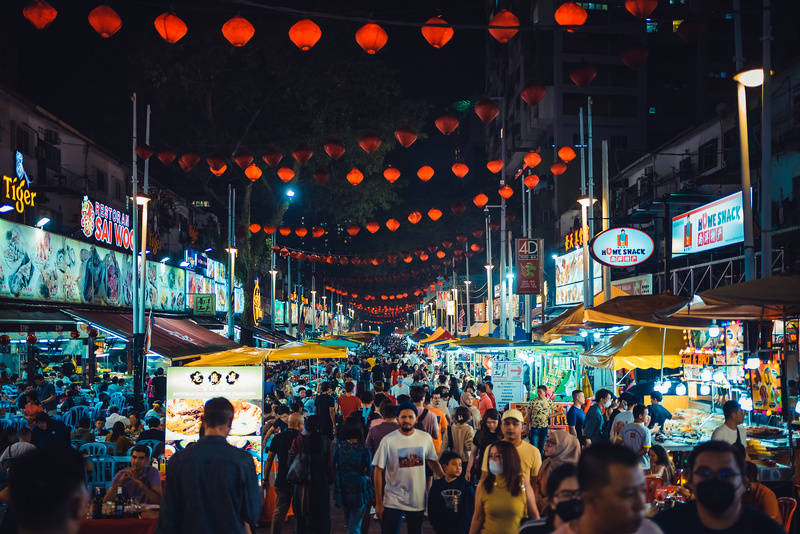
Core Insights - The "Silk Road E-commerce" event highlighted the significant potential of the Southeast Asian market for Jiangsu enterprises, emphasizing the need for deep localization to capitalize on this opportunity [1][8] - The Southeast Asian e-commerce market is transitioning from a "traffic dividend" phase to a "brand cultivation" phase, necessitating a shift in strategy for Jiangsu companies from mere product export to brand building and localized user experiences [2][3] Group 1: Market Dynamics - Southeast Asia, particularly Malaysia, Thailand, and Indonesia, is moving towards refined brand operations as local consumers mature and competition intensifies [2] - Jiangsu's manufacturing strengths, such as wearable devices and smart home appliances, have been validated in the mid-to-high-end Southeast Asian market, presenting both challenges and opportunities for brand recognition [3] Group 2: Data-Driven Localization - The use of AI tools like Adqlo can help companies analyze social media data across platforms to gain actionable consumer insights and market trends, facilitating effective localization strategies [4][5] - Successful case studies, such as the launch of "Iron Guanyin Coconut Tea" by a tea brand in Malaysia, demonstrate the effectiveness of data-driven approaches in identifying and responding to local market demands [5] Group 3: Talent and Compliance - Building and managing an efficient local team is a common challenge for Chinese companies entering Southeast Asia, where the job market is competitive and local talent has high expectations [6][7] - Companies like Astar provide essential services for local recruitment and compliance, helping Jiangsu enterprises navigate the complexities of local labor laws and operational needs [7] Group 4: Strategic Implications - The shift from simple goods export to regional supply chain integration reflects a new trend in international trade, where Jiangsu manufacturers are increasingly focusing on local production and procurement to meet regulatory requirements [7][8] - The Southeast Asian market serves as a critical avenue for Jiangsu enterprises to optimize production capacity and enhance global brand influence amidst dual pressures of growth and capacity optimization [8]
握紧“密钥”,掘金东南亚!江苏出海的跨境新策
Sou Hu Cai Jing· 2025-12-07 13:38
Core Insights - The recent "Silk Road E-commerce" event highlighted the potential of the Southeast Asian market for Jiangsu enterprises, emphasizing the need for deep localization to capitalize on this opportunity [1][4]. Group 1: Market Trends - Southeast Asia's e-commerce market is transitioning from a "traffic dividend" phase to a "brand cultivation" phase, necessitating a shift from simple sales strategies to refined brand management [3]. - Local consumers are becoming more sophisticated, and competition is intensifying, making traditional sales methods less effective [3]. - Jiangsu enterprises must focus on brand building, user engagement, and localized experiences to achieve sustainable growth and premium pricing [3][4]. Group 2: Data-Driven Localization - The use of AI tools, such as Adqlo, can help companies analyze social media data across platforms to gain consumer insights and market trends, facilitating effective localization strategies [5][6]. - Successful case studies, like the introduction of "Iron Goddess Coconut Tea" by a tea brand in Malaysia, demonstrate the effectiveness of data-driven approaches in product development and marketing [6]. Group 3: Local Team and Compliance - Building and managing an efficient local team is a common challenge for Chinese companies entering Southeast Asia, where the job market is competitive and local talent is selective [7][8]. - Companies need to adapt to local employment expectations and may require support in recruitment, compliance, and establishing local operations [7][8]. - The shift towards localized production and supply chain strategies is essential for Jiangsu manufacturers to meet international trade requirements and enhance their global brand presence [8].