国货美妆高端化

Search documents
重启上市!透过林清轩再冲“高端第一股”,看国货美妆突围困局仍未破?
Sou Hu Cai Jing· 2026-02-03 02:13
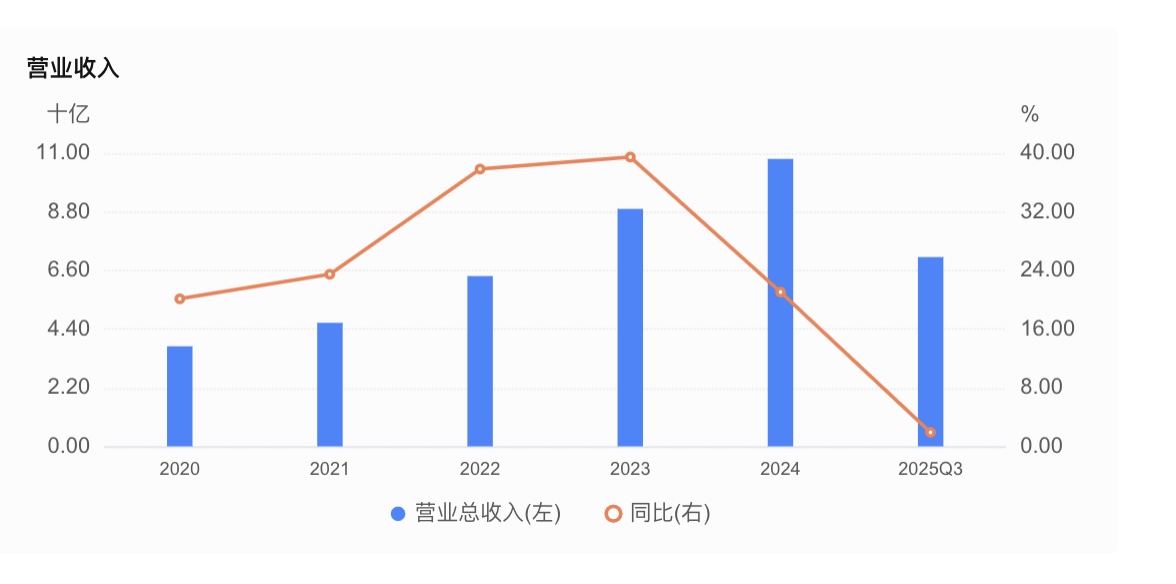
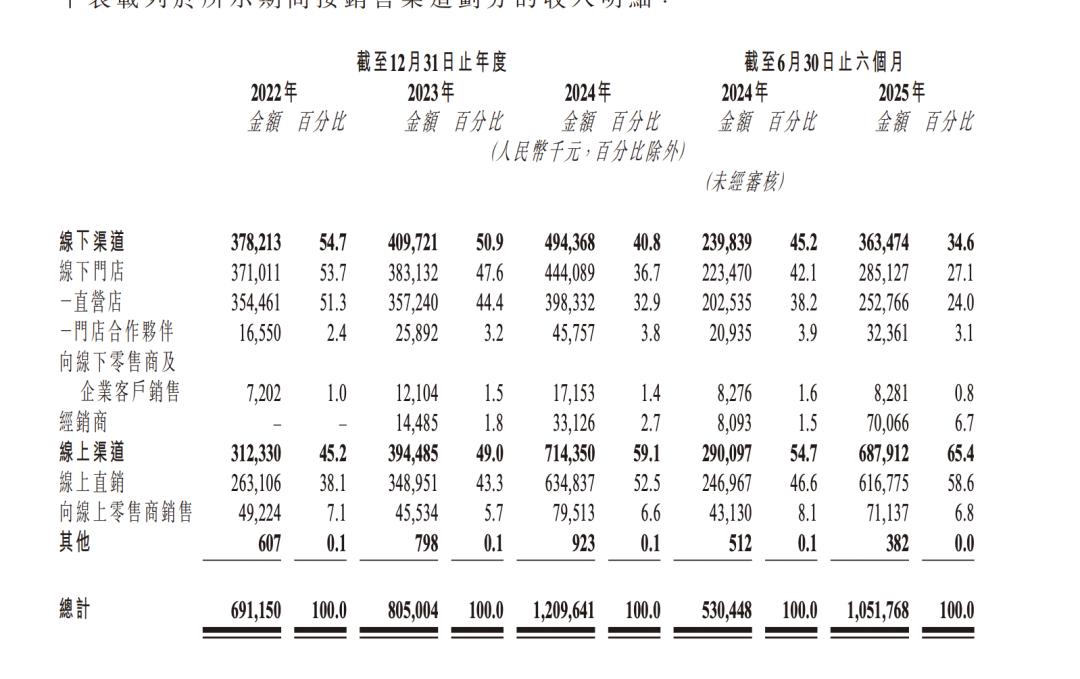
Core Viewpoint - Lin Qingxuan's IPO plan has been suspended due to the failure to complete the hearing within six months of submitting its prospectus, but it has since reinitiated its listing process with a new target date [1][3]. Financial Performance - Lin Qingxuan is experiencing a significant revenue growth period, with a projected 98% year-on-year increase in revenue for 2024, and a gross margin of 82% for its core product, camellia oil, which exceeds the average in the beauty industry [3]. - The company's revenue heavily relies on a single product, the camellia oil priced at 599 yuan for 30ml, which accounts for nearly 60% of total revenue, raising concerns about its risk resilience [3]. Marketing and Cost Structure - Lin Qingxuan's marketing expenses are substantial, with sales and distribution costs reaching 688 million yuan in 2024, representing 56.9% of revenue, and a 100.2% increase in marketing expenses in the first half of 2025, outpacing revenue growth [3][8]. - The company's growth model is heavily dependent on online sales, which increased from 45.2% in 2022 to 65.4% in the first half of 2025, but this has led to rising customer acquisition costs, which doubled from 180 yuan to 320 yuan per effective customer [8]. Brand and Market Positioning - The high-end beauty market in China is growing rapidly, with a compound annual growth rate of 15.3% from 2020 to 2024, but domestic brands like Lin Qingxuan face challenges in gaining consumer acceptance at higher price points due to a lack of brand heritage compared to international brands [4][5]. - Lin Qingxuan's reliance on KOLs and live streaming for sales has created a fragile growth model, as any negative publicity or decline in traffic can directly impact revenue [9]. Regulatory and Compliance Issues - Lin Qingxuan faced a fine of 21,000 yuan in 2023 for misleading advertising regarding its anti-aging claims, highlighting weaknesses in compliance management that could hinder its IPO process [3][7]. Expansion and Control Challenges - The company has expanded its retail presence significantly, with 506 stores by the end of 2024, but over 30% of these are franchise stores, which can dilute brand control and lead to inconsistent customer experiences [11][12]. - The franchise model has resulted in high closure rates and operational inconsistencies, undermining the brand's high-end positioning [11][12]. Valuation and Investment Concerns - Lin Qingxuan's valuation has seen significant increases, reaching 3.846 billion yuan before its IPO, but this high valuation lacks support from substantial assets or R&D investments, raising doubts about its long-term sustainability [13][14]. - The company's focus on marketing over R&D has led to a misalignment between its valuation logic and long-term value, as seen in the practices of other successful beauty brands that prioritize research and brand integrity [14].


从破产边缘到百亿市值,东北网红家族的“高端”之路
3 6 Ke· 2026-01-11 07:22
Core Viewpoint - Lin Qingxuan has successfully listed on the Hong Kong Stock Exchange, becoming the first high-end domestic skincare brand to do so, amidst a wave of consumer company IPOs expected by 2025 [1][2]. Company Overview - Lin Qingxuan was founded in 2003 during the SARS outbreak, initially starting with handmade soaps priced at 25 yuan each. The brand shifted towards high-end products with the launch of camellia oil in 2014 [2]. - The company has a notable shareholder base, including brands like Youngor and global beauty giant L'Oréal [2]. Market Position - Lin Qingxuan is positioned as a leader in the high-end domestic skincare market, ranking first among Chinese high-end domestic skincare brands and being the only domestic brand in the top 15 high-end skincare brands in China [15]. - The brand has established a high pricing strategy, similar to that of other high-end brands like Maogeping, and has created a unique market segment for domestic beauty products [4][15]. Financial Performance - On its first trading day, Lin Qingxuan's stock price rose by 9.3%, closing at 85 HKD per share, with a total market capitalization of approximately 11.9 billion HKD [2]. - Revenue figures from 2022 to the first half of 2025 show a compound annual growth rate (CAGR) of 51.2%, with online revenue increasing from 45.2% in 2022 to 65.4% in the first half of 2025 [11][12]. - The gross profit margin has consistently remained above 81%, with core products like camellia oil achieving a gross margin of 86.2% [17]. Sales and Marketing Strategy - Lin Qingxuan has adopted a unique family-based influencer marketing strategy, leveraging the founder and family members to create a content-driven approach to attract customers [13]. - The company has invested heavily in sales and distribution, with cumulative expenses reaching 2.263 billion yuan from 2022 to the first half of 2025, accounting for 55.2% of revenue in the first half of 2025 [20]. Store Expansion - The number of Lin Qingxuan stores has grown from 366 in 2022 to 554 by mid-2025, with over 95% of these located in shopping malls across major cities [18][19].
上市刚满一年披露减持计划 毛戈平家族拟套现约14亿港元
Mei Ri Jing Ji Xin Wen· 2026-01-08 13:37
Group 1 - The core point of the news is that the controlling shareholder and several executive directors of Mao Geping Cosmetics plan to collectively reduce their holdings by up to 17.2 million H shares, accounting for no more than 3.51% of the company's total issued shares, due to personal financial needs [1][2] - The planned reduction is expected to raise approximately 1.4 billion HKD based on the closing price of 82 HKD per share on the announcement date [1] - Despite the reduction, the company emphasizes that it will not lead to a change in control or significantly impact governance and ongoing operations [1][2] Group 2 - The beauty industry is experiencing frequent reduction plans, with Mao Geping's announcement occurring just after its first anniversary of listing, amidst a backdrop of declining valuations in the domestic beauty market [2][3] - Mao Geping's stock price peaked at 130.6 HKD per share, but has since fallen by about 33%, resulting in a market cap loss of nearly 20 billion HKD [2] - The company reported a revenue of 2.588 billion CNY for the first half of 2025, a year-on-year increase of 31.3%, and a net profit of 670 million CNY, up 36.1%, although revenue growth has begun to slow [2][7] Group 3 - The domestic beauty industry is shifting from an incremental market to a stock market, with a high entry and elimination rate among brands [6] - High-end beauty products are becoming a significant focus, with sales growth for products priced over 1,000 CNY increasing by 531.6% during the 2025 Double Eleven shopping festival [6] - Mao Geping maintains a high gross margin of over 80%, but faces scrutiny over its low R&D investment, which was only 15.257 million CNY in the first half of 2025 [7] Group 4 - The company is characterized by a high degree of founder centralization, with Mao Geping's personal brand being integral to the company's identity and operations [4][5] - The company is constructing a research and development center in Hangzhou, expected to be completed by the end of 2026, to enhance product design and development capabilities [7] - Balancing family wealth management with corporate growth while addressing R&D shortcomings and reducing dependence on the founder will be crucial for the company's sustained presence in the high-end beauty market [7]
毛戈平减持引发市场关注,高端美妆发展引热议
Jing Ji Guan Cha Wang· 2026-01-08 04:57
Group 1 - The core point of the news is that MAOGEPING, a high-end Chinese cosmetics brand, is facing a significant share reduction by its major shareholders shortly after its IPO in Hong Kong, raising questions about the company's stability despite strong financial performance [2][3]. - The company plans to reduce up to 17.2 million H shares, representing 3.51% of its total share capital, potentially raising around HKD 1.41 billion, with the majority of the selling executives being family members of the founder [2]. - MAOGEPING has shown impressive financial results, with a revenue of CNY 2.588 billion in the first half of 2025, a year-on-year increase of 31.3%, and a net profit of CNY 670 million, up 36.1% [3]. Group 2 - The Chinese beauty industry is characterized by high entry and elimination rates, with over 39,000 companies established in less than three years, while only 12.6% have been in operation for over ten years [4]. - The sales of high-end beauty products priced above CNY 1,000 surged by 531.6% during the 2025 Double Eleven shopping festival, significantly outpacing the growth of mass-market products [5]. - The success of MAOGEPING serves as a valuable case study for domestic beauty brands, highlighting the need to enhance technological capabilities and brand influence while maintaining a high-end market position [5].
套现14亿港元,“美妆茅台”家族减持引争议
Jing Ji Guan Cha Wang· 2026-01-08 04:38
Core Viewpoint - The founder's family of MAOGEPING, a leading Chinese beauty brand, plans to reduce their holdings shortly after a lock-up period, raising questions among investors about the motivations behind the sell-off and the company's financial health [1][2]. Group 1: Shareholding and Financial Performance - MAOGEPING's six executive directors hold a combined 73.09% of the company's shares, with the founder and his wife owning 46.73% [2]. - The family has received over 2 billion yuan in dividends over the past two years, including the recent cash-out from the share reduction [2]. - For the first half of 2025, MAOGEPING reported revenue of 2.588 billion yuan, a year-on-year increase of 31.3%, and a net profit of 670 million yuan, up 36.1% [3]. Group 2: IPO and Market Reception - MAOGEPING's IPO attracted a total subscription amount of 173.814 billion HKD, making it the "frozen capital king" of 2024 [3]. - Following the announcement of the share reduction, MAOGEPING's stock price rose by 7.26%, closing at 87.95 HKD per share, with a total market capitalization of 43.112 billion HKD [4]. Group 3: R&D and Industry Position - The company has faced criticism for its low R&D spending, which was only 0.59% of revenue in the first half of 2025, significantly lower than competitors [5]. - MAOGEPING has implemented substantial dividend payouts, totaling 1 billion yuan in 2024, which exceeded the company's net profit for that year [5]. - The Chinese beauty industry is characterized by high entry and elimination rates, with a significant number of startups, while established brands like MAOGEPING are still catching up in terms of technology and consumer perception [6]. Group 4: Market Trends - The high-end beauty segment in China is experiencing rapid growth, with sales of products priced over 1,000 yuan increasing by 531.6% during the 2025 Double Eleven shopping festival, outpacing lower-priced segments [6].
高端定位VS大众门店?林清轩赴港上市遭质疑:轻研发、博眼球营销
Xin Lang Cai Jing· 2025-12-28 00:32
Core Viewpoint - Shanghai Linqingxuan Cosmetics Group Co., Ltd. is set to officially list on the Hong Kong Stock Exchange on December 30, 2025, with a global offering price of HKD 77.77 per share, indicating strong confidence from long-term institutional investors in domestic skincare brands [3][20]. Group 1: IPO and Fundraising - The IPO process received approval from the China Securities Regulatory Commission on November 27, 2025, allowing the issuance of up to 16.06 million shares [3][20]. - The public offering will take place from December 18 to 23, 2025, with a final global offering of 13.97 million shares [3][20]. - The company aims to raise approximately HKD 997 million, with 40% allocated for brand value enhancement and sales network expansion, and 45% for supply chain improvements and product development [3][20]. Group 2: Financial Performance - Revenue increased from CNY 691 million in 2022 to CNY 1.21 billion in 2024, with a compound annual growth rate of 32.3%, while net profit turned from a loss of CNY 5.93 million to a profit of CNY 187 million [4][21]. - The gross margin has consistently remained above 80%, reaching 82.5% in 2024 and 82.4% in the first half of 2025, outperforming competitors [5][23]. Group 3: Marketing and R&D Expenditure - The company has adopted an aggressive marketing strategy, with sales expenses reaching CNY 688 million in 2024, accounting for 56.86% of revenue, while R&D expenses were only CNY 30.4 million, representing 2.5% of revenue [6][23]. - In the first half of 2025, the sales expense ratio was 55.2%, and R&D expense ratio dropped to 1.7% [7][23]. Group 4: Product Dependency and Sales Channels - The company heavily relies on its core product, Camellia Oil, which accounted for 45.5% of revenue in the first half of 2025, up from 31.5% in 2022 [8][23]. - Online sales have increased significantly, with the proportion rising from 45.2% in 2022 to 65.4% in the first half of 2025, with Douyin contributing 55.9% of online sales [9][24]. Group 5: Challenges and Strategic Issues - The company faces challenges such as over-reliance on a single product and sales channel, particularly Douyin, which may lead to risks if market trends shift [16][31]. - The rapid expansion into lower-tier cities has resulted in a significant increase in the number of stores, but many stores are underperforming, with 31 stores reporting losses in the first half of 2025 [14][30]. - The strategic direction of the company appears inconsistent, with shifts between franchise and joint venture models, raising concerns about operational control [15][30].

刘亦菲也救不了珀莱雅:三季度营收、净利双位数负增长
Guan Cha Zhe Wang· 2025-10-31 05:00
Core Insights - The core viewpoint of the article highlights the significant slowdown in the growth of Proya, a leading domestic beauty brand, with a notable decline in both revenue and net profit in the third quarter, raising concerns about its marketing-heavy strategy and lack of technological innovation [1][3][16]. Financial Performance - In the first three quarters, Proya achieved revenue of 7.098 billion yuan, a year-on-year increase of 1.89%, and a net profit of 1.026 billion yuan, up 2.65%. However, these growth rates have significantly slowed compared to the first half of the year [3][5]. - The third quarter saw a dramatic decline, with revenue dropping 11.63% year-on-year to 1.736 billion yuan and net profit plummeting 23.64% to 227 million yuan, marking a rare double-digit negative growth for the company [3][5]. - The main brand, Proya, reported a slight revenue decrease of 0.08% in the first half, which is the first negative growth in five years, indicating a troubling trend for the brand that contributes over 74% of total revenue [5][9]. Marketing and R&D Expenditure - Proya's sales expense ratio reached a historical high of 49.66%, meaning nearly half of every 100 yuan in revenue is spent on marketing, while R&D expenses accounted for only about 2% of revenue, highlighting a significant imbalance [1][7][9]. - In the first half of 2025, Proya's sales expenses amounted to 2.659 billion yuan, with a sales expense ratio of 49.59%, which did not improve in the third quarter [7][9]. - The company’s R&D expenses were only 141.89 million yuan in the first three quarters, representing about 2% of revenue, which is significantly lower than other domestic beauty brands and international giants [9][12]. Market Position and Consumer Behavior - Proya's attempt to transition to high-end products has been met with challenges, as consumer preferences are shifting towards medical beauty solutions rather than high-priced skincare products [1][16]. - The brand's reliance on low-margin categories like hair care to maintain growth reflects a weakening competitive position in its core skincare segment, which accounts for 78.31% of revenue [5][12]. - The average selling price of skincare products decreased by 1.37% year-on-year, indicating a need to lower prices to drive sales [6][9]. Corporate Governance and Market Reactions - Proya's announcement of its application for a Hong Kong listing raised questions about its financial health, especially given the frequent turnover of senior executives, including the resignation of the financial head just three months before the listing plan [1][19]. - The market reacted negatively to the listing news, with Proya's A-share price dropping over 4% following the announcement [19]. - Notably, Proya's executives and shareholders have collectively cashed out over 5 billion yuan, equivalent to the company's total net profit from 2016 to the third quarter of 2024, raising concerns about the company's commitment to its growth strategy [19].