国际贸易平衡

Search documents
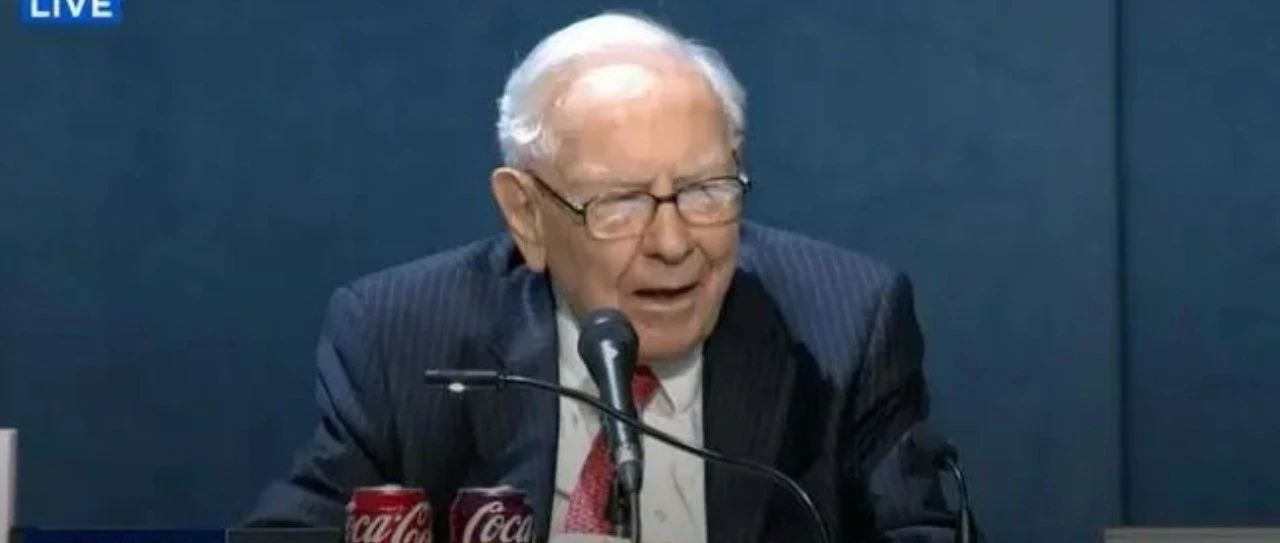
巴西大豆涨价,中美谈判后中国欲买美国大豆?为何我们自己不种?
Sou Hu Cai Jing· 2025-10-28 08:25
Group 1 - Recent negotiations between China and the US in Malaysia have made progress, with preliminary agreements on tariffs, fentanyl, export controls, and shipping fees, although soybean trade was not explicitly mentioned in the initial reports [1] - US Treasury Secretary mentioned that discussions on soybean trade were significant, indicating a potential restoration of soybean purchases from the US, which could please American soybean farmers [1] - The restoration of US soybean purchases may come at a cost, requiring compromises from the US on tariffs and other trade issues, while Brazilian soybean prices have recently fluctuated [1] Group 2 - Chinese buyers have not started purchasing Brazilian soybeans for December and January due to high prices, which are $2.8 to $2.9 per bushel above Chicago futures, compared to a $1.7 premium for US soybeans [3] - The rising raw material prices are squeezing the profit margins of domestic soybean oil companies, leading them to temporarily halt purchases to minimize losses [3] - China’s soybean planting area and yield are insufficient to meet annual demand, necessitating imports to fill the gap [3][5] Group 3 - The limited arable land in China poses challenges for increasing soybean cultivation, as prioritizing agriculture could hinder industrial and manufacturing development [5] - Reducing the planting of staple crops like rice and wheat is not feasible due to food security concerns, especially in times of strained international relations [7] - The extensive cultivation of corn in China is driven by its versatility and high yield, which supports various industries and ensures food supply stability [9][10] Group 4 - The low domestic soybean production relative to demand is a result of multiple factors, making complete self-sufficiency unrealistic [12] - Prioritizing the self-sufficiency of essential food crops while relying on imports for less critical crops is necessary for balancing agricultural needs [12] - Diversifying import sources is crucial to maximize national interests and mitigate risks associated with over-reliance on a single supplier [12]

商务部说稀土出口批了一部分 !
Sou Hu Cai Jing· 2025-06-12 14:52
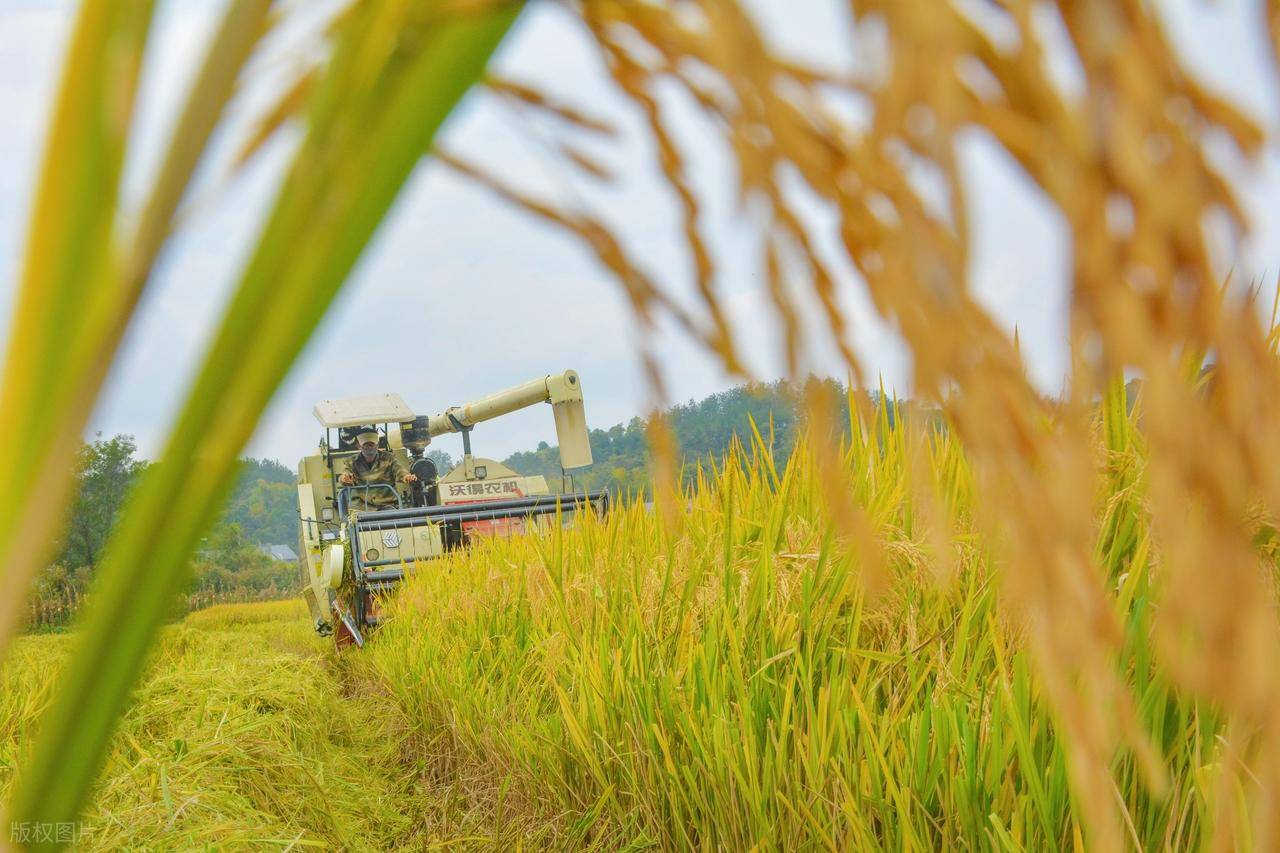
Group 1 - The Chinese government has approved a batch of rare earth export applications, emphasizing compliance with strict regulations [1][3] - China produces over 90% of the world's rare earth elements, making the export approvals significant for global supply chains, particularly for the U.S. semiconductor industry [3][5] - The recent U.S.-China economic talks in London aimed to establish a preliminary consensus on cooperation, with both sides expressing their needs regarding rare earth supply stability [1][3][5] Group 2 - Other countries, such as the EU and Japan, are actively seeking alternatives to reduce reliance on Chinese rare earths, with the EU planning a critical raw materials act and Japan developing recycling technologies [5][7] - Environmental concerns have led to stricter approval processes for rare earth mining in China, particularly in regions like Inner Mongolia, where past pollution issues were significant [8] - The ongoing U.S.-China discussions are expected to continue, focusing on finding a balance in rare earth supply while adhering to established regulations [7][8]
美元最终结局已定?快退休的巴菲特突然发出警告,信息量巨大
Sou Hu Cai Jing· 2025-05-08 07:45
Group 1 - Warren Buffett emphasized the importance of international trade and criticized the use of tariffs as a weapon, suggesting that prosperity in other regions enhances U.S. security and prosperity [1] - Buffett expressed concerns about the current tariff conflicts and the U.S. government's deficit and dollar status, advocating for trade based on each country's strengths [1] - Despite concerns over tariffs, Buffett downplayed recent market volatility, comparing it to historical declines that did not indicate fundamental issues within Berkshire Hathaway [3] Group 2 - The U.S. government implemented a 25% tariff on imported automotive parts, which has drawn strong criticism from the automotive industry, warning of increased prices and disrupted supply chains [3] - New policies aim to avoid additional tariffs on imported cars and reduce tariffs on foreign parts used in U.S. car production, potentially allowing for refunds on previously paid tariffs [4] - The U.S. has a significant disparity in Most Favored Nation (MFN) tariff rates compared to the EU, with U.S. passenger cars and light trucks facing rates of 2.5% and 25%, respectively, while EU rates are considerably higher [5] Group 3 - In response to the new tariff policies, multinational automakers like Volkswagen and Audi have adjusted their pricing strategies and paused shipments from Mexico, indicating a swift reaction to the regulatory changes [7] - Other luxury brands such as Mercedes-Benz, Ferrari, and Porsche are also planning to increase prices for their models in the U.S. market due to the new tariffs [7]
94岁巴菲特年底退休!首次明确批评贸易战:美国不应该“将贸易当作武器”
Bei Jing Shang Bao· 2025-05-04 02:26
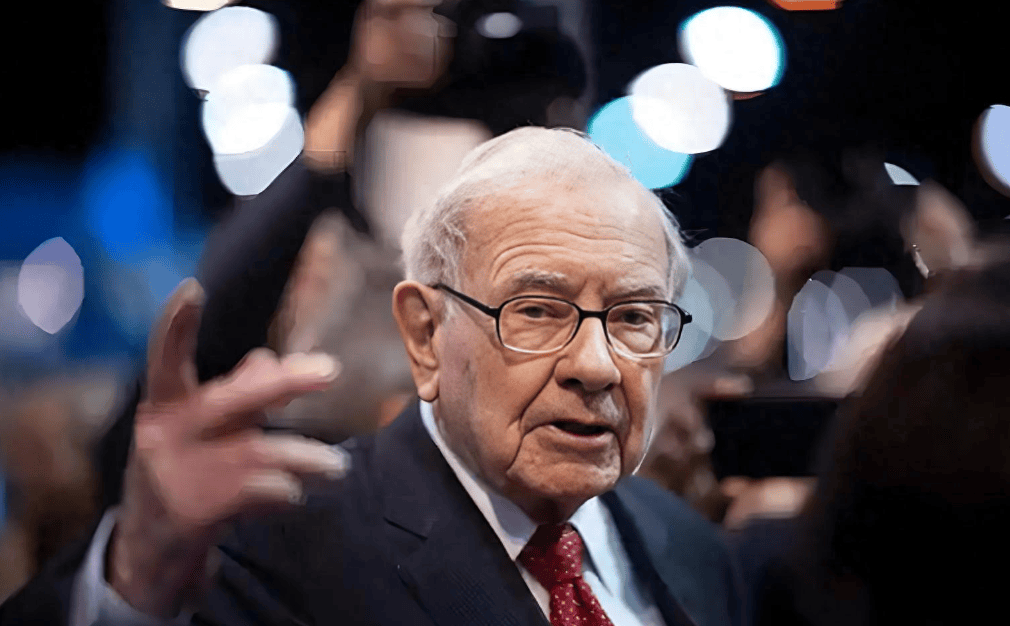
Group 1 - Warren Buffett criticized the U.S. government's trade policies, stating that using trade as a weapon is a significant mistake, especially in the context of the ongoing trade war [2][4] - Berkshire Hathaway reported a net profit of $4.603 billion for Q1, a substantial decline of 64% year-over-year, with investment losses amounting to $5.038 billion (approximately 366.33 million RMB) compared to a profit of $1.48 billion in the same period last year [2] - Buffett emphasized the importance of international trade, advocating for collaboration where countries focus on their strengths [3] Group 2 - Buffett announced his plan to retire by the end of the year, recommending Greg Abel, the vice chairman of non-insurance operations, as his successor, marking the first new CEO appointment since 1970 [4] - Abel has been taking on greater responsibilities since 2018, overseeing various subsidiaries, and investors are optimistic about his management capabilities, although his performance in cash investments remains to be seen [4] Group 3 - Buffett shared career advice, suggesting that young people should prioritize finding a job they enjoy over salary concerns, as passion leads to longevity in a career [5][6] - He highlighted the significance of surrounding oneself with successful individuals, as this influences personal growth and direction in life [7]
94岁巴菲特宣布年底退休!
证券时报· 2025-05-03 23:54
Core Viewpoint - Warren Buffett announced his plan to retire by the end of the year during the Berkshire Hathaway annual shareholder meeting, shocking attendees. He intends to recommend Greg Abel, the vice chairman of non-insurance operations, as his successor [1][3]. Group 1: Leadership Transition - Greg Abel has long been seen as Buffett's designated successor, although it was previously believed he would only take over after Buffett's passing [3]. - Many investors express confidence in Abel's ability to manage Berkshire Hathaway, but his performance in cash investments remains to be seen [4]. Group 2: Financial Performance - Berkshire Hathaway reported a significant decline in operating profit for Q1 2025, dropping 14% from $11.22 billion in Q1 2024 to $9.64 billion [7]. - The sharp decline in profit was primarily due to a 48.6% drop in insurance underwriting profits, compounded by the impact of currency devaluation [7]. - The company warned that tariffs could further affect profits, citing uncertainty in the operating environment due to geopolitical risks and trade policies [7]. Group 3: Trade Policy Commentary - Buffett criticized the use of trade as a weapon, particularly through tariff increases, stating that it disrupts global markets [8]. - He emphasized the importance of international trade and collaboration, advocating for a balanced approach rather than broad tariffs [9].