大小字陷阱

Search documents
“大字吸睛、小字免责”,这样的小把戏该退场了
Xin Lang Cai Jing· 2025-12-05 10:28
Core Viewpoint - The article highlights the deceptive advertising practices of businesses that use large fonts to attract attention while hiding important disclaimers in small print, undermining consumer trust and damaging the overall market environment [2][9][10]. Group 1: Advertising Practices - The common advertising tactic of "big font for attraction, small font for disclaimers" has been summarized by the media as "three blows" [3]. - A smartphone brand advertised itself as the "king of backlighting" in large letters, but clarified in small print that this was merely a design goal, raising questions about the integrity of such claims [4]. - A clothing brand claimed to be the "global sales leader" for three consecutive years, with small print indicating that the data was based on an August 2023 survey, which seems misleading [6]. Group 2: Consumer Impact - This advertising strategy can lead to consumer rights violations, as consumers may easily fall into traps set by misleading large-font claims [7]. - When consumers realize they have been misled, they often face difficulties in asserting their rights, as businesses use small print disclaimers to defend themselves, leading to disputes [9]. - The prevalence of this practice has increased, causing consumers to develop distrust and caution in their purchasing decisions, which ultimately harms businesses' reputations [9]. Group 3: Regulatory Recommendations - There is a call for regulatory bodies to establish clear standards for advertising, ensuring that core product features, pricing, and promotional conditions are presented in a clear and discernible manner [12]. - The article emphasizes that the essence of business is integrity, and the foundation of advertising is truthfulness, urging companies to rely on quality products and sincere service rather than deceptive practices [12].

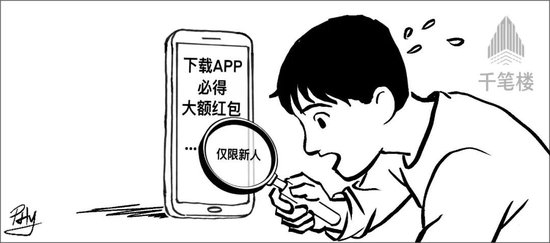
新华社:“大字吸睛、小字免责”,这样的小把戏该退场了
Xin Lang Cai Jing· 2025-12-05 04:41
Core Viewpoint - The article highlights the deceptive advertising practices of companies that use large fonts to attract attention while hiding important disclaimers in small print, undermining consumer trust and damaging the overall market environment [1][5][9]. Group 1: Advertising Practices - Companies often employ the "big font attracts attention, small font exempts liability" strategy, summarized by the media as "three blows" [6]. - Examples include a smartphone brand claiming to be the "king of backlighting" while clarifying in small print that this is merely a design goal [7]. - A clothing brand boasts of being the "global sales leader" for three consecutive years, with small print indicating the data is based on an August 2023 survey, raising questions about the validity of such claims [7]. Group 2: Consumer Impact - Such advertising tactics can lead to consumer deception, making it easy for individuals to fall into traps set by misleading claims [8]. - Consumers may develop distrust towards brands that engage in these practices, leading to cautious spending and reluctance to purchase [9]. - The prevalence of "small print exemptions" can create disputes when consumers seek redress after feeling misled, often leaving them in a difficult position [9]. Group 3: Legal and Regulatory Aspects - Advertising laws and consumer protection regulations mandate that advertisements must be truthful and clear, prohibiting misleading information [10]. - Courts typically assess the visibility of disclaimers based on the average consumer's attention, meaning that hidden disclaimers may not absolve companies from liability [10]. - There is a call for regulatory bodies to enforce standards that ensure core product features, pricing, and promotional conditions are clearly communicated [10]. Group 4: Market Integrity - The article emphasizes that the reliance on deceptive advertising can harm a company's reputation and lead to a loss of consumer trust [8][9]. - The trend of using "small print exemptions" threatens honest businesses, potentially leading to a market where integrity is compromised [9]. - A shift towards quality products and genuine service is advocated as a means to restore consumer confidence and promote a healthier market environment [10].
新华社发文:“大字吸睛、小字免责”,这样的小把戏该退场了
Di Yi Cai Jing Zi Xun· 2025-12-05 04:41
Core Viewpoint - The article highlights the deceptive advertising practices of companies using large eye-catching text for promotions while hiding important disclaimers in small print, which undermines consumer trust and damages the overall market environment [2][5]. Group 1: Advertising Practices - Companies often employ the "big text attracts attention, small text exempts liability" strategy, summarized by the media as "three blows" [3]. - Examples include a smartphone brand claiming to be the "king of backlighting" while clarifying in small print that this is merely a design goal [4]. - A clothing brand boasts of being the "global sales leader" for three consecutive years, with small print indicating the data is based on an August 2023 survey, raising questions about the validity of such claims [4]. Group 2: Consumer Impact - Consumers are easily misled by the prominent claims, leading to skepticism about the quality and materials of products from companies that engage in such advertising tactics [5]. - The small print often goes unnoticed, allowing companies to use exaggerated claims while attempting to shield themselves from accountability [5]. - This practice can lead to disputes when consumers seek to assert their rights after feeling deceived, as companies may use the small print as a defense [5]. Group 3: Industry Implications - The prevalence of the "big text, small text" phenomenon is increasing across various sectors, from manufacturers to retailers, both online and offline [5]. - This trend can erode consumer trust, causing cautious spending behavior, while businesses relying on such tactics risk damaging their reputations [5]. - The article calls for a collaborative effort to address these deceptive practices, emphasizing the need for clear and truthful advertising to foster a trustworthy market environment [6].

新华社发文:“大字吸睛、小字免责”,这样的小把戏该退场了
第一财经· 2025-12-05 04:26
Core Viewpoint - The article highlights the deceptive advertising practices of companies that use large, eye-catching text to attract consumers while hiding important disclaimers in small print, undermining consumer trust and damaging the overall market environment [3][7]. Group 1: Advertising Practices - Companies often employ the "big text attracts attention, small text exempts responsibility" strategy, which has been summarized by the media as "three blows" [4]. - Examples include a smartphone brand claiming to be the "king of backlighting" while stating in small print that this is merely a design goal, raising questions about the integrity of such claims [5]. - Another example involves a clothing brand promoting itself as the global sales leader for three consecutive years, with the small print indicating that the data source is from a survey conducted in August 2023, which seems misleading [5]. Group 2: Consumer Impact - This advertising tactic can lead to consumer rights violations, as consumers may easily fall into traps set by misleading large print [6]. - Consumers may develop distrust towards brands that engage in such practices, leading to cautious spending and reluctance to purchase [7]. - When consumers seek to defend their rights after feeling deceived, companies often use the small print as a defense, resulting in disputes and complicating the consumer's ability to seek redress [6][7]. Group 3: Industry Consequences - The prevalence of the "big text, small text" phenomenon is increasing, raising concerns about the integrity of the market [7]. - Companies relying on such deceptive tactics for short-term gains risk damaging their long-term reputation, as negative public sentiment can quickly erode years of goodwill [7]. - The widespread use of small print disclaimers can lead to a situation where honest companies are driven out of the market by those engaging in dishonest practices [7]. Group 4: Regulatory Recommendations - The article calls for a collaborative effort to address the "big-small text trap," emphasizing the need for clear standards regarding the presentation of core product information [8]. - It suggests that advertising should be truthful and clear, with a focus on making disclaimers easily noticeable to consumers [8]. - Strengthening enforcement against misleading advertising, particularly in high-risk sectors like automotive, finance, and food, is essential to ensure compliance and protect consumers [8].