
央行政策利率

Search documents
中信证券:全球经济可能在2026年进入更柔和而明朗的增长基调
Sou Hu Cai Jing· 2025-11-07 00:24
Core Insights - The global economy is expected to enter a more moderate and clearer growth phase by 2026, with the U.S. economy projected to grow steadily, Eurozone domestic demand likely to recover, and Japan's performance anticipated to be lukewarm [1] Economic Outlook - Inflation "comfort zones" are becoming visible in major economies, with U.S. inflation expected to slightly cool after minor fluctuations, Eurozone likely to maintain a stable new normal, and Japan's apparent inflation rate expected to decline [1] - The interest rate differentials among the U.S., Eurozone, and Japan central banks may converge next year, with the new Federal Reserve chair expected to lead the future rate cut path, projecting a total cut of 50 basis points for the year [1] Market Predictions - The outlook for U.S. stocks in the coming year is positive, while a cautious stance is advised for long-term U.S. Treasury bonds [1] - The U.S. dollar is expected to strengthen after some fluctuations next year, with potential demand-driven opportunities in gold and industrial metals highlighted [1]

潘功胜:不断增强央行政策利率作用 丰富宏观审慎管理政策工具箱
Zheng Quan Shi Bao Wang· 2025-10-31 06:58
Core Viewpoint - The article emphasizes the importance of constructing a scientific and robust monetary policy system and a comprehensive macro-prudential management system to better combine currency stability and financial stability, which is crucial for supporting the construction of a financial powerhouse [1][6]. Monetary Policy System - The monetary policy system aims to dynamically achieve an optimal combination of currency stability, economic growth, full employment, and balance of international payments to promote financial stability from the source [3]. - Key tasks for constructing this system include optimizing the basic currency issuance mechanism, maintaining reasonable growth of financial totals, and enhancing the role of central bank policy rates [3][4]. - It is essential to establish a market-oriented interest rate formation, regulation, and transmission mechanism, narrowing the width of the short-term interest rate corridor to improve the transmission from central bank policy rates to market benchmark rates [3][4]. Macro-Prudential Management System - The macro-prudential management system aims to observe, assess, and respond to financial risks from a macro, counter-cyclical, and contagion perspective, taking appropriate measures to prevent systemic financial risks [6]. - Key tasks include strengthening the monitoring and assessment of systemic financial risks, establishing a standardized macro-prudential monitoring framework, and focusing on key areas such as systemically important financial institutions and cross-border capital flows [6][7]. - The system also emphasizes the need to enhance risk prevention measures in key sectors and improve the policy toolbox for macro-prudential management, ensuring a balanced approach to risk prevention and innovation in internet finance [7][8].
潘功胜最新发文 详解“双支柱体系”主要任务
Zheng Quan Shi Bao· 2025-10-31 06:54
Core Viewpoint - The article emphasizes the importance of constructing a scientific and robust monetary policy system and a comprehensive macro-prudential management system to better combine currency stability and financial stability, which is crucial for supporting the construction of a financial powerhouse [1][6]. Monetary Policy System - The monetary policy system is described as the "first pillar" and is relatively mature, focusing on optimizing the base currency issuance mechanism and maintaining reasonable growth in financial totals [1][3]. - There is a need to enhance the role of central bank policy rates, narrow the width of the short-term interest rate corridor, and improve the transmission from central bank policy rates to market benchmark rates [3][4]. - The system aims to achieve a dynamic balance among currency stability, economic growth, full employment, and international balance of payments [3][4]. Macro-Prudential Management System - The macro-prudential management system is referred to as the "second pillar," which requires gradual improvement and close coordination with monetary policy [1][2]. - It aims to observe, assess, and respond to financial risks from a macro, counter-cyclical, and contagion perspective, preventing systemic financial risks that could disrupt macro stability [6][7]. - Key tasks include strengthening the monitoring and assessment of systemic financial risks, implementing risk prevention measures in critical areas, and enriching the policy toolbox for macro-prudential management [6][7][8]. Policy Tools and Framework - The article highlights the need to enrich the policy toolbox for macro-prudential management, focusing on areas such as systemically important financial institutions, broad credit, real estate finance, and cross-border capital flows [2][5][7]. - A standardized and systematic framework for macro-prudential monitoring and assessment is essential to identify and evaluate representative risks and weaknesses [6][7]. - The construction of a financial stability guarantee system is crucial, emphasizing the importance of corporate governance and risk management within financial institutions [8].
潘功胜最新发文!详解“双支柱体系”主要任务
券商中国· 2025-10-31 06:44
Core Viewpoint - The article emphasizes the importance of constructing a scientific and robust monetary policy system and a comprehensive macro-prudential management system to better combine currency stability and financial stability, which is crucial for supporting the construction of a financial powerhouse [1][2]. Summary by Sections Monetary Policy System - The monetary policy system is described as the "first pillar" and is relatively mature, while macro-prudential management, the "second pillar," requires gradual improvement and close coordination with monetary policy [1]. - Key tasks for constructing a robust monetary policy system include optimizing the mechanism for basic currency issuance, maintaining reasonable growth in financial totals, and enhancing the role of central bank policy rates [3][4]. - The article outlines five main aspects to advance the monetary policy system: 1. Optimize the basic currency issuance mechanism and maintain adequate liquidity in the banking system to meet the financing needs of the real economy [3]. 2. Improve the market-oriented interest rate formation and transmission mechanism, narrowing the width of the short-term interest rate corridor [4]. 3. Develop a structural monetary policy tool system to address structural contradictions in the economy [4]. 4. Enhance the RMB exchange rate formation mechanism to maintain exchange rate flexibility and prevent excessive fluctuations [4]. 5. Ensure smooth transmission of monetary policy and improve the effectiveness of policy implementation [5]. Macro-Prudential Management System - The macro-prudential management system aims to observe, assess, and respond to financial risks from a macro and counter-cyclical perspective, preventing systemic financial risks that could disrupt macro stability [6]. - Key tasks for constructing a comprehensive macro-prudential management system include: 1. Strengthening the monitoring and assessment of systemic financial risks through a standardized framework [6]. 2. Implementing risk prevention measures in key areas to prevent significant fluctuations in critical sectors from impacting economic development [7]. 3. Enriching the policy toolbox for macro-prudential management, focusing on areas like systemically important financial institutions and cross-border capital flows [7]. 4. Building a financial stability guarantee system that enhances corporate governance and risk management in financial institutions [8]. 5. Strengthening financial security capabilities in line with the level of openness, promoting the internationalization of the RMB, and participating in global financial governance [8].


潘功胜最新发文,详解“双支柱体系”主要任务
Zheng Quan Shi Bao· 2025-10-31 06:07
Core Viewpoint - The article emphasizes the importance of constructing a scientific and robust monetary policy system and a comprehensive macro-prudential management system to better combine currency stability and financial stability, which is crucial for supporting the construction of a financial powerhouse [1][5]. Monetary Policy System - The monetary policy system is described as the "first pillar" and is relatively mature, while macro-prudential management, as the "second pillar," requires gradual improvement and close coordination with monetary policy [1]. - Key tasks for the monetary policy system include optimizing the base currency issuance mechanism, maintaining reasonable growth in financial totals, and enhancing the role of central bank policy rates [3][4]. - The need to establish a market-oriented interest rate formation, regulation, and transmission mechanism is highlighted, aiming to narrow the width of the short-term interest rate corridor and improve the quality of loan market quotation rates (LPR) [3][4]. Macro-Prudential Management System - The macro-prudential management system aims to observe, assess, and respond to financial risks from a macro, counter-cyclical, and contagion perspective, preventing the accumulation of financial risks and avoiding systemic financial crises [5][6]. - Key tasks include strengthening the monitoring and assessment of systemic financial risks, establishing a standardized macro-prudential monitoring framework, and focusing on critical areas such as systemically important financial institutions and cross-border capital flows [6][7]. - The article stresses the importance of developing a comprehensive toolbox for macro-prudential management, which includes policies for various sectors like real estate finance and cross-border capital flows, to respond effectively to macroeconomic and financial market fluctuations [7][8]. Financial Stability Assurance - The construction of a financial stability assurance system is essential, which involves strengthening corporate governance and risk management of financial institutions, enhancing daily supervision, and establishing early correction mechanisms for financial risks [8]. - The article calls for a coordinated approach among macro-prudential management, micro-prudential regulation, and behavioral supervision to form a collective effort in preventing financial risks [8].
潘功胜最新发文,详解“双支柱体系”主要任务
证券时报· 2025-10-31 06:05
Core Viewpoint - The article emphasizes the importance of constructing a scientific and robust monetary policy system and a comprehensive macro-prudential management system to better combine currency stability and financial stability, which is crucial for supporting the construction of a financial powerhouse [1][2]. Summary by Sections Monetary Policy System - The monetary policy system aims to dynamically achieve an optimal combination of currency stability, economic growth, full employment, and balance of international payments, thereby promoting financial stability from the source [4]. - Key tasks for constructing this system include: - Optimizing the mechanism for basic currency issuance and monetary policy intermediaries to maintain reasonable growth in financial totals [4]. - Establishing a market-oriented interest rate formation, regulation, and transmission mechanism, enhancing the role of central bank policy rates, and narrowing the width of the short-term interest rate corridor [4]. - Improving the structural monetary policy tool system to address structural contradictions in economic operations [5]. - Continuously improving the RMB exchange rate formation mechanism to maintain exchange rate flexibility and support effective monetary policy implementation [5]. - Ensuring smooth transmission of monetary policy by enhancing the effectiveness of policy implementation and coordination with fiscal and industrial policies [5]. Macro-Prudential Management System - The macro-prudential management system aims to observe, assess, and respond to financial risks from a macro, counter-cyclical, and contagion perspective, taking appropriate measures to prevent systemic financial risks [7]. - Key tasks for this system include: - Strengthening the monitoring and assessment of systemic financial risks through a standardized and systematic framework [8]. - Implementing comprehensive risk prevention measures in key areas to prevent significant fluctuations in critical sectors from impacting high-quality economic and financial development [8]. - Enriching the policy toolbox for macro-prudential management based on monitoring and analysis results [9]. - Building a financial stability guarantee system by enhancing corporate governance and risk management of financial institutions [9]. - Strengthening financial security capabilities in line with the level of openness, promoting orderly financial service industry and market reforms [10].
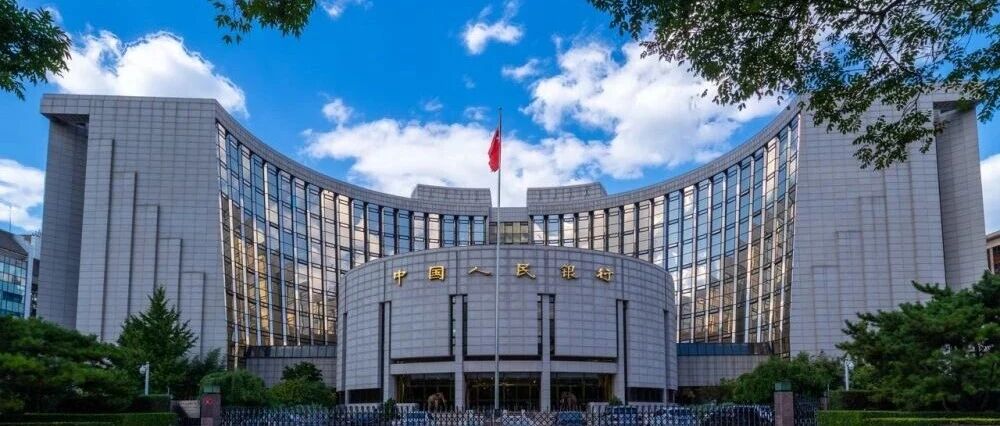
中国央行行长潘功胜:不断增强央行政策利率的作用,收窄短期利率走廊的宽度
Sou Hu Cai Jing· 2025-10-31 05:31
Core Viewpoint - The article emphasizes the need to establish a scientific and robust monetary policy system along with a comprehensive macro-prudential management framework in China [1] Group 1: Monetary Policy - The central bank aims to enhance the role of policy interest rates and narrow the width of the short-term interest rate corridor [1] - There is a focus on improving the transmission mechanism from central bank policy rates to market benchmark rates and subsequently to various financial market rates [1] Group 2: Interest Rate Mechanism - The article highlights the importance of refining the loan interest rate pricing benchmark to better reflect the actual level of loan market interest rates [1] - It calls for improvements in the quality of the Loan Prime Rate (LPR) quotations [1]
潘功胜:不断增强央行政策利率的作用,收窄短期利率走廊的宽度
Zheng Quan Shi Bao Wang· 2025-10-31 05:12
Core Viewpoint - The article emphasizes the need to establish a scientific and robust monetary policy system and a comprehensive macro-prudential management system in China [1] Group 1: Monetary Policy - The central bank aims to enhance the role of policy interest rates and narrow the width of the short-term interest rate corridor [1] - There is a focus on improving the transmission mechanism from central bank policy rates to market benchmark rates and various financial market rates [1] - The article advocates for the refinement of loan interest rate pricing benchmarks to better reflect the actual level of loan market interest rates [1]
瑞士至6月19日央行政策利率 0%,预期0%,前值0.25%。
news flash· 2025-06-19 07:33
Core Viewpoint - The Swiss National Bank (SNB) has maintained its policy interest rate at 0% as of June 19, with expectations aligning at 0% and a previous rate of 0.25% [1] Summary by Category Monetary Policy - The current policy interest rate set by the SNB is 0%, unchanged from previous expectations and the prior rate of 0.25% [1]
路透调查:30位经济学家中有20位预计到2025年底,瑞士央行政策利率将为0%,九位认为将为0.25%,一位则预计为0.50%。
news flash· 2025-06-16 12:00
Core Insights - A Reuters survey indicates that among 30 economists, 20 expect the Swiss National Bank's policy interest rate to be 0% by the end of 2025, while 9 predict it will be 0.25%, and 1 forecasts it will be 0.50% [1] Summary by Category - **Interest Rate Predictions** - 20 out of 30 economists forecast a policy interest rate of 0% by the end of 2025 [1] - 9 economists anticipate a rate of 0.25% [1] - 1 economist expects a rate of 0.50% [1]