工业设计

Search documents
技术为核、双轮驱动,毅昌科技战略转型成效显现
Quan Jing Wang· 2026-01-09 10:19
Group 1 - The core viewpoint of the article highlights Yichang Technology's successful transformation from a traditional home appliance component supplier to a high-end intelligent manufacturing solution provider, with a clear future blueprint presented during the investor briefing on January 9 [1] - The management revealed that the strategic transformation has begun to show results in financial and business structure, with the automotive and new energy businesses accounting for over 60% of total revenue by the first half of 2025, making them the main growth drivers, particularly with new energy revenue increasing by 177.09% year-on-year [1] - The company's confidence stems from its deep technological layout in the new energy sector, having acquired and integrated core technologies in battery thermal management, becoming a supplier to leading companies such as CATL, EVE Energy, and Sungrow, and successfully entering Huawei's HarmonyOS ecosystem [1] Group 2 - In the robotics sector, the company is not merely following trends but is leveraging its core capabilities in mold and injection molding to extend into this area, having signed strategic agreements with technology companies for the development and delivery of components for embodied intelligent robots [1] - The unique qualification of having a "national-level industrial design center" is continuously translating into competitive advantages in customer acquisition and product premium, enabling the company to participate in early joint development with clients and upgrade from a "manufacturer" to a "design and manufacturing integrated solution provider" [1] - With the entry of state-owned assets from Chuzhou, Yichang Technology's dual-wheel drive strategy of "automotive fundamentals + new energy business" is expected to accelerate further, solidifying its leading position in the high value-added precision component sector [2]

A Decade of Intelligent Innovation: Reaching New Heights, The 10th Design Intelligence Award Ceremony Held at the China Academy of Art
TMX Newsfile· 2025-12-25 07:48
Core Insights - The 10th Design Intelligence Award (DIA) ceremony highlighted the importance of industrial design in enhancing product value and competitiveness in Chinese manufacturing, as emphasized by Vice Governor Lu Shan [4] - The award has evolved into an internationally recognized platform for industrial design, showcasing innovative works and fostering collaboration between education, industry, and technology [8][9] - This year's award attracted participation from 52 countries, with a focus on emerging technologies and industries, reflecting global design diversity and cross-cultural exchange [20][17] Group 1: Award Ceremony Highlights - The ceremony was attended by over 600 guests, including government officials, academics, and industry leaders, showcasing the event's significance [2] - Vice Governor Lu Shan presented the grand prize to Huawei's Harmony ecosystem, emphasizing the award's role in promoting high-quality industrial design [5][4] - The event featured speeches from notable figures, including Xu Jiang and Yu Xuhong, who discussed the award's evolution and its impact on global design [7][10] Group 2: Award Achievements and Participation - Over the past decade, the DIA has received more than 65,000 entries from 87 countries, with a participation rate of 84% from leading innovative nations [20] - This year, the award focused on ten key scenarios, including smart health and intelligent visualization, and announced the "Top Ten Cases of the Decade" [20] - The introduction of the "Innovation Incubation Award" aims to facilitate the transformation of innovative projects from laboratories to market, involving prestigious universities and pioneering companies [41] Group 3: Future Directions and Collaborations - The award aims to continue fostering the integration of art and technology, promoting interdisciplinary talent and addressing global challenges through design [12][14] - A strategic cooperation agreement was signed between the Cumulus Association and the China Academy of Art to enhance international collaboration in design education and research [15][18] - The "Development Declaration for the New Decade of the DIA" outlines principles for connecting academic, industrial, and social innovation ecosystems, emphasizing the role of design in addressing humanity's common challenges [30][31]
强链补链 一瓶酒的产业链条
Xin Lang Cai Jing· 2025-12-23 22:11
Group 1 - The core viewpoint of the articles emphasizes the strategic focus of Moutai Group on enhancing its packaging industry chain to boost value-added growth and tap into the potential of the Guizhou liquor packaging market [1][2][3] - Moutai Group's technical development company has established a comprehensive service system for design, sampling, and production, which includes a provincial-level industrial design center and a national-level packaging technology research center [2] - The company has invested in local production capabilities, such as the Guizhou Jingqi Glass Company, which can produce 320 million glass bottles annually, and the Shenren Packaging Printing Company, which produces millions of packaging items [2] Group 2 - The integration of industrial design into the entire industry chain is highlighted as a key driver for traditional industries' transformation and economic high-quality development, moving beyond mere aesthetics to include standards, patents, and anti-counterfeiting measures [3] - Moutai's approach to packaging not only supports its own production but also serves over 30 external liquor companies, showcasing its role as a leader in the industry [2] - The focus on innovation in packaging design and production processes is seen as essential for maintaining competitive advantages and addressing industry challenges [3]

青岛高新区工业设计赋能产业升级:创新生态激活新质生产力
Qi Lu Wan Bao· 2025-12-22 06:47
Core Insights - Qingdao High-tech Zone enterprises excelled in the 2025 "Mayor's Cup" Industrial Design Competition, winning 2 gold, 3 silver, and 4 bronze awards, showcasing the region's commitment to "design + manufacturing" and driving high-quality industrial development [1][5] Group 1: Company Achievements - Duyou Intelligent won all three awards (gold, silver, and bronze) in the competition, highlighting its innovative design capabilities [2] - The gold-winning product, the "Unmanned Intelligent Aerial Fire Truck," addresses high-risk firefighting scenarios by integrating electromechanical information technology and autonomous capabilities [2][3] - The fire truck features a multi-degree-of-freedom robotic arm and a self-developed needle arm system, enabling large-scale and precise firefighting, with remote operation capabilities for firefighters [2][3] Group 2: Market Impact - The fire truck demonstrates strong adaptability, capable of autonomous site inspections and real-time monitoring of hazards, with a dual-track chassis for stable operation on various terrains [3] - Following its launch, the product has seen significant sales growth, with revenue and profit increasing substantially, leading to a steady rise in market share [3] Group 3: Ecosystem Development - Duyou Intelligent's success reflects the robust design innovation ecosystem cultivated in Qingdao High-tech Zone, which has over 200 large-scale industrial enterprises and two major industrial parks [4] - The region has established a comprehensive service network for industrial design, including 21 city-level design centers, facilitating the transformation of design achievements into market-ready products [5] Group 4: Industry Transformation - Industrial design is evolving from product optimization to a core driver of high-quality industrial development, impacting various sectors from firefighting equipment to medical devices [6] - The integration of design and artificial intelligence is creating new opportunities for industry upgrades, as seen in the competition's new AI category, aligning with the region's industrial layout [6] Group 5: Future Outlook - Qingdao High-tech Zone aims to leverage industrial design to foster smart manufacturing, with a vision of linking technology, industry, and market to enhance competitiveness [7] - The ongoing development of the design ecosystem is expected to nurture more innovative companies like Duyou Intelligent, contributing to the transformation of the national manufacturing sector [7]
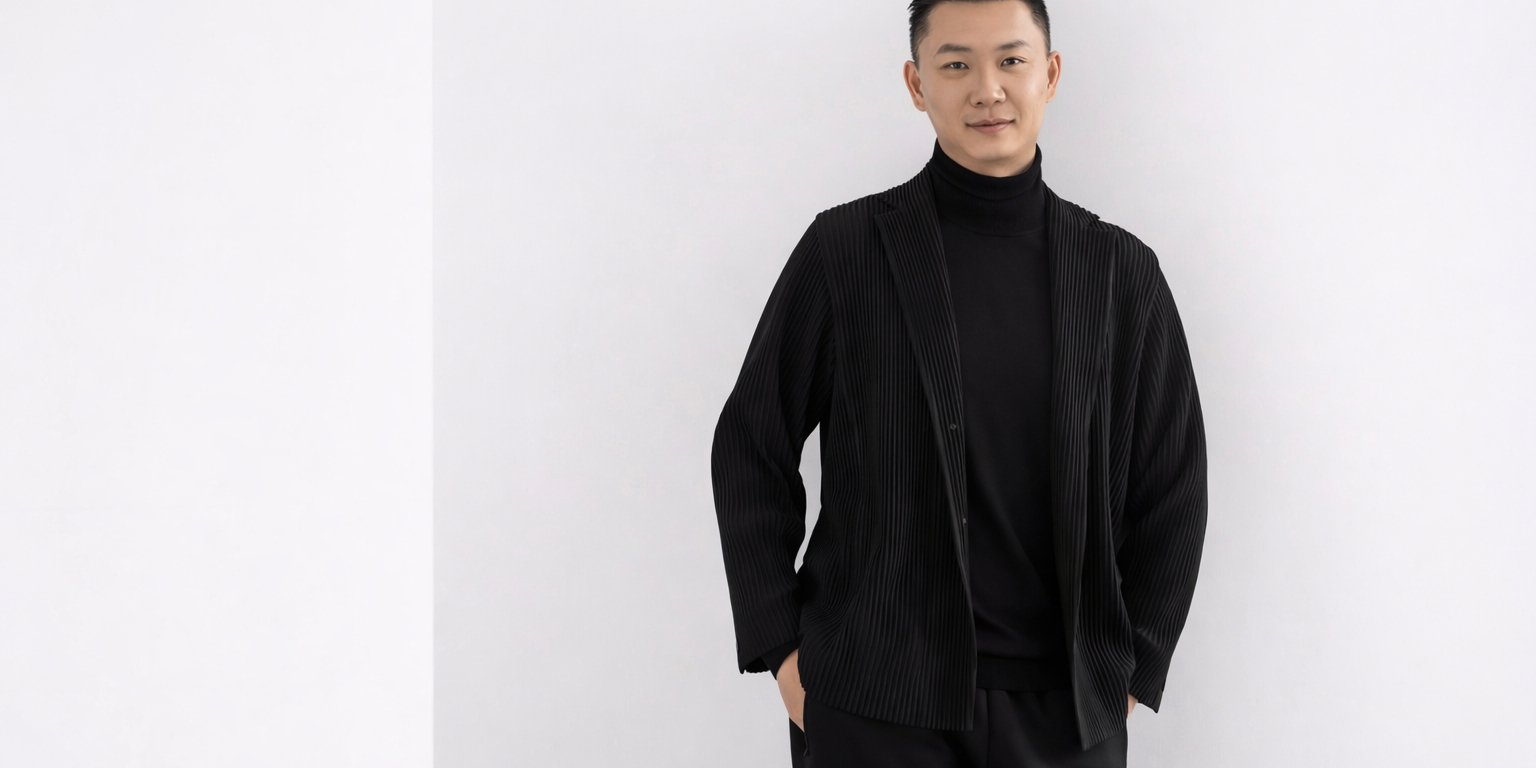
他设计的手机卖了1.5亿台|我们的四分之一世纪
经济观察报· 2025-12-19 11:16
Core Insights - The article highlights the journey of a prominent industrial designer, Shi Xiaoxi, who transitioned from designing mobile phones at Nokia to exploring broader design fields, emphasizing the importance of material and manufacturing processes in design [3][4][19]. Group 1: Background and Early Career - Shi Xiaoxi, at 44 years old, is recognized for his passion for design rather than electronic products, having been one of the youngest design experts at Nokia, where he led the design of the Nokia 1200, which sold over 150 million units globally [3][9]. - In 2006, Nokia was at its peak, with annual sales exceeding 400 million units and a market share of 40%, making it a dominant player in the mobile phone industry [8][16]. - The Nokia 1200 project was initially seen as a low-budget, low-resource endeavor, yet it became one of Nokia's most successful products, illustrating the significance of design choices in product success [9][10]. Group 2: Transition to Smart Devices - The launch of the iPhone in 2007 marked a pivotal shift in the mobile phone industry, but Nokia's management was overconfident in their existing capabilities, leading to missed opportunities in the smartphone market [13][15]. - Despite efforts to innovate, Nokia struggled with internal processes and decision-making, ultimately leading to a significant decline in market share and a loss of 5.2 billion euros in 2013 [16][17]. Group 3: Design Philosophy and Evolution - Shi Xiaoxi's design philosophy evolved to prioritize material-driven and manufacturing-first approaches, moving away from purely aesthetic considerations to focus on practical and feasible designs [21][22]. - His experience in various manufacturing environments reshaped his understanding of design, emphasizing the importance of collaboration with manufacturers to achieve innovative outcomes [21][22]. Group 4: Current Endeavors and Future Outlook - After leaving Nokia, Shi Xiaoxi continued to work in design, focusing on diverse projects, including a minimalist smart bracelet that won multiple design awards, showcasing his commitment to simplicity and functionality [19][20]. - He believes that the future of design lies in understanding manufacturing processes and trends, advocating for a broad perspective that incorporates insights from various fields [21][23].


他设计的手机卖了1.5亿台 | 我们的四分之一世纪
Jing Ji Guan Cha Wang· 2025-12-19 10:28
Core Insights - The article highlights the journey of a prominent industrial designer, Shi Xiaoxi, who transitioned from designing mobile phones at Nokia to exploring broader design concepts, emphasizing the importance of materials and manufacturing processes in design [1][2][19]. Group 1: Background and Early Career - Shi Xiaoxi, a 44-year-old industrial designer, was one of the youngest design experts at Nokia, leading the design of the Nokia 1200, which sold over 150 million units globally, making it one of the best-selling phones in history [1][7]. - In 2006, Nokia was at its peak, with annual sales exceeding 400 million units and a market share of 40%, nearly double that of its closest competitor, Motorola [6][14]. - The design environment at Nokia was unique, integrating design with engineering and marketing, allowing designers like Shi to have significant influence over product decisions [6][8]. Group 2: Design Philosophy and Challenges - Shi's design philosophy evolved to encompass not just aesthetics but also supply chain, cost, craftsmanship, and cultural considerations, recognizing that design is a product of its environment [8][10]. - The introduction of the iPhone in 2007 marked a turning point for the mobile industry, but Nokia's management was slow to adapt, leading to missed opportunities in the smartphone market [10][12]. - Despite efforts to innovate, Nokia's reliance on outdated systems and processes ultimately led to its decline, with a significant loss of market share and eventual acquisition by Microsoft in 2013 [13][14]. Group 3: Transition and Current Work - After leaving Nokia, Shi shifted his focus from mobile phones to a broader range of design projects, emphasizing the importance of material exploration and manufacturing capabilities [19][20]. - His notable work includes the Amazfit smart band, which features a minimalist design inspired by traditional Chinese aesthetics, showcasing his ability to blend cultural elements with modern technology [17][18]. - Shi advocates for a design approach that prioritizes collaboration with manufacturers and embraces new materials and technologies, moving away from traditional design paradigms [19][20]. Group 4: Industry Reflections and Future Outlook - The article reflects on the changing landscape of the mobile industry, where design has become secondary to software and ecosystem considerations, contrasting the past focus on hardware aesthetics [15][21]. - Shi emphasizes the need for designers to maintain a broad perspective and adapt to new trends, warning against the dangers of becoming insular in thought and practice [20][21]. - The narrative concludes with a poignant reminder of the past, as Shi encounters a Nokia 5000, a product he once designed, symbolizing the legacy of an era that has since transformed [22].
诠释“新质设计”力量,华宝新能两款获奖旗舰亮相厦门红点设计博物馆
Sou Hu Wang· 2025-12-19 09:09
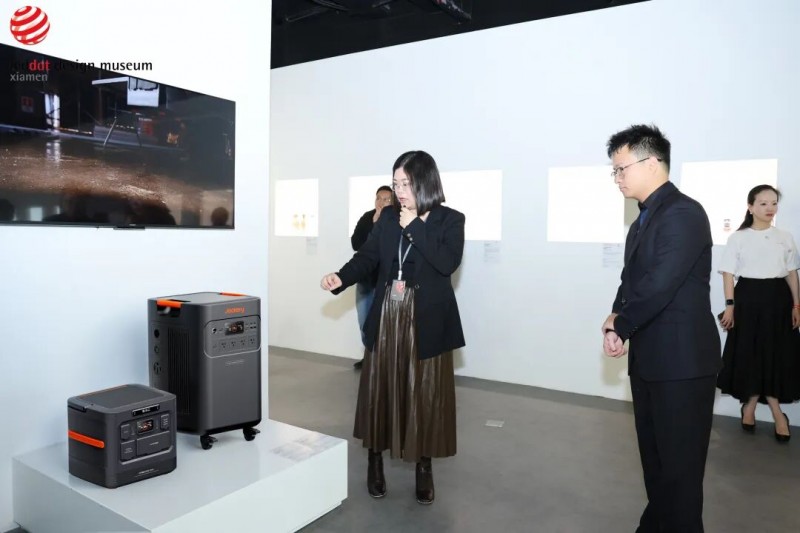
Core Viewpoint - Jackery, a leader in portable energy storage, showcased its award-winning products at the Red Dot Design Museum, highlighting the transition from "Made in China" to "Created in China" in industrial design [1][3]. Group 1: Product Highlights - Jackery Explorer 1500 Ultra features a robust design with IP65 dust and water resistance and 10-level shock resistance, making it suitable for extreme outdoor conditions [4][6]. - The product incorporates innovative materials and structures, including a titanium alloy module and a fire-resistant outer shell, ensuring comprehensive protection [6][7]. - The design includes a unique UltraBase for dust and heat dissipation, optimizing the cooling system for high-power output [9][11]. Group 2: Sustainability and System Thinking - The Explorer 1500 Ultra uses PCR recycled aluminum for its lower shell, promoting resource recycling and sustainability [11]. - Jackery Explorer 5000 Plus represents a modular energy system that can expand up to 60kWh, catering to larger appliances and electric vehicles, while seamlessly integrating with solar systems [12][13]. - The product is designed for a wide temperature range and features ergonomic mobility, addressing both home and outdoor energy needs [15]. Group 3: Design Recognition and Philosophy - Jackery has won 113 international design awards, including the prestigious Red Dot and iF awards, establishing itself as a benchmark in the green energy sector [17]. - The company emphasizes that good design bridges cutting-edge technology and everyday life, aiming to make green energy accessible to all [18].
2025武汉国际工业设计博览会开幕 200余家国内外企业参展
Chang Jiang Shang Bao· 2025-12-14 23:47
Core Insights - The 2025 Wuhan International Industrial Design Expo, themed "Design Intelligence, Open Sharing of New Opportunities," has commenced, featuring over 200 domestic and international enterprises and covering an area of more than 20,000 square meters [1] Group 1: Event Overview - The expo is supported by the Ministry of Industry and Information Technology and is recognized as the most influential industrial design event in China, marking its eighth consecutive year in Wuhan [1] - The event has been officially renamed to reflect its professional and international upgrade, emphasizing Wuhan's commitment to becoming a design powerhouse and enhancing manufacturing industry upgrades [1] Group 2: Industry Data - Wuhan's industrial design sector has reached a total scale of 33 billion yuan, with over 3,200 related enterprises and 10 national and 74 provincial industrial design centers established [1] - More than 80% of the research and design for green intelligent ships in China originates from Wuhan [1] Group 3: Exhibition Highlights - The expo features ten distinctive exhibition areas, including local, international, and innovation design zones, as well as specialized areas for low-altitude economy, AI empowerment, and future industries [1] - Notable exhibits include models of the C909, C919, and C929 aircraft from China Commercial Aircraft Corporation, showcasing advancements in high-end aviation manufacturing [2] Group 4: Technological Innovations - AI technology is a key highlight, with the launch of the Degen 3 AI industrial design platform by Liangjiang Design, which can reduce design costs by 80% and improve efficiency by 200%, currently serving over 200,000 designers globally [2] - The low-altitude economy section features innovations such as Kepler Satellite's centimeter-level positioning system and a four-seat "flying car" from Deying Technology, both driven by AI algorithms [2] Group 5: Educational Integration - The expo includes a special area for industry-education integration, showcasing innovative products from universities like Ningbo University and Shanghai Visual Arts College [3] - Various supporting activities are held during the expo, including design forums and industry matchmaking events, aimed at fostering collaboration and nurturing future talent [3]
会飞的逃生舱、能变水的单车,工业设计:眺望未来的望远镜
Chang Jiang Ri Bao· 2025-12-14 00:58
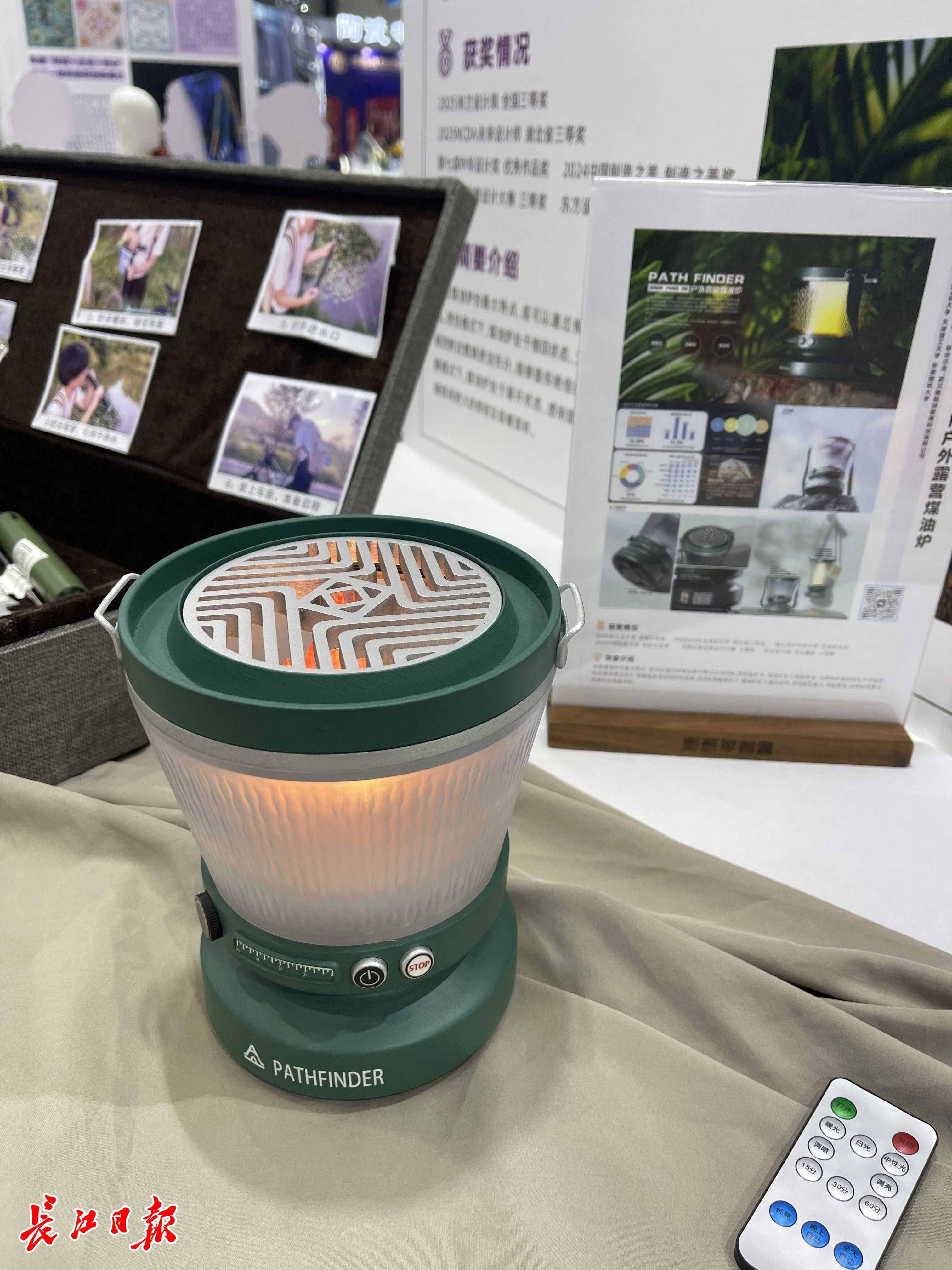
Group 1 - The article highlights the emergence of futuristic designs at the Wuhan International Industrial Design Expo, showcasing how technology is integrating into everyday activities like camping and commuting [1] - A multifunctional outdoor camping kerosene stove, designed by Hubei University of Technology and Wuhan Kukuqiu Education Technology Co., allows for flexible switching between cooking, lighting, and heating modes, winning third place at the 2025 Milan Design Week [6] - A bike seat tube water purifier, which combines a water purification system with a bicycle seat, utilizes a piston pumping mechanism and a three-layer filter to provide safe drinking water for cyclists, earning an award for excellent concept design at the 2025 Golden Reed Industrial Design Competition [6] Group 2 - The smart flying backpack, designed by the School of Art and Design at Wuhan University of Technology, is aimed at emergency escape from high-rise buildings, allowing users to don it in just five minutes and providing automated flight and obstacle avoidance [9][10] - The flying backpack offers a systematic solution for emergency evacuations in urban high-rises, exploring innovative pathways in public safety equipment [9] - A "rare earth two-wheeler," made from solid-state hydrogen storage alloys, is now in use for two-wheelers and industrial forklifts, showcasing advancements in clean energy transportation [13][15] - This two-wheeler can travel 80 kilometers on a single hydrogen tank, is particularly suited for cold northern climates, and maintains 90% performance after 2000 cycles, aligning with China's dual carbon strategy [18]
行业总规模达336亿元,顶尖工业设计塑造武汉“五谷”产业竞争新优势
Chang Jiang Ri Bao· 2025-12-13 01:32
Core Insights - The 2025 Wuhan International Industrial Design Expo has officially opened, supported by the Ministry of Industry and Information Technology, marking its eighth consecutive year in Wuhan, with the local industrial design sector exceeding 33.6 billion yuan in scale, driving strong momentum for urban industrial development [1] Group 1: Industrial Design's Role in Industry - Industrial design has become a crucial link among five major industrial clusters in Wuhan, providing systematic solutions for user experience upgrades and business model innovations [2] - The strategic value of industrial design is increasingly recognized, with local officials emphasizing the need for innovative empowerment in the sector [2] - Industrial design is enhancing the competitive advantage of Wuhan's industries, particularly in the optoelectronic information field, where it extends product applications and adds value [2] Group 2: Applications in Various Sectors - In the automotive sector, industrial design connects various technologies, redefining smart connected vehicles, with major brands like Dongfeng Lantu showcasing their innovations [5] - The design capabilities extend to the biomedical field, exemplified by a high-fidelity bladder model developed for medical training, which supports pre-surgical communication [5] - Wuhan's industrial design is also penetrating emerging sectors such as low-altitude economy and green intelligent shipping, with innovative projects like a flying car attracting attention [8] Group 3: Industry Growth and Recognition - Wuhan has over 3,200 design companies and has established 10 national and 74 provincial industrial design centers, employing over 12,000 specialized designers [9] - The city has been recognized as a UNESCO Creative City of Design, highlighting its deep-rooted industrial design heritage and vibrant growth [9]