
影子舰队

Search documents
乌克兰制裁中国籍船长与船舶
制裁名单· 2026-02-22 00:18
Group 1 - The core viewpoint of the article highlights Ukraine's recent sanctions against 225 global oil tanker captains, including 59 Chinese nationals, as part of efforts to combat Russia's "shadow fleet" and circumvent Western oil sanctions [1][2] - The sanctions are characterized by their broad coverage, strong constraints, and a long duration of ten years, affecting individuals, vessels, and associated enterprises [2] - The sanctions are a response to the ongoing Russia-Ukraine conflict, where Russia has been using old tankers and non-affiliated third-party shipowners to maintain energy exports despite Western restrictions [1][2] Group 2 - The sanctions impose direct restrictions such as asset freezes, entry bans, and the cancellation of official cooperation for individuals, while vessels and related enterprises face trade halts and asset freezes [2] - The high degree of coordination between Ukraine and Western sanctions systems poses significant risks, as individuals and entities listed by Ukraine may also face secondary sanctions from the EU and the US [2] - For Chinese crew members, shipping companies, and traders, the event signals clear compliance warning signs, indicating that captains are now direct targets of sanctions, which could affect their personal and professional lives [3]

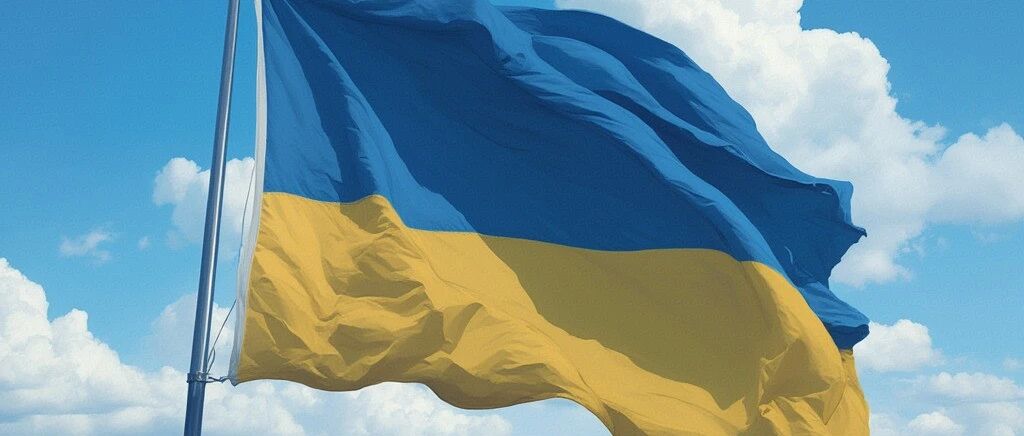
泽连斯基签署法令!对225名参与出口俄罗斯石油产品的船只船长实施制裁!
Xin Lang Cai Jing· 2026-02-21 14:09
Core Viewpoint - Ukraine's President Zelensky has signed decrees to implement new sanctions against Russia's "shadow fleet" and military enterprises, following recommendations from the National Security and Defense Council [1] Group 1: Sanctions on the Shadow Fleet - The sanctions target 225 captains of vessels involved in exporting Russian oil products, with individuals from 11 countries, including Russia, India, and the Philippines, affected [1] - The term "shadow fleet" is used by Western nations to describe commercial vessels that Russia allegedly uses to evade sanctions [1] Group 2: Sanctions on Individuals and Companies - Sanctions have been imposed on 46 Russian citizens, 2 Iranian citizens, and 44 Russian companies that support the Russian military-industrial complex [1] - The sanctioned companies are involved in the supply, research, production, and maintenance of electronic warfare systems and components, which are utilized in the production of ballistic and cruise missiles, drones, light weapons, and ammunition [1] Group 3: Coordination with Allies - Ukraine plans to share relevant information with partners to promote synchronized sanctions and will continue to expand sanctions against individuals and entities assisting Russian military operations [1]
泽连斯基签署法令,对俄“影子舰队”实施制裁!欧盟此前已宣布制裁俄“影子舰队”41艘船只
Mei Ri Jing Ji Xin Wen· 2026-02-21 13:33
Group 1 - Ukraine's President Zelensky signed decrees to implement new sanctions against Russia's "shadow fleet" and military enterprises [1] - The sanctions target 225 ship captains involved in exporting Russian oil products, including citizens from 11 countries such as Russia, India, and the Philippines [4] - Additional sanctions include 46 Russian citizens, 2 Iranian citizens, and 44 companies supporting the Russian military-industrial complex, which are involved in the supply, research, production, and maintenance of electronic warfare systems and components [4] Group 2 - The European Union (EU) recently announced sanctions on 41 vessels associated with Russia's "shadow fleet," bringing the total number of sanctioned vessels to nearly 600 [4][5] - The EU plans to increase pressure on Russia and its "shadow fleet" value chain and is prepared to take further sanctions if necessary [5] - Recent EU measures also include sanctions on 5 individuals and 4 entities supporting the operations of the "shadow fleet" [5]
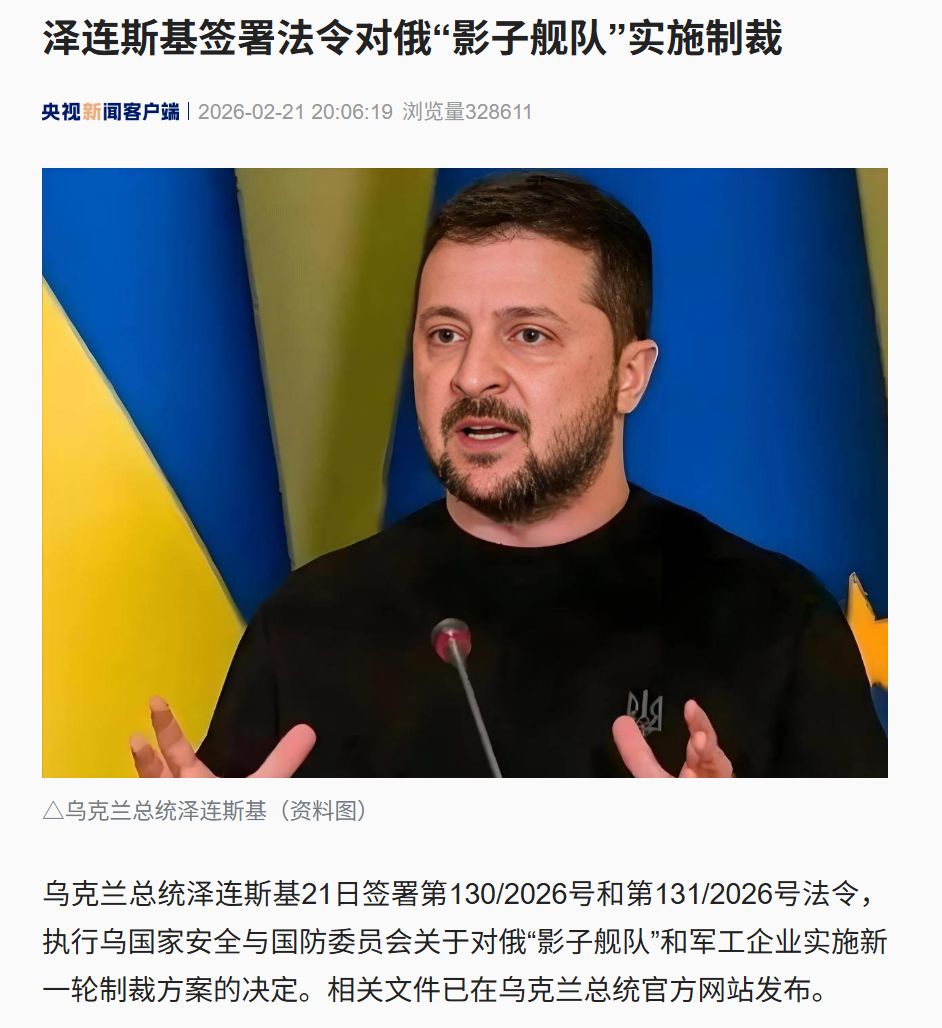
俄总统助理:西方试图瘫痪俄罗斯对外贸易
Yang Shi Xin Wen· 2026-02-17 08:53
Core Viewpoint - The statement from Russian officials indicates that Western actions against Russian merchant ships are perceived as attempts to cripple Russia's foreign trade, with NATO planning to blockade the Kaliningrad region and seize Russian vessels [1] Group 1: Russian Response to Western Actions - Russian officials assert that any attempt to impose a maritime blockade on Russia is completely illegal under international law [1] - The concept of a "shadow fleet" used by the EU against Russia is described as a "legal fiction" [1] - Moscow plans to respond initially through political, diplomatic, and legal mechanisms, with the Russian Navy prepared to eliminate threats if peaceful resolutions fail [1]
英国协助法国拦截俄影子舰队油轮
Feng Huang Wang Cai Jing· 2026-01-24 04:18
Core Viewpoint - The UK government has provided critical intelligence and surveillance support to France to intercept a Russian oil tanker in the Mediterranean, which is suspected of flying a false flag to evade sanctions from the EU, UK, and US, and is part of Russia's "shadow fleet" [1] Group 1: Government Actions - The UK claims this operation is aimed at combating the so-called "shadow fleet" and disrupting Russia's funding for the war [1] - The UK Ministry of Defence has stated that it will regularly track suspected Russian "shadow fleet" activities and share information with allies [1] Group 2: Sanctions and Enforcement - To date, the UK has imposed sanctions on 544 vessels similar to the one intercepted [1]
“换旗”大逃亡!17艘影子油轮突挂俄罗斯国旗,特朗普会拦吗?
Jin Shi Shu Ju· 2026-01-07 06:18
Core Insights - The article discusses the increasing trend of oil tankers changing their registration to Russian flags to seek protection from U.S. sanctions, particularly in relation to Venezuelan oil shipments [1][2][3] Group 1: Shadow Fleet Dynamics - A significant number of tankers are now registering under Russian flags, with 17 vessels reported to have changed flags in recent weeks [1] - Over 40 vessels from the shadow fleet have registered under Russian flags since June of the previous year, indicating a growing trend [3] - The shadow fleet is described as highly flexible, with vessels previously engaged in Venezuelan trade likely to pivot towards Iranian or Russian markets [3] Group 2: U.S. Sanctions and Responses - U.S. actions, including the seizure of vessels carrying sanctioned Venezuelan oil, are accelerating the trend of flag changes to Russian registration [1][2] - Major U.S. oil companies, including Chevron, ConocoPhillips, and ExxonMobil, are reportedly planning to meet with the Trump administration regarding investments in Venezuela's energy sector [1] - The article highlights the uncertainty surrounding the protection that Russia is willing to provide to these vessels engaged in sanctioned trade [2][4] Group 3: Operational Challenges and Risks - Some vessels that have switched to Russian flags remain stranded in Venezuela, indicating operational challenges [3] - The article notes that many of the vessels changing flags are doing so while empty, suggesting they are seeking protection ahead of future loading operations [4] - There is a lack of evidence that many of these vessels have insurance, raising concerns about potential environmental liabilities in case of accidents [4]
佩斯科夫最新发声:七国集团模式已经过时!欧盟宣布制裁俄“影子舰队”41艘船只!
Mei Ri Jing Ji Xin Wen· 2025-12-19 00:12
Group 1 - The Russian presidential press secretary, Peskov, indicated that there may be "multiple economic issues" in the resolution of the Ukraine situation, emphasizing the need for quiet and non-public mediation efforts [1] - Peskov stated that Russia is not interested in rejoining the G7, considering the group's model outdated, and President Putin noted the declining global economic share of the G7, which is expected to continue [3] Group 2 - A Ukrainian suspect involved in the Nord Stream pipeline explosion has been identified as an active soldier in a special forces unit at the time of the incident, confirmed by a Ukrainian Defense Ministry document and a former officer [7] - The suspect was arrested while on vacation in Italy and has been extradited to Germany, where he is currently in custody pending trial. His lawyer argues that the actions should not be criminally charged as they were part of state sovereignty [7] Group 3 - The European Union announced sanctions against 41 vessels of Russia's "shadow fleet," bringing the total number of sanctioned vessels close to 600 [9] - The EU's decision is part of broader measures to increase pressure on Russia and its "shadow fleet" value chain, with additional sanctions on individuals and entities supporting this operation [10]
欧盟宣布新一轮制裁措施
中国能源报· 2025-12-16 02:06
Group 1 - The European Union (EU) announced new sanctions against individuals and entities related to Russia's "shadow fleet" and its "hybrid threats" [1] - The EU added 5 individuals and 4 entities to the sanctions list, citing their support for the operations of the "shadow fleet" and its value chain [1] - The sanctioned individuals are linked to Russian oil companies and are involved in shipping Russian crude oil or petroleum products, using methods to obscure the true source of oil and engaging in "abnormal and high-risk" shipping practices to evade regulation [1] Group 2 - The sanctioned entities include shipping companies based in the UAE, Vietnam, and Russia, which own or manage tankers previously listed for involvement with the "shadow fleet" [1] - The sanctions entail asset freezes, prohibitions on EU citizens and companies providing funds to the listed individuals and entities, and travel bans for the sanctioned individuals [1] - In a separate announcement, the EU added 12 individuals and 2 entities to the sanctions list due to ongoing "hybrid threat" actions by Russia, which include information manipulation and malicious cyber activities against the EU and its member states [1]
乌克兰偷袭黑海两油轮,保险费应声上涨30%,全球国际运价受冲击
Sou Hu Cai Jing· 2025-12-03 10:56
Core Viewpoint - The recent Ukrainian drone attack on oil tankers in the Black Sea has significantly impacted global shipping and energy markets, leading to increased insurance costs and oil prices, while raising concerns about the safety of this crucial shipping route [1]. Group 1: Impact on Shipping Industry - The attack has caused widespread panic in the Black Sea shipping industry, with insurance costs skyrocketing from 0.3%-0.5% to 1.2%-1.5% since the onset of the Russia-Ukraine conflict, and a single voyage insurance premium increasing by approximately $3 million [3][5]. - Over 70% of shipowners have added clauses to their contracts requiring an additional safety premium of $500,000 to $1 million per voyage, leading to a 20% decrease in transportation efficiency in the region [5][7]. - The number of oil tankers stranded in the Black Sea has surged from 12 to 28, resulting in significant financial losses for shipping companies [5][11]. Group 2: Economic Implications - The attack on the "shadow fleet" vessels, which are crucial for Russian oil transport, has disrupted operations that account for $30 billion in annual foreign exchange income for Russia [11][13]. - Historical precedents indicate that increased shipping costs due to such attacks will ultimately be passed on to consumers, as seen during the Somali pirate crisis and the Suez Canal blockage in 2021 [15][17]. - The Black Sea is vital for global oil supply, with 2% of the world's daily oil supply transported through this route, emphasizing the broader economic ramifications of the attack [17]. Group 3: Geopolitical Context - The Ukrainian attack is part of a strategy to target Russia's oil transport capabilities, highlighting the complexities of modern warfare where military actions extend into civilian shipping domains [9][17]. - The situation underscores the interconnectedness of global economies, suggesting that no nation can remain unaffected by conflicts in a globalized world, and emphasizes the need for diplomatic solutions to restore shipping safety [17].
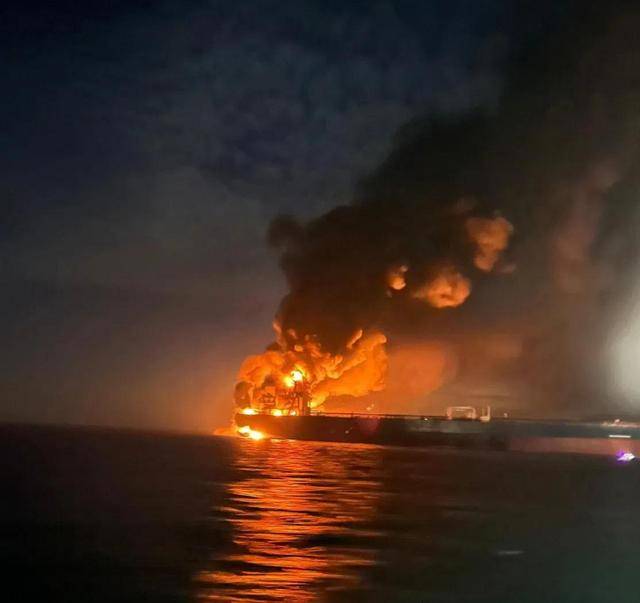
乌克兰开始袭击俄罗斯油轮,黑海舰队无力护航
Xin Lang Cai Jing· 2025-12-03 06:25
Core Viewpoint - The recent drone attacks by Ukraine on the oil tankers "Kairos" and "Vilat" near the Turkish Strait may signify a new phase in the conflict, where Ukraine directly targets Russia's "shadow fleet" to weaken its oil export capabilities [3][26]. Group 1: Attack Details - On November 28, Ukraine's drones attacked the oil tankers "Kairos" and "Vilat," causing significant damage [3][26]. - The attacked tankers are part of Russia's "shadow fleet," which was formed to circumvent sanctions by modifying old tankers and frequently changing their flags and ownership [6][29]. Group 2: Economic Implications - Oil exports are one of the few remaining economic lifelines for Russia, and disrupting this channel could make the war increasingly difficult for them [6][29]. - Ukraine's recent attacks, including those on Novorossiysk, aim to increase pressure on Russia by targeting its critical oil export routes [6][29]. Group 3: International Reactions - Only three countries protested the attacks: Russia, Kazakhstan, and Turkey. Kazakhstan's protest is due to its reliance on Russian ports for 80% of its oil exports [8][31]. - Turkey's protest is seen as a routine response, as the attack occurred in its exclusive economic zone, posing threats to navigation, property, and the environment [9][31]. Group 4: Military Context - Russia's Black Sea Fleet is currently underperforming, with limited naval capabilities and a lack of air superiority in the region [12][25]. - The fleet consists of outdated vessels, including two 1135.6M-class frigates and several smaller ships, which are insufficient for effective escort duties without land-based air support [14][45]. Group 5: Future Outlook - Ukraine may escalate its attacks to completely block Russia's oil exports from the Black Sea, potentially leading to a more challenging situation for Russia [10][32]. - Russia's options to change the situation rely heavily on military force, but the current state of its Black Sea Fleet limits its effectiveness [12][34].
