感知价值

Search documents
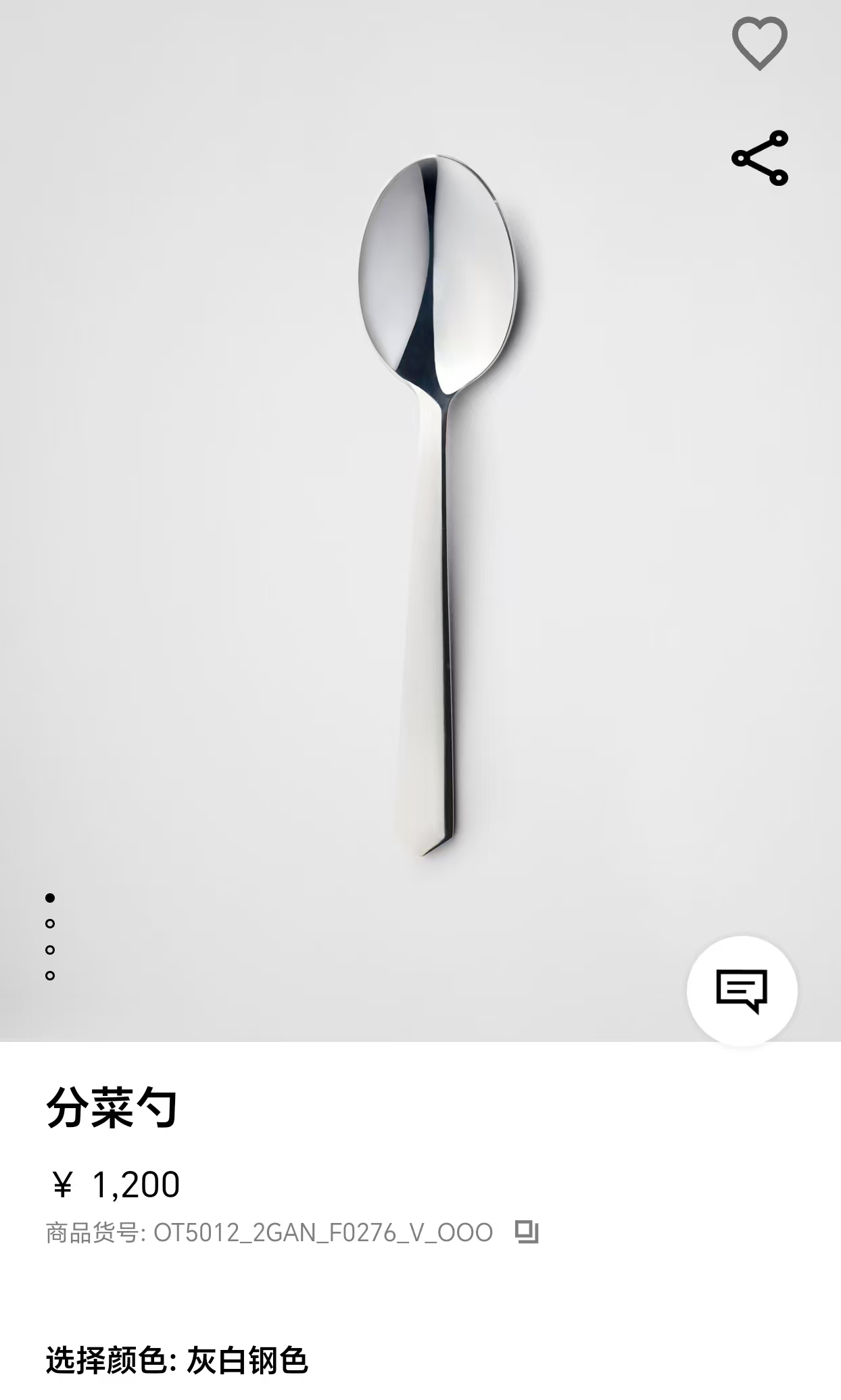
一把不锈钢勺子售价高达1200元,Prada客服:库存仅4件
Xin Lang Cai Jing· 2026-02-09 10:59
Group 1 - Prada has launched a stainless steel serving spoon priced at 1200 yuan, which has garnered significant attention [1] - The spoon measures 23.2 cm in length, features a gray-white steel color, and includes the Prada logo [1][5] - The product is noted for its geometric handle design that reflects Prada's iconic triangular logo, combining durability with aesthetic appeal [5] Group 2 - The product is available in limited stock, with only four pieces reported in stores located in Shenzhen and Chengdu [5] - Other similar products launched by Prada include a stainless steel cake server and a serving fork, both priced at 1200 yuan, and a two-piece stainless steel teaspoon set priced at 1750 yuan [5] Group 3 - Analysts suggest that the high pricing of Prada products reflects perceived value rather than production cost, influenced by the brand's history, fashion impact, and marketing efforts [7] - The design of the products is attributed to a renowned design team, integrating classic brand elements into everyday items, thus enhancing their artistic value [7] Group 4 - Prada's financial performance for the nine months ending September 30, 2025, shows a net revenue of 4.07 billion euros, an 8.9% year-on-year increase [7] - Retail sales for the Prada brand decreased by 2% year-on-year, while Miu Miu's revenue surged by 41%, contributing to a 9.3% overall growth in retail sales for the group [7] Group 5 - Retail sales growth by region includes a 10.4% increase in the Asia-Pacific region, a 14.8% increase in the Americas, and a 6.3% increase in Europe, with stable local demand [8] - Notable growth in sales was also recorded in Japan and the Middle East, at 2.6% and 21.1% respectively [8]


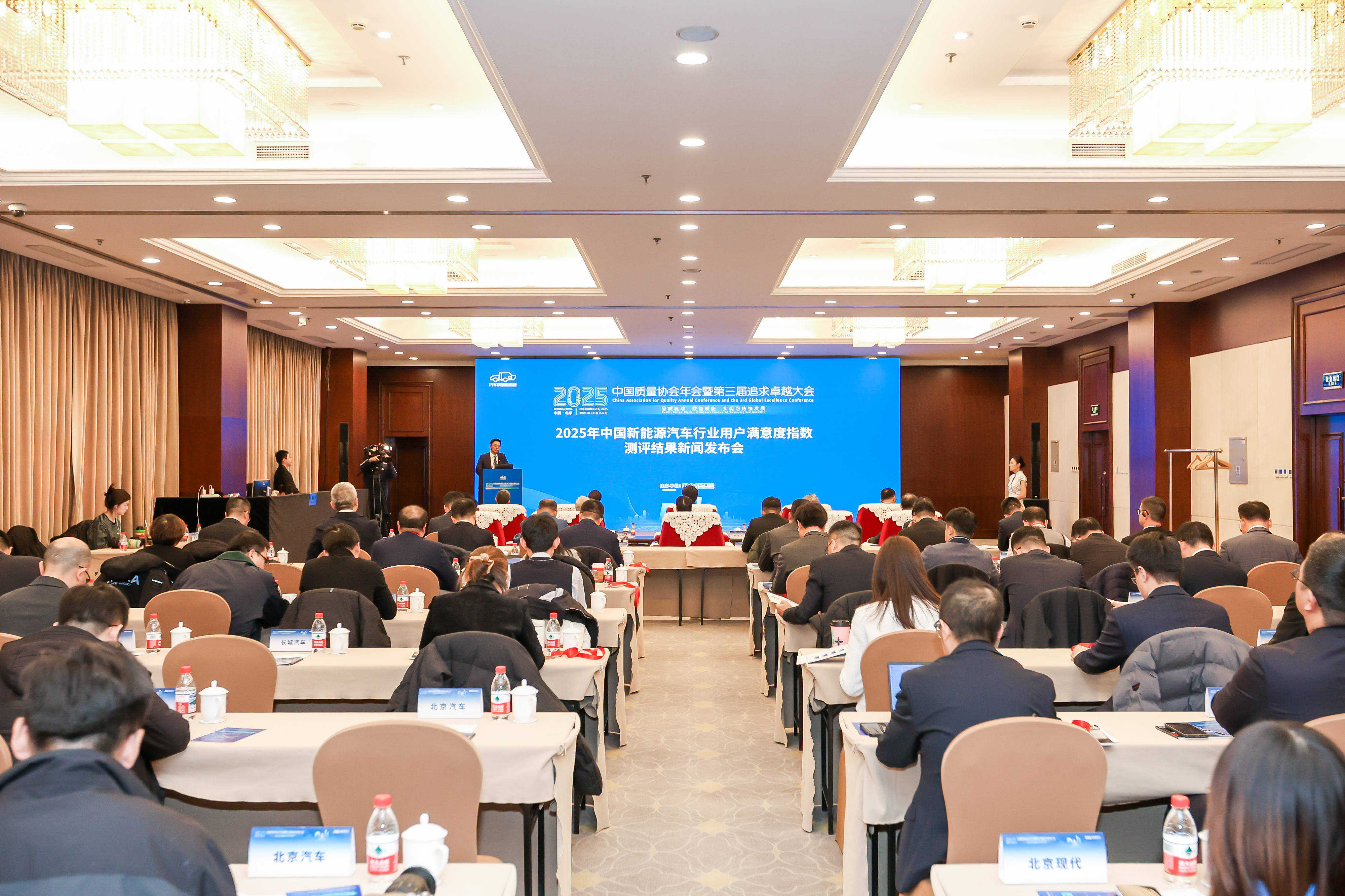
2025年中国新能源汽车行业用户满意度指数同比提升 自主品牌竞争优势显著
Zhong Guo Jing Ji Wang· 2025-12-04 03:12
Core Viewpoint - The 2025 NEV-CACSI index for China's new energy vehicle (NEV) industry reached 80 points, marking a year-on-year increase of 1 point, indicating a shift towards high-quality development in the sector [3][12]. Group 1: User Satisfaction Metrics - The user satisfaction scores for pure electric and hybrid vehicles both reached 80 points, with increases of 2 points and 1 point respectively [3][12]. - The perceived quality score for the NEV industry improved to 80.6 points, up by 1.2 points year-on-year, while the perceived value score rose to 79.7 points, an increase of 1.5 points [11][12]. Group 2: Market Coverage and Methodology - The 2025 assessment covered 162 popular models across various categories, involving 40 automotive manufacturers and 55 brands, with a sample size of 25,303 collected from 128 key cities [10][12]. - The evaluation was conducted through a combination of in-person and online surveys from May 1 to September 30, 2025 [10]. Group 3: Competitive Landscape - Domestic brands achieved a user satisfaction score of 80 points, matching that of joint venture brands, while in the fuel vehicle sector, they scored 1 point lower [12]. - In terms of perceived value, domestic brands scored 79.7 points, leading joint venture brands by 0.1 points in the NEV sector, while trailing by 0.3 points in the fuel vehicle sector [12]. Group 4: Quality and Reliability - The quality reliability satisfaction score for NEVs reached 80.8 points, an increase of 0.7 points year-on-year, with pure electric vehicles scoring 80.7 points and hybrids scoring 81 points [14]. - However, the number of faults per 100 new vehicles increased to 109, up by 18 from the previous year, with smart cockpit issues being the most prevalent [14][15]. Group 5: User Expectations and Service Quality - Users exhibited lower tolerance for faults in smart features of NEVs compared to fuel vehicles, indicating higher expectations for intelligent functionalities [15]. - Sales service satisfaction remained stable at 81 points, while after-sales service satisfaction declined by 1 point to 79 points, with maintenance and service efficiency being the most affected areas [16]. Group 6: Changing Consumer Preferences - The focus of consumer purchasing decisions has shifted towards "good performance," "high reliability," and "high comfort," with a notable decline in interest for "low maintenance costs" and "attractive models" [17]. - Brand preferences have become more diversified, with users valuing characteristics such as "fashionable," "youthful," and "tasteful," reflecting a broader range of considerations in brand selection [17].

2025新能源汽车满意度测评:自主品牌优势显著,智能化问题凸显
Zhong Guo Qi Che Bao Wang· 2025-12-04 02:29
Core Insights - The 2025 NEV-CACSI index for China's new energy vehicle industry reached 80 points, a year-on-year increase of 1 point, indicating a shift towards high-quality development in the sector [1] - User satisfaction for pure electric and hybrid vehicles both scored 80 points, with increases of 2 points and 1 point respectively, highlighting improvements in user experience [1] User Satisfaction and Perception - The user perception quality score for the new energy vehicle industry was 80.6 points, up 1.2 points year-on-year, while the perceived value score was 79.7 points, an increase of 1.5 points [3] - The improvements in perceived quality and value were greater than the overall satisfaction increase, driven by intensified competition and greater focus on user needs by automakers [3] Competitive Landscape - User satisfaction scores for domestic new energy vehicle brands reached 80 points, matching that of joint venture brands, while in the fuel vehicle sector, domestic brands lagged by 1 point [5] - In terms of perceived value, domestic brands scored 79.7 points, leading joint venture brands by 0.1 points, while in fuel vehicles, they fell short by 0.3 points [6] Quality and Reliability Issues - The reliability satisfaction score for new energy vehicles was 80.8 points, a 0.7 point increase year-on-year, but the number of faults per 100 vehicles rose to 109, an increase of 18 faults [7] - The most common issues were related to smart cockpit systems, smart driving assistance, and interior quality, which together accounted for 60% of total faults, with a notable increase in fault concentration [7] User Expectations and Tolerance - Users exhibited lower tolerance for smart cockpit and smart driving assistance issues compared to fuel vehicles, indicating higher expectations for the intelligent features of new energy vehicles [8] - The industry is urged to focus on optimizing intelligent functions to meet these elevated user demands [8] Service Satisfaction Trends - Sales service satisfaction remained stable at 81 points, while after-sales service satisfaction dropped to 79 points, a decrease of 1 point, with maintenance and service efficiency being the most affected areas [9] - The focus of consumer purchasing decisions has shifted towards performance, reliability, and comfort, with a decline in interest for low maintenance costs and aesthetics [11] Brand Preferences - User preferences for brand characteristics have become more diverse, with attributes like "fashionable," "youthful," and "tasteful" gaining prominence, reflecting a shift away from single-dimensional brand preferences [11]

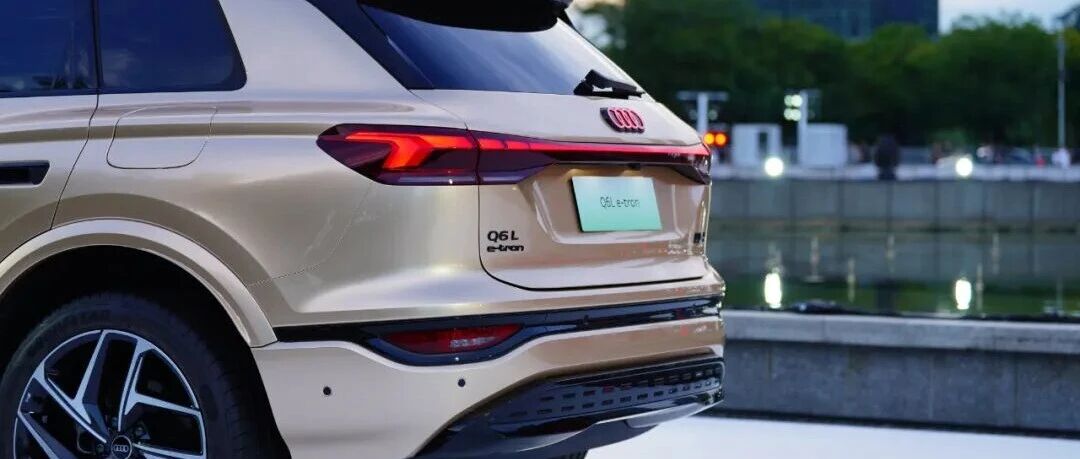
车价30多万,送9万购车权益?!奥迪不过了?
电动车公社· 2025-09-29 11:06
Core Viewpoint - The automotive industry continues to experience intense competition, with companies focusing on pricing and features to attract consumers, leading to a price-sensitive market environment [1][10]. Group 1: Market Dynamics - Despite efforts to reduce competition, car manufacturers remain determined to compete aggressively, leading to a price war among various models [1]. - Consumers are increasingly prioritizing price over brand loyalty, pressuring manufacturers to lower prices [1]. - The recent launch of the FAW Audi Q6L e-tron family has sparked discussions about its pricing compared to competitors in the electric vehicle market [10][21]. Group 2: Product Comparison - The FAW Audi Q6L e-tron is priced in the 300,000 RMB range, which is higher than several competing electric SUVs that have strong sales figures [11]. - Competing models like the Tesla Model Y and others offer superior value propositions, which makes it challenging for the Q6L e-tron to stand out in terms of sales [12][18]. - The Q6L e-tron has advantages in battery capacity but lacks significant differentiation in features compared to competitors [14][15]. Group 3: Brand Premium and Cost Structure - The pricing strategy of the Q6L e-tron may reflect a reliance on brand premium rather than just product features, as the costs associated with high-quality components and technology are significant [21][48]. - The vehicle incorporates advanced safety features and high-quality materials, which contribute to its overall cost structure [23][47]. - The perception of value in luxury brands is shifting, with consumers now focusing more on tangible features rather than the subtle quality that luxury brands traditionally emphasized [57][62]. Group 4: Consumer Perception - The Q6L e-tron has not achieved explosive sales, which may be attributed to consumer perceptions of value and the competitive landscape [50]. - The shift in consumer expectations towards more visible features and configurations has made it difficult for traditional luxury brands to maintain their market position [58][62]. - The target audience for the Q6L e-tron consists of consumers who appreciate the brand's heritage and safety features rather than just the latest technological trends [62]. Group 5: Strategic Outlook - The strategy of positioning the Q6L e-tron as a premium product aligns with Audi's brand identity, focusing on enhancing user experience through partnerships and tailored features [64]. - The current market demands unique offerings that cater to specific consumer needs rather than just replicating existing successful models [68][69].