
抗炎养生

Search documents
真相来了丨网传姜黄饮能“抗炎养生”?其实可能在偷偷喂你糖水
Yang Shi Xin Wen· 2026-01-16 18:34
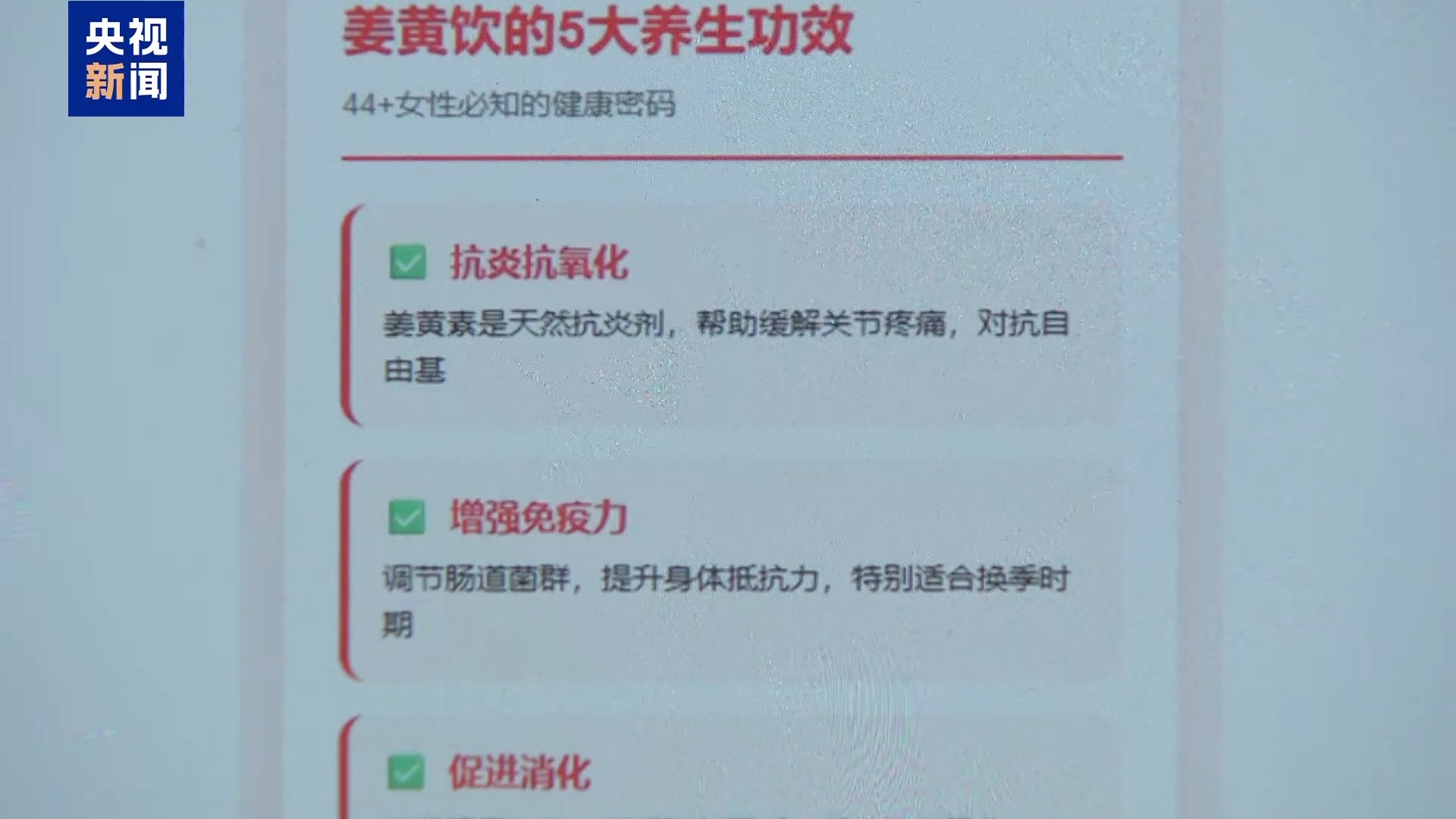
Core Viewpoint - The rising popularity of "Turmeric Drink" on social media is attributed to claims of its anti-inflammatory and health benefits, but experts question the validity of these claims due to low active ingredient concentrations [1][2][8]. Group 1: Product Description - Turmeric Drink is defined as a beverage containing turmeric, ginger, and often includes honey, lemon juice, or orange juice [5]. - The main active component in turmeric is curcumin, while ginger contains gingerol, both of which have different properties [5][7]. Group 2: Health Claims and Expert Opinions - Social media influencers label turmeric drink as an "anti-inflammatory miracle" and "internal antioxidant water," emphasizing its potential health benefits [2][4]. - Experts acknowledge that turmeric has anti-inflammatory and antioxidant properties, but effective doses must be significantly higher than what is typically found in these drinks [8][12]. - A specific product analyzed contains over 38% ginger and lemon, 21% honey, and only 3% turmeric, leading to insufficient curcumin levels for therapeutic effects [10][12]. Group 3: Consumer Feedback and Concerns - Consumers have reported that turmeric drinks often taste unpleasant, being described as sour, bitter, or spicy, which has led to the addition of sweeteners [12]. - High sugar content in these drinks may counteract the anti-inflammatory benefits, raising concerns for individuals with high uric acid or blood sugar levels [14][16]. Group 4: Misconceptions about Skin Benefits - There is a belief that turmeric drink can improve skin appearance; however, experts clarify that oral consumption does not provide the same benefits as topical application [17].

2025年第51周:食品饮料行业周度市场观察
艾瑞咨询· 2025-12-25 00:05
Group 1 - The beverage market is experiencing a surge in demand for turmeric drinks, particularly among young consumers, despite taste complaints and high sugar content [3] - The health and wellness trend is gaining traction among young people, with a significant increase in health-related consumption, particularly in the "healthcare and wellness" sector [4] - The approval of elderberry anthocyanins as a new food ingredient in China marks a significant opportunity in the functional food market, with a projected global market size of $960 million by 2027 [5] Group 2 - The 2025 Probiotic Industry White Paper highlights the rapid growth of the probiotic market in China, with an expected annual growth rate of 11%-12% [6] - The food and beverage sector is anticipated to gradually recover, supported by government initiatives to promote consumption and the integration of various consumption scenarios [9] - The classic beverage iced tea has seen a resurgence in popularity, with sales reaching 12.7 billion yuan, driven by nostalgia and innovative marketing strategies [10] Group 3 - The plant-based market is facing challenges, with major brands like Beyond Meat withdrawing from China due to high prices and poor taste, indicating a need for product improvement [12] - The beverage industry is entering a price war, with major brands signaling price reductions, which may impact profit margins across the supply chain [13] - The low glycemic index (GI) food market is rapidly expanding, with a projected market size of 176.2 billion yuan by 2024, driven by health trends and rising diabetes rates [14] Group 4 - Beer companies are diversifying into the beverage sector as the beer market slows, reflecting a trend of cross-industry expansion [15] - The self-service dining model is gaining popularity in the restaurant industry, with significant growth in the small hot pot segment, driven by cost-effectiveness [17] - The trend of cross-industry collaboration in the food and beverage sector is evident, with brands like Mixue Ice City testing breakfast offerings to expand consumer engagement [18] Group 5 - The beverage market is witnessing structural growth opportunities, particularly in niche segments that cater to specific consumer needs [19] - Innovative product forms and visual appeal are becoming key drivers in the beverage industry, as brands seek to differentiate themselves in a crowded market [21] - The competition among food delivery platforms is intensifying, with major players adjusting strategies to focus on operational efficiency rather than solely on price competition [22] Group 6 - New product launches in the food and beverage sector include innovative items like sugar-free Oreos and functional non-alcoholic beers, reflecting changing consumer preferences [23][24] - Companies like Kunlun Mountain Mineral Water are expanding their market presence through strategic partnerships, aiming to enhance brand visibility and market reach [25] - Jiahua Foods is facing challenges in its transition to consumer branding, with rising costs impacting profitability despite slight revenue growth [26]

食品饮料行业周度市场观察:行业环境,头部品牌动态,投资运营,产品技术,营销活动-20251223
Ai Rui Zi Xun· 2025-12-23 07:46
Investment Rating - The report indicates a gradual recovery in the food and beverage sector, suggesting a positive outlook for investment opportunities in the industry [6]. Core Insights - The beverage market is experiencing a surge in demand for health-oriented products, particularly turmeric drinks and low-GI foods, driven by younger consumers' health consciousness [2][10]. - The approval of elderberry anthocyanins as a new food ingredient is expected to unlock a significant market potential, with a projected global market size of $960 million by 2027 [4]. - The report highlights the ongoing price wars in the beverage industry, with major brands signaling a trend towards price reductions, which may impact profit margins across the supply chain [9]. Industry Trends - The popularity of turmeric drinks among young consumers is attributed to their perceived health benefits, despite concerns over taste and sugar content [2]. - The rise of the health economy is evident, with a significant increase in sales of health-related products, such as herbal teas and functional foods, particularly among millennials and Gen Z [2]. - The elderberry anthocyanins market is anticipated to grow rapidly, with opportunities for product innovation in immune support and gut health [4]. - The low-GI food market is projected to reach ¥176.2 billion by 2024, driven by increasing health awareness and the prevalence of diabetes among younger populations [10]. - The beverage industry is facing a structural shift, with a focus on "precision" beverages that cater to specific consumer needs and preferences [14]. Brand Dynamics - Kunlun Mountain Mineral Water has entered a strategic partnership to expand its market presence in Hong Kong, leveraging local resources and distribution channels [16]. - Jiahe Foods is transitioning from a contract manufacturer to a consumer brand, facing challenges in profitability due to rising raw material costs and increased marketing expenses [19]. - Vitasoy International reported a decline in revenue, particularly in the mainland market, as competition in the plant-based milk sector intensifies [20]. - Tian Shili's "medical-grade" sugar-free tea has achieved a high repurchase rate by targeting pre-diabetic consumers, showcasing the potential for functional beverages in the health market [21]. - The new brand "Bie Xiang Bao Bao" has gained traction in the sugar-free tea market, achieving significant sales growth through innovative product offerings [22].
市场最前沿丨“姜黄饮”热销 专家提示需理性消费
Xin Hua Wang· 2025-12-22 13:29
Core Viewpoint - The recent surge in popularity of turmeric drinks, marketed for their anti-inflammatory properties, has led to a significant increase in sales despite mixed consumer reviews regarding taste and price [1][2]. Group 1: Market Trends - Turmeric drinks are being sold at approximately 10 yuan for 100 milliliters, leading to frequent sell-outs on e-commerce platforms [1]. - Various tea brands are quickly incorporating turmeric into their products, indicating a trend towards health-oriented beverages [1]. Group 2: Product Composition - Popular turmeric beverages often contain ginger, lemon, honey, sugar, and turmeric, with ginger being the primary ingredient and turmeric typically comprising less than 5% of the total content [1][2]. - The distinction between turmeric and ginger lies in their key components: curcumin for turmeric and gingerol for ginger, highlighting their different health benefits and uses [2]. Group 3: Regulatory Insights - Turmeric and other similar substances are classified as both food and medicinal materials, regulated under specific guidelines that prohibit claims of health benefits in ordinary food products [2][3]. - The use of turmeric as a food additive is permitted, particularly as a natural coloring agent in various food products, including instant noodles and candies [3].
“又贵又难喝”?这饮料突然爆火,山姆、盒马频频断货…
Xin Lang Cai Jing· 2025-12-07 11:45
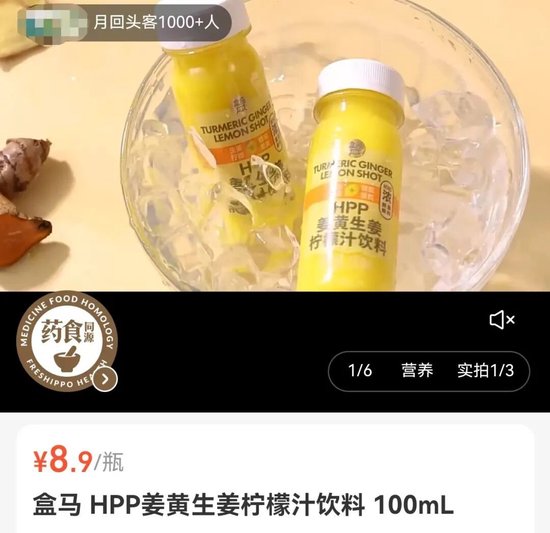
Core Viewpoint - The rising popularity of turmeric drinks among young consumers is attributed to their perceived health benefits, despite high prices and mixed taste reviews [1][8][20]. Group 1: Market Trends - Multiple brands have launched turmeric drinks on various e-commerce platforms, with prices ranging from 8.9 yuan for 100ml to 16.7 yuan for 50ml [1][13]. - The HPP turmeric ginger lemon juice from Hema has a monthly sales volume exceeding 6,000 and is often sold out, indicating strong demand [3][15]. - The So Acai turmeric drink, despite being more expensive, has sold over 30,000 units online [5][17]. Group 2: Consumer Behavior - New generation consumers are driving the trend for turmeric drinks, seeking novelty and health benefits, which aligns with the "health and wellness" trend [8][20]. - There is a noted discrepancy between the expected taste and actual consumer feedback, with many finding the drinks unpalatable [5][17]. Group 3: Nutritional Insights - Turmeric's active compound, curcumin, is believed to have anti-inflammatory properties, but effective doses range from 100 to 6,000 mg, which may not be achievable through typical drink servings [10][22]. - Many popular turmeric drinks contain high sugar levels, with some containing up to 32g of sugar per 100ml, raising concerns about daily sugar intake [11][23].
月销6000被抢断货,全网吐槽“又贵又难喝”!打工人为何疯抢抗炎神饮
21世纪经济报道· 2025-12-07 08:28
Core Viewpoint - The article discusses the rising popularity of turmeric drinks among young consumers, highlighting their health claims and the paradox of high prices and mixed taste reviews [1][4][14]. Group 1: Market Trends - Turmeric drinks are becoming a trendy health product, with significant sales growth; for instance, sales increased 14 times since the Double Eleven shopping festival [4]. - The hashtag TurmericDrink has garnered over 12.47 million views on Xiaohongshu and 6.175 million on Douyin, indicating strong social media engagement [4]. - Various brands are entering the turmeric drink market, with prices generally high; for example, So Acai's 50ml turmeric drink is priced at 16.7 yuan [5]. Group 2: Pricing and Sugar Content - The price of turmeric drinks varies significantly, with some brands charging as much as 16.7 yuan for 50ml, while others like Box Horse offer 100ml for 8.9 yuan [5][8]. - Many turmeric drinks contain high sugar levels; for instance, a 100ml serving of Sam's turmeric lemon drink contains 32g of sugar, which is a concern for health-conscious consumers [10][11]. Group 3: Health Perception and Consumer Behavior - Young consumers are increasingly focused on health, with 66.2% expressing concern about their health status, yet rating it only 6.65 out of 10 [16]. - The marketing of turmeric drinks emphasizes their natural ingredients and health benefits, appealing to young consumers' desire for wellness [16]. - Emotional stress and anxiety are driving young people to invest in health products, with an average annual spending of 3,250.7 yuan on health-related items [17].
8.9元抗炎神饮被年轻人抢断货!网友吐槽“又贵又难喝”
2 1 Shi Ji Jing Ji Bao Dao· 2025-12-07 02:16
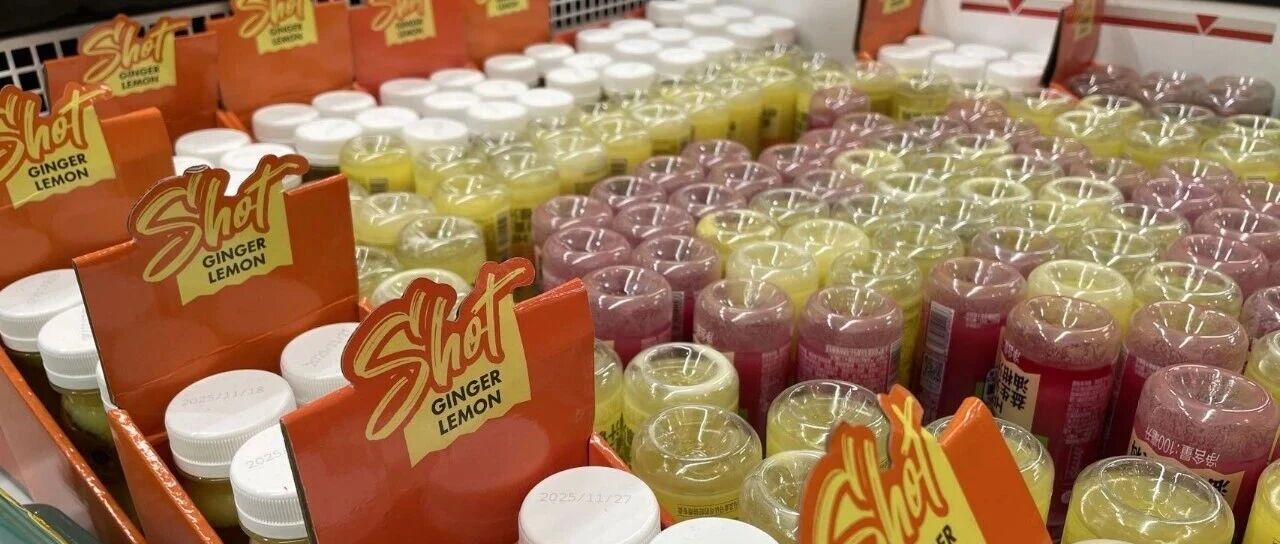
Core Insights - The rising popularity of turmeric drinks among young consumers is attributed to their perceived health benefits, particularly anti-inflammatory properties, despite concerns over taste and high sugar content [1][10][11] Group 1: Market Trends - Turmeric drinks have become a trending product, with significant online engagement, including over 12.47 million views on Xiaohongshu and 6.175 million on Douyin [2] - Sales of turmeric drinks surged by 14 times compared to September since the Double Eleven shopping festival began [2] - Various brands are entering the turmeric drink market, with prices generally high, such as 16.7 yuan for a 50ml bottle from So Acai and 8.9 yuan for a 100ml bottle from Hema [2][4] Group 2: Consumer Behavior - Young consumers are willing to purchase turmeric drinks despite their high prices and challenging flavors, indicating a strong health consciousness [4][10] - A report indicates that 66.2% of young people are concerned about their health, yet they rate their overall health at only 6.65 out of 10, highlighting a gap between concern and satisfaction [10] - Emotional crises and anxiety are driving 63.1% of young people to invest in health management, with an average annual spending of 3,250.7 yuan on health products [13] Group 3: Product Characteristics - Turmeric drinks are marketed as "superfoods" due to their antioxidant and anti-inflammatory properties, with claims that they can address various health issues [11] - The sugar content in these drinks is notably high, with some brands containing up to 32g of sugar per 100ml, raising concerns about health implications [5][6] - The effectiveness of turmeric drinks for anti-inflammatory purposes is debated, as the required dosage of curcumin for health benefits is significantly higher than what is typically found in these beverages [8]