政务服务标准化

Search documents
国家标准支撑政务服务提质增效 从“能办”向“好办、易办”转变
Jing Ji Ri Bao· 2026-02-05 00:47
Core Viewpoint - The implementation of two new national standards aims to enhance the efficiency of government services by standardizing processes and solidifying reform outcomes, focusing on integrated handling of key matters and centralized construction of offline service halls [1][2][3] Group 1: Standards Implementation - The two new standards, "Integrated Handling of Key Matters" and "Centralized Construction of Government Service Halls," provide standardized guidance to improve the quality of services for businesses and the public [1][2] - These standards are designed to address existing weaknesses in government services, such as inconsistent classification of services and insufficient online support for offline services [2][3] Group 2: Service Efficiency and Optimization - The "Integrated Handling of Key Matters" standard focuses on five dimensions: diversified service methods, optimized processes, minimized materials, reduced costs, and enhanced satisfaction for businesses and the public [3] - The "Centralized Construction of Government Service Halls" standard proposes dynamic allocation of service windows and facilities based on actual demand to prevent resource waste [3][4] Group 3: Online and Offline Coordination - The standards aim to transition government services from a fragmented approach to a more integrated service model, facilitating precise data sharing and reducing inefficiencies such as duplicate data entry [4] - The standards are complementary, promoting a comprehensive service model that combines online and offline channels for a seamless experience [4] Group 4: Future Steps - The Market Supervision Administration plans to conduct training and promote the new standards to ensure effective implementation and continuous improvement of the business environment [5]
国家标准支撑政务服务提质增效
Xin Lang Cai Jing· 2026-02-04 22:38
Core Viewpoint - The implementation of two new national standards aims to enhance the efficiency of government services by standardizing processes and solidifying reform outcomes, focusing on integrated handling of key matters and centralized construction of service halls [1][2][3] Group 1: Standards Implementation - The two new standards, "Integrated Handling of Key Matters" and "Centralized Construction of Government Service Halls," provide standardized guidance to improve the quality of services for businesses and the public [1][2] - These standards are designed to address existing weaknesses in government services, such as inconsistent classification of services and insufficient online support for offline services [2][3] Group 2: Service Efficiency - The "Integrated Handling of Key Matters" standard emphasizes five dimensions: diversified service methods, optimized processes, simplified materials, minimized costs, and satisfaction of businesses and the public, aiming to reduce the number of visits and paperwork required [3][4] - The "Centralized Construction of Government Service Halls" standard proposes dynamic allocation of service windows and facilities based on actual demand to prevent resource waste and improve efficiency [3][4] Group 3: Online and Offline Coordination - The standards promote a shift from fragmented service delivery to integrated services, facilitating precise sharing of government data and improving the overall service experience [4] - The guidelines aim to eliminate inefficiencies such as double data entry by ensuring that services are streamlined and accessible through both online and offline channels [4] Group 4: Future Steps - The market regulatory authority plans to conduct training and promote the new standards to ensure effective implementation and continuous improvement of the business environment [5]
从“能办”向“好办、易办”转变——国家标准支撑政务服务提质增效
Jing Ji Ri Bao· 2026-02-04 22:15
Core Viewpoint - The implementation of two new national standards aims to enhance the efficiency of government services by standardizing processes and solidifying reform outcomes, focusing on integrated handling of key matters and centralized construction of service halls [1][2]. Group 1: Standards Implementation - The newly released standards provide guidance for the integration of key matters and the centralized construction of service halls, which are essential for building a digital government and improving service quality for citizens and businesses [1][2]. - The standards are designed to address existing weaknesses in government services, such as inconsistent classification of services and inadequate online support for offline services, which have led to inefficiencies and increased burden on citizens and businesses [2][3]. Group 2: Service Optimization - The "Integrated Handling of Key Matters" guideline focuses on five dimensions: diversified service methods, optimized processes, simplified materials, minimized costs, and satisfaction of enterprises and citizens, aiming to reduce the number of visits and paperwork required [3][4]. - The "Centralized Construction of Service Halls" guideline proposes dynamic allocation of service windows and facilities based on actual demand, addressing issues of resource waste and inefficiency in traditional service halls [3][4]. Group 3: Online and Offline Coordination - The standards promote a shift from fragmented service delivery to a more integrated approach, facilitating precise sharing of government data and ensuring that citizens only need to enter one door for offline services [4]. - The guidelines are complementary, aiming to create a comprehensive service model that integrates online and offline channels, enhancing the overall efficiency of government services [4]. Group 4: Future Steps - The market regulatory authority plans to conduct training and promote the new standards to ensure effective implementation, thereby continuously improving the standardization and convenience of government services [5].
从“样例规范”到“着装统一” 民航华东地区行政服务中心“三化”建设显实效
Zhong Guo Min Hang Wang· 2026-01-12 08:07
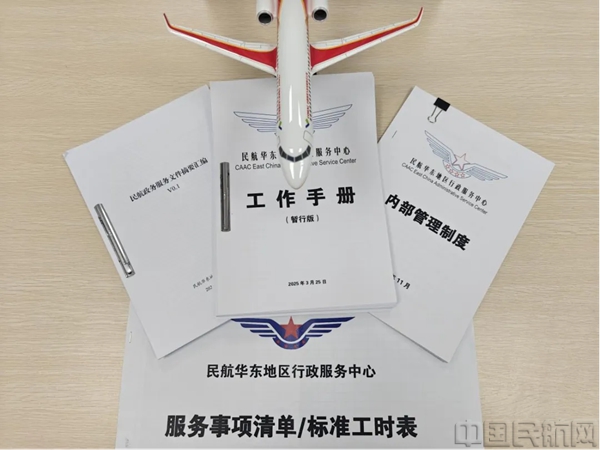
Core Insights - The Civil Aviation Administration of East China is implementing a series of innovative measures to enhance the standardization, normalization, and convenience of administrative services by 2025, significantly improving service quality and efficiency [1][4]. Group 1: Service Efficiency - The center has taken on 101 service items from 12 departments, processing a total of 75,347 pre-reviewed materials and issuing 109,367 certificates, while handling 77,246 inquiries throughout the year [1]. - The center has focused on six key areas: general aviation, flight standards, air traffic control, certification, airports, and public security, completing 25 standardized service templates based on actual business scenarios [4]. Group 2: Standardization and Documentation - The center has systematically reviewed administrative service data since 2019, optimizing data collection and analysis processes, and has developed a comprehensive work manual for the administrative service center for 2025 [4]. - The center has revised several key documents, including the "Summary of Civil Aviation Administrative Service Documents" and the "Internal Management System of the Administrative Service Center," to ensure standardized operations [4]. Group 3: Staff Professionalism - A new standardized dress code for window staff has been initiated, designed to be formal and practical, reflecting the serious atmosphere of the service hall while incorporating civil aviation elements [5]. - This initiative aims to enhance the professional image of staff and foster trust with the public, representing a significant step in the standardization and normalization of administrative services [5]. Group 4: Future Directions - The East China Bureau will continue to guide the administrative service center in deepening the "three reforms" of administrative services, focusing on service etiquette and optimizing processes to further improve service quality [5].

利企便民升级!“高效办成一件事”再添两项国家标准
Xin Hua She· 2026-01-08 13:58
Core Viewpoint - The recent approval and release of two national standards, effective from January 1, 2026, aim to enhance government service efficiency and administrative effectiveness in China, supporting high-quality development and a new development pattern [1][2]. Group 1: National Standards Overview - The two national standards are titled "Integrated Handling of Key Matters for Efficient Completion" and "Guidelines for the Centralized Construction of Government Service Halls" [1][2]. - These standards focus on optimizing online and offline government services through standardized methods, promoting the implementation of the "Efficient Completion of One Matter" reform [1]. Group 2: Key Principles and Guidelines - The "Integrated Handling of Key Matters" standard outlines principles for identifying key matters, platform functionality, service provision, and performance verification and optimization [1]. - The "Centralized Construction of Government Service Halls" standard provides guidelines on the scientific layout of service venues, dynamic configuration of service windows, and integrated management of facilities and data applications [2]. Group 3: Impact and Implementation - The release of these standards is expected to support the establishment of a high-standard, high-efficiency, and high-quality government service system, facilitating data sharing and collaboration across regions, systems, departments, and businesses [2]. - The standards aim to enhance service supply capabilities and drive the transformation of government services towards centralization and intelligent digitization, ultimately improving the experience for citizens and businesses [2].
为基层减负、提升便民利企服务质量,市场监管总局发布两项新国标
Xin Lang Cai Jing· 2026-01-08 03:31
Group 1 - The core viewpoint of the news is the implementation of two national standards aimed at enhancing the efficiency of government services, specifically through the "Integrated Handling of Key Matters" and the "Centralized Construction of Government Service Halls" [1][2] - The "Integrated Handling of Key Matters" guideline focuses on standardizing the service process for key government services, promoting a shift from fragmented handling to comprehensive service, and facilitating data sharing across various levels and departments [1] - The guideline aims to significantly reduce the number of trips, document submissions, and processing times for businesses and citizens, aligning with the goals of reducing steps, materials, time, and costs in government services [1] Group 2 - The "Centralized Construction of Government Service Halls" guideline is designed to standardize the management and construction of service halls, addressing layout, service window setup, and operational management [2] - It aims to enhance service efficiency by integrating online and offline services, thereby reducing the need for citizens to make multiple trips for services and creating a seamless service experience [2] - The initiative seeks to establish a comprehensive service model that combines online accessibility with offline convenience, improving the overall satisfaction of businesses and citizens [2]
事关“高效办成一件事”两项新国标发布
Xin Hua Wang· 2026-01-08 02:48
Group 1 - The core viewpoint of the news is the implementation of two national standards aimed at enhancing government services efficiency and promoting digital government construction [1][2] - The "Efficient Completion of One Matter" guideline focuses on standardizing the integration of key government services, facilitating data sharing, and reducing the burden on businesses and citizens [1] - The "Government Service Hall Centralized Construction Guide" aims to standardize the management of service halls, improving service efficiency and addressing issues of multiple trips for citizens [2] Group 2 - The guidelines provide standardized instructions for service optimization, including the organization of key service items, platform functionality, and performance verification [1] - The construction guide emphasizes the integration of online and offline services, creating a comprehensive service model that enhances user experience [2] - The overall goal is to transition government services from being merely functional to being user-friendly and efficient, aligning with the principles of reducing steps, materials, time, and costs [1]
市场监管总局发布“高效办成一件事”两项新国标
Xin Lang Cai Jing· 2026-01-08 02:06
Core Viewpoint - The recent implementation of two national standards by the State Administration for Market Regulation (National Standardization Administration) aims to enhance the efficiency of government services and support the construction of a digital government [1] Group 1: Integration of Government Services - The "Guidelines for Integrated Handling of Key Matters" standardizes the process of government service integration, focusing on key matters, platform functionality, service provision, and effectiveness verification [1] - The guidelines promote a shift from "dispersed handling" to "integrated service," breaking down data barriers across levels, regions, systems, departments, and businesses [1] - The initiative aims to significantly reduce the number of trips, document submissions, and processing times for businesses and citizens, aligning with the goals of reducing steps, materials, timelines, and costs [1] Group 2: Standardization of Service Halls - The "Guidelines for the Centralized Construction of Government Service Halls" provide standards for the management and construction of service halls, including layout, window setup, service optimization, and equipment management [1] - The guidelines aim to enhance service efficiency by standardizing online and offline service processes, addressing issues of multiple trips for citizens [1] - The goal is to create a comprehensive service model that integrates online and offline services, improving the overall experience for businesses and citizens [1] Group 3: Implementation and Training - The State Administration for Market Regulation will collaborate with relevant parties to promote the understanding and training of the two standards [1] - There is a focus on strengthening the implementation of these standards to optimize the business environment and continuously improve the standardization and convenience of government services [1]
引导金融租赁公司规范开展融资租赁业务|营商环境周报
2 1 Shi Ji Jing Ji Bao Dao· 2025-12-09 04:14
Group 1: Environmental Law Enforcement - The Ministry of Public Security and ten other departments aim to establish an ecological policing mechanism by 2027 to combat environmental resource crimes and ensure safety in ecological development [2][3] - The mechanism will focus on four main tasks: strengthening criminal enforcement, enhancing proactive prevention, promoting comprehensive governance, and facilitating value transformation [3] Group 2: Financial Leasing Regulation - The National Financial Regulatory Administration issued a new management method for financial leasing companies, effective from January 1, 2026, to enhance compliance and focus on core business [4][5] - The method includes 68 articles covering due diligence, risk assessment, contract execution, and internal controls, emphasizing risk prevention and management [4] Group 3: AI in Civil Aviation - The Civil Aviation Administration of China released an implementation opinion to promote the integration of artificial intelligence in civil aviation by 2030, aiming for deep integration across various sectors [6][7] - The opinion outlines key areas for AI application, including safety risk warning, operational optimization, passenger services, logistics efficiency, and regulatory decision-making [8] Group 4: Technology Achievement Registration - Jiangxi Province revised its technology achievement registration rules to expand the scope and shorten the public announcement period to seven days, enhancing the management of technology achievements [10] - The new rules encourage the registration of various types of achievements and aim to improve the efficiency of technology transfer and application [10] Group 5: Technology Transfer Support in Ningxia - Ningxia's new management method for key technology transfer projects offers up to 1 million yuan in support for high-value technology achievements, focusing on innovation in key industries [11][12] - The method categorizes projects into "pre-guidance" and "post-support," promoting collaboration between enterprises and research institutions [11]
中国证监会、中国人民银行、国家外汇局推动实施合格境外投资者资格审批与开户“高效办成一件事”
证监会发布· 2025-10-27 13:18
Core Points - The article discusses the implementation of a streamlined process for the qualification approval and account opening of Qualified Foreign Institutional Investors (QFIIs) in China, aimed at enhancing efficiency and reducing operational costs for foreign investors [2][3] - The China Securities Regulatory Commission (CSRC) has released a service guide that emphasizes reducing steps, materials, time limits, and the need for physical presence in the approval process [2] - The CSRC has committed to a five-day processing time for QFII qualification approvals and has introduced a "green channel" for sovereign wealth funds and other allocation-type investors [2] Group 1 - The article outlines the reform measures following the 20th National Congress of the Communist Party of China, focusing on optimizing the QFII system [2] - The service guide aims to shorten the foreign investment entry process and enhance the convenience of the QFII system [2] - The CSRC, along with the People's Bank of China and the State Administration of Foreign Exchange, is working to implement these reforms effectively [3] Group 2 - Future steps include further standardization and optimization of the QFII entry procedures while ensuring quality service [3] - The CSRC aims to promote high-level opening of onshore channels for foreign investment [3]