
教育综合改革

Search documents
枣庄市“十四五”教育事业发展规划综述
Qi Lu Wan Bao· 2026-02-14 01:13
Core Viewpoint - The education system in Zaozhuang is making significant progress in implementing comprehensive reforms and building a high-quality education system during the "14th Five-Year Plan" period, focusing on moral education and the integration of ideological and political education across all levels of schooling [1] Group 1: Moral Education Implementation - The fundamental task of moral education is being deeply implemented, with the establishment of a guidance center and committee for the integration of ideological and political courses across primary, secondary, and higher education [1] - A total of 374 primary and secondary schools have separated the roles of party organization secretaries and principals to enhance the grassroots party organization's effectiveness [1] - The city has publicly recruited 42 dedicated party workers for schools, leading to a strengthened awareness of the Chinese national community [1] Group 2: Basic Education Quality Improvement - The enrollment rate for preschool education has reached 86.47%, with a public rate of 63.16% and a universal rate of 87.15% [2] - Zaozhuang has been recognized as a national experimental zone for science education, with 100% coverage of strong town pilot towns at the provincial and municipal levels [2] - The city has constructed or expanded 77 primary and secondary schools, adding 97,000 new student places [2] Group 3: Vocational Education Development - Policies have been issued to support the high-quality development of vocational education, establishing a dynamic adjustment mechanism for 130 vocational programs [3] - Zaozhuang has established a new private higher vocational college and created several high-level vocational schools, with successful participation in international skill competitions [3] - The city has formed six local industry-education integration alliances to enhance vocational training [3] Group 4: Educational Quality Enhancement - The "Internet + Teacher Professional Development Project" has ranked first in the province for three consecutive years, contributing to improved teaching quality [4] - High school admission rates have increased, with a notable rise in the number of students meeting special admission criteria [4] - The city has implemented a local regulation for managing the environment around schools, enhancing safety and accessibility for students [4]
锚定教育强市 书写育人新篇
Xin Lang Cai Jing· 2026-01-11 21:22
Core Insights - Wuxi has made significant progress in education reform since the start of the 14th Five-Year Plan, focusing on high-quality development and integration of education, technology, and talent [1][2][3][4][5] Group 1: Comprehensive Education System - A comprehensive education system is being rapidly constructed, with the integration of ideological and political education across all levels of schooling recognized as a model project in Jiangsu Province [1] - The "2·15 Special Action" has been fully implemented, innovating university student activities and organizing over 50 sports events annually [1] - Various artistic activities have achieved full coverage, and six provincial-level labor education and comprehensive practice bases have been established [1] Group 2: Higher Education Expansion - The "333" project for improving and expanding undergraduate institutions is being vigorously implemented, with new campuses established for several universities [2] - Wuxi has been recognized for its high-level vocational education, with multiple institutions receiving provincial and national accolades [2] - The establishment of Wuxi Vocational Technical University and Wuxi Normal College has been approved, enhancing the local higher education landscape [2] Group 3: Basic Education Quality Improvement - A total of 64 new kindergartens and 53 new compulsory education schools have been built, adding 32,000 and 130,000 new student places respectively [3] - The city has achieved a high supply rate of ordinary high school places at 68.23% and is advancing special education initiatives [3] - Significant progress in teacher development has been made, with numerous educators receiving national and provincial recognition [3] Group 4: Digital Transformation in Education - Wuxi has pioneered the Chief Data Officer (CDO) system in education, enhancing project management and digital services [4] - The deployment of AI in education is being advanced, with initiatives like the "Xue Tong" one-stop service hall and the "Xiao Xi Teacher" digital persona [4] - The city is actively promoting its AI education experiences at national and international conferences [4] Group 5: Comprehensive Education Reform - The implementation of the "New Era Education Evaluation Reform" plan is underway, focusing on the regulation of private schools and the enforcement of the "Double Reduction" policy [4] - Wuxi is expanding its international educational collaborations, establishing partnerships with 105 new overseas friendly schools [4] Group 6: Future Development Plans - The Wuxi Education Bureau is planning for the "15th Five-Year" development phase, aiming to address weaknesses and promote further growth in education [5]

为教育高质量发展开局破题
Xin Lang Cai Jing· 2025-12-29 06:53
Core Viewpoint - The initiative to accelerate the construction of a strong education nation is a strategic move to support China's modernization and national rejuvenation, aiming for significant achievements by 2027 as outlined in the "Education Strong Nation Construction Plan Outline (2024-2035)" [2][5] Group 1: Action Plan and Implementation - The "Three-Year Action Plan for Accelerating the Construction of a Strong Education Nation (2025-2027)" was launched, involving 41 tasks across six categories to drive comprehensive reform through pilot projects [2][3] - The plan emphasizes a top-level design that integrates education, technology, and talent development, aiming to create a vibrant and efficient education system [3][4] - The implementation of the action plan is seen as a crucial mechanism to fulfill the central government's decisions on education reform and high-quality development [3][10] Group 2: Educational Reform and Quality Improvement - The transition from a large education system to a strong one requires systemic reforms focused on quality improvement and public satisfaction [3][4] - Key reforms include optimizing the education leadership structure, enhancing the quality of educational services, and innovating teacher education mechanisms [3][4][11] - The plan aims to address the diverse needs of 286 million students, 18.85 million teachers, and 470,000 schools, ensuring a strategic shift towards quality enhancement [4][11] Group 3: Financial Implications and Public Benefits - The introduction of free preschool education starting in 2025 is expected to reduce family expenses by 20 billion yuan in the first semester alone [6][7] - The focus on equitable access to quality education resources aims to enhance public satisfaction and address community concerns [7][8] - The action plan is designed to ensure that educational reforms yield measurable and traceable progress towards the goal of a strong education nation by 2035 [4][8] Group 4: Regional and Local Initiatives - The education ministry has conducted extensive regional consultations to tailor reforms to local conditions, ensuring that the initiatives are relevant and effective [10][11] - Various provinces are implementing localized strategies, such as integrating STEM education and optimizing vocational training programs to meet regional needs [11][12] - The emphasis on grassroots innovation and pilot projects is intended to generate practical solutions that can be scaled up across the country [11][12]
为破解教育综合改革难题提供新思路,第三届“教育智库·扬子江对话”活动在宁举办
Yang Zi Wan Bao Wang· 2025-11-19 05:33
Core Insights - The event "Education Think Tank: Yangtze River Dialogue" focused on "Deepening Comprehensive Education Reform: A Solid Foundation and Key Path for Building an Education Power" [1] - The gathering aimed to contribute wisdom and strategies for constructing a high-quality education system and accelerating the development of an education power [1] Group 1 - Jiang Yong, Director of the Jiangsu Provincial Education Department, emphasized the need to understand the current strategic priorities and future development directions in education reform [1] - The strategic attributes of education include political, public, and strategic aspects, which should be collectively explored to build a strong education province [1] - Ge Daokai, Chairman of the Education Modernization Research Institute, highlighted small class teaching, innovative talent cultivation, educational digitization, and teacher education reform as key strategies for modernizing education [1] Group 2 - Wang Lupei, Secretary of the Party Committee of Jiangsu Second Normal University, stated that the event addresses contemporary educational challenges and aims to provide new ideas and methods for comprehensive education reform [2] - Expert reports included topics such as the "15th Five-Year Plan" for education and regional studies on basic education development [2] - The event featured four thematic parallel dialogues focusing on cutting-edge issues in the education sector, and the Jiangsu Provincial Education Research Institute announced innovative cases for high-quality development in basic education by 2025 [2] Group 3 - Xu Guohua, President of Jiangsu Second Normal University, expressed the hope for deeper collaboration with educational departments and institutions to uphold the mission of cultivating virtue through education [2]
新时代人民教育论坛(2025)在京举办
Xin Hua Wang· 2025-11-07 07:16
Core Viewpoint - The forum aims to deepen educational reform and support the construction of a strong education nation, highlighting the importance of mainstream media in shaping educational discourse [1] Group 1: Forum Objectives and Themes - The forum is themed "Deepening Educational Comprehensive Reform and Strengthening the Construction of a Strong Education Nation" [1] - It seeks to provide strong ideological guidance and media support for accelerating the construction of a strong education nation [1] Group 2: Key Messages from Officials - Wang Guangyan, a member of the Ministry of Education, emphasized the significance of the forum in showcasing the achievements of educational reforms over the past year and in outlining the educational development blueprint for the 14th Five-Year Plan [1] - He highlighted that the 14th Five-Year Plan period is crucial for building a strong education nation and called for a deep understanding of the responsibilities and tasks in education [1] Group 3: Implementation Strategies - The forum stressed the need for comprehensive implementation of key tasks in educational reform and high-quality advancement of the strong education nation initiative [1] - It called for collaborative efforts, forward-looking research, and effective communication to ensure the successful implementation of educational reforms [1] Group 4: Forum Structure - The forum included six parallel sessions focusing on moral education, basic education, higher education, vocational education, teacher workforce development, and international communication in education [1] - Participants included officials from the Ministry of Education, universities, local education departments, vocational schools, and primary and secondary schools [1]
新闻发布厅丨河南省高质量完成“十四五”规划系列主题新闻发布会之六 办好人民满意的教育
He Nan Ri Bao· 2025-09-25 23:55
Core Viewpoint - The Henan Province has made significant progress in its education sector during the "14th Five-Year Plan" period, achieving historical accomplishments and structural changes in education development [1][2]. Group 1: Education Funding and Enrollment - The province has maintained education spending as the largest public finance expenditure, with per-student funding standards continuously increasing [2]. - The total number of various schools in the province is 43,200, serving an education population of 27.18 million, which accounts for 8.26% of the national total [2]. - Key enrollment rates have improved: gross enrollment rate for preschool education is 93.15%, compulsory education consolidation rate is 96.35%, gross enrollment rate for high school is 93.15%, and gross enrollment rate for higher education is 59.59% [2]. Group 2: Higher Education Development - The number of undergraduate institutions increased from 57 to 62, with the number of universities named "University" rising to 13, filling gaps in arts and sports education [3]. - Over the past five years, 420,000 graduates have been supplied to the economy, with a notable increase in graduates in science, engineering, agriculture, and medicine [3]. Group 3: Educational Reform and Assessment - The province has effectively shifted the evaluation focus away from a sole emphasis on scores and diplomas, establishing a new examination and enrollment model that includes "classified examinations, comprehensive evaluation, and multiple admissions" [4]. - The "Double Reduction" initiative has led to a significant reduction in academic training institutions, controlling student workload and ensuring comprehensive after-school services in compulsory education [4]. Group 4: International Cooperation and Openness - The province has added 13 new Sino-foreign cooperative education institutions at the undergraduate level, marking a breakthrough in master's degree programs, positioning Henan among the top in the nation for cooperative education scale [5]. - The establishment of 19 overseas educational institutions reflects Henan's commitment to international collaboration in scientific research and technology [5].
办好人民满意的教育(权威发布·高质量完成“十四五”规划)
Ren Min Ri Bao· 2025-09-23 22:12
Group 1: Education System Development - The "14th Five-Year Plan" has achieved comprehensive and high-quality completion of its educational goals under the strong leadership of the central government and societal support [1] - By the end of 2024, 246 districts and counties are expected to achieve quality balanced education, following the establishment of basic balanced education in 2895 county-level administrative units by 2021 [2] - The proportion of migrant children enrolled in public and government-subsidized schools has exceeded 97%, an increase of 11.2 percentage points compared to the end of the "13th Five-Year Plan" [2] Group 2: High School and Higher Education - The revitalization of county-level high schools is a key focus for ensuring equitable and quality basic education, with significant measures implemented to improve conditions and support for these schools [3] - The gross enrollment rate for higher education has increased from 30% in 2012 to 60.8%, marking a significant step towards universal access [3] - A total of 123.5 million students from rural and impoverished areas have been admitted through targeted enrollment plans for key universities [3] Group 3: Talent Development and Innovation - During the "14th Five-Year Plan," higher education institutions have supplied 55 million talents to society, contributing to the national innovation system [4] - Over 75% of national natural science awards and over 50% of national technological advancement awards have been attributed to higher education institutions [4] - The vocational education system has become the largest in the world, with 34 million students enrolled across various levels, providing over 70% of new high-quality skilled talents for modern industries [5] Group 4: Educational Reform and Digitalization - The "14th Five-Year Plan" coincides with the second round of "Double First-Class" construction, focusing on optimizing evaluation methods and enhancing multi-source funding for educational institutions [6] - Significant reforms have been made in talent evaluation, allowing for the use of patents and product designs as criteria for obtaining master's and doctoral degrees [6] - The national smart education public service platform has reached over 1.7 million learners across more than 200 countries and regions, supporting lifelong learning initiatives [7]
“十四五”期间高等教育累计向社会输送五千五百万人才 办好人民满意的教育(权威发布·高质量完成“十四五”规划)
Ren Min Ri Bao· 2025-09-23 21:58
Core Insights - The "14th Five-Year Plan" period has seen significant progress in building a strong education system in China, focusing on moral education and integrating various educational approaches [1][2][3] Group 1: Education Quality and Accessibility - China has established the largest and high-quality education system, ensuring equal access to education for children [2] - By the end of 2024, 246 districts and counties are expected to achieve quality-balanced education, with a notable increase in the proportion of migrant children attending public schools [2] - The revitalization of county-level high schools is emphasized as crucial for educational equity, with various initiatives launched to improve conditions and support for these schools [3] Group 2: Higher Education and Talent Development - The gross enrollment rate for higher education has increased from 30% in 2012 to 60.8%, marking a significant advancement towards universal access [3] - During the "14th Five-Year Plan," higher education institutions have contributed to the training of 55 million talents, supporting national innovation and modernization efforts [4] - A focus on vocational education has resulted in the establishment of the world's largest vocational education system, with over 34 million students enrolled across various levels [5] Group 3: Educational Reform and Digitalization - The "14th Five-Year Plan" coincides with the second round of "Double First-Class" construction, aiming to enhance the quality of higher education and align it with national strategic needs [6] - Significant reforms in talent evaluation and educational practices have been implemented, allowing for innovative achievements to be recognized in degree applications [6] - The national digital education strategy has been fully implemented, with a wide-reaching impact on learners globally [7]
教育部:历史性突破学位授予“唯论文”限制
第一财经· 2025-09-23 03:07
Core Viewpoint - The article highlights significant advancements in educational reform during the "14th Five-Year Plan" period, focusing on both basic and higher education sectors [1] Group 1: Basic Education - The approach to resource allocation is shifting from an exam-oriented model to one that promotes county-level revitalization, aiming to reduce competition and anxiety among students [1] - Comprehensive reforms in the college entrance examination (Gaokao) are being implemented across various regions [1] Group 2: Higher Education - A historic breakthrough has been made in degree awarding practices, allowing graduate students to apply for degrees based on innovative achievements such as patents and product designs, rather than solely on thesis submissions [1] - Long-term stable support for young faculty members in universities is being established, which is expected to cultivate technological talent over the next decade [1]

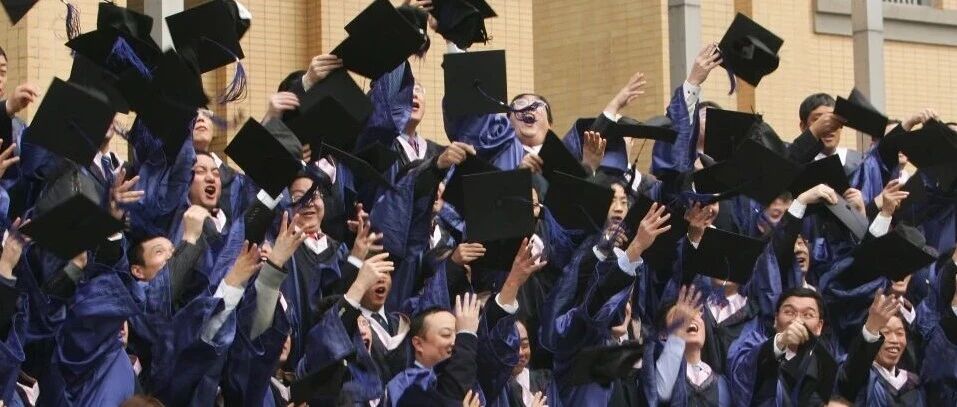
教育部:历史性突破学位授予“唯论文”限制
Yang Shi Xin Wen· 2025-09-23 02:28
Core Insights - The State Council Information Office held a press conference discussing the achievements in education reform during the "14th Five-Year Plan" period [1] Group 1: Basic Education - The focus is on revitalizing county-level education, shifting resource allocation from an exam-oriented approach to a more balanced one [1] - The reform aims to reduce competition and anxiety among students, with comprehensive high school entrance examination reforms being implemented nationwide [1] Group 2: Higher Education - A historic breakthrough allows graduate students to apply for degrees based on innovative achievements such as patents and product designs, moving away from the traditional "thesis-only" requirement [1] - Long-term stable support for young faculty members in universities has become a reality, aimed at nurturing technological talent for the next decade [1]