
智慧管理

Search documents
宁夏出台意见进一步加强重度残疾人托养照护服务
Zhong Guo Xin Wen Wang· 2025-12-24 06:51
Core Viewpoint - Ningxia has issued the "Implementation Opinions on Further Strengthening Care Services for Severely Disabled Persons," aiming to establish a care service system for severely disabled individuals and alleviate the long-term care pressure faced by their families [1][2]. Group 1: Policy Framework - The "Implementation Opinions" include 17 specific measures to enhance the care services for severely disabled individuals [1]. - It is noted as the second provincial-level policy in the country and the first in the western region [1]. Group 2: Service Structure - A tiered and categorized centralized care service supply structure will be established, differentiating between mental and non-mental severely disabled individuals [2]. - Severely disabled individuals will be categorized by employment age and non-employment age, with corresponding care services provided [2]. Group 3: Community and Healthcare Integration - The policy promotes a "neighbor care" model, arranging capable individuals to provide home care services for severely disabled persons lacking family support [2]. - It encourages grassroots healthcare institutions to include disabled individuals in family doctor signing services [2]. Group 4: Financial and Training Support - Financial departments are urged to effectively utilize funds for the development of disabled persons' services and include eligible severely disabled individuals in long-term care insurance [2]. - Care service personnel will be included in vocational skills training programs to enhance service quality [2]. Group 5: Innovation and Pilot Programs - The policy supports regions with conditions to pilot innovative practices in service systems, operational mechanisms, and talent cultivation [2].
建造平安百年品质船闸,打造苏北水运发展新引擎
Jiang Nan Shi Bao· 2025-12-22 06:55
Core Viewpoint - The completion of the Xiangshui Ship Lock project, a key waterway facility in Jiangsu Province, enhances regional water transport and supports the integration of the Yangtze River Delta and the Huai River ecological economic belt [1][4]. Group 1: Project Overview - The Xiangshui Ship Lock project includes the renovation of the waterway system, the construction of a new ship lock, and the building of a working bridge, aimed at eliminating navigation bottlenecks in the region [1]. - The project has passed acceptance inspection and is recognized as a Class II waterway standard facility, which will significantly boost water transport development in eastern Jiangsu [1]. Group 2: Innovative Construction Techniques - The project team employed a "large-diameter bidirectional mixing three-axis cement mixing pile technology" to address complex geological conditions, achieving a 96.8% acceptance rate for pile quality [2]. - The use of an intelligent monitoring system allowed for real-time adjustments in cement mixing, effectively solving traditional construction issues and minimizing environmental impact [2]. Group 3: Sustainable Development Initiatives - The project implemented a resource utilization plan for construction waste, achieving "zero external transport" and full utilization of excavated soil for embankment and landscaping [3]. - Over 2,000 trees were planted to create a 10-kilometer green ecological corridor, enhancing soil stability and improving local ecological conditions [3]. Group 4: Community Engagement and Social Responsibility - The project has established a mechanism to engage local communities, providing job opportunities and skills training to enhance employment prospects for residents [4]. - Regular community outreach activities have improved local residents' awareness of legal rights and safety practices, demonstrating the company's commitment to social responsibility [4].
秦岭国家公园综合管理系统试运行
Zhong Guo Zi Ran Zi Yuan Bao· 2025-12-12 02:26
Core Insights - The "Qinling National Park Comprehensive Management System" has entered the trial operation phase, aiming for "full perception, precise management, and intelligent decision-making" to enhance ecological protection and management efficiency in the Qinling region [1][3] Group 1: System Overview - The system integrates multi-source data from "sky, ground, and underground" to create three core subsystems: "Sky-Ground Access Aggregation," "Personnel Information Management," and "Infrastructure Management," forming a comprehensive management loop [1] - The Personnel Information Management subsystem, launched in June, supports human resources and payroll management with 13 core functions, addressing issues like excessive paper records and slow information updates [1][2] Group 2: Key Functional Modules - The Sky-Ground Access Aggregation subsystem connects over a thousand sensing devices, including fire cameras and wildlife monitoring equipment, providing real-time monitoring and data retrieval for forest fire prevention and ecological monitoring [2] - The Infrastructure Management subsystem focuses on detailed management of park assets, including facilities and resources, improving efficiency in asset inventory and maintenance [2] Group 3: Future Developments - The Natural Resources Department's Shaanxi Geographic Information Center will continue to optimize the system based on feedback during the trial phase, aiming to enhance usability and integrate smart technology with forestry management [3]
一粒豆一颗柑 中国味道饮品里藏着“绿色致富密码”
Yang Shi Xin Wen Ke Hu Duan· 2025-12-08 05:42
Group 1: Yunnan Coffee Industry - Yunnan's small coffee beans are entering their busiest harvest season, with a history of over 100 years in coffee cultivation, accounting for over 98% of the country's planting area and output [4] - A coffee estate of 200 acres can harvest approximately 180 tons of coffee fruit annually, with rising prices making coffee fruit a significant source of income for farmers [4] - The introduction of coffee color sorting machines and drying machines has significantly increased the quality and processing rate of coffee beans in Yunnan [8] - A coffee company in Yunnan has upgraded its automated production line, increasing daily processing capacity from over 30 tons to between 100 and 150 tons, with an annual capacity nearing 20,000 tons [10] - Yunnan's boutique coffee estates have become popular tourist destinations, with 14 estates recognized as "Yunnan Boutique Coffee Estates" by 2024, creating new consumption scenarios [12] Group 2: Consumer Trends and Market Growth - The age demographic of coffee consumers has broadened, with foot traffic in coffee shops increasing by over three times, driven by diverse offerings including coffee-related cultural products [16] - During the coffee harvest season, visitor numbers at estates can peak at 3,000, with activities such as picking courses and roasting workshops attracting tourists [14] - The integration of coffee and traditional elements, such as the use of aged tangerine peel (Chenpi) in coffee drinks, has led to innovative products and increased consumer interest [28][32] - The annual total output value of Chenpi has risen from 14.5 billion yuan in 2021 to 26.1 billion yuan last year, with expectations to exceed 28 billion yuan this year [27] Group 3: Technological Advancements in Agriculture - Modern agricultural practices in Chenpi production include the use of green cover crops that can save over 100 pounds of nitrogen fertilizer per acre and lower soil temperature by 2 degrees Celsius [22] - An automated sorting line in a processing facility can handle 16,000 pounds of tangerines daily, processing 2,600 fruits per minute with only one operator, improving efficiency by over five times [24] - A digital traceability system for Chenpi covers nearly 10,000 growers, allowing real-time monitoring of transactions and product origins, enhancing transparency for consumers [25]

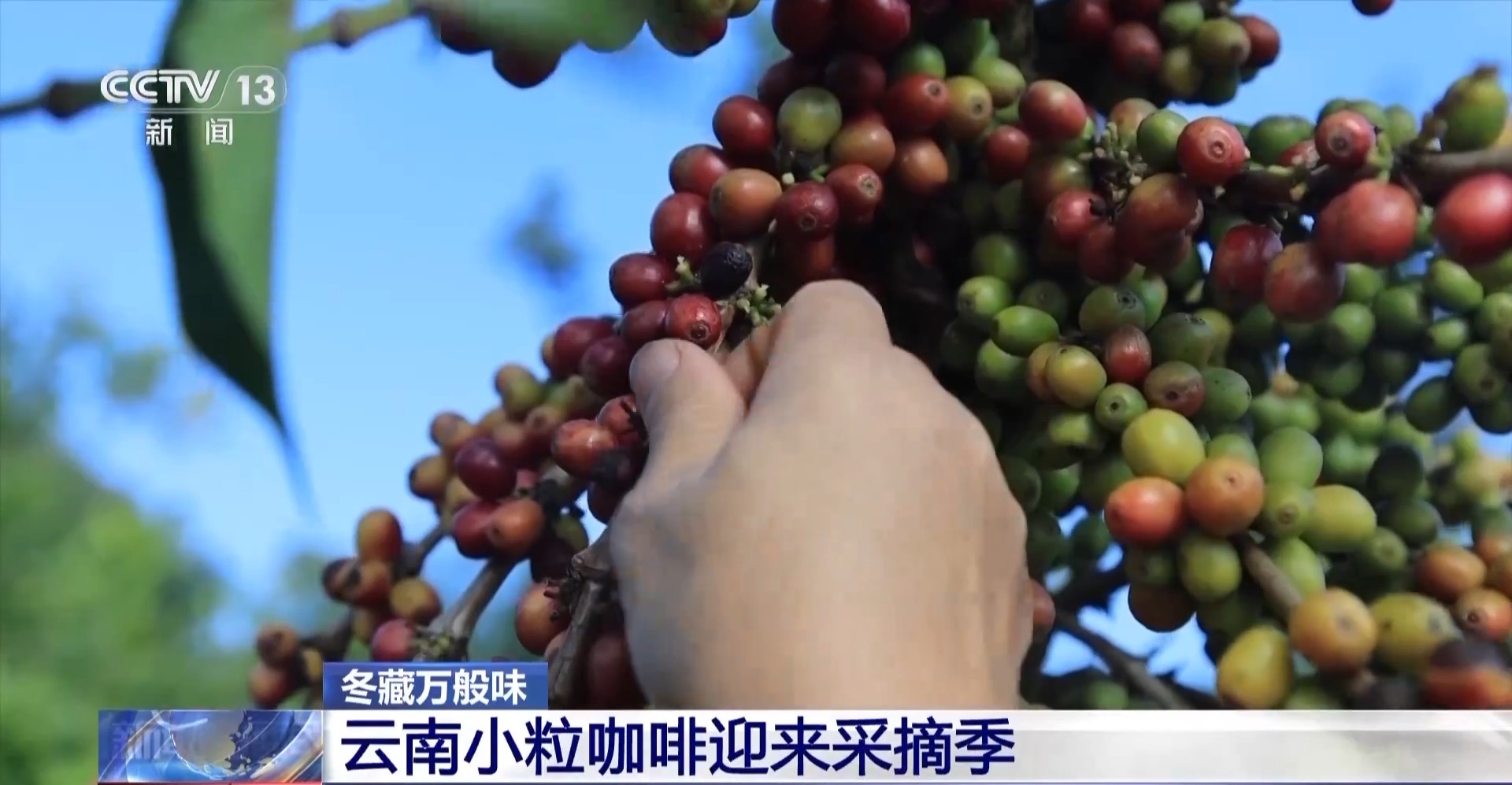
视频丨一粒豆一颗柑 中国味道饮品里藏着“绿色致富密码”
Yang Shi Xin Wen Ke Hu Duan· 2025-12-08 02:16
Group 1: Yunnan Coffee Industry - Yunnan has a coffee planting history of over 100 years, with planting area and output accounting for over 98% of the national total [4] - A coffee estate of 200 acres can harvest approximately 180 tons of coffee cherries annually, making coffee a significant source of income for farmers [4] - The use of coffee color sorting machines and drying machines has significantly improved the quality and processing rate of coffee beans in Yunnan [8] - A coffee company in Yunnan has increased its daily processing capacity from over 30 tons to between 100 and 150 tons after investing in an automated production line, achieving an annual capacity close to 20,000 tons [10] - Yunnan's boutique coffee estates have become popular tourist destinations, with 14 estates recognized as "Yunnan Boutique Coffee Estates" by 2024 [12] - During the coffee harvest season, visitor numbers at estates can peak at 3,000, with various activities such as picking courses and roasting [14] - The age range of coffee consumers has broadened significantly, with foot traffic in coffee shops increasing by over three times compared to previous years [16] Group 2: Chenpi Industry in Guangdong - The annual total output value of Chenpi in Xinhui has increased from 14.5 billion yuan in 2021 to 26.1 billion yuan last year, with expectations to exceed 28 billion yuan this year [25] - Modern production and management practices, including a digital traceability system covering nearly 10,000 growers, have enhanced the efficiency and quality of Chenpi production [22][23] - An automatic sorting line in a processing facility can handle 16 tons of citrus fruit daily, processing 2,600 fruits per minute with only one operator, improving efficiency by over five times [22] - The integration of Chenpi and coffee has led to innovative products such as "Chenpi Latte" and "Chenpi Americano," attracting customers and expanding the product matrix [34] - Local enterprises in Jiangmen are developing products like "Chenpi Coffee Freeze-Dried Powder," facilitating the convenience and scalability of flavored products [34]
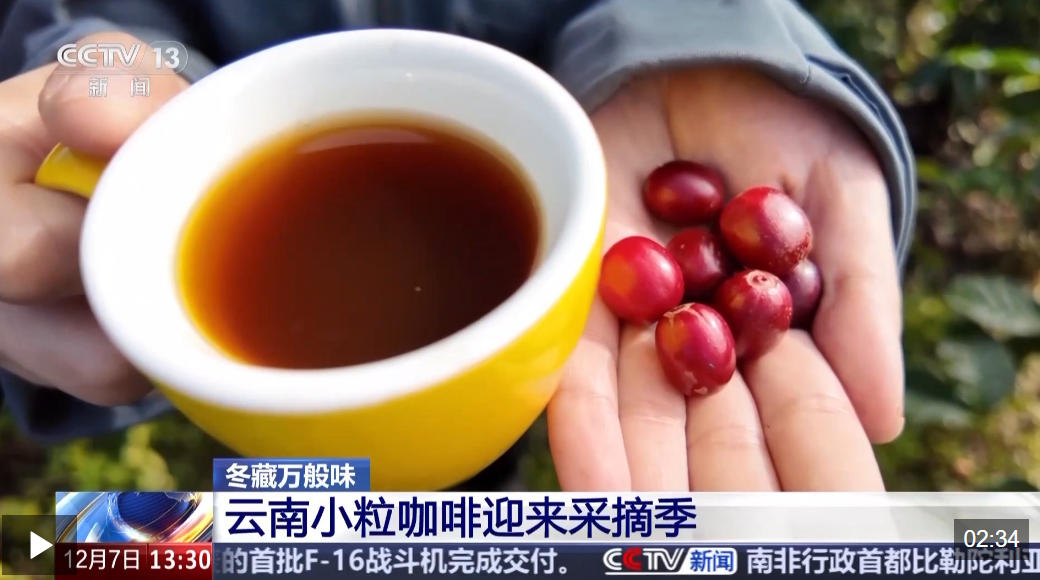
【省测绘局】秦岭国家公园实现“天、空、地”一体化智慧管理
Shan Xi Ri Bao· 2025-12-08 00:43
Core Insights - The Qinling National Park Comprehensive Management System has entered the trial operation phase, marking the realization of integrated smart management across "sky, space, and ground" [1][2] - The system aims for "full perception, precise management, and smart decision-making," focusing on refined park management and scientific decision-making through the integration of multi-source data [1][2] Group 1: System Components - The system consists of three core subsystems: "Sky, Space, Ground Access Integration," "Personnel Information Management," and "Infrastructure Management," forming a comprehensive management loop for monitoring, management, and service [1][2] - The "Personnel Information Management" subsystem has been operational since June, providing critical support for personnel and salary management within the provincial forestry system [1] Group 2: Monitoring and Management Capabilities - The "Sky, Space, Ground Access Integration" subsystem showcases strong monitoring capabilities, integrating thousands of sensing devices such as fire cameras and wildlife monitoring equipment, creating a comprehensive monitoring network for forest fire prevention and ecological monitoring [2] - The "Infrastructure Management" subsystem focuses on detailed management of park assets, including facilities like observation towers and meteorological stations, ensuring effective long-term operation of park infrastructure [2] Group 3: Future Developments - The Natural Resources Department's Shaanxi Basic Geographic Information Center plans to continuously optimize the functionality and usability of the system based on feedback during the trial operation phase, promoting deeper integration of smart technology with forestry management [2]
决胜“十四五” 打好收官战丨驭风集光 控水架网——新疆全力打造能源资源战略保障基地见闻
Xin Hua Wang· 2025-10-05 11:43
Core Insights - Xinjiang is actively transforming its energy landscape by implementing a systematic project to harness wind and solar energy, aiming to establish itself as a national energy resource strategic support base [1] Group 1: Renewable Energy Projects - The China Green Development Xinjiang Zhonglv Electric 4 million kW photovoltaic project in Ruoqiang County is generating clean electricity, which is distributed to local factories and households, enhancing industrial operations and living standards [1] - The Huadian North Xinjiang 1 million kW wind-solar base has generated nearly 5 billion kWh of green electricity since its grid connection on June 30, 2023, saving over 1.5 million tons of standard coal and reducing CO2 emissions by nearly 4 million tons [3] - Xinjiang's total installed power generation capacity reached 222 million kW by the end of August, with wind power at 55.29 million kW and solar power at 73.6 million kW, reflecting a 16.8% year-on-year increase in renewable energy generation from January to August [3][7] Group 2: Energy Storage and Management - The first pumped storage power station in Xinjiang, located in Changji Hui Autonomous Prefecture, utilizes a height difference of 484 meters to store and release energy efficiently, acting as a "super battery" [4] - The station operates by pumping water to an upper reservoir during low electricity demand and generating power during peak demand, showcasing innovative energy management [4] Group 3: Transmission Infrastructure - The completion of the 750 kV transmission project around the Tarim Basin enhances the reliability of electricity supply in southern Xinjiang, moving away from a single-line dependency [5] - Xinjiang has developed five major external energy transmission corridors, allowing clean energy to be delivered across vast distances, thereby expanding its energy export capabilities [5][7] - Since the 14th Five-Year Plan, Xinjiang has initiated 49 750 kV transmission projects and completed 35 ultra-high voltage projects, establishing a robust internal and external energy network [7]
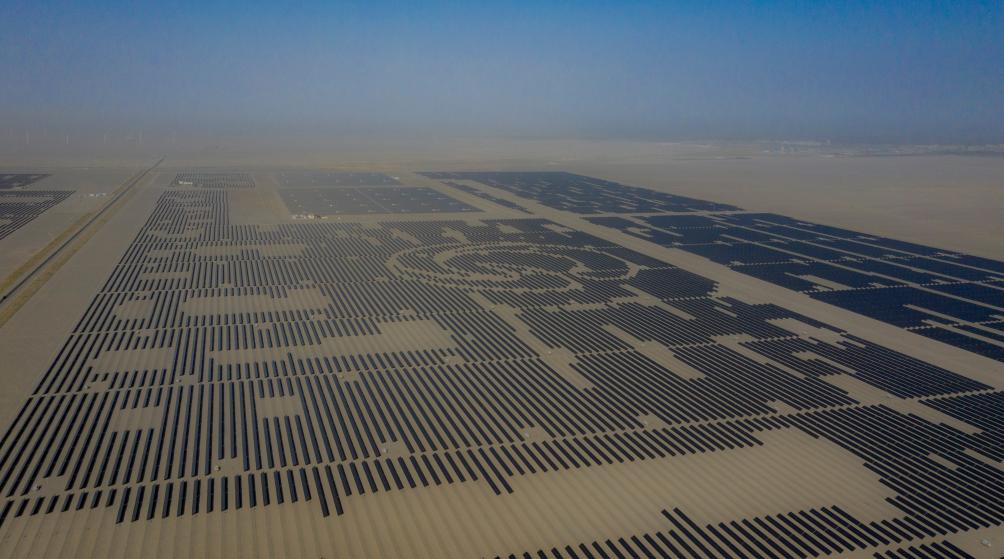
博瑞传播:旗下生学教育业务已经扩展到智慧城市、智慧医疗
Zheng Quan Shi Bao Wang· 2025-09-19 07:57
Core Viewpoint - The company BoRui Communication (600880) is expanding its educational business from a focus on smart education to include smart city and smart healthcare sectors, with plans to further develop in the smart management area [1] Group 1 - The educational business has evolved from specializing in smart education to incorporating smart city and smart healthcare initiatives [1] - The company aims to closely monitor regional policies and actual needs to promote product applications across various areas [1] - Future development will emphasize significant growth in the smart management sector [1]

以四大抓手推进规范化建设
Zhong Guo Hua Gong Bao· 2025-09-01 06:31
Core Viewpoint - The recent notice issued by the Ministry of Industry and Information Technology and other departments outlines the "regulatory red line" and "quality high line" for the development of chemical parks, emphasizing the need for systematic thinking to transition from "scale expansion" to "quality improvement" in the industry. Group 1: Industrial Collaboration - Focusing on industrial collaboration is essential for building an efficient industrial chain ecosystem, addressing issues like disordered enterprise layout and industrial chain gaps in chemical parks [1] - Coastal parks should leverage port logistics and import raw material advantages to develop high-end petrochemical new materials, while inland parks should focus on new coal chemical industries based on local resource endowments [1] - Cross-regional industrial collaboration, such as the Yangtze River Delta Chemical Park Alliance, can enhance overall competitiveness through resource sharing and technological cooperation [1] Group 2: Infrastructure Support - Infrastructure serves as the backbone for the normal operation of chemical parks, necessitating the promotion of integrated public facilities to break the "self-serving" model of enterprises [2] - Parks should establish specialized chemical wastewater treatment plants and hazardous waste disposal centers to ensure comprehensive and compliant waste management [2] - For instance, the Nanjing Jiangbei New Materials Science and Technology Park has maintained a general industrial solid waste utilization rate of over 98% through improved environmental facilities [2] Group 3: Safety and Environmental Protection - Safety and environmental protection are non-negotiable red lines for sustainable development in chemical parks, requiring a three-tiered risk control system [3] - Parks should implement real-time monitoring networks for air, water, and soil to track pollutant emissions and enforce stricter measures for non-compliant enterprises [3] - The integration of safety and environmental governance is crucial, linking environmental violations to safety risk levels for more stringent management [3] Group 4: Smart Management - Smart management is vital for enhancing management efficiency and reducing operational costs, aligning with the trend of digital development [4] - The establishment of a "smart park brain" utilizing technologies like 5G, IoT, big data, and AI can facilitate real-time data collection and analysis for safety and environmental monitoring [4] - For example, the Hangzhou Bay Shangyu Economic and Technological Development Zone has reduced emergency response times to within 15 minutes and improved management efficiency by 40% through its smart park system [4]
细管入微、智管赋能、众管聚力 天津城市治理下好“绣花”功夫
Ren Min Ri Bao· 2025-08-22 22:18
Core Viewpoint - The news highlights Tianjin's efforts in modernizing urban governance through a grid-based social governance platform, enhancing efficiency and collaboration among various departments [1][2][3][4][5]. Group 1: Urban Governance Modernization - Tianjin has developed a grid-based social governance platform that integrates data from various departments, improving work efficiency and reducing the workload for grid workers [1]. - The platform reflects Tianjin's commitment to enhancing urban governance modernization, aligning with President Xi Jinping's emphasis on innovative urban management and resilience [1]. Group 2: Community Engagement and Infrastructure Improvement - The city has focused on building pocket parks, with a target of "300 meters to green, 500 meters to parks," resulting in the completion of 70 out of 80 planned parks, totaling over 300 parks citywide [2]. - Infrastructure improvements include the renovation of 700 kilometers of old gas pipelines and 590 kilometers of heating pipelines, along with the maintenance of 58 urban roads and 53 bridges [2]. Group 3: Smart Management Systems - The introduction of a smart fire safety monitoring system in the Peace District has led to over 100 fire incidents being addressed, showcasing the effectiveness of technology in urban safety management [3]. - The urban management service platform has integrated data from seven categories, enhancing coordination and efficiency in managing urban services [3]. Group 4: Community Services and Resource Sharing - The establishment of "shared service" initiatives in communities has improved access to essential services for residents, particularly the elderly, by integrating resources from surrounding communities [4]. - The creation of 32 "shared family" service circles across 163 communities has enhanced service delivery and management efficiency [5].