
欧盟团结

Search documents
欧洲懵了,特朗普180度转变
华尔街见闻· 2026-01-22 09:37
Group 1 - Trump's stance on Greenland has shifted dramatically from threats of military intervention and economic sanctions to a "diplomatic compromise" mediated by NATO, temporarily diffusing an imminent transatlantic trade war [2] - On January 21, Trump announced via social media that he and NATO Secretary General Mark Rutte had reached an agreement on future cooperation regarding Greenland and the Arctic, indicating that the planned tariffs on Europe would not be implemented [2] - This unexpected move disrupted the agenda of an emergency EU leaders' meeting intended to establish a united front against Trump's "economic coercion" and ambitions regarding European territories [3][4] Group 2 - EU officials expressed concerns that Trump's seemingly flexible strategy could jeopardize EU unity and raise serious doubts about the credibility of U.S. commitments [5] - The core of this shift focuses on security cooperation rather than mere territorial acquisition, with Trump hinting at U.S. mining rights in Greenland and missile defense system deployment [7] - Despite the easing of tariff threats, Trump's unpredictability leaves European capitals uncertain about the longevity of U.S. commitments, with officials questioning whether he might revert to imposing tariffs or military action [8] Group 3 - Denmark and Greenland welcomed the de-escalation cautiously but reiterated their core stance that the territory is not for sale, with Danish Foreign Minister Rasmussen asserting that U.S. ownership of Greenland is impossible [9] - Rasmussen indicated a willingness to negotiate on U.S. security concerns, while left-wing Danish politicians warned against treating Greenland as a negotiable asset, emphasizing that it belongs to the Greenlandic people [10]

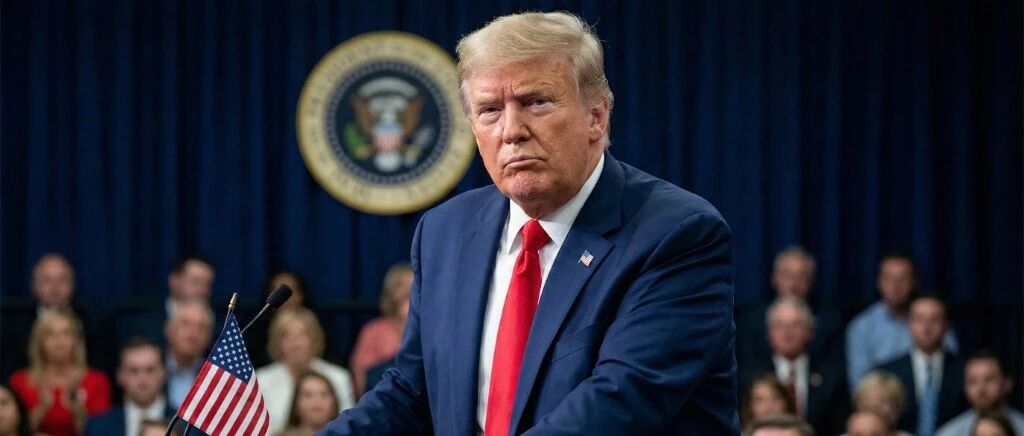
特朗普180度转折,欧洲懵了
Hua Er Jie Jian Wen· 2026-01-22 06:50
Group 1 - The core viewpoint of the articles revolves around Trump's sudden shift from a confrontational stance regarding Greenland to a diplomatic approach facilitated by NATO, which temporarily alleviates the threat of a transatlantic trade war but raises concerns about the unpredictability of his policies [1][2]. - Trump's announcement on January 21, stating that he would not implement the planned tariffs on Europe, marks a significant turn in the ongoing controversy over Greenland, although the details of the agreement remain unclear [1][2]. - The unexpected change disrupted a planned EU leaders' emergency meeting aimed at forming a united front against Trump's perceived economic coercion and territorial ambitions, highlighting the ongoing uncertainty in the market despite the temporary relief from tariff threats [1][2]. Group 2 - The focus of the discussions has shifted from territorial acquisition to security cooperation, with Trump hinting at U.S. interests in mineral rights and missile defense systems in Greenland, although he acknowledged the complexity of the proposal [2]. - European capitals are left confused by Trump's erratic behavior, with officials expressing concerns that his flexibility could undermine EU unity and exacerbate internal competition among member states regarding trade and geopolitical issues [2]. - Denmark has firmly reiterated that Greenland is not for sale, with its Foreign Minister emphasizing that U.S. ownership of the territory is a "red line," while also signaling a willingness to negotiate on security concerns [3].
北溪爆炸案确认,乌克兰自导自演,欧洲经济遭重创,还援助白眼狼
Sou Hu Cai Jing· 2026-01-20 06:45
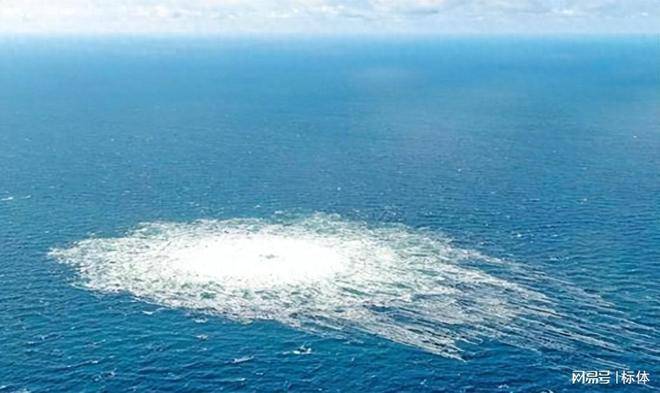
Core Viewpoint - The investigation into the Nord Stream pipeline explosion has revealed that Ukraine is implicated, shifting its international image from a victim to a perpetrator, which has significant implications for European energy policy and support for Ukraine [1][14][18]. Group 1: Incident Overview - The Nord Stream pipeline explosion occurred in September 2022, leading to investigations by Germany, Denmark, and Sweden, which concluded it was a deliberate act of sabotage [1]. - Evidence pointed to a Ukrainian team that executed the operation using a rented sailboat and military-grade explosives, costing under $300,000 [3][5]. Group 2: Investigation Findings - The investigation identified seven Ukrainian nationals involved, including a former member of the Ukrainian intelligence service, with connections to the Ukrainian military [5][7]. - The operation was reportedly directed by Valerii Zaluzhnyi, a former military leader, with indications that the Ukrainian government was aware of the actions [7][11]. Group 3: Economic and Political Implications - The explosion led to a significant disruption in energy supplies between Russia and Europe, causing natural gas prices to soar and resulting in substantial economic losses for Germany, estimated in the trillions of euros [9][18]. - The incident has caused a shift in European energy policy, increasing reliance on U.S. liquefied natural gas and diminishing strategic autonomy [16][18]. Group 4: Public and Political Reactions - Public sentiment in Germany has turned against continued support for Ukraine, with protests emerging as economic conditions worsen [11][18]. - The investigation has strained relations within the EU, with countries like Poland refusing to cooperate in apprehending suspects, further complicating the situation [12][16].
欧盟内讧再起,被冻结的俄罗斯资产,为何成为欧盟的麻烦之源
Sou Hu Cai Jing· 2025-12-13 05:12
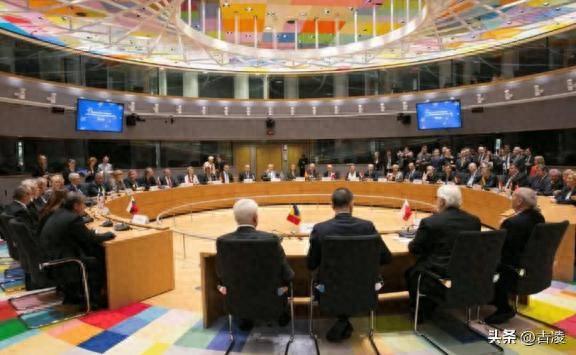
Core Viewpoint - The European Union (EU) faces internal divisions regarding the use of frozen Russian assets, originally intended to pressure Russia, but now causing disputes among member states as they seek to aid Ukraine amid financial challenges [1][3][5]. Group 1: Financial Context - The EU and the US froze approximately €300 billion of Russian central bank reserves since the onset of the Ukraine conflict in February 2022, with about €210 billion held in the European Clearing Bank in Brussels [1][3]. - By June 2024, EU leaders agreed to allocate around €3 billion annually from the interest of these frozen assets to support Ukraine, but increasing financial pressure has led to discussions about using the principal amount [3][5]. Group 2: Political Dynamics - Belgium, as the custodian of the frozen assets, opposes plans to use them for loans to Ukraine, citing legal and financial risks, including potential retaliation from Russia [7][9]. - The EU's decision-making process is hampered by the requirement for unanimous consent among member states, leading to complications in advancing proposals related to the frozen assets [13][20]. Group 3: International Relations - The EU's attempts to leverage frozen Russian assets for Ukraine aid have been met with skepticism, as Russia warns that such actions could be viewed as theft and may lead to severe diplomatic repercussions [7][16]. - Japan's refusal to participate in the asset freeze plan during a G7 meeting highlights the growing rifts within the Western alliance regarding the approach to Russia [15][22]. Group 4: Future Implications - The EU is projected to face a funding gap of approximately €135 billion for Ukraine in 2026 and 2027, necessitating urgent solutions to avoid a financial crisis [5][20]. - The upcoming EU summit on December 18 is critical for resolving these issues, but ongoing disagreements among member states, particularly Belgium and Hungary, threaten to stall progress [20][22].
欧盟俩兄弟撕破脸!波兰逼乌克兰炸俄油管道,匈牙利却要死保俄油
Sou Hu Cai Jing· 2025-10-26 05:56
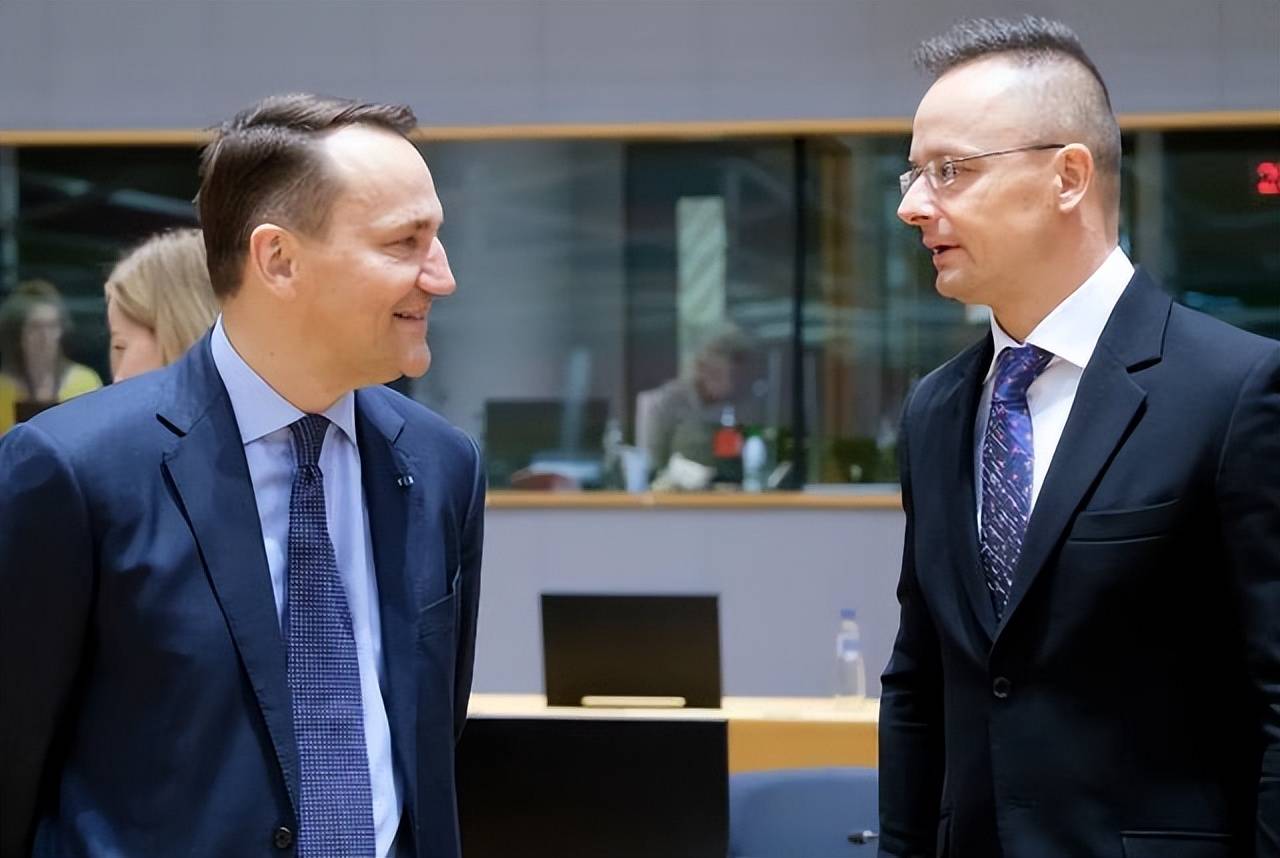
Core Viewpoint - The conflict between Poland and Hungary within the EU has escalated into an open confrontation, driven by deep divisions over Russian oil supply, support for Ukraine, and energy security [1][3]. Group 1: Poland's Position - Poland's foreign minister has publicly called for Ukraine to destroy the pipeline supplying Russian oil to Hungary, highlighting Poland's strong stance against Russian energy dependence [3][11]. - Poland's rejection of extraditing a Ukrainian citizen accused of damaging the "Nord Stream" pipeline reflects its national interests and a broader anti-Russian sentiment [5][19]. - Poland views the "Friendship" pipeline as a geopolitical threat, as it allows Russia to maintain stable foreign exchange income, which supports its military actions in Ukraine [15][19]. Group 2: Hungary's Position - Hungary relies heavily on the "Friendship" pipeline for its energy needs, with approximately 80% to 90% of its oil imports coming from this source, making it resistant to cutting ties with Russian oil [13][15]. - The Hungarian government emphasizes its geographical limitations, stating that it cannot easily switch to alternative energy sources without incurring significant costs and logistical challenges [15]. - Hungary's foreign minister criticized Poland's calls for action against its energy supply, framing them as support for terrorism [6][11]. Group 3: EU Dynamics - The ongoing dispute illustrates a significant divide within the EU regarding energy policy and responses to the Russian-Ukrainian conflict, with Eastern European countries like Poland advocating for a tougher stance while Western nations prefer to avoid escalating tensions with Hungary [16][19]. - The internal EU conflict extends beyond energy issues, as differing views on defense spending and security highlight the fragmentation within the union [17][19]. - The situation underscores the tension between the EU's aspirations for political integration and the reality of member states prioritizing their national interests, leading to a fragile sense of unity [19].
欧盟贸易专员塞夫科维奇:欧盟团结依然至关重要。
news flash· 2025-07-09 12:58
Group 1 - The core message emphasizes the importance of EU unity in trade matters [1]
德国财政部长克林贝尔:面对美国关税,欧盟必须团结一致,我们已做好准备,以防谈判无果。
news flash· 2025-05-15 07:17
Group 1 - The core viewpoint emphasizes the necessity for the European Union to unite in response to U.S. tariffs, indicating readiness for potential negotiations that may not yield results [1]