气象科技

Search documents
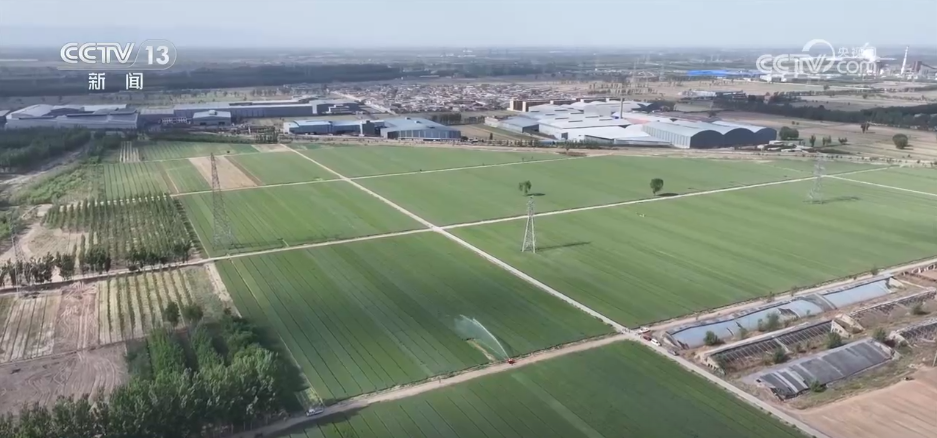
减损增效 气象科技绘就沃野好“丰”景
Xin Lang Cai Jing· 2026-01-11 18:13
Core Insights - The article highlights the significant advancements in meteorological technology that have enhanced agricultural productivity in Inner Mongolia, projecting a total grain output of 840.7 billion jin by 2025 with a forecast accuracy of 99.98% [1] Group 1: Meteorological Advancements - The precision of meteorological disaster risk warnings has improved from 5 kilometers to 100 meters, enabling proactive disaster management in agriculture [1] - The "1+1+N" smart agricultural meteorological service model has been established, providing professional guidance and technical support for precise agricultural disaster risk warnings [1] Group 2: Comprehensive Agricultural Support - The Inner Mongolia meteorological department is utilizing advanced technologies such as satellite remote sensing and crop modeling to conduct comprehensive assessments of major crops, ensuring food security [2] - Technology-driven initiatives, such as the "Technology for Agriculture" program, are providing practical solutions to long-standing agricultural issues, resulting in increased yields and income for farmers [2] Group 3: Smart Irrigation Innovations - The development of intelligent meteorological water-saving irrigation forecasting technology allows for tailored irrigation strategies, significantly improving water efficiency [3] - The "Inner Mongolia Smart Agricultural Weather" mobile application provides farmers with location-based weather forecasts and irrigation recommendations, leading to substantial water and cost savings [3]
这里有“追风者”“捕雨人”,探秘全国暴雨研究中心
Xin Lang Cai Jing· 2025-12-23 17:03
Core Viewpoint - The establishment of the National Rainstorm Research Center, relying on the Wuhan Rainstorm Research Institute, aims to enhance rainstorm monitoring, early warning systems, and public scientific literacy in response to the increasing frequency of extreme weather events in China [1][2]. Group 1: Rainstorm Research and Monitoring - The National Rainstorm Research Center will be established in 2024 to address key scientific and technical issues in rainstorm research [1]. - The center focuses on improving rainstorm monitoring, mechanisms, and modeling to tackle the challenges posed by climate change and extreme weather [1][2]. - A comprehensive observation network has been built with over 140 observation devices across various regions, capturing the lifecycle of rainstorm systems in the Yangtze River basin [2]. Group 2: Technological Advancements and Applications - Advances in rainstorm monitoring and early warning systems have led to the implementation of technologies for identifying severe weather events like thunderstorms and hail in over ten provinces [2]. - New probabilistic forecasting methods for rainfall risk and hydrological predictions have been developed to enhance flood prevention efforts [2]. Group 3: Public Engagement and Education - The center released the "Top Ten Rainstorm Events of 2025" to raise public awareness and improve disaster prevention capabilities [2]. - The initiative aims to enhance societal understanding of extreme weather and promote a collective approach to building a disaster defense system [2]. Group 4: Collaboration and Innovation - The National Rainstorm Research Center emphasizes collaborative innovation and international cooperation to expand its research network [3]. - The center has seen an influx of high-level talent and significant research achievements, contributing to disaster prevention and mitigation efforts [3].
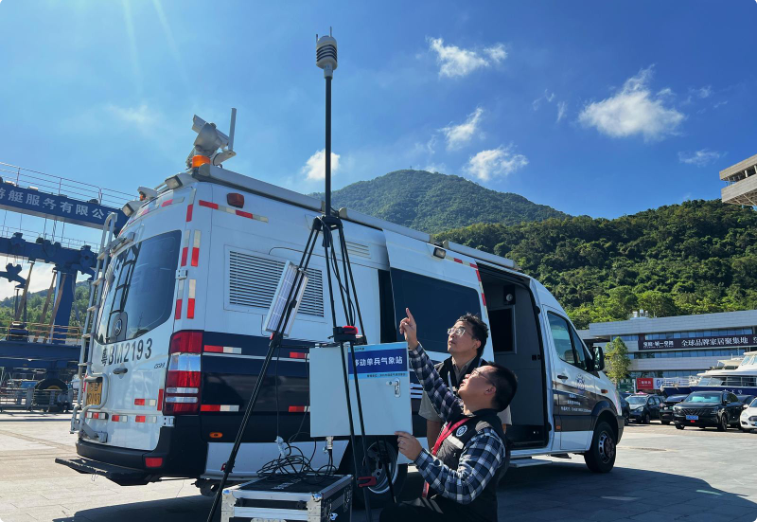
气象科技护航十五运会海上竞技 为马拉松游泳赛选出“好日子”
Ke Ji Ri Bao· 2025-11-06 02:43
Core Insights - The 15th National Games featured the first marathon swimming event held in open sea conditions, presenting unique challenges for athletes and organizers [1][3] - Meteorological services played a crucial role in ensuring the safety and fairness of the event, utilizing advanced technology for real-time monitoring and forecasting [3][5] Meteorological Services - The event required precise weather conditions, with suitable wind speeds under 5 m/s and water temperatures between 12°C and 32°C [3][4] - The Shenzhen Meteorological Bureau provided a modernized meteorological service system, ensuring a safe environment for the competition [3][5] - Historical climate data was analyzed, confirming a 60% probability of suitable wind conditions during the event [3][5] Technological Innovations - The meteorological team employed artificial intelligence and advanced forecasting models to predict weather patterns accurately, which was critical for event planning [5][6] - A comprehensive meteorological observation system was established, integrating satellite monitoring and high-precision observation networks to support decision-making [5][6] Event Management - The meteorological team conducted on-site assessments and provided real-time weather updates to the event organizers, ensuring that conditions remained favorable for the competition [4][5] - The successful execution of the marathon swimming event demonstrated the effectiveness of meteorological technology in supporting major sporting events [5][6]

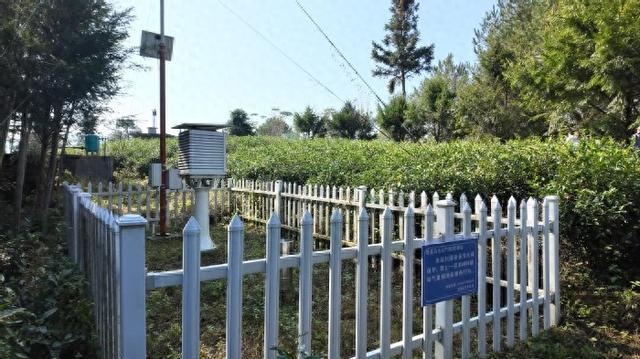
气象科技助力绿色经济“百花齐放”
Huan Qiu Wang· 2025-11-05 07:25
Core Insights - Jiangxi province leverages meteorological technology to enhance ecological protection and boost agricultural productivity, particularly in rice cultivation and other economic crops [1][2][3] Agricultural Development - Early rice planting has been identified as a key strategy to increase grain yield, with a potential early sowing period of 7 to 10 days helping to avoid the adverse effects of the "Hanlu Wind" [1][2] - The average increase in rice yield due to early sowing is reported at 25.6 kilograms per hectare, contributing to a total early rice production of 6.767 million tons in Jiangxi for 2024, ranking second nationally [2] Precision Services for Crop Quality - Meteorological services are crucial for the cultivation of various crops in Jiangxi, including tea and citrus fruits, with real-time weather monitoring enhancing crop management [3][5] - The tea industry in Jiangxi benefits from meteorological technology, with over 6,000 acres of tea gardens utilizing monitoring equipment to optimize growing conditions and improve quality [3][5] - Citrus farmers in Yongxiu County utilize smart weather stations to monitor critical weather parameters, allowing for timely interventions to protect crops from adverse weather [9][10] Tourism and Ecological Development - The integration of meteorological data into tourism has led to the development of eco-tourism in Jiangxi, with the Dajue Mountain scenic area recognized as a "5A Zero Carbon Scenic Area" [10][11] - The establishment of meteorological monitoring stations in tourist areas supports ecological assessments and enhances visitor safety through timely weather alerts [10][11] Innovative Models in Medicinal Plant Cultivation - The "Taihao Traditional Chinese Medicine Meteorological Town" serves as a model for integrating meteorological monitoring with the cultivation of medicinal plants, ensuring optimal growth conditions [11][13] - Advanced weather monitoring allows for proactive measures against extreme weather, significantly reducing potential damage to valuable medicinal crops [13]
加快推进气象科技能力现代化和社会服务现代化——国新办发布会聚焦“十四五”时期气象高质量发展成就
Xin Hua She· 2025-10-12 05:19
Core Viewpoint - The modernization of meteorological services in China has significantly advanced during the "14th Five-Year Plan" period, enhancing disaster monitoring, public safety, and economic development through improved technology and services [2][3][4]. Group 1: Meteorological Modernization - China has established a comprehensive meteorological observation system consisting of 9 meteorological satellites, 842 weather radars, and over 90,000 ground observation stations, achieving an 83% monitoring rate for hazardous weather [2]. - The early warning time for severe convective weather has been advanced by 13% [2]. - The artificial rainfall and snow operations have increased precipitation by approximately 1,677 billion tons, while hail prevention efforts have reduced economic losses by about 60.3 billion yuan [2]. Group 2: Technological Advancements - The development of Fengyun meteorological satellites and weather radars represents significant progress in China's meteorological capabilities, with the country now having the largest and most comprehensive observation system globally [3]. - During the "14th Five-Year Plan," five Fengyun satellites were launched, marking a leap from following to leading in meteorological technology [3]. - The number of countries and regions accessing the Fengyun satellite application service platform has increased by 107%, with service requests growing by 266% [3]. Group 3: Enhanced Meteorological Services - A seamless and comprehensive intelligent digital meteorological forecasting system has been established, catering to various industries and applications [4]. - The accuracy of weather forecasts has reached historical highs, with a 10% improvement in heavy rain forecast accuracy compared to the previous five-year period [4]. - The range of meteorological services has expanded to include over 70 types of life meteorological service indices, integrating with health and wellness sectors for more targeted public services [5].
“靠天吃饭”到“知天而作” 气象科技助力夏收夏种全面启动
Yang Shi Wang· 2025-05-21 04:10
Group 1 - The core viewpoint of the article highlights the commencement of the summer harvest and planting season in China, marked by the release of the first national meteorological service report for summer harvest and planting in 2025 by the Central Meteorological Station on May 20 [1] - The summer harvest primarily involves the collection of winter wheat and rapeseed, while summer planting includes the sowing of summer corn, summer soybeans, and transplanting of rice [3] - The meteorological report predicts favorable weather conditions for the majority of summer grain-producing areas, with a low risk of continuous rain, which is beneficial for the maturation and harvesting of winter wheat and rapeseed [3][5] Group 2 - The report indicates that from June to mid-June, temperatures will be close to or slightly above the normal levels, with precipitation in North China and the Huang-Huai region being near normal, which is conducive to the smooth progress of wheat harvesting [5] - However, localized severe weather such as heavy rainfall and strong winds may impact the harvesting process [5] - The China Meteorological Administration is utilizing satellite remote sensing and radar monitoring to provide technological support for summer agricultural production, including monitoring crop growth and soil moisture [5][7] Group 3 - The article discusses the phenomenon of "dry hot wind," which poses a risk to winter wheat in northern regions, particularly during the critical growth period of flowering to grain filling [9] - "Dry hot wind" is characterized by high temperatures and low humidity, leading to increased transpiration and potential yield loss in wheat crops [9] - Historical data indicates a decreasing trend in the intensity of "dry hot wind," but recent climate warming has led to higher temperatures during the grain filling period, increasing the risk of this weather phenomenon [9]