消费并购潮

Search documents
2500亿,网红薯片被卖了
3 6 Ke· 2025-12-13 08:30
Group 1 - Mars has completed the acquisition of Kellanova, the parent company of Pringles, for approximately $35.9 billion (about 253.4 billion RMB), marking the largest food industry acquisition of the year [1][4] - The acquisition was announced in August 2022 at a price of $83.50 per share, and regulatory approval was granted in December 2023, leading to Kellanova's delisting from the NYSE [4][5] - The merger combines iconic brands from both companies, with Mars CEO Poul Weihrauch emphasizing the opportunity for innovation and reaching more consumers globally [5][6] Group 2 - Pringles, launched in 1968, was the first canned chip brand and gained popularity through unique flavors and marketing strategies [3][4] - Kellanova, which includes brands like Pringles and Cheez-It, was formed after Procter & Gamble sold Pringles for $2.695 billion (about 18.8 billion RMB) in 2012, making Kellanova the second-largest snack company at that time [5][8] - The acquisition will elevate Mars' snack food business revenue to an estimated $36 billion, positioning it as the third-largest player in the global snack industry, behind PepsiCo and Mondelez [8] Group 3 - Mars has a history of significant acquisitions, with over 10 deals completed in the past two years, including brands in the chocolate and pet food sectors [7][8] - The company remains privately held and is one of the largest family-owned businesses globally, with annual sales exceeding $55 billion and over 150,000 employees [7] - The current trend in the consumer sector shows a wave of mergers and acquisitions, with companies adjusting strategies in response to intensified market competition [10][12]

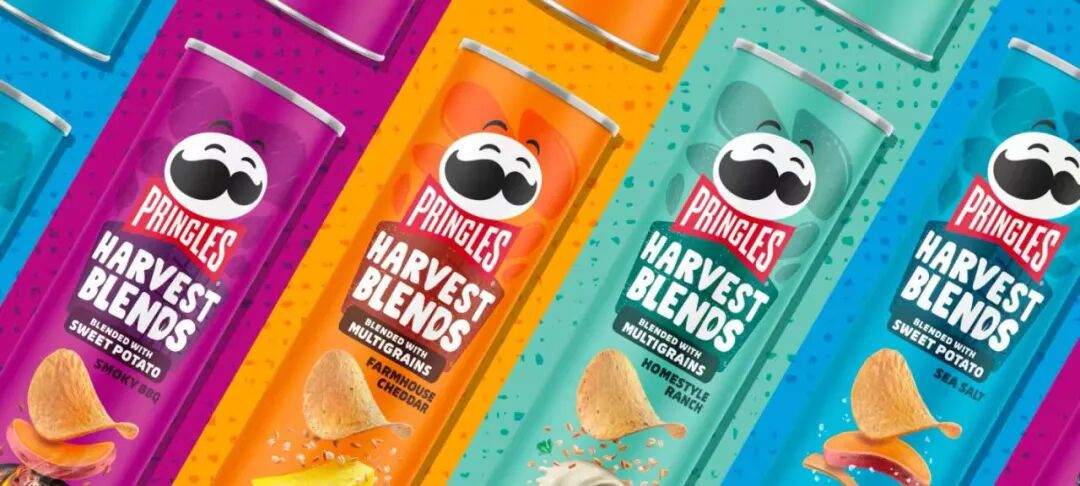
2500亿,网红薯片被卖了
投资界· 2025-12-13 07:39
Group 1 - Mars has completed the acquisition of Kellanova, the parent company of Pringles, for approximately $35.9 billion (about 253.4 billion RMB), marking the largest food industry acquisition of the year [2][5] - The acquisition signifies the merging of well-known brands, with Mars owning brands like Dove and Snickers, while Kellanova is recognized for Pringles and Kellogg's cereals [2][4] - The deal was in the works for a long time, with regulatory approval received in December, leading to Kellanova's delisting from the New York Stock Exchange [5][6] Group 2 - Pringles, launched in 1968, was the first canned potato chip brand and gained popularity through unique flavors and marketing strategies [4][6] - The brand initially struggled in sales but became a hit in the 1980s after taste adjustments and effective advertising [6] - Kellanova's history dates back to 1894, and it became the second-largest snack company globally after acquiring Pringles from Procter & Gamble for $26.95 billion (about 188 billion RMB) in 2012 [6][7] Group 3 - Mars CEO Paul Wehrrauch described the acquisition as historic, emphasizing the opportunity for innovation and reaching more consumers [7] - Mars is a well-known company with a diverse portfolio, including brands like M&M's and Skittles, and has a history of significant acquisitions [8][9] - The acquisition is expected to boost Mars' snack food business revenue to approximately $36 billion, positioning it as the third-largest player in the global snack industry [9] Group 4 - The article highlights a broader trend of mergers and acquisitions in the consumer sector, with companies like Starbucks and Burger King also engaging in strategic partnerships and sales [10][12] - The competitive landscape in the consumer market is prompting brands to adjust strategies, with many familiar brands choosing to sell parts of their businesses [13] - The food and beverage sector is viewed as resilient and attractive for investment, especially during economic fluctuations, leading to increased merger activity [13]

他们买下中国汉堡王
投资界· 2025-11-11 01:01
Core Insights - The article discusses the recent acquisition of Burger King China by CPE Yuanfeng, highlighting a trend of international brands selling their Chinese operations amid a wave of consumer mergers and acquisitions [3][9]. Group 1: Acquisition Details - CPE Yuanfeng will inject $350 million (approximately 2.5 billion RMB) into Burger King China to support expansion, marketing, menu innovation, and operational improvements [5]. - The deal includes a 20-year master development agreement granting exclusive rights to develop the Burger King brand in China [5]. - After the transaction, CPE Yuanfeng will hold approximately 83% of Burger King China, while RBI Group will retain about 17% and a board seat [5]. Group 2: Market Context - Burger King entered the Chinese market in 2005 but faced challenges in expansion, with sales in 2024 projected at around $700 million and average annual sales per store at over $400,000, significantly lower than competitors like McDonald's and KFC [6]. - The article notes a broader trend of international brands, including Starbucks and Pizza Hut, divesting their Chinese operations, reflecting increased competition and economic pressures in the market [9][10]. - The sale of assets by these brands is seen as a strategic response to the current economic climate, with many companies looking to adapt to market challenges [10].