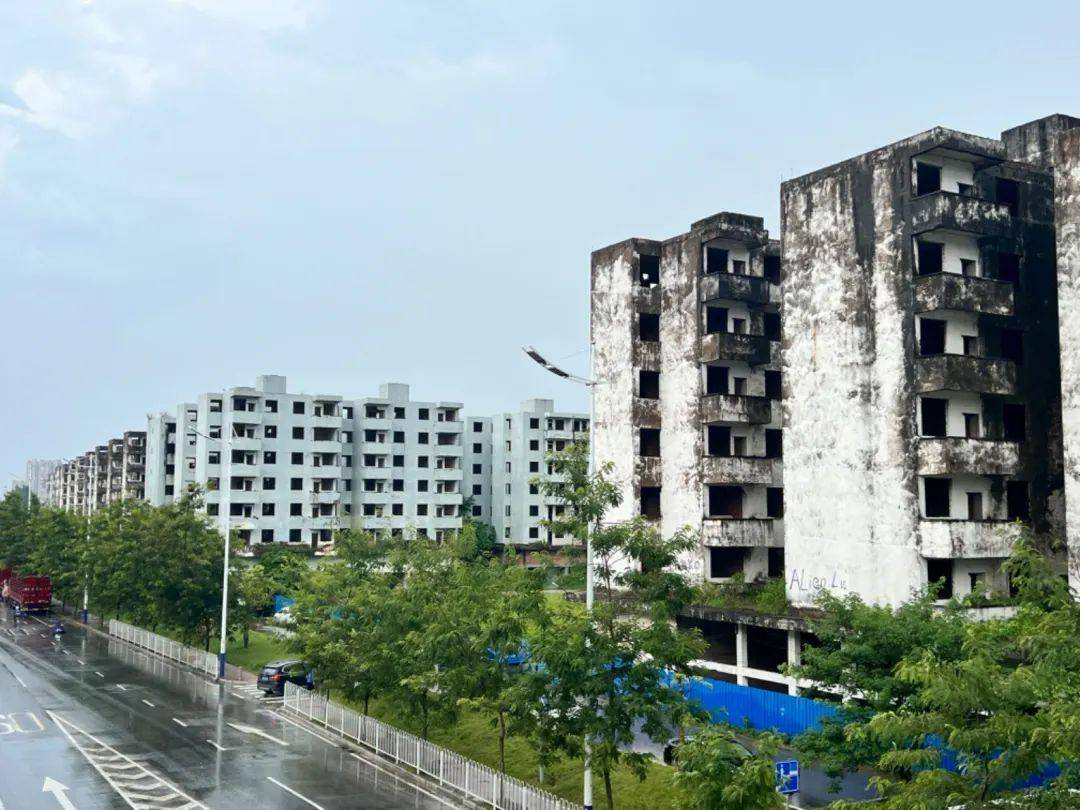
烂尾楼

Search documents
为什么开发商没钱了可以烂尾,老百姓拿不到房却不能断供?
Sou Hu Cai Jing· 2026-02-15 17:39
Core Viewpoint - The increasing prevalence of "unfinished buildings" in the real estate development sector is alarming, affecting both small and large developers, leading to significant distress for homebuyers who face financial burdens without receiving their purchased properties [1] Group 1: Causes of Unfinished Buildings - High debt levels severely restrict developers' financing capabilities, resulting in a dwindling cash flow and halted construction projects due to poor sales performance and inventory accumulation [3] - The lack of regulation on homebuyer prepayments allows developers to misallocate funds, leading to financial losses in other ventures and ultimately resulting in unfinished projects [4] Group 2: Reactions and Responsibilities - Many netizens express strong dissatisfaction, questioning why developers can abandon projects while homebuyers must continue to repay loans despite not receiving their homes. Banks assert that the responsibility lies with developers, as homebuyers have signed contracts that obligate them to repay loans [6] - Critics argue that banks should take responsibility for rigorously assessing borrowers' qualifications and repayment capabilities, as some banks have relaxed their scrutiny in pursuit of short-term profits, exacerbating the financial pressure on homebuyers [8] Group 3: Proposed Solutions - A comprehensive cancellation of the pre-sale system for residential properties is suggested, allowing sales only after the main structure is completed to prevent developers from misusing funds [9] - If the pre-sale model is retained, strict "designated use" management of homebuyer prepayments is necessary, ensuring that funds are not diverted by developers and are effectively regulated by relevant authorities [9]


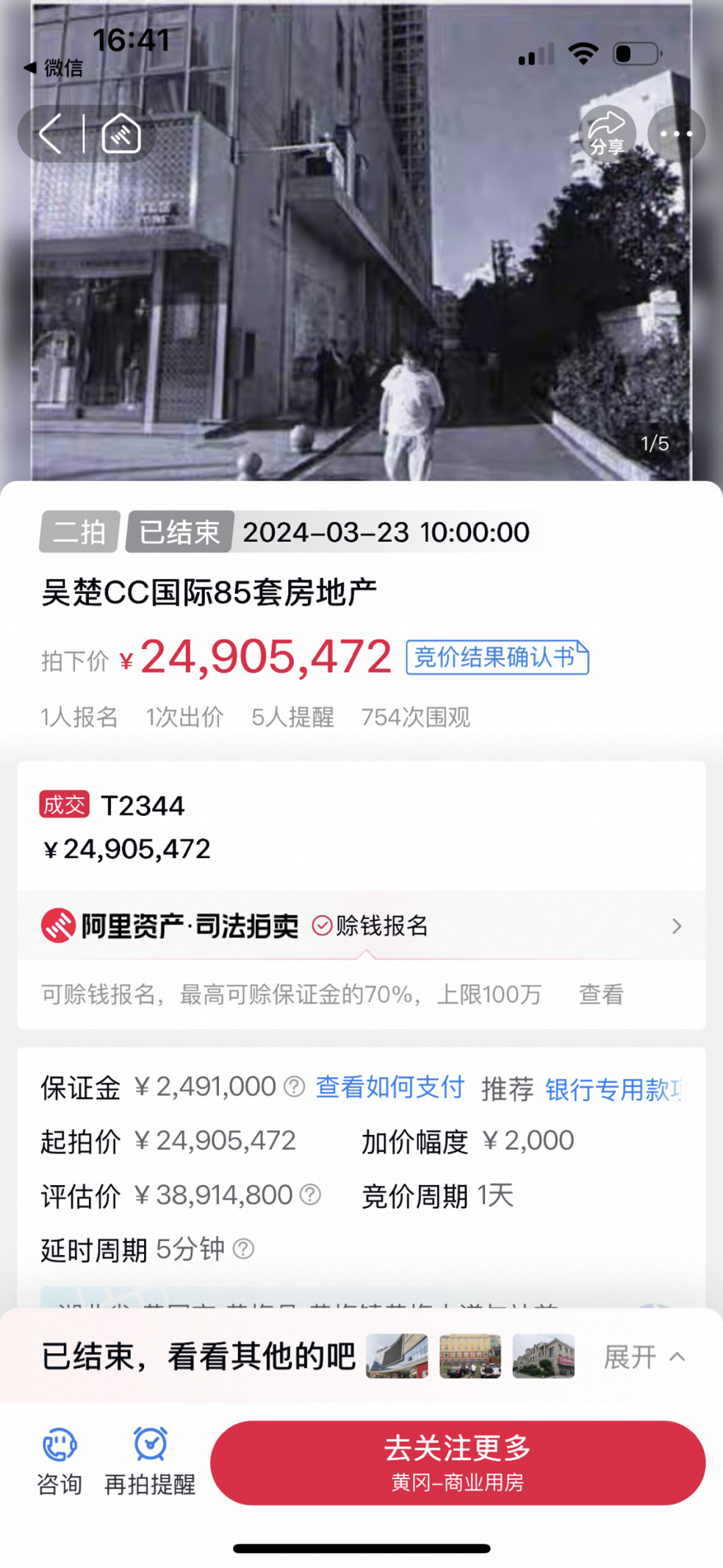
85套法拍房办证难背后:部分购房者先遇烂尾,筹款自救后又遭法拍
Yang Shi Wang· 2025-11-24 02:23
Core Points - The article discusses the ongoing issues faced by 21 individuals, including Qi, who purchased 85 residential properties through judicial auction but have been unable to obtain property certificates for over a year due to various complications [1][10][14] - The properties in question are part of the Wu Chu CC International project, which has a history of construction delays and legal disputes involving the developer and contractors [27][28][41] Group 1: Property Auction and Ownership Issues - The 85 properties were auctioned for a total of ¥24,905,472, approximately 60% of their assessed value of ¥38,914,800, indicating a significant discount for buyers [12][13] - The auction was necessitated by legal disputes surrounding the properties, with some units reportedly occupied, complicating the issuance of property certificates [9][21][27] - Qi and other buyers have expressed frustration over the inability to obtain property certificates, with some properties allegedly having multiple claims of ownership [18][41] Group 2: Developer and Legal Complications - The Wu Chu CC International project has been embroiled in legal disputes since 2017, primarily due to unpaid construction debts, leading to court-ordered property seizures [27][28] - The developer, Wu Chu Real Estate Company, has faced multiple lawsuits and claims of mismanagement, including allegations of "one house multiple sales" [29][31] - The local real estate registration center has cited historical issues and ongoing disputes as reasons for the delays in processing property certificates for the auctioned units [21][25][41] Group 3: Government and Community Response - Local government officials have acknowledged the complexity of the situation, indicating that they are working to resolve the disputes but have not provided clear timelines for resolution [21][40] - The community of buyers has been actively seeking legal recourse and has engaged in collective actions to address their grievances, highlighting the broader implications for property rights in the region [33][38]
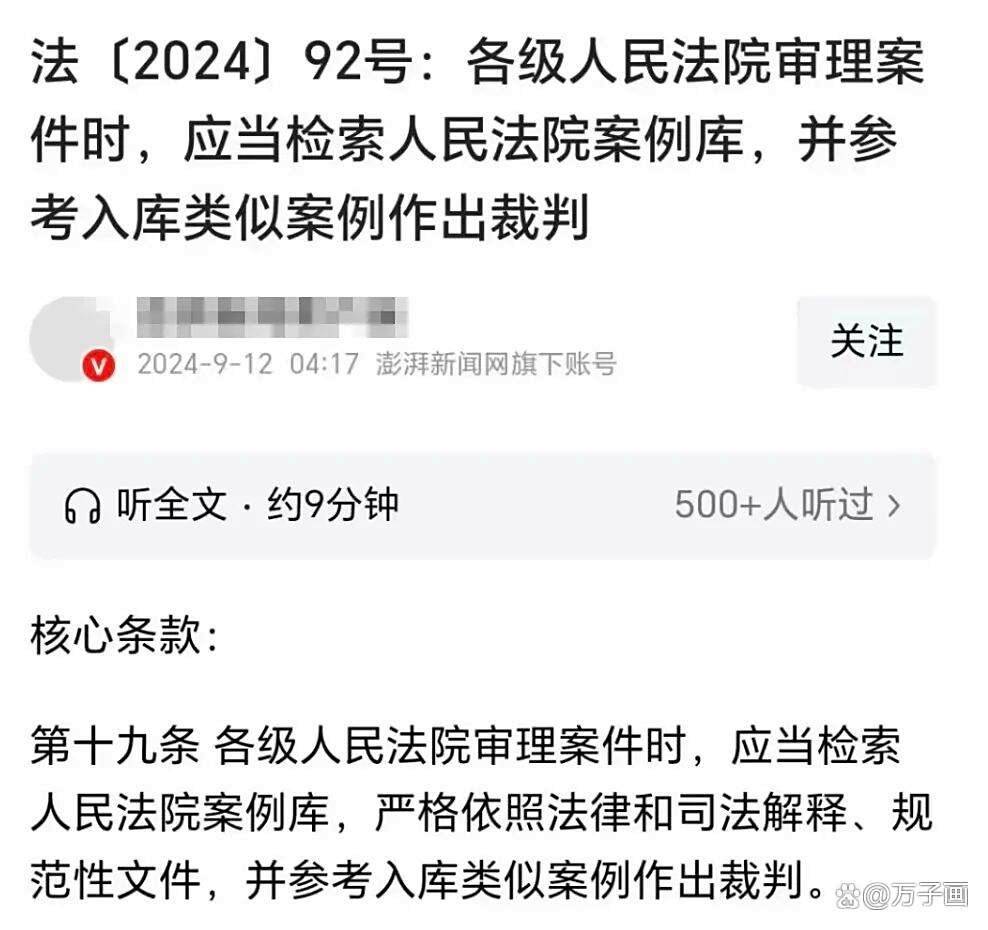
烂尾楼出“大招了”,最高法定调:银行傻眼,开发商也崩溃了!
Sou Hu Cai Jing· 2025-09-13 03:00
Core Viewpoint - The recent ruling by the Supreme People's Court provides a significant breakthrough for homebuyers facing the "nightmare" of unfinished properties, allowing them to terminate contracts and cease mortgage payments if their homes are not delivered on time [6][8][19]. Group 1: Causes of Unfinished Properties - The prevalence of unfinished properties is attributed to various factors, including developers' financial difficulties and the systemic issues related to the pre-sale system, which places undue financial pressure on homebuyers [5][10]. - The lack of clear contractual responsibilities has left homebuyers vulnerable, often resulting in a cycle of debt and legal challenges that favor banks and developers [5][10]. Group 2: Supreme Court's Ruling - The Supreme People's Court's ruling allows homebuyers to legally terminate contracts and mortgage agreements if their properties are not delivered, relieving them of financial obligations [6][8]. - A case example illustrates that a homebuyer was able to recover their down payment and mortgage payments, with the developer held responsible for the loan repayment [8][19]. Group 3: Implications for the Real Estate Market - The ruling signifies a shift in the legal landscape, potentially leading to a transition from a pre-sale system to a model focused on completed properties, thereby enhancing buyer protections [12][21]. - Developers will face stricter consequences for failing to deliver properties, while banks will need to adopt more rigorous assessments of developers' financial stability before granting loans [19][21]. Group 4: Future Market Dynamics - The new legal framework is expected to create a more transparent and equitable real estate market, reducing risks for homebuyers and restoring confidence in property transactions [21][22]. - The ruling marks a pivotal change in the relationship between homebuyers, developers, and banks, fostering a more balanced environment where homebuyers are no longer at a disadvantage [21][22].
烂尾楼“反杀”来了!最高法定调,银行傻眼了,开发商也崩溃了?
Sou Hu Cai Jing· 2025-09-12 01:56
Group 1 - The Supreme People's Court has ruled that homebuyers facing unfinished properties can legally terminate their purchase contracts and loan agreements, relieving them of repayment obligations for loans on properties that have not been delivered [4][5][6] - A significant case involving a buyer from Yancheng, Jiangsu, illustrates the ruling's implications, where the court ordered the developer to refund the buyer's down payment and loan principal, along with interest, while also relieving the buyer of further loan obligations [6][7] - The ruling marks a pivotal shift in the legal landscape, emphasizing that financial contracts cannot override principles of fairness and justice, thus protecting homebuyers from undue financial burdens in cases of project abandonment [10][12] Group 2 - The prevalence of unfinished properties has reached alarming levels, with approximately 2.31 million unfinished homes reported nationwide, affecting over a million families and raising significant social stability concerns [14] - The shift from a pre-sale system to a focus on selling completed properties is becoming mainstream, as the drawbacks of the pre-sale model have become increasingly apparent, leading to a redefinition of market rules [15] - This new legal precedent signals a transformation in buyer confidence, encouraging a preference for completed properties to mitigate risks associated with unfinished developments [15][16]
房贷断供困局:2025年断供率持续攀升背后的经济隐忧与政策应对
Sou Hu Cai Jing· 2025-07-26 23:42
Core Insights - The mortgage default rate in China has risen to 4.7% in July 2025, marking a 0.3 percentage point increase from June and continuing a four-month upward trend, particularly affecting third and fourth-tier cities where the rate has reached 6.8% [1][2] - Economic pressures, including a GDP growth rate of only 4.8% in the first half of 2025, have contributed to declining household income growth, which has fallen to 3.2% compared to 5.8% in the same period of 2022, impacting repayment capabilities [1][2] - The continuous decline in housing prices, with new home prices down 5.7% and second-hand home prices down 6.9% year-on-year, has exacerbated the situation for homebuyers, leading to increased default intentions [2][4] - The financial stability of the banking sector is under threat, with the non-performing loan rate for real estate-related loans rising to 3.7%, and potential new non-performing loans exceeding 400 billion yuan if defaults continue [4][6] - Government and financial institutions are implementing measures to stabilize the real estate market, including lowering down payment ratios and adjusting mortgage interest rates [4][6] Economic Factors - The economic downturn is a significant factor, with the National Development and Reform Commission reporting a GDP growth target of 5.2% for 2025, which has not been met [1][7] - The decline in household income growth has directly affected repayment abilities, particularly for high-debt families where mortgage payments exceed 50% of their income [1][2] Housing Market Dynamics - The ongoing decline in housing prices has led to a significant number of homebuyers facing negative equity, with some cities experiencing price drops exceeding 15% [2][4] - The number of unfinished housing projects has surpassed 380, affecting nearly 390,000 homeowners, contributing to the rising default rates [2][4] Financial Sector Response - Major banks have increased provisions for potential bad loans, with state-owned banks setting aside over 280 billion yuan in the first half of 2025, a 22.6% increase from the previous year [6][9] - Banks are offering various relief measures, including loan repayment extensions and interest rate adjustments, to assist struggling homeowners [6][9] Future Outlook - The future of the mortgage default rate will depend on macroeconomic recovery and stabilization of the real estate market, with expectations that policy effects will lead to a peak and subsequent decline in default rates by the end of the year [7][9] - The transition from the previous housing market model to a more sustainable development framework is essential for addressing the underlying issues of mortgage defaults [9]
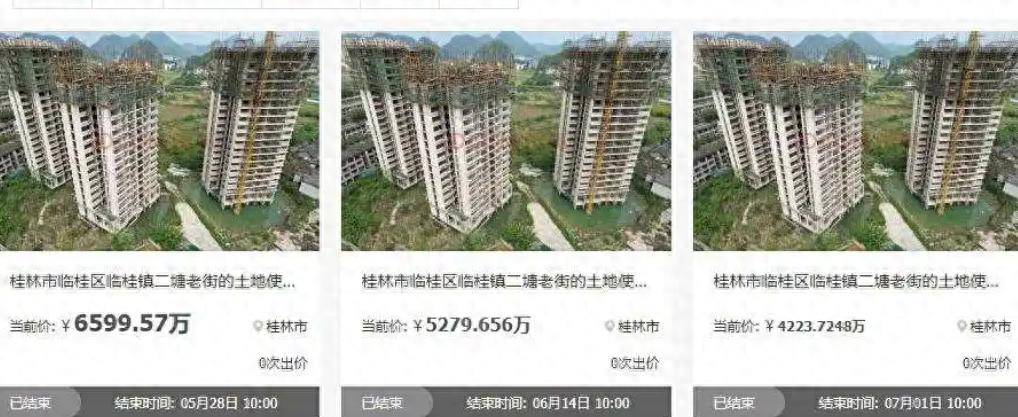
桂林市一个烂尾楼盘从六千多万降价到1万拍卖,被人20.3万就买下
Sou Hu Cai Jing· 2025-07-22 10:17
Core Viewpoint - The article discusses the complexities and risks associated with purchasing abandoned real estate properties, highlighting a specific case in Guilin where a previously unsold property was auctioned for a significantly lower price, but with substantial hidden costs and obligations involved in the acquisition process [1][3][5]. Group 1: Auction Process and Costs - A property in Guilin was auctioned for 20.3 million, down from a previous price of over 60 million, but the buyer must pay a 5 million performance deposit, which is non-refundable if the project fails to meet inspection standards for two consecutive months [3][5][6]. - The property is an abandoned residential complex that requires resolving issues for 13 households, with additional costs totaling approximately 2.13 million, leading to a total upfront cost of 7.13 million before any construction begins [5][6]. - There are strict timelines for starting construction within two months and completing delivery within nine months, with financial liabilities falling on the buyer if these deadlines are not met [6][8]. Group 2: Risks of Purchasing Abandoned Properties - The article emphasizes that purchasing abandoned properties is not straightforward, as seen in a case in Beijing where a factory was auctioned for only 18,000, but the court later canceled the sale due to creditor objections [8][9]. - Factors such as unclear property rights, creditor disputes, and multiple mortgages can complicate the acquisition process, often leading to the cancellation of sales to protect creditor interests [9][10]. - The article illustrates that the government plays a crucial role in facilitating the sale of abandoned properties, as demonstrated by the successful auction of the Fengdan Liyuan property in Guilin, which involved government intervention to attract buyers through financial incentives [12][14][16]. Group 3: Government Initiatives and Market Dynamics - The Guilin government has actively sought to address the issue of abandoned properties by implementing strategies to revitalize these assets, including adjusting commercial-residential ratios and providing financial support for redevelopment [14][16][20]. - The article notes that the problem of abandoned properties is widespread across China, with various provinces, including Hunan, facing similar challenges and implementing measures to ensure the delivery of housing projects [20][22]. - The "guarantee delivery" initiative in Hunan aims to address the backlog of undelivered housing units, highlighting the need for collaborative efforts among stakeholders to resolve the abandoned property crisis [22].