
期房

Search documents
今明两年买房,请牢记7字真言:买多,买现,不买破,很关键
Sou Hu Cai Jing· 2026-01-29 09:10
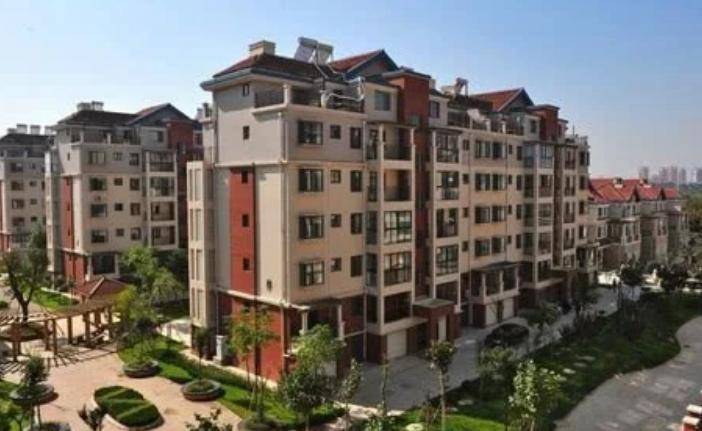
Core Viewpoint - The current real estate market in China presents significant challenges for homebuyers, particularly first-time buyers, due to high property prices that require substantial financial commitment [1] Group 1: Market Conditions - As of October 2022, the average price of new residential properties in 100 cities reached 16,199 yuan per square meter, while the average price for second-hand homes was 15,945 yuan per square meter, indicating that purchasing a typical home requires at least 1.2 million to 2 million yuan [1] Group 2: Recommendations for First-Time Buyers - Experts advise first-time homebuyers to follow the principle of "buy more, buy existing, and avoid old" to make informed decisions in the current market [3] Group 3: Buying Strategies - "Buy more" suggests prioritizing low-rise residential buildings over high-rise ones due to advantages such as smaller shared areas, better ventilation and lighting, and easier resale potential [4] - "Buy existing" emphasizes the importance of purchasing completed properties to avoid risks associated with unfinished projects and to ensure quality and suitability through direct inspection [4] - "Avoid old" recommends steering clear of properties older than 30 years, as they often face challenges in securing bank loans and have higher depreciation risks compared to new properties [6]

若不出意外,2026年房价将出现4大趋势,买房人要注意
Sou Hu Cai Jing· 2026-01-03 15:02
Core Insights - The real estate market in 2026 is expected to exhibit four major trends, indicating a shift from the previous notion that "any property will appreciate" to a more selective approach in property investment [1][8]. Trend Analysis - **Urban Disparity**: There will be an increasing gap in property values between high-demand cities and those with declining populations. Core cities like Beijing, Shanghai, and Chengdu are expected to see stable or slightly rising prices, while third and fourth-tier cities may continue to experience price declines. For instance, new home prices in Shanghai's core areas rose by 5.6% year-on-year in 2025, while properties in less populated areas may take years to sell due to oversupply [1][3]. - **Shift to Improved Housing**: The demand for larger, more comfortable homes is rising, with properties sized between 120-144 square meters becoming increasingly popular. In the first five months of 2025, these larger units accounted for 30% of transactions in 30 major cities. Additionally, buyers are prioritizing properties that can be delivered on time, leading to a rise in the sales of completed homes, which reached 35.6% in 2025, up by 4.8 percentage points [3][5]. - **Increase in Affordable Housing**: By 2026, a dual system of affordable and market-rate housing is expected to be more established, with 60% of families potentially able to access affordable housing options. This will alleviate financial pressure on first-time buyers, as affordable housing can be priced at 20% lower than market-rate homes in the same area [5][7]. - **Supportive Policies**: The government is likely to continue implementing supportive policies to stimulate reasonable housing demand, including potential interest rate cuts and increased availability of housing subsidies. This could lead to lower monthly mortgage payments for buyers, making homeownership more accessible [5][7]. Recommendations for Buyers - Focus on acquiring core assets in major cities rather than spreading investments across multiple lower-tier properties, as evidenced by a 20% increase in second-hand home transactions in major cities in early 2025 [7]. - Pay attention to the benefits of old community renovations, as the government has allocated 33.2 billion yuan for such projects, which could enhance property values in renovated areas [7]. - First-time buyers should act promptly if suitable properties arise, especially those eligible for affordable housing, while those looking to upgrade should compare options during favorable policy conditions [7]. - Abandon speculative investment strategies, as the market is shifting towards a "housing for living" approach rather than for profit [7][8].
“一手交钱一手交房”时代真要来了?取消预售制,或成楼市最大变局!
Sou Hu Cai Jing· 2025-12-05 14:41
Core Viewpoint - The real estate sales model in China is set to undergo a fundamental transformation by gradually phasing out pre-sale of properties and shifting towards selling completed homes, with significant changes expected during the "14th Five-Year Plan" period, particularly around 2026 [1][5]. Group 1: Background and Current Issues - The traditional pre-sale system has allowed developers to sell properties before they are built, leading to significant risks for buyers, including the "unfinished building" problem, where projects are halted, leaving buyers in financial distress [3][5]. - The recent downturn in the real estate market has highlighted the vulnerabilities of the pre-sale model, prompting a shift in policy direction to protect consumer rights and address financial risks within the industry [3][5]. Group 2: Impacts of the Shift to Completed Home Sales - The transition to selling completed homes is expected to significantly reduce transaction risks for buyers, allowing them to inspect properties before purchase, thereby enhancing consumer confidence and satisfaction [5][9]. - This change will raise the entry barriers for real estate companies, as they will need to rely on their own funds or compliant financing to complete projects before selling, potentially leading to the elimination of weaker firms from the market [6][8]. - The focus on completed homes will shift market competition from speculative designs to actual product quality, encouraging developers to improve construction standards and customer service, fostering a more refined and quality-driven industry [8][9]. Group 3: Market Stabilization and Transition - Implementing the completed home sales model will likely extend the timeline for new home supply, which may help alleviate existing inventory pressures in certain cities and stabilize market expectations [9][11]. - A gradual approach to this significant reform is necessary, as it involves adjustments in various aspects of real estate development, financing, and land supply, requiring careful planning and support from financial institutions [9][11]. Group 4: Conclusion - The move towards eliminating pre-sale and promoting completed home sales is not merely a change in sales strategy but aims to fundamentally protect buyer rights, enhance industry standards, and promote long-term stability in the real estate market, marking the beginning of a more transparent and quality-focused era [11].
最近两年买房,请牢记7字真言:买现、买低、不买远,很关键
Sou Hu Cai Jing· 2025-10-20 06:20
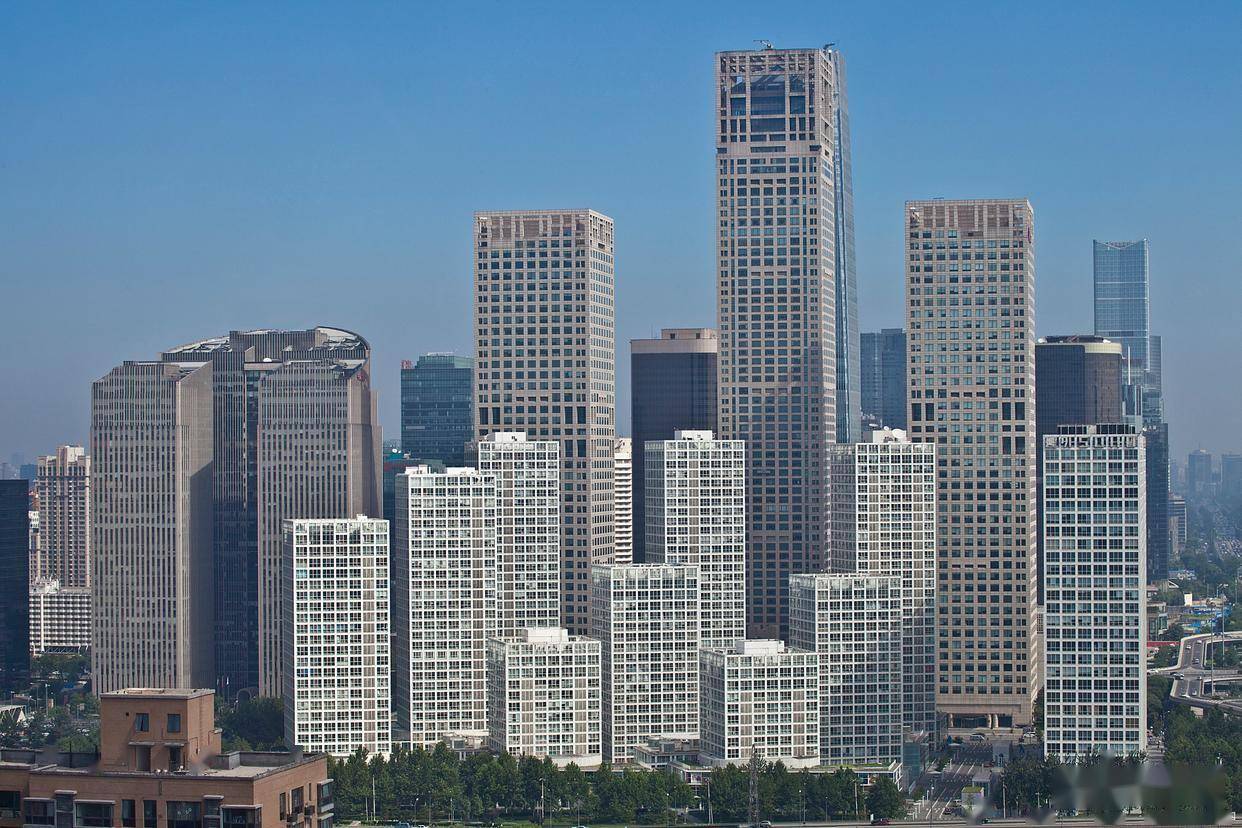
Core Insights - The domestic real estate market is facing significant challenges, with a notable increase in the number of cities experiencing declines in both new and second-hand residential property prices [1][3] Market Trends - In August, data from the National Bureau of Statistics indicated that out of 70 major cities, 50 saw a month-on-month decline in new residential prices, while 56 cities experienced a drop in second-hand home prices, marking an increase of 10 and 5 cities respectively compared to the previous month [1] - Year-on-year, 49 cities reported a decrease in new residential prices, and 61 cities in second-hand prices, indicating a persistent downward trend in the housing market [1] Buyer Behavior - The era of speculative real estate investment is over, with increasing risks for investors. However, first-time homebuyers with genuine needs, such as marriage and education, still view purchasing property as essential [3] - The continuous reduction in mortgage rates has significantly lowered the cost of homeownership for these first-time buyers [3] Expert Recommendations - Industry experts advise first-time buyers to follow the principle of "buy now, buy low, and avoid distant properties" [4][6] - "Buy now" emphasizes purchasing ready-to-move-in homes rather than off-plan properties, allowing buyers to assess quality and avoid potential risks associated with unfinished projects [4] - "Buy low" suggests opting for low-rise buildings over high-rise ones, as they typically have lower shared areas, better safety features, and greater convenience [6] - "Avoid distant properties" highlights the risks associated with purchasing in remote areas, where infrastructure may be lacking and property values could decline more sharply in a downturn [6]
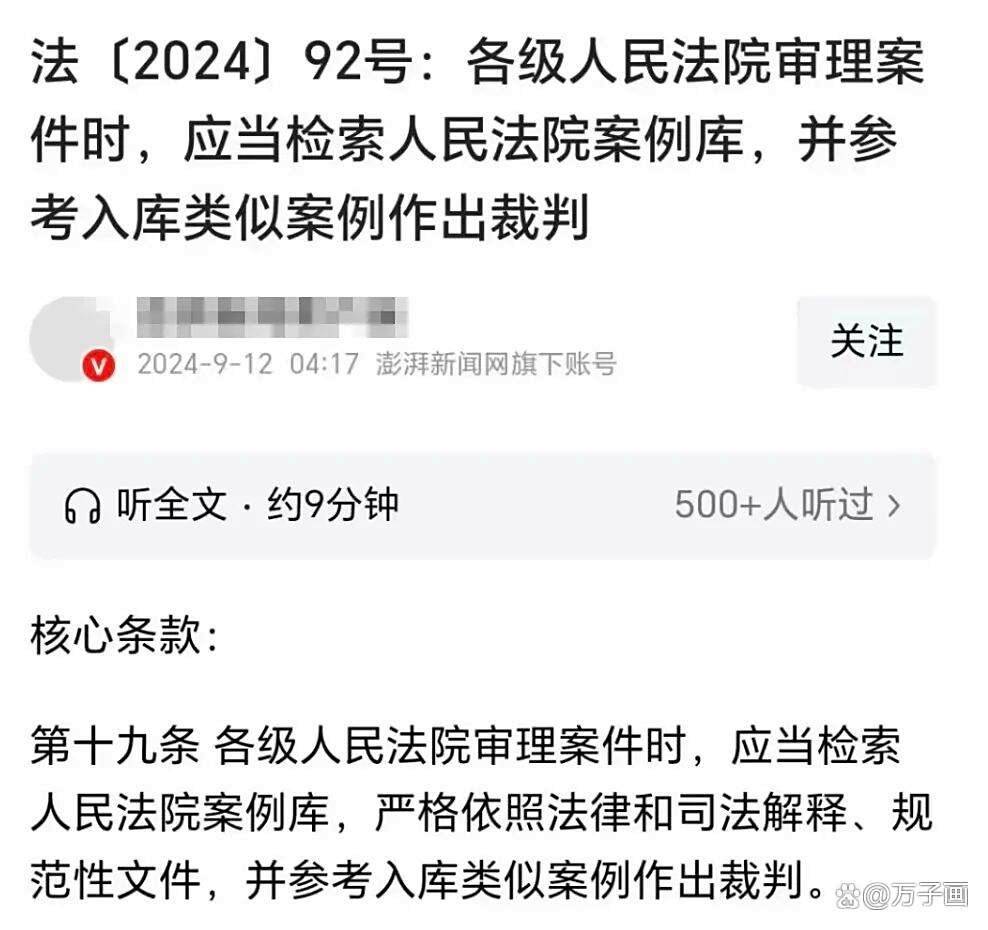
烂尾楼“反杀”来了!最高法定调,银行傻眼了,开发商也崩溃了?
Sou Hu Cai Jing· 2025-09-12 01:56
Group 1 - The Supreme People's Court has ruled that homebuyers facing unfinished properties can legally terminate their purchase contracts and loan agreements, relieving them of repayment obligations for loans on properties that have not been delivered [4][5][6] - A significant case involving a buyer from Yancheng, Jiangsu, illustrates the ruling's implications, where the court ordered the developer to refund the buyer's down payment and loan principal, along with interest, while also relieving the buyer of further loan obligations [6][7] - The ruling marks a pivotal shift in the legal landscape, emphasizing that financial contracts cannot override principles of fairness and justice, thus protecting homebuyers from undue financial burdens in cases of project abandonment [10][12] Group 2 - The prevalence of unfinished properties has reached alarming levels, with approximately 2.31 million unfinished homes reported nationwide, affecting over a million families and raising significant social stability concerns [14] - The shift from a pre-sale system to a focus on selling completed properties is becoming mainstream, as the drawbacks of the pre-sale model have become increasingly apparent, leading to a redefinition of market rules [15] - This new legal precedent signals a transformation in buyer confidence, encouraging a preference for completed properties to mitigate risks associated with unfinished developments [15][16]
迪拜住宅房地产销售额上半年增长36%
Shang Wu Bu Wang Zhan· 2025-08-08 17:30
Core Insights - Dubai's residential real estate sales reached 262 billion dirhams (approximately 71.3 billion USD) in the first half of 2025, marking a 36% year-on-year increase with a transaction volume of 91,900, up 23% from the previous year [1] Sales Performance - Off-plan sales dominate the market, accounting for over 70% of total transactions, while the demand for ready properties is rising, achieving a quarterly record of 14,200 transactions from April to June [1] - Off-plan transactions totaled 64,500, reflecting a nearly 30% year-on-year growth, while ready property transactions increased by 10% [1] Market Dynamics - Approximately 21% of projects scheduled for completion this year have reached over 75% construction progress, indicating potential delivery delays [1] - Despite challenges, the market shows resilience and is expected to remain active, driven by first-time buyer incentive programs, gradually moving towards a more mature and balanced phase [1] Developer Rankings - Emaar, Damac, and Sobha continue to lead in transaction volume, with Beyond entering the top ten for the first time due to its Dubai Maritime City project [1] Future Developments - As of the end of this year, over 61,800 residential units are under construction in Dubai, with an expectation of more than 100,000 additional units to be added in 2026-2027 [1]
全面现房销售,还有多远?
Sou Hu Cai Jing· 2025-07-06 04:00
Core Viewpoint - The article discusses the increasing push for "existing house sales" in China's real estate market, highlighting the challenges and complexities involved in implementing such policies effectively [2][12]. Group 1: Current Policies and Trends - Hubei Jingmen has announced a policy to promote existing house sales starting in 2026, reflecting a growing recognition of the issues surrounding pre-sale housing [2]. - Over 30 provinces and cities in China have introduced policies related to existing house sales, with notable examples including Hainan and Xiong'an New Area [5][6]. - However, the actual implementation of these policies remains limited, with many being labeled as "pilot" programs or only applicable to "certain projects" [6][11]. Group 2: Challenges in Implementation - The term "principle" in policy discussions raises questions about flexibility and exceptions for developers, indicating potential difficulties in enforcing existing house sales [7]. - Developers face significant financial burdens as they must complete construction before selling, which is challenging in a sluggish real estate market [8][10]. - The cash flow issues for developers are exacerbated by the slow return on investment from existing house sales compared to pre-sales, which allow for immediate cash collection [10][11]. Group 3: Future Outlook - The article suggests that a comprehensive shift to existing house sales is unlikely in the short term due to the complex relationships between developers, banks, and local governments [12][13]. - It emphasizes the need for a change in the overall financing model in the real estate sector to support the transition to existing house sales [13]. - The sentiment is that while the push for existing house sales is gaining traction, it may take a long time before it becomes a widespread reality [16].
楼市“现房风”!现房销售占比大幅提升
Zheng Quan Shi Bao· 2025-07-02 14:24
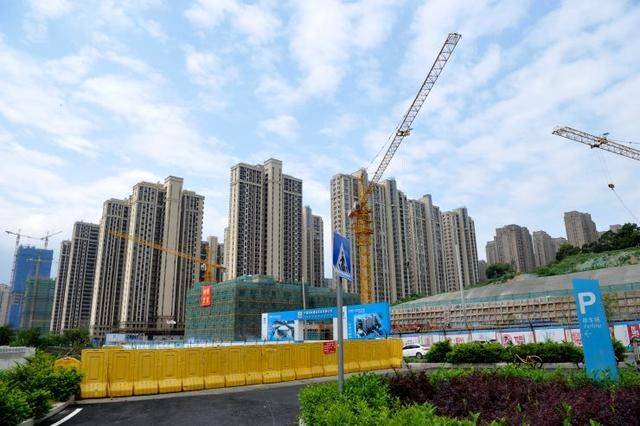
Core Insights - The proportion of completed housing sales is significantly increasing in various cities, particularly in Shenzhen, where the share of completed sales reached 30.9% in the first half of 2025, up 6.3 percentage points from the second half of 2024, and only 14.6% in the first half of 2023 [2][3] Group 1: Current Market Trends - The trend towards completed housing sales is driven by longer sales cycles for new properties, leading some pre-sale projects to transition to completed sales [2][3] - In June 2025, the proportion of completed housing sales in Shenzhen reached 42%, indicating a strong market shift [2] - The increase in completed sales is also attributed to policy support advocating for "guaranteed delivery" and the promotion of completed housing sales [3][4] Group 2: Policy and Regulatory Environment - Various regions are actively exploring and implementing policies to promote completed housing sales, with some cities mandating that newly sold land must be for completed properties [4] - The proportion of completed housing sales in total residential sales has risen from 10.4% in 2021 to 18.7% in 2023, reflecting a growing trend [4] - In the first half of 2024, the area sold as completed housing increased by 23% year-on-year, while pre-sale housing sales decreased by 31% [4] Group 3: Market Dynamics - The shift towards completed housing sales is influenced by a combination of policy direction, market logic, and the developmental stage of the industry [5] - Completed housing sales require developers to bear the full financial burden until project completion, increasing both capital and time costs [5]
楼市“现房风”!现房销售占比大幅提升
证券时报· 2025-07-02 14:07
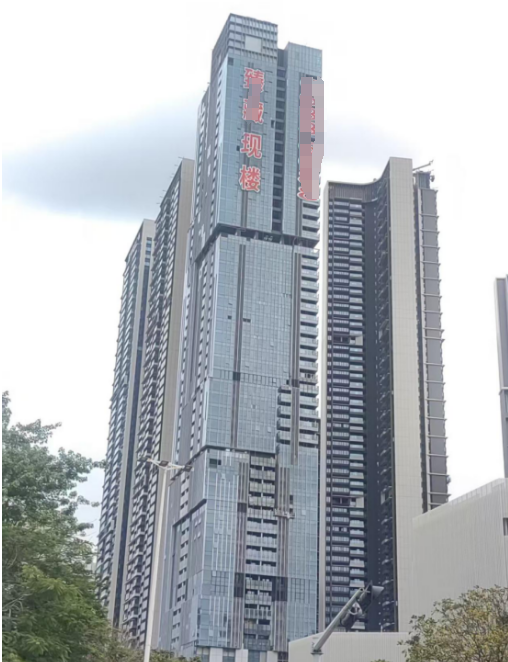
Core Viewpoint - The article highlights the increasing trend of selling completed properties (现房) in various cities, particularly in Shenzhen, where the proportion of completed property sales has significantly risen, indicating a shift in market dynamics and consumer preferences [2][4][8]. Group 1: Current Market Trends - The proportion of completed property sales in Shenzhen has increased dramatically, with 30.9% of new residential sales being completed properties in the first half of 2025, up from 14.6% in the first half of 2023 [4]. - In June 2025, the completed property sales proportion reached 42%, reflecting a growing consumer preference for immediate occupancy [4]. - The rise in completed property sales is partly due to longer sales cycles for new properties, leading some pre-sale projects to transition to completed sales [4][5]. Group 2: Policy and Industry Response - Various cities are actively promoting completed property sales, with supportive policies being developed. For instance, in May 2023, the housing authority in Xinyang, Henan Province, mandated that all newly sold land must be for completed properties [8]. - The share of completed properties in total residential sales has increased from 10.4% in 2021 to 18.7% in 2023, with a notable increase in completed property sales area by 23% year-on-year in the first half of 2024 [8]. - Industry experts suggest that the shift towards completed property sales is influenced by policy direction, market logic, and the current stage of industry development, although it requires developers to bear the full financial burden until project completion [9].

供给缩量、销售修复 上半年房地产市场现回暖趋势
Zheng Quan Ri Bao· 2025-06-29 17:01
Group 1 - The overall real estate market showed signs of recovery in the first half of 2025, with improved sales in core cities and increased land investment enthusiasm [1] - New residential sales in major cities like Beijing, Shanghai, Guangzhou, and Shenzhen experienced year-on-year growth, with Shenzhen seeing over 30% increase [1] - The inventory of new homes in key cities has decreased, leading to a shorter clearing cycle due to reduced supply and improved sales [1] Group 2 - The new housing market maintained strong resilience despite a slight decline in the second quarter, driven by the release of improvement demand [2] - High-priced improvement projects in cities such as Beijing and Shanghai performed well, with 90-120 square meter new homes accounting for around 40% of sales [2] - The proportion of existing home sales increased to 35.6%, with existing homes outperforming new homes, reflecting buyers' preference for immediate occupancy [2] Group 3 - The continuous release of improvement housing demand and the rise in existing home sales indicate a growing emphasis on living quality and delivery certainty among buyers [3] - Mid-to-high-end improvement products have become a significant force supporting market transactions, stabilizing market expectations in core cities [3] Group 4 - The recovery in sales has positively impacted the land market, with residential land transfer fees across 300 cities increasing by 24.5% year-on-year [4] - In the top 20 cities, land transfer fees accounted for 66% of the national total, with first-tier cities seeing a 47% increase in land transfer fees [5] Group 5 - The land market is experiencing structural recovery and gradual stabilization, with more cities witnessing bidding premiums and increased participation from developers [5] - Policies aimed at stabilizing expectations, activating demand, optimizing supply, and mitigating risks are expected to be implemented in the second half of the year [6]