
生态立县

Search documents
琼中:坚定不移实施“生态立县”战略
Hai Nan Ri Bao· 2026-01-22 01:08
Core Viewpoint - Qiongzhong Li and Miao Autonomous County is committed to implementing the "ecological county" strategy to achieve effective qualitative improvement and reasonable quantitative growth in its economy, targeting a GDP growth of over 6% and fixed asset investment growth of around 7% in 2023 [2] Group 1: Economic Goals - The county aims to strengthen its economic drivers by enhancing investment and consumption, with plans to sign at least 5 social investment projects and attract no less than 600 million yuan in investment [2] - Qiongzhong plans to launch key projects, including environmental sanitation improvements in the Hainan Tropical Rainforest National Park demonstration community [2] - The county targets a consumption increase of over 26 million yuan and aims for a 10% growth in both goods and service trade imports and exports [2] Group 2: Industrial Development - Qiongzhong will accelerate the construction of an open, innovative, and ecological modern industrial system, focusing on strengthening tropical characteristic high-efficiency agriculture and upgrading industrial parks [3] - The first industry is expected to grow by over 5%, with park revenue reaching 890 million yuan and over 1.581 million tourists expected to visit throughout the year [3] - The county will invest 253 million yuan in rural revitalization efforts to promote farmer income growth and improve rural living conditions [3] Group 3: Environmental and Social Initiatives - By 2026, Qiongzhong will continue to promote ecological restoration and enhance pollution prevention measures while pushing for a green and low-carbon transition [3] - The county plans to improve urban development levels through urban-rural integration and enhance public service levels, allocating over 80% of its financial resources to social welfare [3] - Employment is prioritized, with a goal of creating over 500 new urban jobs and adding 708 new basic education seats [3]
“洋学生”中国说|摩洛哥留学生阿雅:在余村见证生态与发展同频共振
Huan Qiu Wang· 2025-12-24 10:07
Core Insights - The transformation of Yucun village from an industrial base reliant on mining and cement production to an eco-friendly tourism destination exemplifies the successful implementation of the "Green Mountains and Clear Water are Gold and Silver Mountains" philosophy [2][5] - The village's shift towards ecological preservation has led to increased tourism, with local businesses thriving as a result of improved environmental conditions [2][5] Group 1: Historical Context - Yucun village was once an "industrial village" focused on mining and cement production, leading to significant environmental degradation [2] - The decision to halt mining operations and focus on ecological restoration was met with initial skepticism from villagers concerned about their livelihoods [2] Group 2: Economic Transformation - The introduction of eco-tourism, unique guesthouses, and green agriculture has revitalized the local economy, attracting a growing number of tourists [2] - The opening of high-speed rail has further connected Yucun to major cities like Shanghai and Hangzhou, increasing visitor numbers [2] Group 3: Youth Engagement and Innovation - The improved ecological environment has encouraged young people to return to Yucun to start businesses, blending modern lifestyles with local natural resources [2][5] - New ventures such as creative workshops and camping sites are emerging, contributing to the village's vibrant economy and community [2][5] Group 4: Broader Implications - The success of Yucun serves as a model for other villages in China, demonstrating that ecological improvement can lead to sustainable economic growth [5] - The philosophy of "Green Mountains and Clear Water are Gold and Silver Mountains" has gained traction over the past two decades, influencing rural development strategies across the country [5]


云南漾濞:40年守护“绿水青山” 铸就“金山银山”
Zhong Guo Qing Nian Bao· 2025-10-17 05:20
Core Insights - The transformation of Yangbi County from a poverty-stricken area to a "internet-famous village" is highlighted, showcasing the impact of technology and rural revitalization practices [1] - The county's GDP has significantly increased from 0.27 billion yuan in 1985 to 49.26 billion yuan in 2024, with per capita GDP rising from 316 yuan to 51,122 yuan [1][3] Economic Development - Yangbi County was established in 1985 as a poverty-stricken area with weak infrastructure and a single industrial structure [3] - The county has adopted an "ecological county" approach, focusing on ecological protection while developing its economy [3] - The walnut industry has become a crucial foundation for rural revitalization, with 94.5% of households engaged in walnut cultivation, covering an area of 1.07 million acres [4] Industry Growth - The walnut industry is projected to produce 132,900 tons annually by 2024, generating a comprehensive output value of 3.5 billion yuan [4] - The county has developed a modern industrial system integrating walnuts with cultural tourism, achieving a tourism revenue of 2.061 billion yuan from 1.7633 million visitors [4] - Yangbi has diversified its industrial development beyond traditional resource exploitation, expanding into highland specialty industries such as high-spicy peppers and medicinal herbs [4]
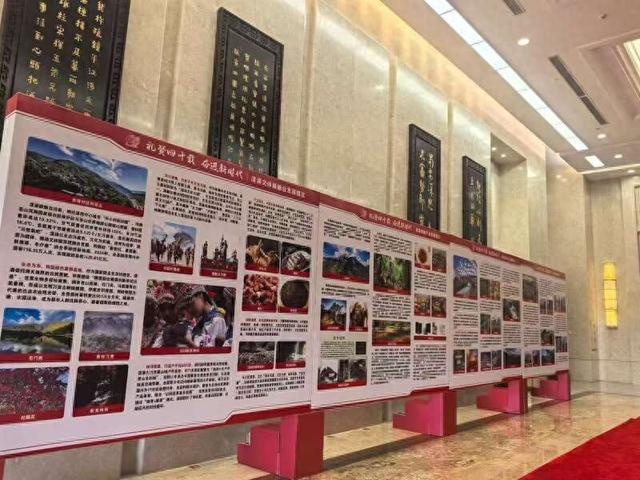
淅川石漠化综合治理案例入选北大县域治理创新优秀案例
Zhong Guo Jing Ji Wang· 2025-10-17 03:03
Core Insights - The article highlights the recognition of Xichuan County's innovative governance model in ecological management, specifically its comprehensive approach to combating stoniness and promoting green development, which has been selected as one of the top 50 innovative governance cases in China [1][2]. Group 1: Governance and Strategy - Xichuan County has implemented the "Ecological County" strategy, focusing on water quality protection and green development, which aligns with the philosophy that "lucid waters and lush mountains are invaluable assets" [2]. - The governance model emphasizes collaboration among government, departments, society, and technology, creating a comprehensive management framework for ecological protection [2]. Group 2: Achievements and Progress - Over the past decade, Xichuan County has completed over 600,000 acres of artificial afforestation, successfully addressing all stoniness issues within the county [2]. - The forest coverage rate around the reservoir has increased from 45.7% at the end of the 12th Five-Year Plan to 61.7%, showcasing significant ecological improvement [2]. Group 3: Future Plans - Xichuan County aims to further advance land greening efforts and integrate comprehensive management of mountains, waters, forests, fields, lakes, grasslands, and deserts to enhance ecological safety [2].
连续七年全国县域旅游冠军 浙江安吉做对了什么?
Zhong Guo Xin Wen Wang· 2025-10-14 09:12
Core Insights - Anji County in Zhejiang has maintained its position as the national tourism champion for seven consecutive years, with 34.02 million visitors and a total tourism revenue of 47.56 billion yuan in 2024, showcasing its leadership in county-level tourism development [1][2]. Group 1: Ecological Foundation - Anji initiated its transformation with the "ecological county" strategy in 2001, becoming the first national ecological county in China, laying a solid foundation for the "green mountains and clear waters are invaluable assets" philosophy [2]. - The local bamboo industry has evolved from a mere agricultural product to a cultural symbol, enhancing the region's tourism appeal [2]. Group 2: Product Innovation - Anji has continuously upgraded its tourism products, introducing attractions like the Central South Baicao Garden in 2008 and the first Hello Kitty theme park in China in 2015, which integrated international IP with rural tourism [2]. - The development of unique experiences, such as the "Xiao Yin·Half-Day Village," has transformed traditional accommodations into community-centric spaces that offer diverse themes and activities [4][5]. Group 3: Scene Revolution - Anji has demonstrated exceptional product restructuring capabilities, exemplified by the transformation of a former garbage site into the "Deep Blue Park," which integrates local cultural elements and serves as a new landmark [6][8]. - The "Waterfall Coffee" brand has successfully utilized existing natural features to create a unique leisure experience, with eight locations established in Anji [8]. Group 4: Youth Engagement - Anji has entered a new phase of mutual engagement between youth and rural areas, with the "Qinglai Community" attracting over 1,200 young talents focused on digital economy, cultural tourism, and agriculture [9][10]. - The community promotes a "gradual integration" approach for young people, facilitating their transition from online engagement to long-term residency and collaboration in local projects [10]. Group 5: Future Outlook - Anji's tourism development has evolved over two decades, characterized by distinctive products, vibrant villages, and standardized services, positioning it as a model for rural tourism initiatives in Zhejiang Province [10].
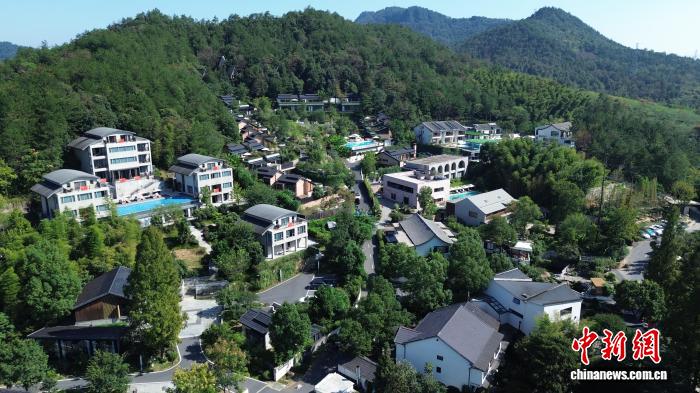
总编有约·“两高四着力”调研行丨山高何为先
He Nan Ri Bao· 2025-07-20 23:21
Core Insights - The article highlights the transformation of Song County from a resource-constrained area to a model for rural revitalization through the development of specialized industries and cooperative societies [2][3][4]. Group 1: Agricultural Development - Song County has shifted its agricultural focus to the cultivation of Danshen (Salvia miltiorrhiza), leveraging its unique geographical advantages, resulting in a planting area of 23,000 acres and an average net profit of 4,000 yuan per acre for local farmers [4][5]. - The county's strategy includes integrating industrial thinking into agriculture, promoting large-scale production, and establishing standardized planting practices to enhance the value chain of agricultural products [6][7]. Group 2: Ecological and Tourism Development - The ecological strategy of Song County emphasizes the protection and restoration of its natural resources, with significant investments in water quality monitoring and infrastructure to support sustainable tourism [8][9]. - The development of the Luhun Lake area has attracted nearly 3 million tourists in the first five months of the year, contributing to a projected income growth of 9.3% for rural residents in the region by 2024 [10][11].
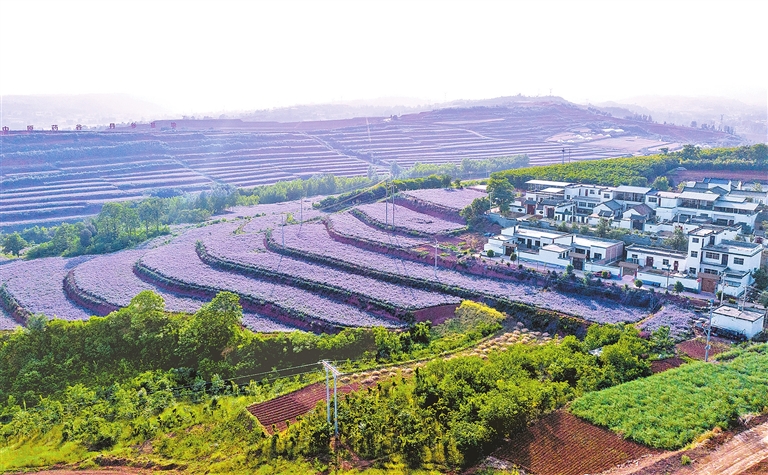
从“石头村”到旅游旺地 四川道孚卡玛村借景兴业
Sou Hu Cai Jing· 2025-07-10 04:26
Core Insights - The transformation of Karma Village from a poverty-stricken area relying on traditional agriculture to a thriving tourist destination is highlighted, showcasing the potential of leveraging natural resources for economic development [1][3]. Group 1: Economic Development - The village's economic turnaround began with the recognition of its geological resources, particularly its proximity to the "most beautiful stone forest" in China, which had previously been underutilized due to poor transportation and conservative views [3]. - The local government's strategy of "ecological county and tourism-driven county" has been pivotal in this transformation, allowing the village to capitalize on tourism opportunities through a model of "party building + resource integration + asset leasing" [3][5]. - The horse-riding service, initiated by local residents, has become a significant source of income, generating a total revenue of 2 million yuan in 2024, with an average income of about 30,000 yuan per household [5]. Group 2: Community Engagement - The establishment of nine agricultural product stalls at the village entrance has also contributed to the local economy, providing an annual income of 36,000 yuan for the village collective, with each household receiving stable dividends exceeding 30,000 yuan [5]. - The improvements in infrastructure, such as paved roads and enhanced communication networks, have facilitated better access for tourists and increased local business opportunities, allowing villagers to receive orders and learn new skills via mobile technology [5]. - Cultural revitalization is evident, with local traditions and stories gaining popularity among tourists, indicating a positive shift in community engagement and cultural preservation alongside economic growth [5].
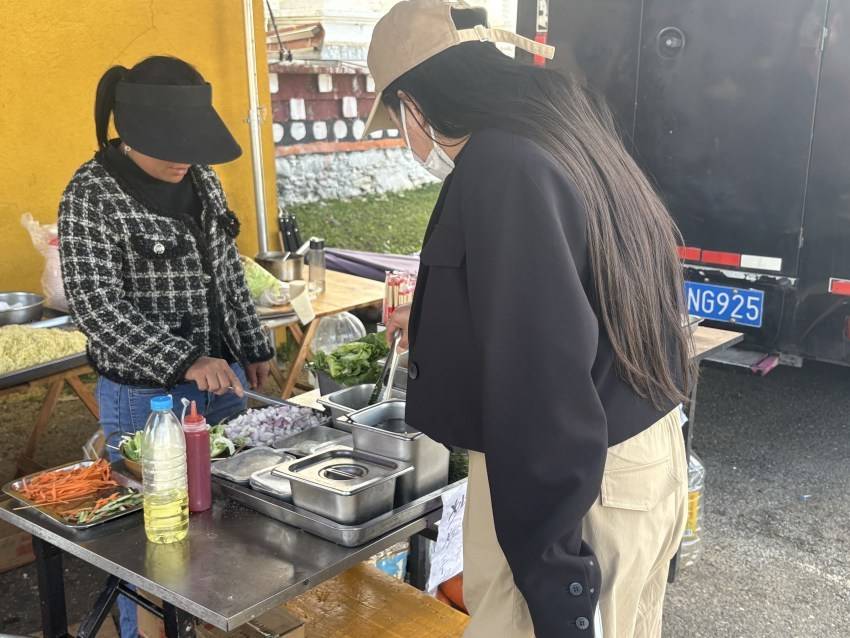
陕西佛坪县委书记王晴:坚持生态立县、林药兴县、旅游强县,助推高质量发展
Zhong Guo Huan Jing Bao· 2025-05-26 03:25
Core Viewpoint - Foping County in Hanzhong City, Shaanxi Province, is focusing on ecological protection, tourism development, and industrial transformation to achieve high-quality economic growth while enhancing environmental sustainability [1] Group 1: Ecological Protection Initiatives - Foping County is implementing integrated protection and systematic governance of mountains, waters, forests, fields, lakes, grasslands, and deserts, aiming to create a model for beautiful China [2] - The county has established a comprehensive management mechanism for ecological protection, addressing 32 issues identified by ecological environment inspections [2] - The forest coverage rate in the county has increased to 91.2%, with all historical mining sites undergoing ecological restoration [2][3] Group 2: Water and Air Quality Management - Foping County is advancing a three-year action plan for water management, achieving stable water quality at Class II or above [2] - The county aims for an air quality improvement rate of 98.6% by 2024 through pollution prevention measures and monitoring [2] Group 3: Biodiversity Conservation - A collaborative mechanism for biodiversity protection has been established, focusing on the conservation of species such as the giant panda, with successful breeding and rescue programs [3] Group 4: Economic Transformation and Development - Foping County is leveraging its natural resources to develop new productive forces and explore five pathways for realizing the value of ecological products [4] - The tourism sector is being enhanced through new business models, with an annual growth rate of over 22% in comprehensive tourism revenue [4] - The county is developing green energy projects, including pumped storage and photovoltaic power generation, to create a new energy system [4][5] Group 5: Aquaculture and Digital Economy - Foping County is expanding its cold-water fish farming industry, becoming the largest cold-water fish export county in Northwest China [5] - The county is enhancing its digital infrastructure and e-commerce capabilities, with a projected 16.57% increase in e-commerce transaction volume in 2024 [6]
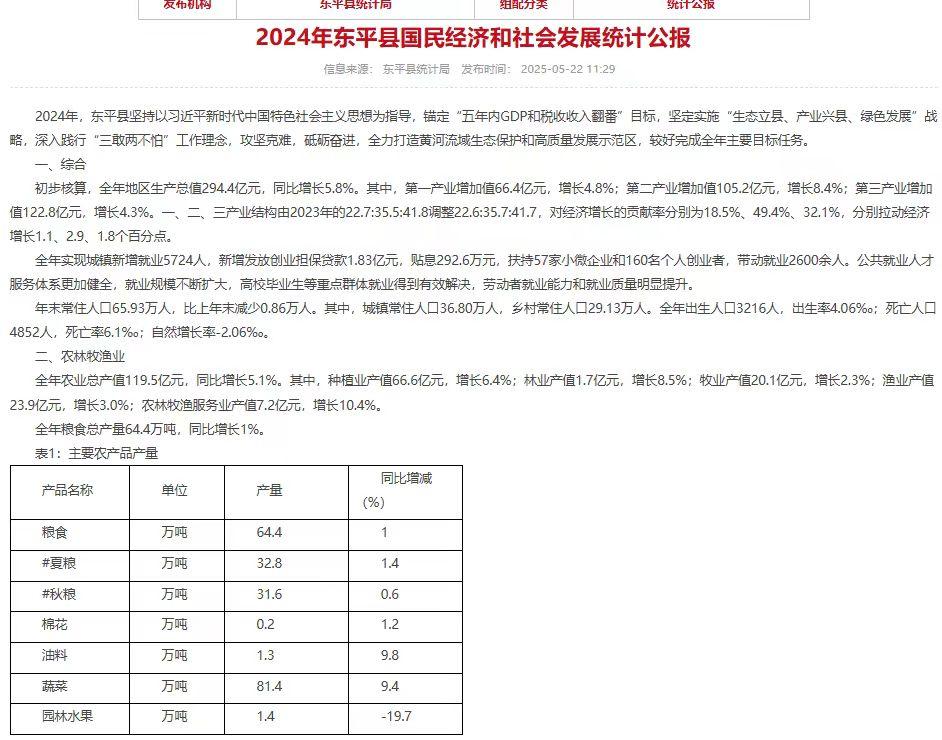
东平县锚定“五年内GDP和税收收入翻番”目标,2024年同比增长5.8%
Qi Lu Wan Bao Wang· 2025-05-22 08:03
Economic Overview - The county aims to double its GDP and tax revenue within five years, focusing on ecological protection and high-quality development [1] - The preliminary estimate for the total GDP reached 29.44 billion yuan, with a year-on-year growth of 5.8% [1] Agricultural Sector - The total agricultural output value reached 11.95 billion yuan, with a year-on-year increase of 5.1% [2] - Total grain production was 644,000 tons, with summer grain at 328,000 tons and autumn grain at 316,000 tons, showing slight growth [2] - Agricultural mechanization has improved, with total power reaching 971,200 kilowatts and rural tap water coverage at 100% [2] Industrial Sector - The industrial economy showed steady progress, with the added value of industrial enterprises above designated size growing by 8.2% [2] - Notable growth in the pharmaceutical manufacturing and textile industries, with increases of 31.9% and 18.6% respectively [2] - Fixed asset investment grew by 7.3%, with first industry investment surging by 50.7% [2] Consumer Market - The total retail sales of social consumer goods reached 15.86 billion yuan, with a year-on-year growth of 7.2% [3] - The wholesale, retail, accommodation, and catering sectors all experienced growth [3] Foreign Trade and Investment - Total import and export value reached 1.206 billion yuan, with a significant year-on-year increase of 30.0% [3] - Actual foreign investment utilization was 3.698 million USD, growing by 81.1% [3] Tourism and Transportation - The county has a total road mileage of 3,037.7 kilometers, with a density of 226.2 kilometers per 100 square kilometers [3] - Tourist reception reached 13.524 million visitors, a year-on-year increase of 19.2%, with tourism revenue growing by 25.4% to 7.84 billion yuan [3] Social Development - Urban employment increased by 5,724 people, with entrepreneurial loans amounting to 183 million yuan [3] - The per capita disposable income for residents was 31,404 yuan, reflecting a growth of 5.6% [3] - Significant improvements in ecological protection, with water quality meeting Class III standards [3]
北川羌族自治县县长周福兰:生态立县绘就高质量发展新画卷
Zhong Guo Huan Jing Bao· 2025-05-15 03:12
Core Viewpoint - Beichuan Qiang Autonomous County prioritizes ecological preservation as a foundation for development, striving for a harmonious balance between economic growth and environmental protection [1] Group 1: Ecological Protection Efforts - Beichuan has established a comprehensive ecological governance system involving government, enterprises, and society, promoting green and low-carbon development [2] - The county has invested a total of 367 million yuan in ecological protection over the past three years, emphasizing the consensus that development must not come at the expense of the environment [2] - Strict measures are in place for air pollution control, with 136 monitoring points under continuous surveillance and the implementation of a river and lake chief system for rural wastewater management [2] Group 2: Technological and Systematic Governance - The county is transitioning from traditional to scientific regulation, utilizing drones and portable detection devices to enhance monitoring efficiency [3] - A digital platform has been established for air pollution source management, enabling precise monitoring and control of pollution sources [3] - Collaborative efforts with neighboring regions have been initiated to implement a joint pollution control system for major river basins [3] Group 3: Green Economic Development - Beichuan is committed to ecological protection while promoting economic growth, with 976.52 square kilometers designated as ecological protection red lines, covering 31.66% of the county's total area [5] - The county is investing nearly 1 billion yuan in national reserve forest projects, maintaining over 4 million acres of forest land and achieving an annual carbon sequestration of over 1.5 million tons [5] - The development of high-quality agriculture and tourism is being emphasized, with significant income generated from eco-friendly products and tourism activities [5]