白酒年轻化战略

Search documents
一杯浓香 开启生活美学进化论
Xin Hua Cai Jing· 2026-01-06 07:51
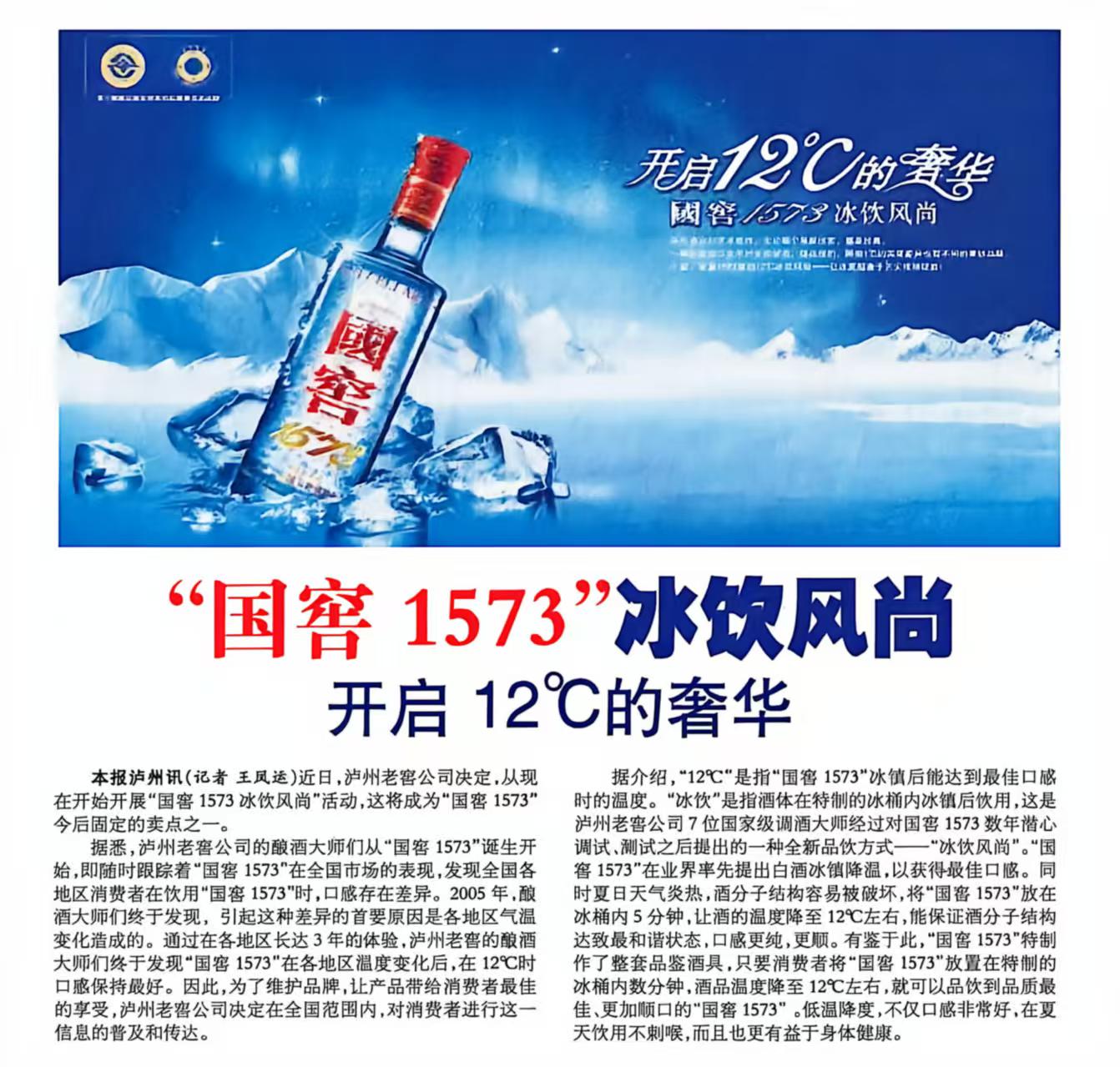
Core Viewpoint - The article highlights the innovative approach of Luzhou Laojiao in promoting its product, Guojiao 1573, through the introduction of the "ice drinking" trend, which caters to modern consumer preferences and enhances the brand's appeal among younger demographics [2][5][6]. Group 1: Historical Context and Innovation - The series "Time Knows Taste Season 4" focuses on significant events in the history of Luzhou Laojiao, utilizing authentic historical materials from the National Library of China and the Luzhou Laojiao Museum [1]. - The introduction of the "ice drinking" concept in 2009 was a result of years of research by seven national-level bartenders, showcasing Luzhou Laojiao's forward-thinking vision and technical breakthroughs [2][5]. - The company has a long-standing technical foundation, having overcome challenges in low-alcohol liquor technology since the 1980s, which supports the feasibility of the "ice drinking" method [6]. Group 2: Consumer Engagement and Market Strategy - Luzhou Laojiao's "ice drinking" initiative aligns with the evolving expectations of younger consumers, who seek a more relaxed and engaging drinking experience, thus broadening the emotional connection with the product [7]. - The brand's innovative marketing strategy includes the "Ice·JOYS" series launched in 2018, which integrates music and art to elevate the drinking experience into a cultural lifestyle [7][8]. - The introduction of new product lines, such as the "black cap" light bottle and various fruit-flavored liquors, reflects the company's commitment to meeting the diverse preferences of modern consumers [8]. Group 3: Cultural and Experiential Marketing - Luzhou Laojiao has initiated cultural events like the "International Poetry and Wine Culture Conference" to position its products as vehicles for artistic and cross-cultural dialogue [9]. - The brand's participation in events like the 2025 Anaya Drama Festival showcases its strategy of embedding its products within contemporary cultural experiences, enhancing brand visibility and consumer engagement [9]. - The company's focus on emotional connections through product innovation and cultural experiences allows it to resonate with consumers, transforming traditional drinking into a modern lifestyle expression [9].


口感低度化 龙头酒企加速“年轻化”战略转型
Zhong Guo Jing Ji Wang· 2025-12-09 05:00
Core Insights - The Chinese liquor industry is undergoing a profound transformation driven by generational shifts in consumption, with a focus on engaging younger consumers through "youth-oriented" strategies [1][2][3] Group 1: Industry Trends - The rise of the younger consumer demographic, particularly those born between 1985 and 1994, is reshaping the consumption structure of the liquor market, prompting companies to explore niche markets [2][3] - The China Alcoholic Drinks Association predicts that the low-alcohol market will exceed 740 billion yuan by 2025, with a compound annual growth rate of 25% [3][4] Group 2: Product Innovation - Many liquor companies are adopting "low-alcohol" products as a key strategy to attract younger consumers, with 62% of consumers under 35 perceiving traditional liquor as "spicy and stimulating" [4][5] - Major brands like Wuliangye and Moutai are launching low-alcohol products, such as Wuliangye's 29-degree liquor, which achieved over 100 million yuan in sales within two months of launch [4][5][6] Group 3: Marketing Strategies - Digital marketing is becoming a crucial avenue for liquor brands to connect with younger consumers, with social media being the primary channel for 49.57% of consumers to learn about liquor [7][8] - Innovative marketing campaigns, such as short dramas and interactive social media challenges, are being employed to engage younger audiences and redefine drinking culture [8][9] Group 4: Cultural Engagement - Companies are recognizing the importance of emotional connections and cultural resonance with younger consumers, moving beyond just product innovation to include storytelling and brand heritage in their marketing [7][10] - The shift towards a more interactive and consumer-driven marketing approach is evident, as brands encourage user-generated content and new drinking methods [8][9]



白酒巨头掀起“降度大战”
Nan Fang Du Shi Bao· 2025-08-21 23:12
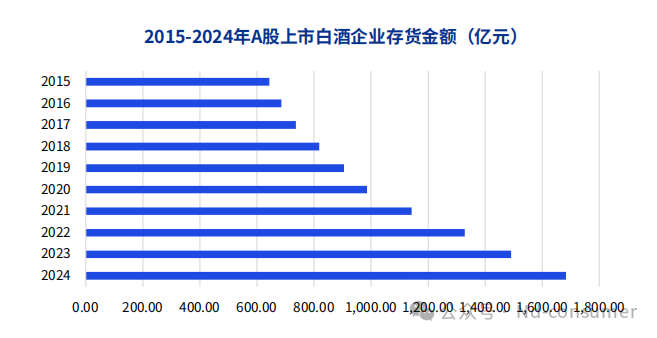
Core Viewpoint - The low-alcohol liquor segment is gaining traction among major Chinese liquor companies as they seek to tap into new market opportunities amid declining sales and high inventory levels [2][3]. Group 1: Industry Trends - Since June 2023, several liquor companies, including Shede Liquor, Gujing Gongjiu, and Wuliangye, have launched low-alcohol products, indicating a competitive shift towards lower alcohol content [2]. - The introduction of low-alcohol products is seen as a response to the overall adjustment period in the liquor industry, where companies face declining sales and increased competition [3][5]. Group 2: Company Performance - Shede Liquor reported a significant decline in revenue and net profit for 2024, with revenue down 24.41% to 5.357 billion yuan and net profit down 80.46% to 346 million yuan [3]. - The inventory levels of 20 A-share liquor companies reached 168.389 billion yuan, an increase of 19.29 billion yuan year-on-year, indicating ongoing inventory pressure [4]. Group 3: Consumer Demographics - The liquor industry is focusing on attracting younger consumers, particularly those born between 1985 and 1994, as their consumption preferences shift towards lower alcohol content and more personalized products [5]. - Young consumers are increasingly favoring light social drinking scenarios and products that are visually appealing and easy to consume [5]. Group 4: Market Expectations - The low-alcohol product "38-degree Guojiao 1573" is expected to generate significant sales, potentially reaching 10 billion yuan in tax-inclusive sales, reflecting a positive growth trend [6]. - There are concerns among investors that the success of low-alcohol products may impact overall revenue due to their lower price points compared to traditional high-alcohol products [6].



白酒巨头掀“降度大战”,年轻人会买账吗?
Hu Xiu· 2025-08-21 08:56
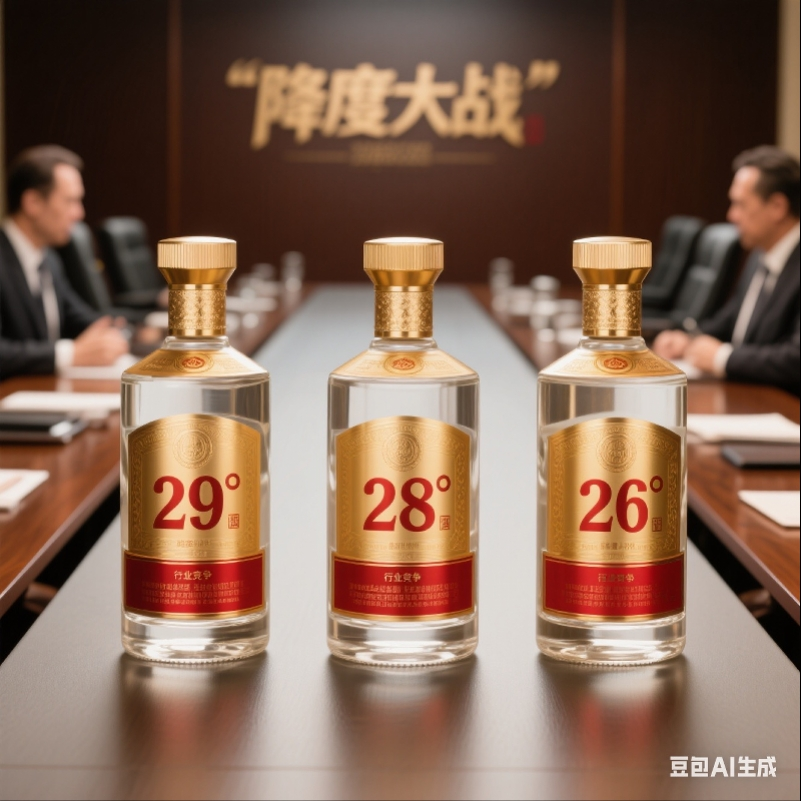
Core Viewpoint - The Chinese liquor industry is experiencing a trend towards low-alcohol products as companies seek to capture the younger consumer market and address declining sales in traditional high-alcohol offerings [8][9][11]. Group 1: Industry Trends - Major liquor companies, including Gujing Gongjiu, Shede Liquor, Wuliangye, and Luzhou Laojiao, are launching low-alcohol products to tap into the growing demand for lighter drinking options [8][9][10][11]. - The low-alcohol segment is seen as a potential growth area amid high inventory levels and declining sales in traditional high-end liquor [9][12][14]. - The shift towards low-alcohol products is part of a broader strategy to engage younger consumers, who prefer personalized and lower-alcohol options for social drinking [15][18][20]. Group 2: Company-Specific Developments - Gujing Gongjiu launched a new low-alcohol product, "Gujing Gongjiu·Nianfen Yuanjiang Qingdu Gu20," with an alcohol content of 26 degrees, targeting urban youth aged 25-35 [1][27]. - Shede Liquor is set to introduce its first low-alcohol, high-flavor aged liquor, "Shede Zizai," with an alcohol content of 29 degrees [2]. - Luzhou Laojiao has successfully developed a 28-degree version of its flagship product, Guojiao 1573, and is testing even lower alcohol variants [5][21]. Group 3: Market Challenges - The liquor industry is facing significant challenges, including high inventory levels and a lack of consumer demand, particularly for mid-range and high-end products [9][11][12]. - Companies are struggling to maintain pricing power as high-end liquors frequently experience price cuts, leading to concerns about brand value erosion [11][23]. - The acceptance of low-alcohol products at premium prices remains uncertain, as evidenced by Gujing Gongjiu's pricing strategy, which positions its new product at a high price point compared to traditional low-alcohol options [26][35].
白酒巨头打起低度酒大战,年轻人是那么容易讨好的?
Tai Mei Ti A P P· 2025-08-20 09:41
Group 1 - The low-alcohol beverage segment in the Chinese liquor market is gaining momentum, with major companies like Gujing Gongjiu and Shede Liquor launching new products [6][7][8] - Companies are responding to declining sales and high inventory levels by introducing low-alcohol products to attract younger consumers and expand market demand [7][11][12] - The overall inventory of 20 listed liquor companies reached 168.39 billion yuan, indicating a significant increase in stock levels and underscoring the need for new consumer demand [8][11] Group 2 - Gujing Gongjiu launched its first low-alcohol product, "Gujing Gongjiu·Nianfen Yuanjiang Light 20," with an alcohol content of 26 degrees, targeting urban young professionals [6][24] - The pricing strategy for Gujing Gongjiu's new product has raised questions about its acceptance among the target demographic, as it is priced at 375 yuan for 375ml, which translates to approximately 500 yuan for 500ml [22][24] - The competition in the low-alcohol segment is intensifying, with other major brands like Wuliangye and Luzhou Laojiao also preparing to launch similar products, potentially impacting consumer attention and market dynamics [18][27]