石油储备释放

Search documents
日本政府今日起开始释放国家石油储备
中国能源报· 2026-03-26 04:07
Group 1 - The Japanese government has begun releasing its national oil reserves starting from 11 AM local time on the 26th at the "Kikuma National Oil Reserve Base" in Imabari City, Ehime Prefecture [1][3] - The release of oil reserves will occur at nine bases across Japan throughout March, with two additional bases added in April, totaling 11 bases [3] - The total amount of oil expected to be released is approximately 8.5 million kiloliters, which is equivalent to about one month of Japan's domestic oil consumption [3] Group 2 - The oil reserves will be sold to the four major oil wholesale companies at a price of approximately 540 billion yen, which they will process into gasoline and other refined products for market distribution [3] - This release will be the largest scale in history, including both national and private reserves [3] - Additionally, the Japanese government plans to collaborate with oil-producing countries to release "joint reserves" stored domestically, which will amount to approximately five days' worth of consumption [3]


日本:26日释放国家石油储备
中国能源报· 2026-03-24 02:51
Core Viewpoint - Japan will begin releasing its national oil reserves starting March 26, as announced by Prime Minister Kishi Nobuo during a cabinet meeting regarding the situation in the Middle East [3]. Group 1: National Oil Reserve Release - The release of national oil reserves is part of Japan's response to the current geopolitical situation affecting oil supply [3]. - Japan's total oil reserves, including both national and private reserves, can sustain consumption for 254 days [4]. - The government decided to first utilize private reserves, which were released starting March 16, amounting to approximately 15 days' worth of oil supply [4]. Group 2: Strategic Oil Storage - Japan is also expected to release oil from the "joint reserves" stored by oil-producing countries within Japan during March [3]. - The logistics of moving national reserves from storage bases to refineries is time-consuming, prompting the initial use of private reserves [4].
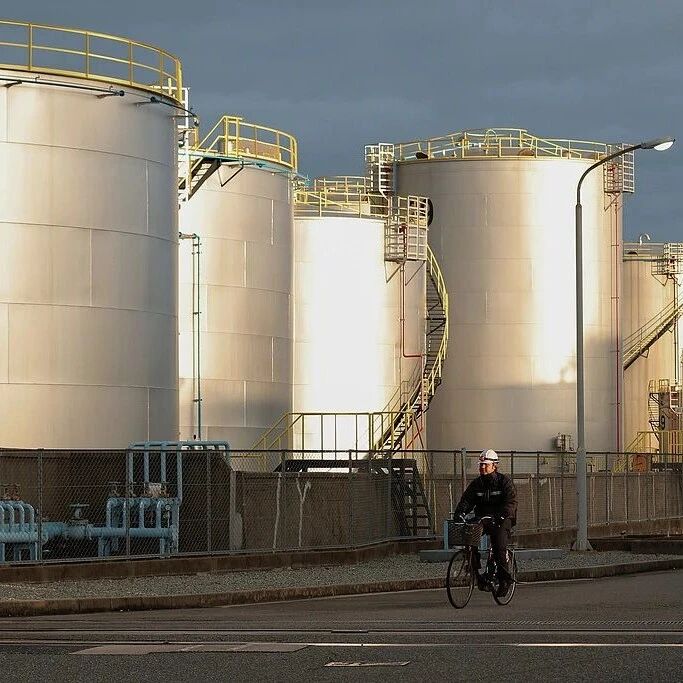
突然!美国宣布,有条件放松对伊朗石油制裁!
券商中国· 2026-03-21 01:45
Core Viewpoint - The article discusses the recent conditional easing of sanctions on Iranian oil by the U.S. Treasury, allowing for the sale of oil already in transit, amidst rising global oil prices and ongoing military tensions in the region [1][2]. Group 1: U.S. Sanctions and Oil Market Impact - The U.S. Treasury announced a 30-day conditional license to ease sanctions on Iranian oil, permitting the delivery and sale of oil that was already loaded onto ships as of March 20 [2]. - This temporary authorization is expected to release approximately 140 million barrels of oil into the global market, with about 45 million barrels being released from the U.S. Strategic Petroleum Reserve (SPR) [2][3]. - Following the announcement, crude oil prices surged, with WTI rising to $98.32 per barrel and Brent reaching $112.19, the highest since mid-2022 [1][3]. Group 2: Geopolitical Tensions and Oil Supply - The ongoing conflict involving Iran has severely disrupted oil transport through the Strait of Hormuz, which is crucial for about 20% of the world's oil supply [3]. - The International Energy Agency (IEA) is coordinating a plan involving the release of up to 400 million barrels of oil from 30 countries to alleviate energy costs amid rising prices [4]. - Since military actions against Iran began on February 28, international oil prices have increased by approximately 50%, with Saudi light crude selling for around $125 per barrel [4]. Group 3: Iranian Military Actions - Iran's Islamic Revolutionary Guard Corps launched coordinated attacks on five U.S. military bases using missiles and drones, indicating a significant escalation in military tensions [6]. - The Iranian military has stated its commitment to a proactive strategy against perceived threats to its sovereignty, with recent attacks on U.S. facilities in Iraq [7]. - The situation remains volatile, with potential for further escalation if conflicts persist, which could drive oil prices even higher, possibly exceeding $180 per barrel [5].
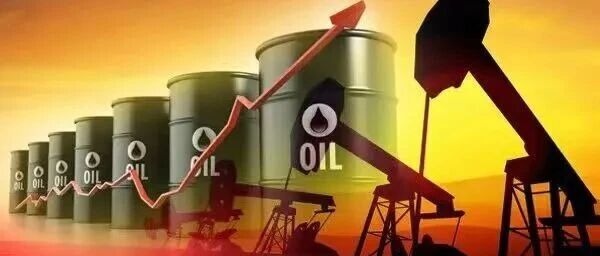
日本启动释放创纪录石油储备
中国能源报· 2026-03-16 10:52
Core Viewpoint - The Japanese government has initiated the release of oil reserves, totaling approximately 80 million barrels, which is equivalent to about 45 days of domestic oil consumption, marking a historical high in scale [1]. Group 1: Oil Reserve Release - The release will be conducted in a manner where private sector inventories are prioritized, followed by national reserves [1]. - The Japanese government has announced a reduction in the mandatory oil reserve obligation for companies from 70 days of consumption to 55 days, allowing companies to use the equivalent of 15 days of consumption for market supply [1]. Group 2: Current Oil Reserve Status - As of the end of 2025, Japan's total oil reserves will be equivalent to 254 days of consumption, with national reserves accounting for 146 days and private reserves for 101 days [1]. - Additionally, reserves held by oil-producing countries will account for 7 days of consumption [1].

原油成品油早报-20260316
Yong An Qi Huo· 2026-03-16 05:15
1. Report Industry Investment Rating - Not provided in the given content 2. Core View of the Report - This week, the impact of the US - Iran situation on the global crude oil market supply has escalated. VLCCs cannot pass through the Strait of Hormuz, about 10 million barrels per day of Middle - East production has been shut down. The US launched an air - strike on Kharg Island over the weekend, but Iran's crude oil export facilities were not damaged. The US called on its allies to jointly safeguard the Strait of Hormuz. The IEA announced the largest - ever emergency oil reserve release, with 32 member countries planning to release about 400 million barrels of oil, but it cannot fundamentally solve the problem of upstream production interruption. The core issue still depends on the duration of the strait blockade. Currently, the forward curve of crude oil prices reflects an expected disruption of about 30 days, but the actual disruption time is expected to be longer. Next week, the international crude oil market still faces upward price risks [7] 3. Summary by Relevant Catalogs Daily News - France is planning a joint naval mission with partners to ensure the safe passage of tankers through the Strait of Hormuz, and the French foreign minister will discuss this with EU foreign ministers on Monday [3] - Israel's military operation against Iran will last at least three more weeks, with thousands of targets remaining to be hit. Israel aims to "severely weaken the Iranian regime" [4] - Iran's foreign minister says the end of the war depends on two conditions: ensuring the war does not resume and receiving compensation. Iran welcomes regional initiatives to end the war fairly and the Strait of Hormuz is open to all except US and its allies' ships [4] - Iran's diplomatic communication with Qatar, Saudi Arabia, Oman and surrounding countries continues [4] - Israeli senior officials say the possibility of overthrowing the Iranian regime is lower than initially estimated [4] - After the US air - strike on Kharg Island, the storage tanks were intact and two Iranian tankers started loading 2.7 million barrels of crude oil [5] - Only 77 ships have passed through the Strait of Hormuz from March 1st to the present [5] Weekly Inventory - In the week ending March 6th, US crude oil exports decreased by 563,000 barrels per day to 3.434 million barrels per day [6] - In the week ending March 6th, US domestic crude oil production decreased by 18,000 barrels to 13.678 million barrels per day [6] - Commercial crude inventories excluding strategic reserves increased by 3.824 million barrels to 443 million barrels, a 0.87% increase [6] - The four - week average supply of US crude oil products was 21.043 million barrels per day, a 1.85% increase year - on - year [6] - The US Strategic Petroleum Reserve (SPR) inventory increased by 100,000 barrels to 415.4 million barrels, a 0.0% increase [6] - In the week ending March 6th, US commercial crude imports excluding strategic reserves were 6.422 million barrels per day, an increase of 98,000 barrels per day from the previous week [6]
刚刚!霍尔木兹海峡突传大消息!
天天基金网· 2026-03-16 01:17
Group 1 - Iran's Foreign Minister Abbas Araghchi stated that multiple countries have requested safe passage for their vessels through the Strait of Hormuz, a critical energy route where approximately 20% of global oil transportation occurs [4] - Araghchi mentioned that the Iranian military ultimately decides on the passage of vessels, and some ships from different countries have already been allowed safe passage [4] - An Indian official confirmed that two oil tankers heading to India successfully passed through the Strait on the same day [4] Group 2 - U.S. Energy Secretary Chris Wright expressed optimism that the current conflict could end in the coming weeks, potentially leading to a rebound in supply and a decrease in prices [5][6] - Wright indicated that the U.S. government was aware of the potential economic impacts before the conflict began, acknowledging short-term disruptions and price increases domestically [6] - He mentioned that other countries are expected to assist the U.S. in ensuring the safety of the Strait of Hormuz, with military forces working together to reopen the passage [6] Group 3 - The International Energy Agency (IEA) announced that part of the emergency oil reserves would be released immediately in Asia to address supply disruptions caused by the Middle East conflict [7][8] - The IEA highlighted that the release of oil to Europe and the Americas would not commence until the end of March, while the Asian market is prioritized due to its high dependency on Middle Eastern oil [9] - IEA Executive Director Fatih Birol emphasized the importance of reopening the Strait of Hormuz to restore stable energy flows, despite the immediate supply boost [9]

伊朗支配霍尔木兹海峡,油价上涨压力大
日经中文网· 2026-03-13 08:00
Core Viewpoint - The article discusses the escalating tensions in the Strait of Hormuz, highlighting the potential impact on oil markets due to Iranian threats and military actions against oil tankers [2][4][10]. Group 1: Current Situation in the Strait of Hormuz - Iranian forces have reportedly attacked oil tankers, leading to increased uncertainty regarding the safety of maritime shipping in the region [2][10]. - The U.S. military has declined to provide escort for civilian vessels through the Strait, citing the threat posed by Iran [5][4]. - President Trump has stated that the U.S. is closely monitoring the situation, but there is a lack of immediate military support for oil transport [6][5]. Group 2: Oil Market Reactions - The International Energy Agency (IEA) has decided to release a historic 400 million barrels of oil reserves to stabilize the market, yet oil prices continue to rise [10][11]. - As of March 11, oil prices reached over $87 per barrel, with further increases expected due to ongoing tensions [10]. - Analysts suggest that the market is reacting to fears of reduced oil supply, with Gulf countries' production potentially decreasing by 10 million barrels per day due to military conflicts [11]. Group 3: Future Implications - Iran's leadership has indicated a willingness to continue its aggressive stance, potentially leading to further disruptions in oil supply and price increases [10][11]. - The G7 nations are discussing the establishment of a maritime escort system, but implementation may take weeks [9][8]. - The situation remains fluid, with expectations that if transport disruptions continue, global oil supply could further decline [11].
巨量抛储也挡不住油价狂飙?研究公司:美国可能已经没牌了
凤凰网财经· 2026-03-12 12:36
Core Viewpoint - The International Energy Agency (IEA) announced an emergency release of 400 million barrels of oil reserves to stabilize rising oil prices due to the Iran conflict, but Wolfe Research believes this action will only mitigate the market shock and emphasizes the urgent need to reopen the Strait of Hormuz [1][2]. Group 1: Market Reaction - Following the announcement of the IEA's oil reserve release, international oil prices initially fell but then reversed course, with Brent crude futures rising 5.2% to $92.25 per barrel and WTI crude futures increasing 5.3% to $87.93 per barrel [2]. - Wolfe Research analyst Tobin Marcus noted that the market had already priced in the news prior to the announcement, as oil prices had approached $120 per barrel before dropping significantly due to reports of a planned strategic oil reserve release by the G7 [2][4]. Group 2: Impact of Oil Reserve Release - Wolfe Research indicated that the speed and timing of the IEA's oil reserve release are crucial for assessing its impact on the oil market [2]. - The release of 400 million barrels is equivalent to approximately 20 days of oil transport through the Strait of Hormuz, which typically sees nearly 20 million barrels transported daily [3][4]. Group 3: Limitations of U.S. Measures - Despite the significant scale of the strategic oil reserve release, Wolfe Research argues that it cannot fully mitigate the long-term effects of a potential closure of the Strait of Hormuz [5]. - Marcus expressed skepticism about the effectiveness of other potential U.S. measures to address rising oil prices, suggesting that they may be either impractical or insignificant [5].
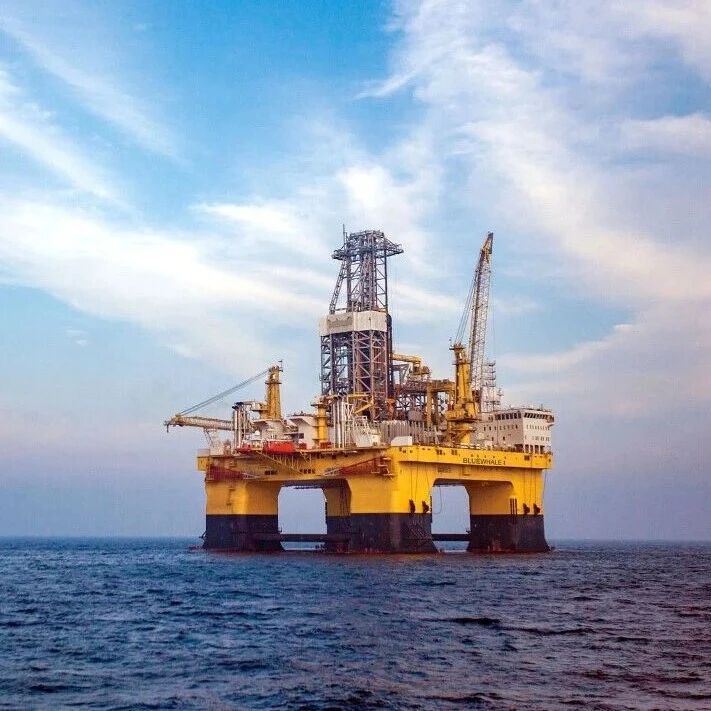
IEA head says oil reserve release had 'strong impact' on markets
Reuters· 2026-03-12 09:26
Group 1 - The IEA has released 400 million barrels of oil from global strategic reserves to stabilize energy markets amid critical disruptions caused by the Iran war and the closure of the Strait of Hormuz [1][1][1] - This intervention is described as the largest in history and aims to mitigate one of the worst oil shocks since the 1970s [1][1][1] - The IEA's Executive Director, Fatih Birol, emphasized the strong impact of this decision on global energy markets, which are currently facing significant challenges [1][1][1] Group 2 - U.S. President Donald Trump stated that the IEA's decision will "substantially" reduce oil prices during the ongoing conflict involving the U.S. and Israel against Iran [1][1][1] - Tehran has warned that oil prices could escalate to $200 per barrel due to attacks on tankers in Iraqi waters and near the Strait of Hormuz [1][1][1]
高市称将维持日本汽油价格在170日元/升
日经中文网· 2026-03-12 07:40
Core Viewpoint - Japan's Prime Minister, Sanna Takashi, announced measures to control gasoline prices at approximately 170 yen per liter (around 7.34 RMB) due to rising oil prices influenced by the situation in the Middle East [2][4]. Group 1: Price Control Measures - Starting from March 19, Japan will implement subsidies to ensure gasoline prices do not exceed 170 yen per liter [2][4]. - The Ministry of Economy, Trade and Industry will fully subsidize the portion of the retail price that exceeds 170 yen for oil products, including diesel, heavy oil, and kerosene [4]. Group 2: Economic Context and Implications - Prime Minister Takashi indicated that there is a possibility of gasoline prices rising above 200 yen per liter (approximately 8.64 RMB) [4]. - The government is closely monitoring the situation in the Middle East and the resulting oil price trends, with plans to adapt support measures if the situation persists [5]. Group 3: Strategic Actions - Japan plans to release its oil reserves ahead of any formal decision by the International Energy Agency (IEA), with the earliest release scheduled for March 16 [5]. - The country anticipates a significant reduction in crude oil imports due to the blockade of the Strait of Hormuz by Iran, which is expected to impact supply from late March [5].