科技领航

Search documents
李迅雷专栏 | 大国博弈,科技领航——2026年中国经济展望
中泰证券资管· 2026-01-07 12:15
Core Viewpoint - The GDP growth target for 2026 is expected to remain around 5%, with macro policies aimed at promoting consumption and expanding investment to ensure a good start for the "14th Five-Year Plan" [1][6] Export Performance - China's exports are expected to maintain resilience, with a projected nominal growth of 3.4% year-on-year in 2026, supported by factors such as strong external demand and stable Sino-US tariffs [8][12][32] - In 2025, China's export performance exceeded expectations, with nominal year-on-year growth rates of 5.4% in USD and 6.2% in RMB for the first 11 months [9] - The contribution of net exports to GDP growth in the first three quarters of 2025 was 1.5 percentage points, accounting for 29% of the total GDP growth [9] Manufacturing Investment - Manufacturing investment is expected to recover slightly from 1% in 2025 to around 2% in 2026, supported by resilient exports and policy support for advanced manufacturing [2][62] - The decline in manufacturing investment observed since Q3 2025 is attributed to factors such as "strong supply, weak demand" and trade uncertainties [41][47] - The government is likely to continue supporting advanced manufacturing through fiscal, credit, and industrial policies, emphasizing the importance of technological independence [40][52] Real Estate Sector - The direct drag of the real estate sector on the economy is expected to weaken, with a projected year-on-year decline of 5% in housing sales area for 2026 [63][64] - Real estate investment is anticipated to decline by approximately 11% year-on-year in 2026, an improvement from a 16% decline in 2025 [63][66] - Policies aimed at stabilizing the real estate market are being strengthened to prevent negative spillovers to other sectors [66][68] Consumption and Investment - Expanding domestic demand is crucial for achieving the 5% GDP growth target in 2026, with a focus on promoting consumption and investment [70][75] - The government is expected to maintain support for consumption through long-term special bonds, with a focus on enhancing consumer sentiment and addressing high baseline effects from previous consumption incentives [4][73] - Infrastructure investment is projected to rebound to around 8% year-on-year in 2026, supported by previously announced policies [4][70]


宏观张德礼:大国博弈,科技领航
ZHONGTAI SECURITIES· 2025-12-30 14:33
Core Insights - The report projects a GDP growth target of around 5% for 2026, emphasizing a coordinated approach to promote consumption and expand investment to ensure a strong start to the 14th Five-Year Plan [3][4] - China's exports are expected to maintain resilience, with a projected growth of 3.4% in 2026, supported by factors such as re-export trade and the gradual impact of U.S. tariffs on global trade [3][4] - Manufacturing investment is anticipated to recover slightly from 1% in 2025 to around 2% in 2026, driven by resilient exports and continued policy support for advanced manufacturing [4] Economic Outlook - The real estate sector is expected to see a decline in sales area by approximately 5% in 2026, but the direct drag on the economy from real estate investment is expected to lessen, with a projected decline of around 11% compared to 16% in 2025 [5] - Expanding domestic demand is identified as a crucial pathway to achieve the 5% GDP growth target, with a focus on promoting consumption and investment [5][6] - Consumer sentiment is expected to recover gradually, with government support for consumption projected to remain at least at the 300 billion level seen in 2025 [5][6] Investment and Policy - Infrastructure investment is forecasted to rebound from a decline of about 1% in 2025 to an increase of 8% in 2026, supported by previously announced policies [6] - The report indicates a moderate recovery in consumer prices, with PPI expected to improve from -2.6% in 2025 to -1.2% in 2026, and CPI from 0.0% to 0.5% [6] - Fiscal policy is projected to remain supportive, with a broad deficit expected to increase from approximately 11.86 trillion to 12.45 trillion, reflecting a slight rise in the broad deficit ratio [7][8]
李迅雷:2026年中国经济展望
Sou Hu Cai Jing· 2025-12-30 04:45
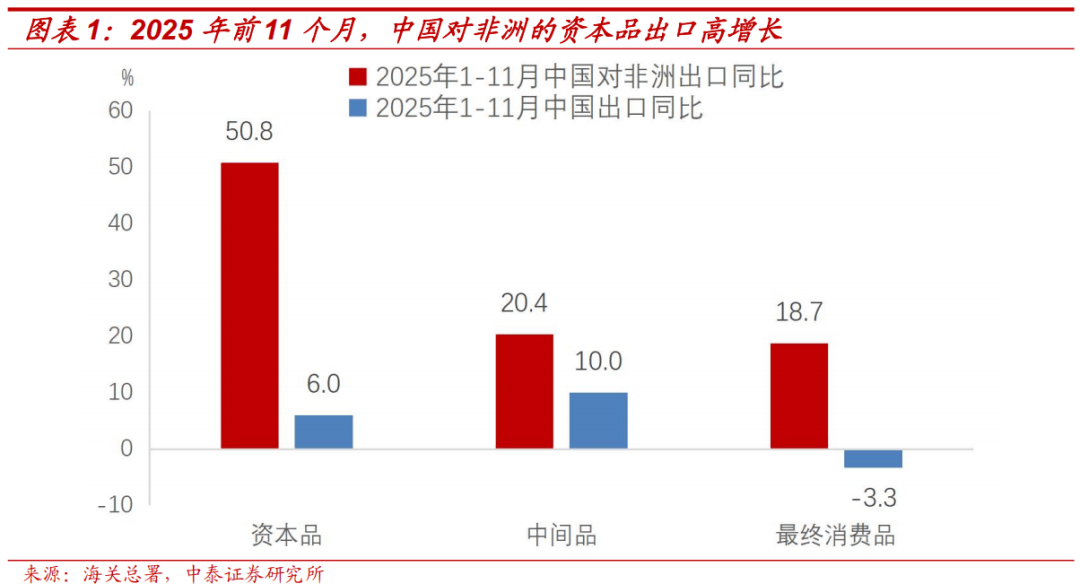
Core Viewpoint - The GDP growth target for 2026 is expected to remain around 5%, with macro policies aimed at promoting consumption and expanding investment to ensure a good start for the 14th Five-Year Plan [6][1]. Export Performance - China's exports showed resilience in 2025, with nominal year-on-year growth of 5.4% in USD terms and 6.2% in RMB terms for the first 11 months [7]. - The strong export performance is attributed to factors such as transshipment trade, increased capital goods exports driven by Chinese companies going abroad, and the delayed impact of US tariffs on global trade [8][10]. - For 2026, it is projected that China's exports will continue to grow by 3.4% year-on-year, supported by stable US-China tariffs and cost advantages [10][31]. Manufacturing Investment - Manufacturing investment in China is expected to recover slightly in 2026, with a year-on-year growth of around 2%, up from approximately 1% in 2025 [2][57]. - The recovery is supported by resilient exports and continued policy support for advanced manufacturing, particularly in the context of national security and technological development [49][57]. - Factors such as "strong supply and weak demand" and "anti-involution" expectations have negatively impacted manufacturing investment in 2025, but these conditions are expected to improve [39][40]. Real Estate Sector - The direct drag of the real estate sector on the economy is expected to weaken in 2026, with a projected year-on-year decline in commercial housing sales area of about 5% [59]. - Real estate investment is anticipated to decline by approximately 11% year-on-year in 2026, an improvement from a 16% decline in 2025, indicating a reduced direct impact on the economy [63][58]. - Policies are being implemented to mitigate the risks associated with a weakening real estate sector, including measures to support housing demand and improve the financial health of real estate companies [63][66]. Consumption and Investment Expansion - Expanding domestic demand is identified as a crucial path to achieving the 5% GDP growth target in 2026, with a focus on promoting consumption and investment [66]. - The government is expected to maintain support for consumption through special bonds, with funding levels likely to remain at least equal to the 300 billion RMB allocated in 2025 [67][72]. - Infrastructure investment is projected to rebound to around 8% year-on-year in 2026, supported by previously announced policies and a focus on major projects [4][66].
大国博弈,科技领航——2026年中国经济展望
李迅雷金融与投资· 2025-12-30 02:41
Core Viewpoint - The GDP growth target for 2026 is expected to remain around 5%, with macro policies focusing on promoting consumption and expanding investment to ensure a good start for the 14th Five-Year Plan [3] Export Performance - China's export performance in 2025 was better than expected, with nominal exports increasing by 5.4% in USD and 6.2% in RMB in the first 11 months. After adjusting for price factors, actual export growth was 7.9% in USD and 9.0% in RMB [4][5] - The strong external demand contributed significantly to China's economic growth, with net exports boosting GDP growth by 1.5 percentage points in the first three quarters of 2025, accounting for 29.0% of the cumulative GDP growth [4] - The expected growth rate for China's exports in 2026 is projected at 3.4% in USD terms, supported by stable US-China tariffs and China's cost advantages [9][28][30] Manufacturing Investment - Manufacturing investment is expected to recover slightly in 2026, from around 1% growth in 2025 to approximately 2% in 2026, driven by resilient exports and policy support for advanced manufacturing [31][46] - The decline in manufacturing investment in 2025 was attributed to "strong supply and weak demand" and trade friction, but the outlook for 2026 suggests a recovery due to improved export expectations and continued policy support [36][46] Real Estate Sector - The direct drag of the real estate sector on the economy is expected to weaken in 2026, with a projected decline in commodity housing sales area of about 5% and a narrowing of the decline in real estate investment to around -11% [55][58] - The real estate sector's recovery will depend on improved consumer confidence and the successful resolution of credit risks among property developers [56][57] Consumption and Investment - Expanding domestic demand is crucial for achieving the 5% GDP growth target in 2026, with a focus on promoting consumption and investment [64] - The government is expected to maintain support for consumption through long-term special bonds, with a funding scale at least equal to the 300 billion RMB allocated in 2025 [66][68] - Infrastructure investment is projected to rebound to 8% growth in 2026, supported by previously announced policies [64]