端侧智能体

Search documents
详解智能体2.0:手机里的“互联互通”新战场
2 1 Shi Ji Jing Ji Bao Dao· 2026-02-26 23:12
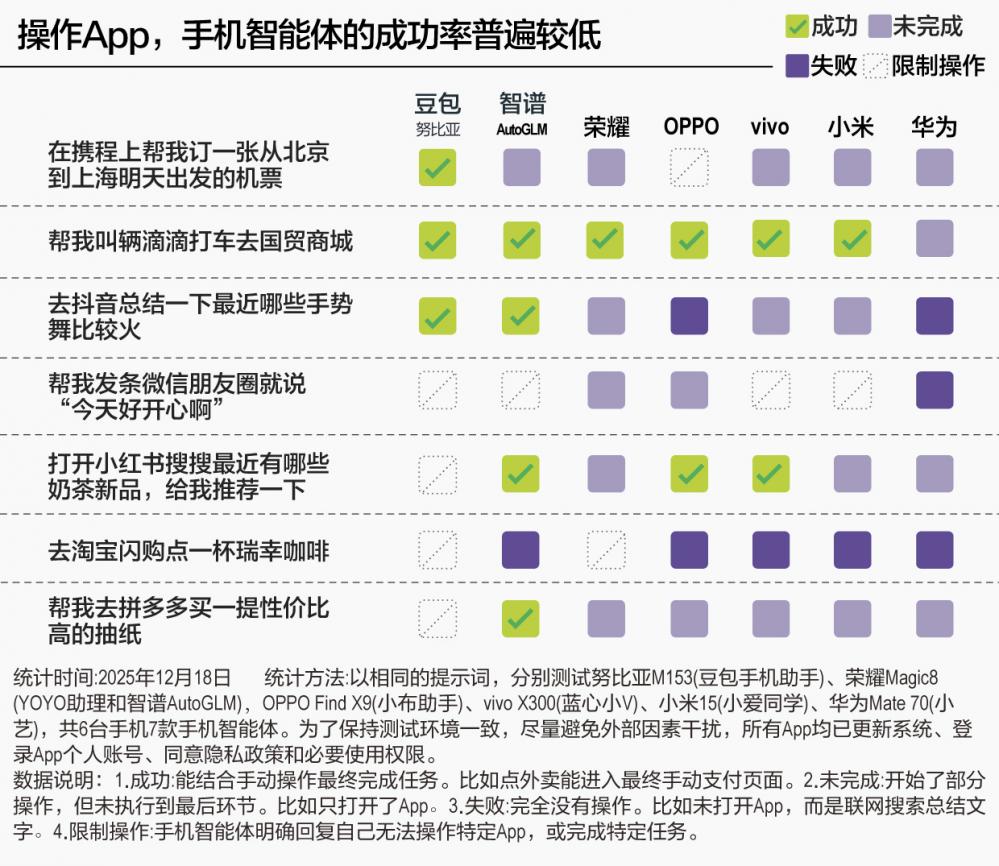
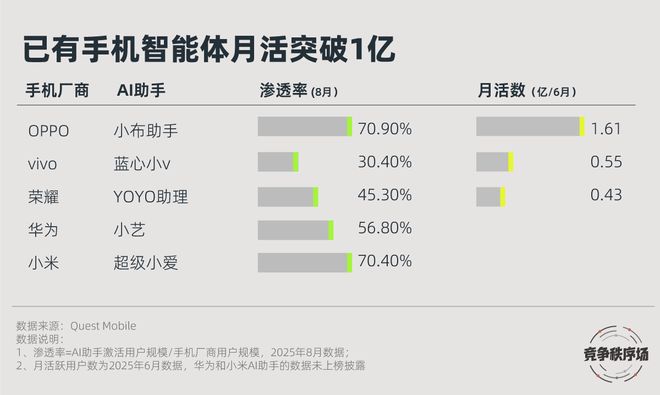
Core Insights - The focus of the AI industry is shifting towards edge agents, with significant developments in both domestic and international markets, such as OpenClaw in Silicon Valley and Doubao in China [1] - The industry consensus is that the future of agents will depend on their ability to connect various personal devices and services, reshaping user interactions with technology [1] - However, the rise of these agents faces compliance challenges due to concerns over privacy and security, particularly regarding the permissions required for operation [1] Group 1: Market Developments - Doubao mobile assistant has gained attention as a leading edge agent, with plans for a formal release in Q2 of this year [1] - The user base for intelligent agents among six major Chinese smartphone manufacturers grew by 65 million in one year, reaching a total of 535 million users [4] - Despite the growth in user numbers, the functionality of mobile agents remains limited, with a success rate of only 20% in task completion during recent evaluations [4][5] Group 2: Technical Performance - The majority of mobile agents are currently unable to perform complex tasks effectively, often failing to execute beyond basic commands [5][6] - Doubao mobile assistant has shown higher success rates in early tests compared to competitors, particularly in executing multi-step tasks [5][6] - Technical evaluations revealed that most mobile agents require over 100 system permissions, with a significant portion being high-sensitivity permissions [9][10] Group 3: Privacy and Security Concerns - The high number of permissions requested by mobile agents raises concerns about user privacy and potential misuse of sensitive data [10][15] - Current mobile agents have demonstrated weak privacy recognition capabilities, with only 13.3% accuracy in identifying sensitive information on screens [17] - The reliance on cloud processing for data handling poses additional risks, as sensitive information may be exposed during transmission [17] Group 4: Industry Dynamics - The relationship between mobile agents and app developers is strained, with instances of apps blocking access to agents due to security concerns [18][19] - There is a lack of a clear revenue-sharing model among stakeholders, complicating collaboration between app developers and mobile agent providers [19][20] - ByteDance is actively negotiating with hardware manufacturers to integrate Doubao into their systems, indicating a strategic push for market penetration [20][22] Group 5: Future Outlook - The industry is exploring dual-track approaches for agent deployment, focusing on high-frequency tasks through API integrations while maintaining flexibility for less common tasks [23] - There is a growing interest among app developers to collaborate with agent providers, particularly from companies like Alibaba, while Tencent remains cautious [24][25] - The successful integration of mobile agents will depend on establishing clear operational guidelines and ensuring user trust in the technology [25]

万字详解智能体2.0:手机里的“互联互通”新战场
2 1 Shi Ji Jing Ji Bao Dao· 2026-02-24 00:10
Core Insights - The AI industry is shifting focus towards edge-based intelligent agents, with significant developments in both domestic and international markets [1][2][3] - ByteDance's Doubao and other intelligent agents are gaining traction, operating across various personal devices and applications, but face challenges related to privacy and operational capabilities [2][3][5] - The industry consensus is that the future of intelligent agents will depend on their ability to connect multiple personal devices and services, reshaping the ecosystem [2][3] Group 1: Market Developments - OpenClaw has gained popularity in Silicon Valley, while Doubao is embedded in smartphones in China, with high demand reflected in the second-hand market [1] - The user base for intelligent agents among six major Chinese smartphone manufacturers grew by 65 million in one year, reaching a total of 535 million users [3] - OPPO, Vivo, and Honor are leading the charge in the domestic market, with OPPO's Xiaobu Assistant achieving 160 million monthly active users by June 2025 [3] Group 2: Technical Challenges - Current intelligent agents are struggling with task execution, often only able to perform basic functions like opening apps rather than completing complex tasks [7][8] - A recent evaluation of seven intelligent agents revealed a success rate of only 20% for completing tasks, with many tasks failing or being interrupted [5][7] - The technology behind these agents is still in its infancy, with most operating at a basic level and lacking the ability to handle complex, multi-step tasks effectively [8][10] Group 3: Privacy and Security Concerns - Intelligent agents require extensive permissions, often exceeding 100, raising concerns about privacy and potential misuse of sensitive data [17][18] - The use of high-sensitivity permissions, such as accessing location and reading messages, poses significant risks to user privacy [19][20] - The reliance on cloud processing for data handling introduces vulnerabilities, as sensitive information may be exposed during transmission [27][28] Group 4: Industry Dynamics - A ceasefire agreement has been reached between ByteDance and several app developers, allowing for normal login procedures while limiting AI operations [35] - The competitive landscape is marked by tensions between smartphone manufacturers and app developers, with concerns over the implications of intelligent agents on existing business models [30][31] - The future of intelligent agents hinges on establishing a viable revenue-sharing model and addressing the concerns of both hardware manufacturers and app developers [31][32]




科技观察:“端侧智能体”将走向何方
Huan Qiu Shi Bao· 2026-02-12 23:03
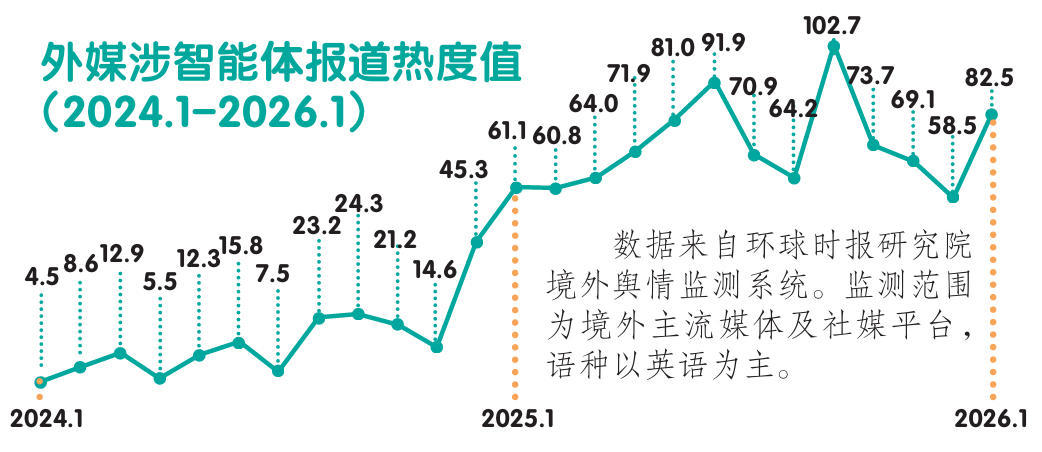
Core Viewpoint - The development of AI agents, particularly "end-side AI agents," is gaining traction, with significant advancements in their ability to perform tasks autonomously, shifting from mere interaction to active service [1][2]. Group 1: AI Agent Development - The term "end-side AI agents" refers to AI systems that can independently perform reasoning, decision-making, and task execution on devices like smartphones and IoT devices [2][4]. - The year 2025 is anticipated to be a pivotal moment for AI agents, marking the "AI agent year" [2]. - The current trend shows a rising interest in AI agents across foreign media and social platforms from January 2024 to January 2026 [2]. Group 2: Technical Routes - There are two main technical routes for developing end-side AI agents: the GUI (Graphical User Interface) route and the protocol authorization route [4][5]. - The GUI route allows for visual recognition and simulated operations without needing to adapt to third-party applications, providing short-term deployment advantages [4]. - The protocol authorization route, which includes APIs, is currently the mainstream choice, offering better security and traceability but requiring a robust industry ecosystem [4][5]. Group 3: Industry Differences - China adopts a dual-track strategy of GUI simulation and API authorization, aiming for a balance between innovation speed and system security, while the U.S. primarily favors the API route [5]. - The choice of technical routes is influenced by ecological structure, institutional constraints, and market demands, indicating that a single path may not support the long-term evolution of the AI agent ecosystem [5]. Group 4: User Interaction and Concerns - The GUI route has significantly changed smartphone interaction paradigms, enabling users to perform tasks like ordering food or booking tickets with simple voice commands [6]. - Concerns exist regarding user rights and data privacy, as users may not fully understand the permissions granted to AI agents, potentially leading to unauthorized access to sensitive information [8]. - The risks associated with high-level system permissions for AI agents could complicate security measures and increase vulnerability to cyber threats [8]. Group 5: Future Directions and Governance - Experts emphasize the need for a comprehensive approach to AI governance, focusing on permission delegation and the identification of acceptable error rates across different industries [10][11]. - The future of end-side AI agents may involve a shift towards a more integrated ecosystem where AI can seamlessly interact across various applications, potentially revolutionizing user experience [9][10]. - A multi-layered, flexible technical framework is recommended to support diverse access methods, enhance security, and improve cross-entity collaboration [11].
豆包手机卷土重来:从“被围剿”,到“反围剿”丨智能涌现独家
3 6 Ke· 2026-01-29 05:10
Core Viewpoint - Tencent's CEO Ma Huateng criticized Doubao Phone for its cloud data handling, emphasizing security concerns, which highlights the challenges faced by Doubao Phone in the competitive landscape of mobile technology [1][2]. Group 1: Doubao Phone's Development and Challenges - Doubao Phone's AI Agent faced significant backlash shortly after its launch in December 2025, leading to a near-total shutdown of its AI functionalities due to restrictions imposed by major internet companies [1]. - Despite initial setbacks, Doubao Phone is set to launch its second-generation device in late Q2 2026, with expectations for substantial improvements over the first generation [2]. - The team behind Doubao Phone is negotiating with mainstream application developers to secure necessary permissions, while maintaining its original system-level GUI Agent approach to avoid reliance on API access [3][4]. Group 2: Strategic Partnerships and Market Position - Doubao Phone is pursuing two types of partnerships: technical collaborations with major manufacturers like OPPO and vivo, and more aggressive negotiations with smaller brands to embed Doubao AI directly into their devices [4][5]. - The competitive landscape shows that the top six smartphone manufacturers in China have nearly equal market shares, leaving smaller brands to share the remaining market space, which Doubao aims to penetrate [7][8]. Group 3: Future Hardware and Ecosystem Expansion - Doubao is diversifying its hardware offerings beyond smartphones, with plans for AI glasses and headphones, aiming to integrate its AI capabilities across various devices [9][10]. - The goal is to create a seamless user experience where interactions with Doubao AI can occur through multiple hardware interfaces, enhancing user engagement and ecosystem stickiness [10][12]. - Doubao's strategy includes exploring international markets by negotiating with manufacturers like vivo to incorporate Doubao Phone Assistant into their overseas models [10][12].
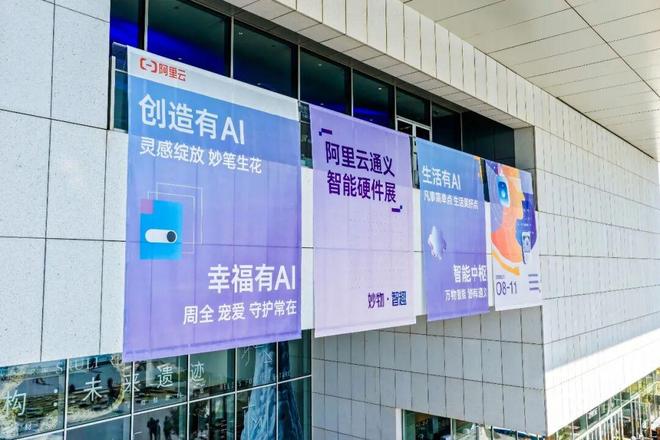
剑指“AI时代的安卓”,千问抢滩AI硬件核心入口
Di Yi Cai Jing Zi Xun· 2026-01-11 12:57
Core Insights - The emergence of "Physical AI" is accelerating, with significant developments showcased at the 2026 CES and Alibaba Cloud's event in Shenzhen, indicating a shift towards AI integration in physical devices [1][3][4] Group 1: AI Hardware Transformation - AI hardware is evolving from mere marketing gimmicks to genuine intelligent devices capable of perception, understanding, and decision-making, marking a significant step in AI's practical application [3][4] - The Pettichat pet translator, which translates pet sounds into human language with a 94.6% accuracy rate, exemplifies the innovative capabilities of AI hardware [4] - The market for AI hardware is expanding rapidly, with over 1,000 smart hardware products showcased at Alibaba Cloud's event, indicating a growing demand and the entry of numerous brands [6] Group 2: Industry Dynamics - Alibaba Cloud's "Qianwen" model aims to become the Android of the AI hardware sector, facilitating a diverse range of devices to adopt intelligent systems through open-source and adaptable solutions [7][10] - The shift from hardware sales to service-oriented models is becoming prevalent, as companies leverage AI capabilities to enhance user experience and create sustainable profit models [10][11] - The introduction of a licensing fee model for AI services is expected to alleviate cost concerns for hardware manufacturers, encouraging mass production and competitive pricing [10][12] Group 3: Market Outlook - The Chinese AI hardware market is projected to exceed 1.1 trillion yuan by 2025, with a year-on-year growth of 13.4%, indicating a robust growth trajectory for the industry [12]
剑指“AI时代的安卓”,千问抢滩AI硬件核心入口
第一财经· 2026-01-11 12:54
Core Viewpoint - The article emphasizes the rapid advancement of AI hardware, transitioning from novelty to practical applications, particularly in the realm of "Physical AI" as highlighted at major tech events like CES 2026 and Alibaba's cloud exhibition [1][3][4]. Group 1: AI Hardware Transformation - AI hardware is evolving into intelligent entities capable of perception, understanding, and decision-making, marking a significant shift from mere marketing gimmicks to functional devices [3]. - The demand for AI hardware is increasing, with new applications being rapidly developed, as evidenced by the diverse range of products showcased at the Alibaba cloud exhibition, including over 1,000 smart hardware items from more than 200 brands [8][9]. Group 2: Innovations in AI Hardware - Notable innovations include the Pettichat pet translator, which achieves a 94.6% translation accuracy for pet sounds, demonstrating the potential of AI in everyday applications [6]. - The AI hardware ecosystem is expanding, with various products like smart glasses, AI companions, and training devices becoming mainstream, indicating a robust market for AI-integrated solutions [8]. Group 3: Competitive Landscape - Major players in the AI hardware space, such as Alibaba's Qianwen, are positioning themselves similarly to Android by providing open-source and adaptable solutions that lower barriers for hardware manufacturers [9][14]. - The shift from hardware sales to service-oriented models is becoming prevalent, allowing manufacturers to enhance user experience and establish sustainable profit models [14][15]. Group 4: Future Outlook - The Chinese AI hardware market is projected to exceed 1.1 trillion yuan by 2025, with a year-on-year growth of 13.4%, indicating a strong and ongoing expansion in this sector [16]. - Companies like Alibaba are focused on fostering an ecosystem that encourages innovation and collaboration among hardware manufacturers, aiming to enhance the overall market potential for AI hardware [16].

黄仁勋:物理AI走进现实世界,拼的不单是算力
聪明投资者· 2026-01-11 02:06
Group 1 - The article highlights the impressive technological innovations showcased at the CES, particularly emphasizing NVIDIA's CEO Jensen Huang's presentation on the imminent arrival of physical AI [1] - Huang's engaging offline discussions following his main presentation are noted for their personality and interest [2] - The article recommends several insightful readings, including Huang's full speech at CES 2026, which covers three key topics and introduces a "chip monster" [3] Group 2 - The article mentions a bullish consensus among private equity firms regarding a return to 4000 points in the market, focusing on identifying "uncrowded growth" opportunities and capturing "low-hanging fruit" [3] - It references insights from Duan Yongping's 2025 sharing, stressing the importance of investing in good companies and the necessity for individuals to understand and learn about AI [3] - Liu Yuhui's latest commentary on the "G2 competition" era emphasizes the significance of edge intelligence, gold, and commodities as major beta factors [3] - The article notes that key variables include monetary policy, with Ray Dalio's latest review predicting a long-term return of only 4.7% for the US stock market [3]