精准供地

Search documents
全国居首! 预计超85亿元 上海1月土拍"淡季不淡"
Xin Lang Cai Jing· 2026-01-26 11:45
Group 1 - The core viewpoint of the article highlights that despite the traditional off-season for land auctions near the Spring Festival, Shanghai's land market has seen significant activity with five new plots being auctioned, leading the nation in both quantity and total sales amount [1] - On January 29, three residential plots in Qingpu Zhao Xiang, Songjiang Jiu Ting, and Qingpu Old Town will be auctioned, covering a total area of nearly 16 hectares with a starting total price exceeding 4 billion yuan [1] - Earlier in the month, two residential plots in Pudong and Minhang were successfully sold for a total transaction amount of 4.57 billion yuan, making Shanghai the city with the highest number and value of land plots auctioned in January [1] Group 2 - Market analysis indicates that Shanghai's land auction market has moved beyond solely relying on location value, with a shift towards strategies that cater to actual market demand [1] - The new land supply strategy emphasizes industrial integration and talent housing, which is seen as a driving force for urban development in Shanghai [1] - Data shows that from 2025 to the present, Shanghai has auctioned 49 plots, with the highest premium rates concentrated in emerging development areas such as Tang Town, Cao Road, and Beicai, indicating that diverse evaluation metrics are becoming key decision-making factors in the market [1]
多政策激发楼市活力 二手房成新晋“顶流”
Sou Hu Cai Jing· 2025-11-17 04:33
Core Viewpoint - The recent data from the National Bureau of Statistics indicates a narrowing decline in commodity housing sales, a continuous decrease in unsold inventory for eight months, and a reduction in the decline of funds available to real estate developers, reflecting the positive impact of various real estate policy optimizations implemented this year [1][3][5] Sales Performance - From January to October, the total transaction volume of new and second-hand houses nationwide decreased by only 1.9% year-on-year, indicating stability in the market without significant contraction [3][8] - In major cities like Shenzhen, Wuhan, and Xiamen, the transaction volume of both new and second-hand houses has shown year-on-year growth [3][11] Market Dynamics - The second-hand housing market is increasingly becoming the mainstay of transactions, with second-hand house transactions accounting for 45% of the total, and a year-on-year increase of 4.7% in transaction area [11][13] - The demand for improved housing is being released, supported by policies such as increased housing provident fund loan limits and purchase subsidies [13][17] Land Market Trends - Local governments are actively optimizing land supply structures to boost developer confidence, with Beijing and Hangzhou implementing targeted land supply strategies [14][16] - The total land acquisition amount by the top 100 real estate companies reached 783.8 billion, a year-on-year increase of 26.4% [16] Policy Measures - Over 60 cities have introduced purchase subsidies or "old-for-new" policies to support rigid and improved housing demand [17][20] - Cities are enhancing housing credit and provident fund policies, with adjustments made to loan limits and withdrawal rules to support reasonable housing consumption [22]


多维度观察楼市新变化、新特征·政策“组合拳”显效发力 全方位激活楼市活力
Yang Shi Wang· 2025-11-16 08:36
Core Insights - The overall decline in commodity housing sales has narrowed, with a continuous decrease in unsold inventory for eight months, indicating a stabilization in the real estate market [1][12][19] - A series of real estate policy optimizations in 2025 have positively impacted market confidence, leading to increased buyer interest and activity [4][6][12] Sales Performance - From January to October 2025, the total transaction volume of new and second-hand homes nationwide decreased by only 1.9% year-on-year, reflecting market stability [8][16] - Major cities like Shenzhen, Wuhan, and Xiamen have seen year-on-year increases in transaction volumes for both new and second-hand homes [8][18] Market Dynamics - The second-hand housing market is becoming the mainstay of transactions, with a 4.7% year-on-year increase in transaction area for second-hand homes, accounting for 45% of total transactions [18][21] - The demand for improved housing is being met by policies that increase housing provident fund loan limits and provide purchase subsidies [21][22] Land Market Trends - Local governments are actively optimizing land supply structures to boost developer confidence, with significant increases in land transaction volumes in major cities [22][25] - The total land acquisition amount for the top 100 real estate companies reached 783.8 billion, a year-on-year increase of 26.4% [25] Policy Measures - Over 60 cities have introduced housing purchase subsidies or "old-for-new" policies to support rigid and improved housing demand [29][31] - Cities are enhancing housing credit and provident fund policies to support reasonable housing consumption, with adjustments made in cities like Shanghai and Beijing [36]
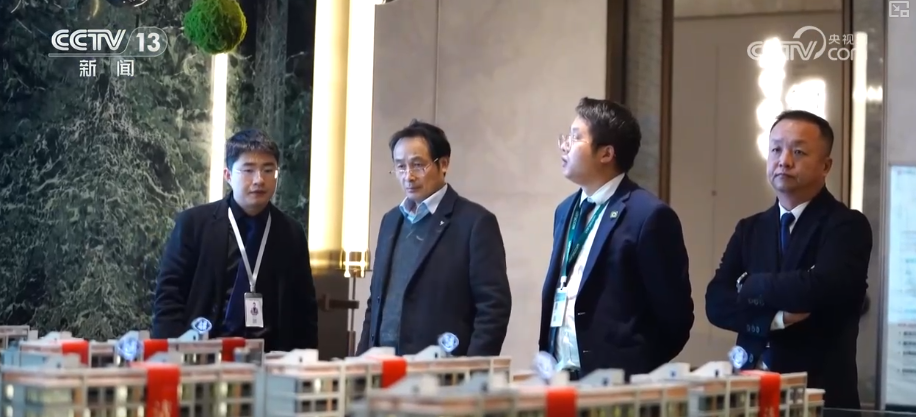
住房交易总量增长彰显政策效应
Sou Hu Cai Jing· 2025-07-08 23:01
Group 1 - The real estate market in China is showing positive changes in the first half of 2025, with both new and second-hand housing transactions experiencing year-on-year growth, indicating overall market stability [2] - Major cities such as Shenzhen and Guangzhou have seen active real estate markets, with significant increases in transaction volumes and sales areas, supported by various measures to stimulate housing consumption [2] - The average monthly transaction volume of second-hand homes in Shenzhen exceeded 5,000 units, while Guangzhou's second-hand residential transactions increased by 12.98% in number and 13.31% in area year-on-year [2] Group 2 - The real estate financing coordination mechanism has played a crucial role in stabilizing the market, with cities like Guangzhou and Shenzhen leading in credit and financing quotas [3] - This mechanism facilitates precise matching between real estate developers and financial institutions, effectively meeting the reasonable financing needs of real estate companies [3] - The reduction of housing provident fund loan rates by 0.25 percentage points is expected to save residents over 20 billion yuan annually in interest payments, further supporting home purchasing demand [3] Group 3 - Precise land supply strategies are being implemented to promote balance between supply and demand in the real estate market, with some cities pausing new residential land supply in areas with excess inventory [4] - The land market remains active, indicating improved financial conditions for some real estate companies and increased confidence in the market [4] - Local governments are encouraged to adopt tailored policies to stabilize the real estate market, enhance policy effectiveness, and meet the public's expectations for quality housing [4]