紧缩性宽松

Search documents
时隔75年,沃什和贝森特共推美联储和美国财政部恢复一致性关系,这意味着什么?
Sou Hu Cai Jing· 2026-02-09 14:52
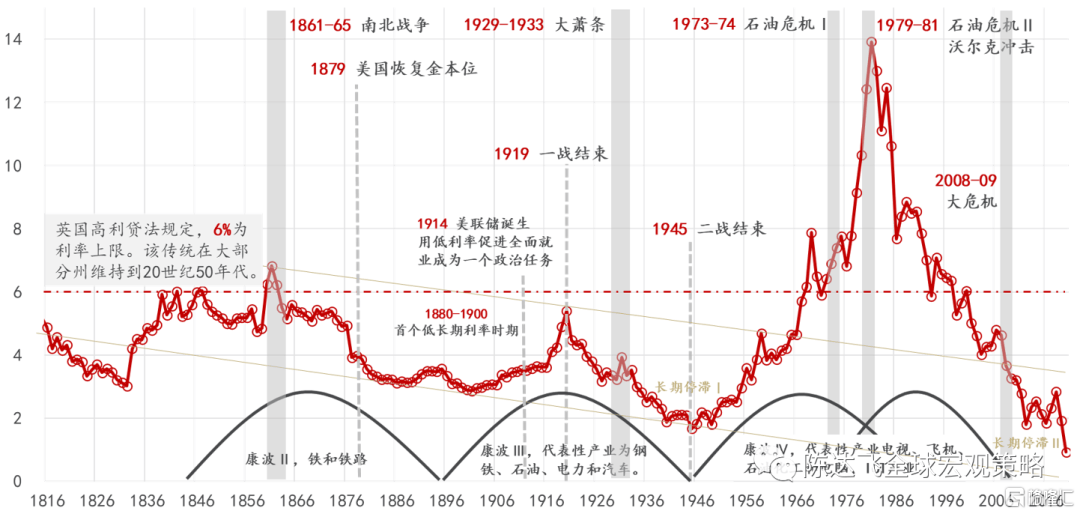
Core Viewpoint - The proposed new agreement between the Federal Reserve and the Treasury aims to reshape their collaboration, reminiscent of the 1951 Accord, which marked a significant shift towards the independence of monetary policy from fiscal needs [2][8]. Group 1: Historical Context - During World War II, the Federal Reserve fixed short-term Treasury bill rates at 0.375% and long-term bond rates at 2.5% to assist the U.S. government in financing the war, leading to a significant increase in U.S. debt and a loss of control over its balance sheet and money supply [1]. - Post-war, the U.S. faced high inflation, with CPI rising by 17.6% from 1946 to 1947 and an annualized inflation rate reaching 21% in early 1951, prompting a compromise between the Federal Reserve and the Treasury to separate monetary policy from fiscal financing [1]. Group 2: Proposed Changes - The new proposal suggests aligning the Federal Reserve's balance sheet with the Treasury's debt issuance plans, shifting holdings from medium- to short-term Treasury bills, and limiting the use of quantitative easing (QE) to emergency situations [2][3]. - This adjustment is characterized as "tightening easing," aimed at addressing the approximately $1 trillion annual interest cost of U.S. debt through coordinated monetary and fiscal policies [3]. Group 3: Market Implications - If implemented, the agreement could lead to a significant restructuring of the Federal Reserve's asset portfolio, potentially increasing the proportion of Treasury bills held from less than 5% to 55% over the next five to seven years, similar to pre-1950 structures [5]. - This shift may reduce the Treasury's bond issuance and lower borrowing costs in the short term, but it risks increasing volatility in borrowing costs if the Treasury becomes overly reliant on short-term debt [5]. Group 4: Concerns Over Independence - The proposed agreement raises concerns about the independence of the Federal Reserve, as it may require Treasury approval for large-scale bond purchases, effectively tying monetary policy to fiscal needs [8][9]. - Historical precedents indicate that political interference in monetary policy can lead to adverse outcomes, as seen in the "Great Inflation" of the 1970s, highlighting the potential risks of this new collaboration [8][9]. Group 5: Global Financial Impact - The implications of this agreement extend beyond the U.S., as a loss of confidence in the dollar and U.S. debt could lead to increased global financial uncertainty and higher costs for international trade and investment [9]. - The future trajectory of the dollar is critical, as a significant depreciation could undermine the achievements of globalization since 1991, affecting global markets [9].

特朗普拟推高房价,沃什拟推动缩表,是否与加密货币熊市加剧和金银市场巨震有关,美元流动性逻辑变了么?
Sou Hu Cai Jing· 2026-02-02 02:55
Core Viewpoint - The Trump administration is pushing for real estate stimulus policies while Kevin Walsh, the nominated Federal Reserve Chair, advocates for balance sheet reduction, creating a complex interplay that will redefine dollar liquidity distribution and impact various asset classes [1][3]. Group 1: Real Estate Stimulus - The Trump administration aims to stimulate the economy by increasing housing prices, reminiscent of strategies seen during deflationary periods, but faces challenges in balancing monetary tightening to avoid inflation [6][8]. - Specific measures include directing Fannie Mae and Freddie Mac to purchase $200 billion in mortgage-backed securities and limiting large institutional investors from buying single-family homes, while simultaneously pressuring the Fed to lower interest rates [6][8]. - As a result of these policies, U.S. home prices increased by 0.6% month-over-month and 1.9% year-over-year, with mortgage rates dropping to a three-year low [6]. Group 2: Dollar Liquidity and Monetary Policy - The interplay between Trump's real estate stimulus and Walsh's balance sheet reduction represents a shift in the definition of yield direction, balancing "loose credit" with "tight monetary" policies [3][11]. - Walsh's plan to reduce the Fed's balance sheet from approximately $6.6 trillion to below $5 trillion indicates a shift from "loose abundance" to "precise contraction" of dollar supply, tightening overall liquidity [12]. - This tightening is expected to push dollar supply towards high liquidity, low-risk assets, leading to a potential outflow from speculative assets like cryptocurrencies [12][14]. Group 3: Impact on Cryptocurrencies and Gold - The ongoing bear market in cryptocurrencies is attributed to tightening dollar liquidity, declining market risk appetite, and accumulated risks within the industry, with Bitcoin dropping below $78,130, marking a 13% decline since the beginning of the year [14][15]. - The investment logic for Bitcoin has shifted from "speculative appreciation under loose liquidity" to a scenario where tightening liquidity diminishes its value, while the support narrative from the Trump administration fades [15][19]. - Gold's investment logic has also fundamentally adjusted, transitioning from "inflation hedge + safe haven" to a more speculative nature, with a significant proportion of net long positions in the market [19].
木头姐:2026年特朗普经济政策将推高美股、美元,而黄金将面临压力!
Sou Hu Cai Jing· 2026-01-22 02:47
Group 1 - The concept of "tightening easing" is introduced, indicating that the current interest rate cut cycle by the Federal Reserve is nearing its end, despite not immediately signaling rate hikes [1] - The emphasis on "data dependence" and "risk management" by Federal Reserve members suggests that while rates are close to neutral, inflation risks remain tilted upwards [1][3] - The potential for a significant economic impact from Trump's proposed tax cuts and spending increases is highlighted, with a focus on stimulating investment and consumption [6][10] Group 2 - Historical context is provided regarding Reaganomics, which successfully reduced inflation and increased GDP growth in the 1980s, suggesting a possible revival of similar policies under Trump [3][8] - The current market environment indicates that U.S. stocks have a solid foundation for continued growth, supported by expected economic benefits from inflation decline and interest rate cuts [10] - Concerns about the sustainability of U.S. sovereign debt are raised, particularly in light of high existing debt levels and the absence of a robust industrial base [8][11] Group 3 - The relationship between the dollar and gold is discussed, noting that while traditionally they are inversely correlated, current market dynamics may lead to a more complex interaction [14][15] - Predictions for gold prices are optimistic, with expectations of reaching $5000 per ounce driven by geopolitical risks and a weakening dollar [15] - The potential for volatility in the credit and sovereign debt markets is acknowledged, but the stability of balance sheets across major economies is expected to mitigate severe market shocks [16]
美国市场梦回「四月风波」,惨遭「股债汇三杀」,华尔街抛售美国交易重燃,这次市场为何不相信TACO了?
Sou Hu Cai Jing· 2026-01-21 01:51
Group 1 - The market is experiencing significant turmoil, with gold prices rising by 3%, U.S. Treasury yields soaring, and both U.S. stocks and the dollar facing declines [1] - The European Union is reacting to U.S. policies under Trump, with concerns about political stability in Germany and France, and potential military confrontations in Europe [1] - The U.S. is facing internal economic challenges, including supply chain disruptions and commodity price volatility, while external pressures from geopolitical tensions are increasing [1] Group 2 - Trump's response to potential Supreme Court rulings on tariffs includes exploring alternative methods such as licensing, indicating a shift in strategy [3] - The U.S. financial markets experienced a sharp decline, with the Dow Jones dropping over 900 points and significant losses in major indices, reflecting market anxiety over trade policies [3] - The TACO strategy, which previously capitalized on Trump's policy reversals, is failing as market participants grow weary of his unpredictable actions [5] Group 3 - The Federal Reserve's tightening policy has undermined the TACO strategy, as expectations for monetary easing have diminished, leading to concerns about inflation and economic growth [7] - The U.S. CPI is showing signs of persistent inflation, with core service prices remaining high, impacting consumer purchasing power [7] - The market is no longer anticipating a policy reversal, as the fundamental economic issues of inflation and weak recovery persist [8] Group 4 - There is a notable shift in investment patterns, with funds moving from technology sectors to defensive sectors, indicating a decrease in risk appetite among investors [9] - The bond market is reflecting long-term concerns, with rising yields indicating skepticism about inflation and fiscal sustainability [9] - The effectiveness of the TACO strategy is diminishing as market participants have fully priced in Trump's policy patterns, leading to increased uncertainty [11]