
可负担性危机

Search documents
资金大撤离!美国关税,突生变数!140万亿资产承压,下一个风口在哪?
券商中国· 2026-02-15 05:56
Core Viewpoint - The narrative shift in the market is driven by Trump's "affordability" politics, which is reallocating funds from "Wall Street elites" to "ordinary people," leading to a rise in small-cap value stocks while tech giants face pressure [1][3]. Group 1: Economic Policies and Market Impact - Trump's administration plans to reduce certain tariffs, which have exacerbated the "affordability crisis" for American consumers and complicated cost calculations for businesses [2][3]. - The affordability crisis is causing a change in market narrative, with small-cap value stocks gaining traction and the narrative around artificial intelligence shifting from "awe" to "poverty," resulting in increased related debt [3]. Group 2: International Market Dynamics - According to a report by EPFR Global, international developed markets, including Europe and Japan, have attracted $104 billion this year, significantly surpassing the $25 billion inflow into U.S. funds, indicating a shift in investor focus [3]. - The U.S. trade policy is creating a "new world order," prompting investors to exchange U.S. assets for international ones, suggesting a transition from U.S. exceptionalism to global rebalancing [3]. Group 3: Stock Market Trends - Despite tax cuts, the S&P 500 index has lagged behind international peers, with the dollar index dropping over 10% since the end of 2024 [4]. - The current market environment is characterized by significant volatility due to the "AI disruption" affecting various sectors, including software services and logistics [4]. - The upcoming leaders in the market are expected to be emerging markets and small-cap stocks as U.S. exceptionalism gives way to global rebalancing [4]. Group 4: Investment Opportunities - After a period of intense selling, the valuation of internet companies is becoming increasingly attractive, suggesting potential investment opportunities as the market returns to a more rational pricing logic [5].



关税战打不败中国,美前财长顾问发文:我刚从中国回来,美国没赢
Sou Hu Cai Jing· 2026-02-13 12:01
Core Viewpoint - The article highlights that the U.S. tariff strategy against China has not yielded the intended results, with the burden of tariffs primarily falling on American consumers and businesses rather than on Chinese exporters [3][5][27]. Group 1: Impact of Tariffs - The report from the New York Federal Reserve and the Congressional Budget Office indicates that 90% of the tariff costs are borne by U.S. consumers and businesses, while foreign exporters only bear less than 5% [3][30]. - In 2025, the average American household spent an additional $1,000 due to tariffs, contributing to a significant financial burden [5]. - Despite the tariffs, U.S.-China trade remained resilient, with the total trade volume reaching 4.01 trillion yuan in 2025, accounting for 8.8% of China's total foreign trade [7][8]. Group 2: China's Trade Resilience - China's foreign trade reached a record high of 45.47 trillion yuan in 2025, with a year-on-year growth of 3.8%, driven by high-tech product exports which increased by 13.2% [12][15]. - The export of electric vehicles from China saw significant growth, with pure electric vehicle exports rising by 66.7% and plug-in hybrid vehicle exports increasing by 226.5% in 2025 [14]. - China's diversified trade partnerships, including a significant increase in trade with ASEAN and countries involved in the Belt and Road Initiative, have mitigated the impact of U.S. tariffs [15][17]. Group 3: U.S. Domestic Challenges - The article emphasizes that the U.S. faces more pressing internal issues, such as outdated infrastructure and supply chain disruptions, which are more challenging to resolve than external trade conflicts [19][21]. - The slow progress of infrastructure projects in the U.S. has been highlighted, with many initiatives facing funding and approval delays [19][21]. - The instability of U.S. trade policies, including frequent changes in tariff regulations, complicates long-term business planning for American companies [23][25]. Group 4: Recommendations for U.S. Policy - The article suggests that the U.S. should focus on improving its domestic conditions, such as infrastructure and supply chain stability, rather than relying on tariffs as a solution [25][27]. - It advocates for a strategic approach to industrial policy, prioritizing key sectors for development similar to China's model, rather than resorting to trade protectionism [25][27].
英媒:特朗普拟缩减部分钢铁和铝制品关税 以缓解“可负担性危机”
Xin Lang Cai Jing· 2026-02-13 05:16
Core Viewpoint - The Trump administration plans to reduce certain tariffs on steel and aluminum products due to a "affordability crisis" impacting consumer prices and weakening support ahead of the midterm elections [3][5]. Group 1: Tariff Changes - Last summer, the U.S. imposed tariffs as high as 50% on steel and aluminum products, which were later expanded to include various metal goods such as washing machines and ovens [3][5]. - The administration is reviewing the list of products affected by these tariffs and intends to exempt certain items while halting the expansion of the tariff list [3][5]. Group 2: Economic Impact - Trade officials from the U.S. Department of Commerce and the Office of the U.S. Trade Representative believe that these tariffs are harming consumers by increasing prices on items like food and beverage cans [3][5]. - Countries including the UK, Mexico, Canada, and EU member states may benefit from the potential relaxation of U.S. tariffs on steel and aluminum products [3][5].

沃什若降息不力会被告?贝森特听证会留悬念:取决于特朗普
Hua Er Jie Jian Wen· 2026-02-05 22:44
Group 1 - The Federal Reserve leadership is facing new pressure for interest rate cuts, particularly with the nomination of Kevin Warsh as the new chairman, amid concerns about the independence of the Fed [1][8] - Treasury Secretary Becerra indicated that whether Warsh would face legal action for not following President Trump's wishes on interest rates depends on the President [1][3] - Senator Warren questioned Becerra about the affordability crisis, highlighting that American families are paying more for utilities, healthcare, and housing, and criticized the administration's handling of inflation [2][5] Group 2 - Trump has made it clear that Warsh would not be nominated if he expressed a desire to raise interest rates, emphasizing that the Fed should lower rates [7][8] - The independence of the Federal Reserve is under scrutiny, especially following the Justice Department's investigation into Powell regarding the Fed's renovation project [1][8] - Key senators, including Republican Thom Tillis, have warned that Trump's nominee for the Fed will face stricter scrutiny, potentially impacting Warsh's confirmation [8]
【环球财经】特朗普签署行政令限制构投资者购买独栋住宅
Xin Hua Cai Jing· 2026-01-21 13:04
Group 1 - The core viewpoint of the news is that President Trump signed an executive order to restrict large institutional investors from purchasing single-family homes to address the housing affordability crisis faced by residents [1] - The executive order mandates that the U.S. Treasury must define large institutional investors and single-family homes within 30 days [1] - Various government departments, including the Department of Agriculture and the Department of Housing and Urban Development, are required to issue guidelines within 60 days to prevent government entities from facilitating purchases of single-family homes by large institutional investors [1] Group 2 - The affordability crisis has become a significant concern for voters, particularly affecting middle- and low-income families due to high prices and rising unemployment [2] - The National Rental Home Council stated that the share of properties held by professional single-family rental providers is less than 1%, indicating they are not the cause of the housing shortage in the U.S. [2] - There is a call for more housing investment and the expansion of rental options to create genuine pathways to homeownership [2]
美国市场梦回「四月风波」,惨遭「股债汇三杀」,华尔街抛售美国交易重燃,这次市场为何不相信TACO了?
Sou Hu Cai Jing· 2026-01-21 01:51
Group 1 - The market is experiencing significant turmoil, with gold prices rising by 3%, U.S. Treasury yields soaring, and both U.S. stocks and the dollar facing declines [1] - The European Union is reacting to U.S. policies under Trump, with concerns about political stability in Germany and France, and potential military confrontations in Europe [1] - The U.S. is facing internal economic challenges, including supply chain disruptions and commodity price volatility, while external pressures from geopolitical tensions are increasing [1] Group 2 - Trump's response to potential Supreme Court rulings on tariffs includes exploring alternative methods such as licensing, indicating a shift in strategy [3] - The U.S. financial markets experienced a sharp decline, with the Dow Jones dropping over 900 points and significant losses in major indices, reflecting market anxiety over trade policies [3] - The TACO strategy, which previously capitalized on Trump's policy reversals, is failing as market participants grow weary of his unpredictable actions [5] Group 3 - The Federal Reserve's tightening policy has undermined the TACO strategy, as expectations for monetary easing have diminished, leading to concerns about inflation and economic growth [7] - The U.S. CPI is showing signs of persistent inflation, with core service prices remaining high, impacting consumer purchasing power [7] - The market is no longer anticipating a policy reversal, as the fundamental economic issues of inflation and weak recovery persist [8] Group 4 - There is a notable shift in investment patterns, with funds moving from technology sectors to defensive sectors, indicating a decrease in risk appetite among investors [9] - The bond market is reflecting long-term concerns, with rising yields indicating skepticism about inflation and fiscal sustainability [9] - The effectiveness of the TACO strategy is diminishing as market participants have fully priced in Trump's policy patterns, leading to increased uncertainty [11]

美媒:通胀数据趋缓 美国“可负担性危机”为何仍刺痛民众?
Sou Hu Cai Jing· 2026-01-20 08:18
Core Viewpoint - The "affordability crisis" in the U.S. has escalated into a major concern for the White House, highlighting a systemic challenge where rising living costs outpace household income, despite official inflation data showing some relief [1]. Inflation Data and Public Sentiment - The U.S. Consumer Price Index (CPI) rose by 2.7% year-on-year and 0.3% month-on-month in December 2025, with core CPI increasing by 2.6% year-on-year [2]. - Despite a slight easing in macro inflation, the daily financial burdens on American households remain significant, as public sensitivity to price levels is much higher than to changes in inflation rates [2][3]. Political Implications - The affordability crisis is becoming a central issue for the 2026 midterm elections, with voters prioritizing living costs, high taxes, and economic concerns in key states [4]. - The Trump administration's use of tariffs may exacerbate the affordability crisis, as proposed tariffs could increase prices on various imported goods, potentially leading to political backlash [6]. Policy Contradictions - The administration's mixed signals regarding tariffs—threatening new tariffs while delaying others—indicate an awareness of the negative impact of tariff policies on consumer prices [6]. - Economic experts warn that inflation may rebound in early 2026 as companies adjust pricing strategies, potentially passing on previously absorbed cost pressures to consumers [6]. Disconnect Between Macro Indicators and Household Reality - There is a systemic disconnect between macroeconomic indicators and the financial realities faced by households, as policymakers often overlook the lasting impacts of economic shocks on family budgets [7][9]. - Surveys indicate that many American families do not expect prices to return to pre-crisis levels, with a significant portion of respondents acknowledging that tariffs have raised prices and opting for cheaper alternatives [10].

特朗普:暂无计划解雇美联储主席鲍威尔
21世纪经济报道· 2026-01-15 06:04
Group 1 - The article discusses President Trump's current stance on Federal Reserve Chairman Jerome Powell, indicating that despite a criminal investigation by the U.S. Department of Justice, there are no immediate plans to dismiss Powell [1] - Trump mentioned potential successors for Powell, including former Fed governor Kevin Walsh and current National Economic Council Director Kevin Hassett, while ruling out Treasury Secretary Scott Pruitt as a candidate [1] - Powell's term as Fed Chairman is set to end in May 2026, but his term as a Fed governor extends until 2028 [1] Group 2 - The article highlights ongoing concerns regarding U.S. inflation and employment, suggesting that while inflation may stabilize, issues related to job market performance and affordability persist [2]
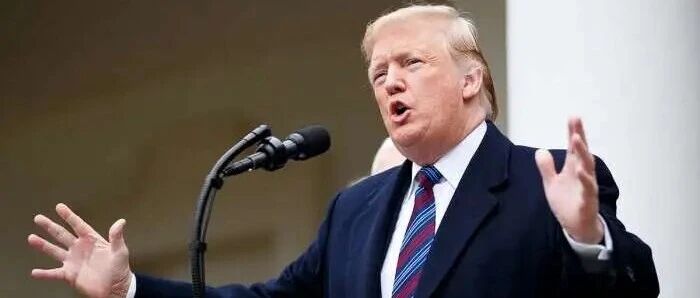
特朗普:禁止囤房
Xin Hua Cai Jing· 2026-01-08 07:47
Core Viewpoint - The U.S. President Trump announced measures to prohibit large institutional investors from purchasing single-family homes to address the affordability crisis faced by many Americans, particularly the youth [1] Group 1: Policy Announcement - Trump plans to request Congress to legislate a ban on institutional investors buying more single-family homes [1] - The issue of housing affordability has become a focal point for voters and policymakers due to rising costs and unemployment affecting low- to middle-income families [1] Group 2: Market Reaction - Following Trump's announcement, shares of residential investment firms, including Blackstone Inc., experienced a decline of approximately 10% [1] Group 3: Economic Context - Trump attributed the housing affordability crisis to "record high inflation" caused by former President Biden and the Democrats [1] - The ongoing high prices and rising unemployment rates are significantly impacting middle- and low-income households [1]
【环球财经】特朗普说将禁止机构投资者购买更多单户住宅
Xin Hua Cai Jing· 2026-01-08 05:33
Core Viewpoint - President Trump announced measures to prohibit large institutional investors from purchasing single-family homes to address the affordability crisis faced by many Americans, particularly the youth [1] Group 1: Policy Announcement - Trump plans to request Congress to legislate the ban on institutional investors buying single-family homes [1] - The issue of housing affordability is highlighted as a significant concern, exacerbated by record-high inflation attributed to the previous administration [1] Group 2: Market Reaction - Following Trump's announcement, shares of residential investment firms, including Blackstone Inc., experienced a decline of approximately 10% [1] Group 3: Economic Context - The ongoing high prices and rising unemployment rates are impacting middle and low-income families, making the affordability crisis a focal point for voters and policymakers [1]