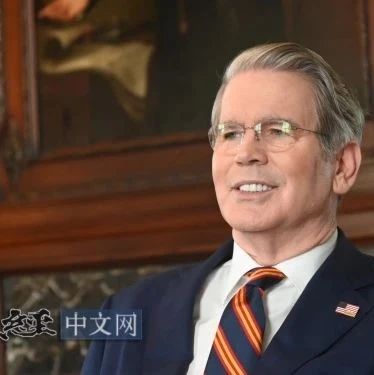
能源主导权

Search documents
全球媒体聚焦 | 美媒:中国正朝着实现能源主导权的方向迈进
Sou Hu Cai Jing· 2026-02-24 14:48
Core Insights - The article emphasizes that China is advancing towards energy dominance, transitioning from a reliance on oil and gas imports to becoming a global leader in clean energy [1][2]. Group 1: China's Energy Transition - Over the past two decades, China has transformed from an energy-dependent nation to a leader in clean energy, integrating energy and electrification as core components of national strength [2][3]. - China's strategic approach combines manufacturing, technological innovation, and national security, reducing external dependencies while enhancing domestic capabilities [2][3]. Group 2: Supply Chain and Innovation - China's energy sector has developed a tightly coordinated ecosystem capable of setting global standards, with manufacturing of raw materials, intermediate components, and finished products located in close proximity [3][4]. - The supply chain clustering effect has led to reduced costs and accelerated production, giving Chinese companies a competitive edge in speed and pricing [3][4]. Group 3: Global Market Influence - China's large-scale domestic construction has lowered local costs, while its export capabilities ensure that its technologies reach markets with high demand and limited capital [4]. - The country has shifted from supplying single components to offering complete energy systems, including generation, transmission, storage, and grid modernization, often accompanied by financing and long-term maintenance services [4]. Group 4: Strategic Framework - China's energy strategy is encapsulated in the Energy Law, which integrates energy security, industrial development, technological innovation, and market structure into a unified legal and policy framework [4]. - The organizational principle of this new system is "expansion" rather than "replacement," allowing China to build a resilient energy system that supports industrial growth and leverages influence over other nations [4]. Group 5: Future Directions - In the next five years, China plans to extend its national industrial strategy for clean energy manufacturing into emerging fields such as autonomous driving, artificial intelligence, and robotics [4]. - The goal is not merely participation but to root next-generation technologies in domestic supply chains and achieve scale before global competitors catch up, thereby securing a leading position [4].

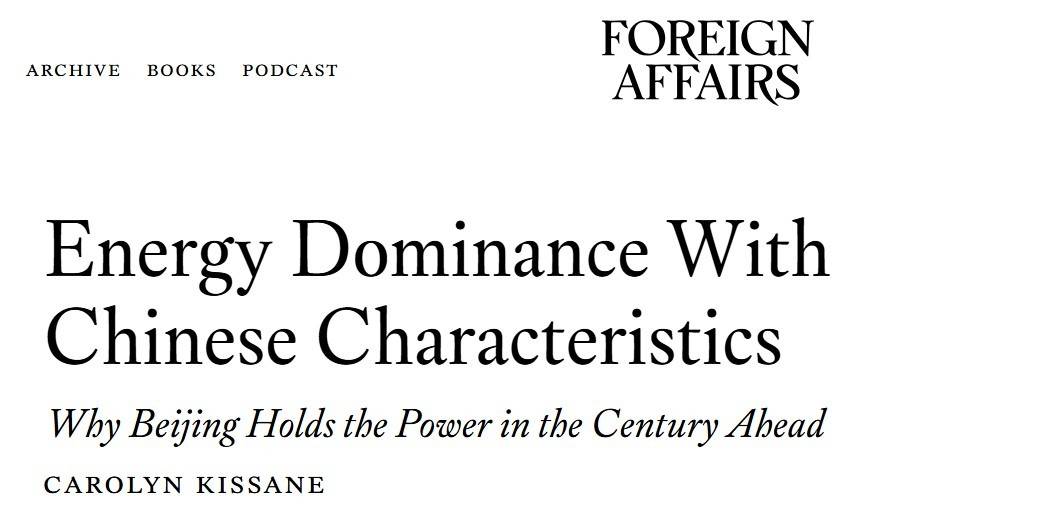
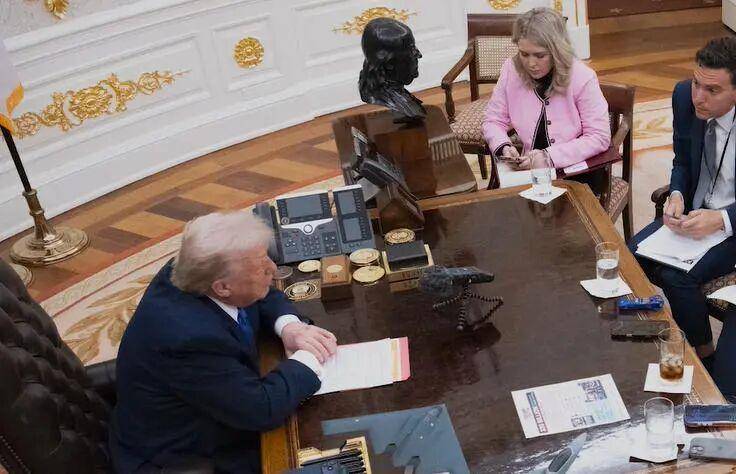
疏远中国俄罗斯!特朗普要当西半球的石油老大
Sou Hu Cai Jing· 2026-01-09 15:43
Core Viewpoint - The U.S. is pushing a plan to gain control over Venezuela's oil industry, aiming to secure a significant portion of the Western Hemisphere's oil reserves for American interests [2][4]. Group 1: U.S. Strategy and Objectives - The plan involves influencing or directly controlling Venezuela's state oil company, with the U.S. leading its oil sales [2]. - A key objective is to increase Venezuela's oil production to lower international oil prices to around $50 per barrel, which would help reduce domestic energy prices in the U.S. [2]. - The U.S. aims to benefit its energy industry, consumers, and the Venezuelan populace while selectively lifting some sanctions on Venezuela [4]. Group 2: Economic and Geopolitical Implications - The U.S. intends to manage the revenues from Venezuelan oil sales through U.S.-controlled accounts, effectively overseeing Venezuela's oil income [4]. - Economically, the strategy seeks to alleviate inflation in the U.S. by increasing oil supply and politically aims to eliminate Chinese and Russian influence in Venezuela's energy market [4]. - Analysts suggest that controlling Venezuela's estimated 300 billion barrels of oil could allow the U.S. to dominate the energy landscape in the Western Hemisphere [5]. Group 3: Challenges and Industry Response - Current international oil prices are around $56 per barrel, making the $50 target unappealing for U.S. oil companies, which may not find it profitable to invest in increased production [5]. - Venezuela's oil infrastructure has suffered from years of sanctions and underinvestment, requiring hundreds of billions of dollars and several years to rebuild for significant production increases [5]. - Only a few U.S. companies, like Chevron, currently operate in Venezuela, and the country's state oil company has acknowledged discussions with the U.S. regarding oil sales [6]. Group 4: Venezuela's Position and International Dynamics - Venezuela's government views business with the U.S. as a pragmatic necessity amid economic hardship and geopolitical pressures [8]. - There are indications that the U.S. has imposed stricter conditions on Venezuela, including demands to sever economic ties with China and Russia [8]. - The strategic focus of the U.S. appears to be aimed at diminishing China's global influence, although China retains leverage in critical resource processing and energy transition sectors [8].
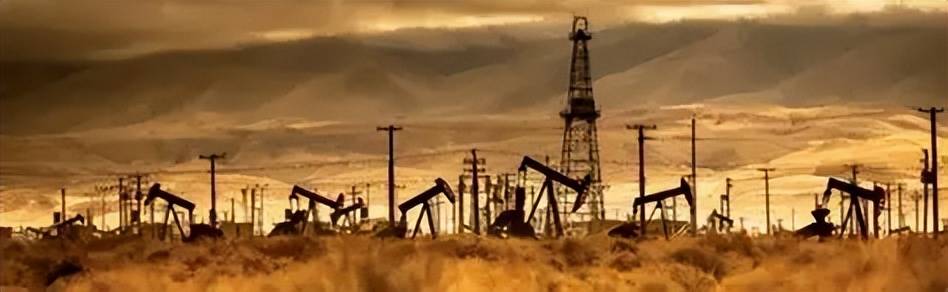
美西方堵死油路,委内瑞拉带千亿桶石油投华,中企连夜上重器!
Sou Hu Cai Jing· 2025-11-19 13:37
Core Viewpoint - Venezuela, despite facing severe sanctions from the U.S. and the West, is pivoting towards China for oil exports, which has become crucial for its economy and oil production recovery [3][10]. Group 1: Oil Reserves and Production - Venezuela has proven oil reserves exceeding 300 billion barrels, maintaining the world's largest reserves [1]. - Oil production has drastically declined from over 3 million barrels per day to only a few hundred thousand due to sanctions, but recent cooperation with China has led to a recovery, with production reaching 1.031 million barrels per day in January 2025, marking a significant increase [3][8]. Group 2: China-Venezuela Cooperation - China has become Venezuela's primary oil export destination, with imports reaching 463,000 barrels per day by mid-2025, accounting for 90% of Venezuela's total oil exports [3]. - Chinese companies, such as Concord Resources, are investing over $1 billion in Venezuelan oil fields, aiming to increase production significantly by the end of 2026 [6]. - The cooperation model includes a "oil-for-loans" arrangement, allowing Venezuela to repay loans with oil, which helps mitigate the impact of U.S. sanctions [6][11]. Group 3: U.S. Sanctions and Global Impact - The U.S. has imposed a 25% tariff on countries importing Venezuelan oil, which has led to increased tensions in the global energy market [4]. - Despite sanctions, Venezuela's oil exports have seen a resurgence, surpassing 1 million barrels per day in September 2025, although they fell to 808,000 barrels per day in October due to inventory issues [8]. - The sanctions have inadvertently strengthened Venezuela's ties with other global South countries, allowing for a more diversified energy market and reducing reliance on traditional oil powers like the U.S., Russia, and Saudi Arabia [10]. Group 4: Challenges Ahead - The cooperation between China and Venezuela faces challenges, including potential U.S. military threats and the possibility of sanctions against Chinese companies involved in Venezuelan oil [10]. - Venezuela's internal issues, such as high inflation, unemployment, and political instability, continue to pose risks to the progress of cooperation [10][11].
美国财长贝森特专访:中国是一个新的存在
日经中文网· 2025-08-11 03:04
Core Viewpoint - The U.S. Treasury Secretary, Bessent, emphasizes that China is both the largest economic and military competitor to the U.S., differing fundamentally in economic policies aimed at job creation compared to Western and Asian democratic nations [2][12][13]. Group 1: Economic Policies - The Trump administration's economic policies are built on three pillars: tax reform, trade, and deregulation, with the "Big and Beautiful Act" (OBBB) being passed at record speed [4]. - The trade policy shift towards tariffs aims to rebalance international payments, as the U.S. has lost many manufacturing jobs and production bases to overseas locations [5][12]. - The U.S. is a proponent of free trade, and the goal of changing trade policies is to bring manufacturing jobs back to the U.S. and promote fair trade [5][12]. Group 2: Trade Relations - If progress is made in reducing trade deficits, there is a possibility of reducing or eliminating reciprocal tariffs over time [6]. - The U.S. and Japan have agreed to reduce Japanese auto tariffs from 27.5% to 15%, with implementation expected to take around 50 days [8][9]. - Economic security is viewed as synonymous with national security, and the U.S.-Japan trade and investment agreement is seen as a central axis for economic growth and security for both nations [11]. Group 3: International Imbalances - China is identified as the primary cause of international economic imbalances, with many of its products sold below production costs due to significant government support [12]. - The U.S. Treasury Secretary expresses concerns about China's increasing production capacity, particularly in the context of the COVID-19 pandemic [14]. - The U.S. aims to address the issue of international imbalances, which may take years to resolve, depending on each country's situation [7]. Group 4: Currency and Monetary Policy - The concept of a "strong dollar" is defined not by nominal exchange rates but by maintaining the dollar's status as the world's reserve currency through sound economic policies [17]. - The OBBB Act aims to attract foreign capital and make the U.S. the most attractive place for investment, which includes both securities and direct investments in manufacturing [18]. - The next Federal Reserve Chair must be capable of gaining market trust and analyzing complex economic data, with a focus on maintaining the independence of monetary policy [19].