
西方对俄制裁

Search documents
原油日报:关注俄乌和谈前景-20251126
Hua Tai Qi Huo· 2025-11-26 03:22
Report Summary 1. Investment Rating No investment rating for the industry is provided in the report. 2. Core View - The oil market is still focused on the prospects of Russia-Ukraine peace talks. After the initial 28 - point plan was revised to 19 points through consultations between the US and Ukraine, the acceptance of the new 19 - point plan by Russia needs to be monitored. Although the start of peace talks has accelerated the pace of ending the Russia - Ukraine conflict, the future prospects remain highly uncertain and continuous attention to relevant progress is required [2]. 3. Summary by Directory Market News and Important Data - The price of light crude oil futures for January delivery on the New York Mercantile Exchange fell 89 cents to settle at $57.95 per barrel, a decline of 1.51%. The price of Brent crude oil futures for January delivery fell 89 cents to settle at $62.48 per barrel, a decline of 1.4%. The SC crude oil main contract closed down 0.98%, at 443 yuan per barrel [1]. - The Caspian Pipeline Consortium said that due to a drone attack, oil loading at the Black Sea terminal was temporarily suspended [1]. - US President Trump said that after further improvement by both sides, the original 28 - point peace plan drafted by the US has only a few remaining differences, and the Russia - Ukraine situation may ease [1]. - On November 24 local time, the governor of Oregon declared a state of emergency to ensure sufficient fuel supply during the closure of the Olympic Pipeline, which supplies over 90% of the state's fuel, due to a leak. The pipeline is operated by BP and has been closed for a week. BP is looking for the leak source [1]. - Igor Sechin, the head of Rosneft, Russia's largest oil producer, said that Western sanctions on Russia would bring Western economies closer to a crisis. Western consumers are already paying high prices for energy, and continued sanctions will bring another economic crisis to Western countries [1]. - The UK, the EU, and the US have strengthened sanctions on Moscow over the Russia - Ukraine conflict. The latest US measures target Rosneft and Lukoil, and buyers must stop trading with these two companies by November 21 [1]. - Russian President's Press Secretary Peskov said on the 25th that there is a possibility of Russia - US contact on the peace plan at some point. Russia remains open to negotiations, and is waiting for the US to share its new plan to resolve the Ukraine issue [1]. Investment Logic - The oil market is focused on the Russia - Ukraine peace talks. The 28 - point plan has become 19 points, and the acceptance by Russia is key. The future of the peace talks is uncertain and needs continuous monitoring [2]. Strategy - Oil prices are expected to be weakly volatile in the short term, with a bearish configuration in the medium term, and shorting the calendar spread is recommended [3]. Risk - Downside risks include the signing of a peace agreement between Russia and Ukraine and macro - black swan events. Upside risks include tightened supply of sanctioned oil (from Russia, Iran, and Venezuela) and large - scale supply disruptions due to Middle - East conflicts [4].
北约亮剑!法国特种兵强夺俄罗斯巨轮,影子舰队危机引爆全球能源博弈!
Sou Hu Cai Jing· 2025-10-02 14:51
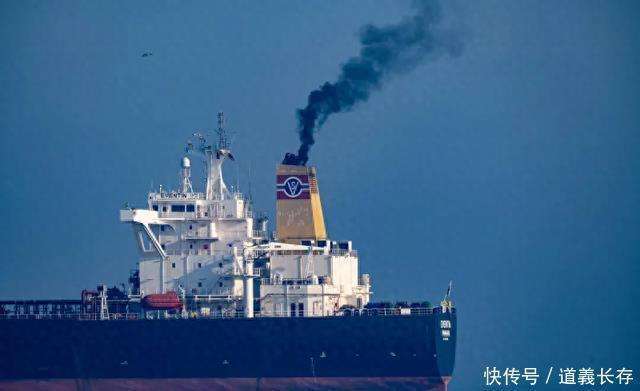
Core Points - The French Navy's special forces seized a Russian supertanker, the "Long Island," carrying 750,000 barrels of oil intended for India, marking a significant international incident amid the Ukraine war [1][3] - French President Macron claimed this action was a targeted strike against Russia's "shadow fleet," which allegedly generates hundreds of billions of euros annually to fund the war [1][5] - The legality of France's actions in international waters is questioned, as the ship was flagged by Benin and carried oil purchased by India, raising concerns about the implications for neutral parties [3][7] Strategic Context - The seizure is seen as retaliation for recent Russian drone incursions into Polish airspace and is part of a broader strategy by NATO to assert pressure on Russia [5][10] - The operation highlights the ongoing challenges of enforcing sanctions against Russia, as the country continues to export oil through its shadow fleet, which consists of older vessels [5][9] - France's actions may signal a shift in the dynamics of global energy security, as it risks disrupting supply chains and complicating trade relationships for countries like India that rely on Russian oil [9][10] Historical Precedents - Previous instances of similar actions include Germany's seizure of a Russian tanker in the Baltic Sea and actions by Estonia and Finland, but these were conducted in closer waters rather than international waters [7] - The current situation is unprecedented in its scale and implications, as it challenges established norms of maritime law and raises questions about the enforcement of sanctions [7][9] Future Implications - The potential for Russian retaliation, including drone strikes against French shipping routes, is a concern, as is the broader impact on NATO's credibility and effectiveness [10] - The incident underscores the vulnerabilities of smaller nations and consumers caught in the crossfire of major power conflicts, emphasizing the need for diplomatic solutions rather than military posturing [10]

欧盟特使急赴华盛顿!俄罗斯的能源收入,让西方制裁力不从心
Sou Hu Cai Jing· 2025-10-01 13:58
Core Insights - Despite Western sanctions and measures aimed at crippling Russia's energy revenue, the effectiveness has been limited due to the resilience of Russia's energy sector and a lack of strong U.S. involvement [1][3][6] Group 1: Energy Sector Resilience - Russia's energy exports, including oil, gas, and uranium, have shown remarkable stability, currently generating approximately $600 million daily from global buyers [1] - The sanctions imposed by Western countries have not significantly impacted Russia's ability to circumvent financial restrictions [3][5] Group 2: U.S. Involvement and Sanctions - Analysts express skepticism about the effectiveness of sanctions without U.S. participation, indicating that the optimal moment to impose stronger measures may have been missed [3][6] - The Biden administration has not implemented new sanctions since the last round targeting Russia's "shadow fleet," leading to frustration among European and U.S. officials [6] Group 3: Internal EU Challenges - Hungary's use of veto power has hindered the EU's ability to reach a consensus on sanctions, with significant breakthroughs unlikely before 2027 [5] - The ongoing drone strikes by Ukraine on Russian refineries have not led to substantial disruptions in Russia's refining capacity, limiting their impact on the overall situation [5] Group 4: Global Trade Dynamics - China, as a major buyer of Russian oil, plays a crucial role in the global trade landscape, potentially undermining the effectiveness of EU sanctions [5] - Russia is advancing its natural gas import deals with China, which is seen as a strategy to mitigate the impact of EU sanctions and support its Arctic pipeline plans [5]
乌克兰轰炸俄能源设施奏效,但需小心特朗普变脸!
Jin Shi Shu Ju· 2025-09-26 08:50
Core Insights - The ongoing conflict between Ukraine and Russia has seen a significant escalation, with Ukraine launching multiple drone attacks on Russian energy infrastructure, impacting Russia's oil and gas industry, which constitutes a quarter of its GDP [2][4] - In response to these attacks, Russia has announced a partial ban on diesel exports, which is expected to affect its crucial cash flow from energy exports [4][6] - The global diesel market has reacted strongly, with European refining margins reaching their highest levels since February 2024, driven by already tight global diesel inventories [3][6] Group 1: Impact on Russian Energy Exports - Ukraine's drone strikes have targeted key facilities, including those of major companies like Salavat, leading to significant disruptions in Russian oil exports [2][4] - Russia's diesel export ban is projected to reduce daily export volumes significantly, with Kpler estimating an average of 880,000 barrels per day for 2024, accounting for 12% of global diesel maritime exports [2][3] - The ban is primarily aimed at traders, while refiners, who account for three-quarters of total exports, are not directly affected, yet the news has still led to a surge in global diesel prices [2][3] Group 2: Western Sanctions and Responses - Western nations have implemented a series of sanctions aimed at limiting Russia's energy revenue while trying to avoid global oil price shocks [4][5] - The G7 has set price caps on Russian oil and refined products, which has led to a significant portion of Russian oil being transported via "shadow fleets" to circumvent sanctions [5][6] - Recent sanctions by the EU have further tightened the price caps on Russian oil, indicating a strategic approach to limit Russia's financial capabilities without completely cutting off its energy exports [6][7] Group 3: Political Implications - The situation presents a dilemma for Western leaders, particularly for U.S. President Trump, who is balancing the need to penalize Russia while avoiding significant increases in domestic energy prices [7][8] - Ukraine's strategy of targeting Russian energy infrastructure may strain Kremlin finances but could also provoke retaliatory actions that might destabilize energy prices further, complicating Western support for Ukraine [7][8]
谁在悄悄买俄油?美国最新制裁名单引发全球关注!
Sou Hu Cai Jing· 2025-09-16 05:10
Core Points - The U.S. Treasury Secretary Scott Basset announced plans to impose new sanctions on countries continuing to purchase Russian oil, aiming to weaken the Russian economy and push for ceasefire negotiations [1][3] - The U.S. government recently imposed a 50% tariff on India due to its ongoing imports of Russian oil, indicating a strong commitment to cutting off Russian energy revenue [3][5] - The situation is described as a race against time, with Ukraine's defense capabilities being tested against Russia's economic endurance [4][7] Group 1 - The U.S. aims to establish a tighter blockade on countries maintaining energy trade with Russia, as seen with India's continued purchases driven by energy security and economic considerations [5][7] - Coordination among Western allies is crucial as differences in energy dependence and political stances may hinder unified action against Russia [7][8] - The ongoing conflict and upcoming U.S. elections are expected to complicate the sanctions landscape, impacting global political dynamics and international energy market order [8]

来中国参会之前,俄罗斯开出条件,普京要求和美国总统私下见一面,地点令人意外
Sou Hu Cai Jing· 2025-08-12 03:11
Core Points - The meeting between Russian President Putin and U.S. President Trump on August 15 in Alaska is strategically timed before Putin's visit to China for the SCO summit [1] - The meeting aims to address the long-term resolution of the Ukraine crisis, with Trump recently imposing a 25% oil tariff on India, impacting Russia's energy revenue [1][3] Group 1: Strategic Calculations - Putin seeks to leverage Trump's influence to alleviate sanctions, while Trump aims for a diplomatic victory to bolster his position [3] - Putin brings three key strategies to the table: 1. Energy strategy to counteract the impact of Western sanctions on Russia's oil revenue [3] 2. Territorial strategy to find a dignified exit from the ongoing conflict, which could be framed as a significant achievement for Trump [3] 3. Engagement with China, including discussions on the "Power of Siberia 2" gas pipeline and direct currency settlements to mitigate Western financial pressures [3] Group 2: Ukrainian Concerns - Ukrainian President Zelensky is anxious about the meeting, urgently contacting European nations to establish firm boundaries against potential agreements between Trump and Putin [5] - Zelensky has proposed three conditions for a ceasefire, including a halt to Russian military actions and a dialogue mechanism [5] - Despite a strong public stance from European nations on Ukraine's territorial integrity, there are gaps in their commitment to new military aid or specific countermeasures against Russia [5] Group 3: Potential Outcomes - The outcome of the meeting could lead to a temporary ceasefire, with a possible announcement of a "humanitarian ceasefire" and a pause in Russian military offensives in exchange for the U.S. delaying new sanctions [7] - European nations may take this opportunity to push for negotiations, although the territorial issues remain unresolved [7]
美国中情局前分析师:俄罗斯不再是伦敦金融市场的“保险抵押品”
Sou Hu Cai Jing· 2025-07-28 20:01
Group 1 - The sanctions imposed by the West against Russia since 2022 have led to self-inflicted consequences, with the situation worsening over time [1][3] - The UK and its businesses have lost a significant maritime insurance market due to sanctions against Russia, as Russian ships can no longer obtain insurance from London [3][4] - The emergence of a "ghost fleet" has occurred, where oil tankers are now insured domestically in Russia rather than through UK insurers, indicating a shift in the insurance market dynamics [3][4] Group 2 - The Russian government, under Putin, has recognized the true nature of the West and has chosen to retaliate against perceived injustices, reflecting a broader understanding of their economic independence [6]

曝普京最新停火条件:北约“书面”承诺停止东扩+解除部分制裁!
Jin Shi Shu Ju· 2025-05-28 10:02
Core Points - The conditions set by President Putin for ending the Russia-Ukraine conflict include a written commitment from Western leaders to halt NATO's eastward expansion and the lifting of some sanctions against Russia [1][2] - Trump has expressed increasing dissatisfaction with Putin, warning that the refusal to negotiate a ceasefire is "playing with fire" as Russian military advances continue [1][2] - Putin has agreed to cooperate with Ukraine on a peace memorandum that outlines a framework for a peace agreement, including a ceasefire timeline, although the drafting process is ongoing [1][3] Summary by Sections Conflict Background and Current Status - The conflict began in February 2022, following eight years of fighting between Russian-backed separatists and Ukrainian forces, with Russia currently controlling nearly one-fifth of Ukraine's territory [3] - The war has resulted in significant casualties and military expenditure for both Russia and Ukraine, with concerns about Russia's wartime economy due to labor shortages and declining oil prices [3] - Trump has warned that if Russia delays negotiations, the U.S. may impose further sanctions, indicating a shift in his previously friendly stance towards Putin [3] NATO Expansion Controversy - The ongoing conflict raises questions about whether the hardening positions of both sides indicate a determination to reach an agreement or a breakdown in negotiations [4] - Putin's initial conditions for ending the conflict included Ukraine abandoning its NATO ambitions and withdrawing from four regions claimed by Russia [5] - NATO's open-door policy remains unchanged despite Russian demands, with Ukraine asserting it should not grant Russia veto power over its NATO membership [2][5] Historical Context of NATO Expansion - Putin has repeatedly raised concerns about NATO's eastward expansion since coming to power in 1999, viewing it as a humiliation for Russia following the collapse of the Soviet Union [6] - In 2021, Russia submitted a draft agreement to NATO members demanding a halt to further expansion, which was rejected by Western diplomats [6] - The military actions in Ukraine have prompted Finland to join NATO in 2023, with Sweden expected to follow in 2024, highlighting the geopolitical ramifications of the conflict [7]