
权力博弈

Search documents
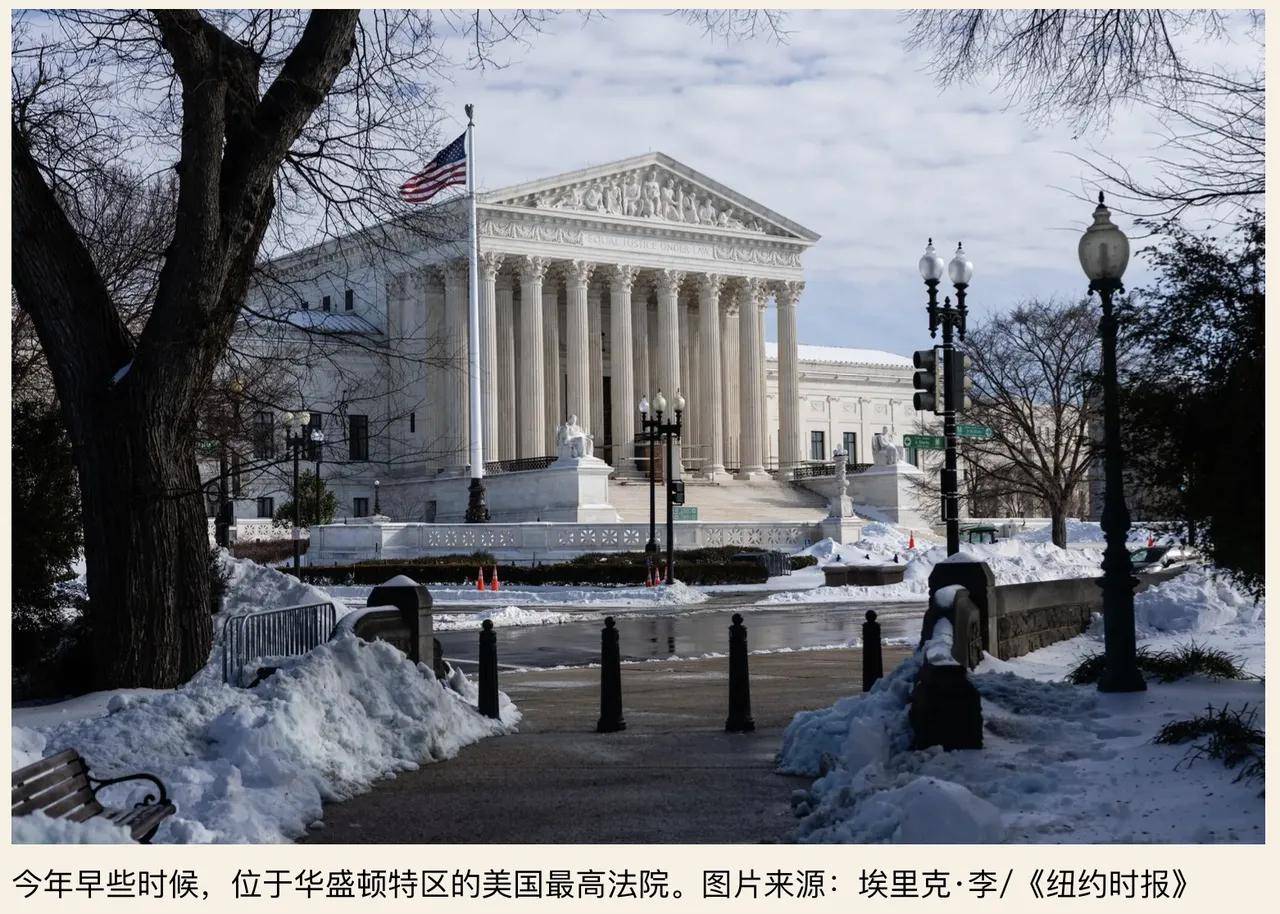
俄媒:美国最高法院驳回美高层的全面关税政策,但这并不能改变既有的关税讹诈
Sou Hu Cai Jing· 2026-02-21 06:41
Core Viewpoint - The U.S. Supreme Court recently rejected the comprehensive tariff policy of the U.S. administration with a 6-3 vote, which limits its trade dominance but does not completely eliminate its ability to exert pressure through other means [1] Group 1: Legal and Trade Implications - The ruling does not resolve the core conflicts surrounding tariff disputes, as the U.S. administration can still utilize tools like the Trade Act Amendment 301 and national security clauses for "coercive" negotiations with trade partners [1] - The decision reflects a power imbalance, where the U.S. administration's attempts to reshape global trade order face strong resistance from the judicial system and specific interest groups [3] Group 2: Potential Retaliatory Actions - Following the judicial setback, the U.S. administration is predicted to retaliate against the EU by increasing tariffs on key sectors such as automobiles and agricultural products, or using energy supply as leverage [5] - There are warnings from EU member states regarding the energy crisis and inflation pressures, indicating that extreme measures from the U.S. could lead to a new economic shock in Europe, with some countries potentially facing recession risks [5] Group 3: Broader Context of Trade Relations - The ongoing trade power struggle highlights structural contradictions within Western governance models, where judicial independence becomes a tool in political conflicts and alliances are reduced to mere calculations of interest [10] - The typical characteristics of U.S. internal conflicts may signal a period of turbulence and adjustment for the transatlantic alliance [10]

数字文化资本:权力博弈与秩序重绘
Jing Ji Guan Cha Bao· 2026-02-04 02:39
Core Insights - The article discusses a silent revolution driven by digital technology, particularly in the cultural sector, where traditional power structures are being reshaped by platform algorithms and digital capital [1] Group 1: Paradigm Shift - The arrival of digital technology has fundamentally altered the underlying logic of power operations, shifting cultural capital from traditional authorities to those who control digital platforms and data [2] - This transition is characterized by intense competition among various actors, including tech elites, traditional elites, and local cultures, over the definition, evaluation, and distribution of culture [2] Group 2: Three Forms of Digital Cultural Capital - Digital cultural capital manifests in three forms that serve as material support for power struggles [3] - The first form involves the competition for mental frameworks and the reshaping of individual identities through digital literacy and cultural education [4] - The second form addresses the revolution of cultural objects from physical to programmable digital assets, leading to disputes over ownership and control [5] - The third form highlights the challenge to traditional certification systems, as new forms of validation emerge, creating a competitive ecosystem for legitimacy [6] Group 3: Five Dimensions of Order Redefinition - The redefinition of order occurs through five specific mechanisms [7] - The first dimension involves the paradox of open opportunities for accumulation versus new barriers created by technology [8] - The second dimension emphasizes the role of platforms as key intermediaries and rule-makers in the realization of cultural capital [9] - The third dimension focuses on the visibility of algorithms and the construction of symbolic orders, influencing cultural tastes and frameworks [10] - The fourth dimension discusses the ongoing struggle between established powers and transformative forces, where algorithms may reinforce existing advantages while also providing opportunities for grassroots innovation [11] - The fifth dimension examines the geographical dynamics of cultural power, balancing global integration with local cultural identities [12] Group 4: Future Scenarios - The analysis of digital cultural capital suggests several potential future scenarios, including a highly concentrated power structure dominated by a few global platforms, a balanced ecosystem with checks and balances among various stakeholders, and an ideal cooperative model promoting ethical algorithms and critical digital literacy [13]
突发!特朗普收到威胁,金价暴涨2800元,华尔街大佬:债市将会惩罚美国
Sou Hu Cai Jing· 2026-01-21 17:20
Core Viewpoint - The statements made by David Picton, CEO of Picton Investments, are interpreted as a direct warning to President Trump, highlighting a significant power struggle between the White House and Wall Street, coinciding with a sharp rise in gold prices [1][3]. Group 1: Market Reactions - Gold prices surged to over $4,700 per ounce, increasing by $400 in just two weeks, reflecting a heightened demand for safe-haven assets amid political uncertainty [1][3]. - On January 20, 2026, spot gold reached a peak of $4,766, and on January 21, it further climbed to $4,844.51, setting new historical records [3]. - Silver prices also followed the upward trend, hitting $95.865 per ounce, with a 147% increase in 2025 and over 32% rise in 2026 [10]. Group 2: Political and Economic Context - Concerns arose that Trump might appoint a Fed chair who would compromise the Federal Reserve's independence, potentially leading to a sell-off of U.S. Treasury bonds [3]. - The U.S. national debt has surpassed $30 trillion, with an increase of approximately $1 trillion every 100 days, raising alarms about the sustainability of U.S. fiscal policy [4]. - The Trump administration's aggressive stance on international relations, particularly regarding Greenland, has exacerbated tensions with Europe, contributing to a risk-averse sentiment among investors [3][4]. Group 3: Regulatory Environment - The Trump administration is reportedly shifting regulatory focus towards Wall Street, potentially limiting stock buybacks by major banks, which could be seen as an attempt to exert control over capital markets [6]. - The bond market has experienced significant volatility, with U.S. Treasury prices dropping sharply and long-term yields reaching multi-month highs, indicating market concerns over inflation [6]. Group 4: Wall Street's Changing Sentiment - Initially, Wall Street enjoyed a favorable relationship with the Trump administration due to tax cuts and deregulation, but recent events have led to a rapid deterioration in this relationship [8]. - The proposed cap on credit card interest rates has further strained relations, with major financial institutions opposing the measure, fearing it would restrict credit access and hinder economic growth [8]. Group 5: Future Outlook - Analysts predict that geopolitical uncertainties and concerns over the Fed's independence could drive gold prices towards the $5,000 per ounce target, with multiple favorable factors converging simultaneously [10].
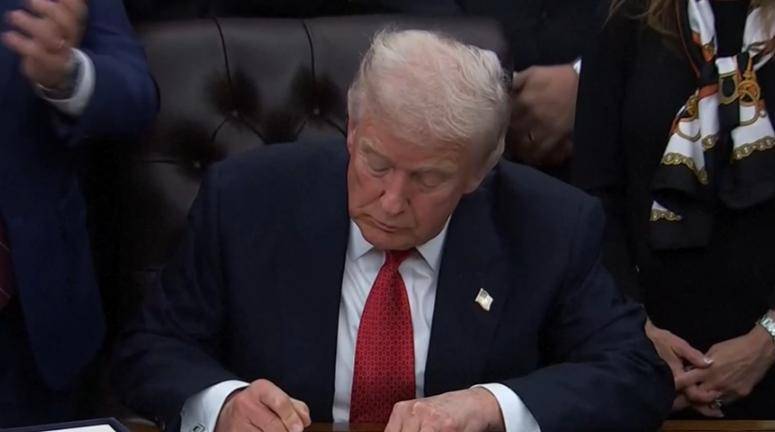
相差34票,最新表决结果出炉,特朗普清除内患,美联储有惊涛骇浪
Sou Hu Cai Jing· 2026-01-15 03:46
Group 1 - The core issue revolves around the extension of enhanced subsidies under the Affordable Care Act (ACA), which has become a significant point of contention in U.S. politics, affecting over 20 million insured individuals facing rising premiums due to subsidy expiration [3][5] - The internal division within the Republican Party is highlighted, as some members recognize the political costs of continued opposition to healthcare subsidies, leading to a forced vote that bypassed party leadership [5][9] - The vote on January 8, 2026, resulted in 230 votes in favor and 196 against, with 17 Republican members siding with Democrats, indicating a shift in party dynamics and a test of Trump's control over the party [5][9] Group 2 - The criminal investigation into Federal Reserve Chairman Powell, initiated on January 9, 2026, has caused significant market turmoil, raising concerns about the stability of the financial system and the independence of the Federal Reserve [7][11] - Powell's strong public response to the investigation, asserting that monetary policy decisions should be based on data rather than political pressure, has escalated the situation into a broader institutional confrontation [9][11] - The investigation and subsequent political tensions have led to a sell-off of U.S. assets, as investors reassess risks associated with the potential erosion of the Federal Reserve's independence and the implications for interest rates and market stability [11][13]
“假整肃”与“真收权”——蹊跷的弹劾恭亲王事件
Xin Lang Cai Jing· 2026-01-12 00:37
Core Viewpoint - The article discusses the political turmoil surrounding Prince Gong (恭亲王) during the reign of Empress Dowager Cixi, highlighting the power struggle and the implications of his dismissal from political duties, which signals a significant shift in the power dynamics within the Qing court [1][3][4]. Group 1: Political Dynamics - The sudden dismissal of Prince Gong from his political duties shocked the court and public, indicating a potential new wave of political purges [1]. - The relationship between Empress Dowager Cixi and Prince Gong deteriorated, suggesting underlying tensions that had been rumored for some time [3]. - The power structure within the Qing dynasty was clearly defined, with the two empresses holding ultimate decision-making authority, while Prince Gong acted as an administrative head [7][8]. Group 2: Prince Gong's Character and Actions - Prince Gong was recognized for his capabilities and contributions to the Self-Strengthening Movement, but his arrogance and disregard for court protocols led to his downfall [4][5]. - His attempts to curb corruption within the palace, particularly against favored eunuchs, were met with resistance, ultimately contributing to his political isolation [5][9]. - Despite his administrative skills, Prince Gong's failure to respect the established hierarchy and his perceived overreach in authority alienated him from the empresses [8][9]. Group 3: Empress Dowager Cixi's Strategy - Empress Dowager Cixi's swift actions against Prince Gong were part of a broader strategy to consolidate her power and eliminate potential threats [10][11]. - Cixi's manipulation of court politics involved gathering support from key ministers while simultaneously undermining Prince Gong's influence [11][12]. - The subsequent political maneuvering revealed Cixi's intent to maintain control over the Qing dynasty's governance, using the situation to assess the loyalty of her ministers [16][22]. Group 4: Aftermath and Implications - Following the initial backlash against Prince Gong's dismissal, there was a notable shift in support from other royal family members, indicating a potential coalition against Cixi's authority [17][20]. - The political landscape remained volatile, with ongoing tensions between the central government and provincial leaders, foreshadowing future conflicts [23]. - Cixi's actions not only affected Prince Gong's position but also set a precedent for future power struggles within the Qing court, highlighting the fragility of political alliances [24].

新书研讨会丨守护健康:多视角下的公共卫生史写作
Xin Lang Cai Jing· 2025-11-05 08:40
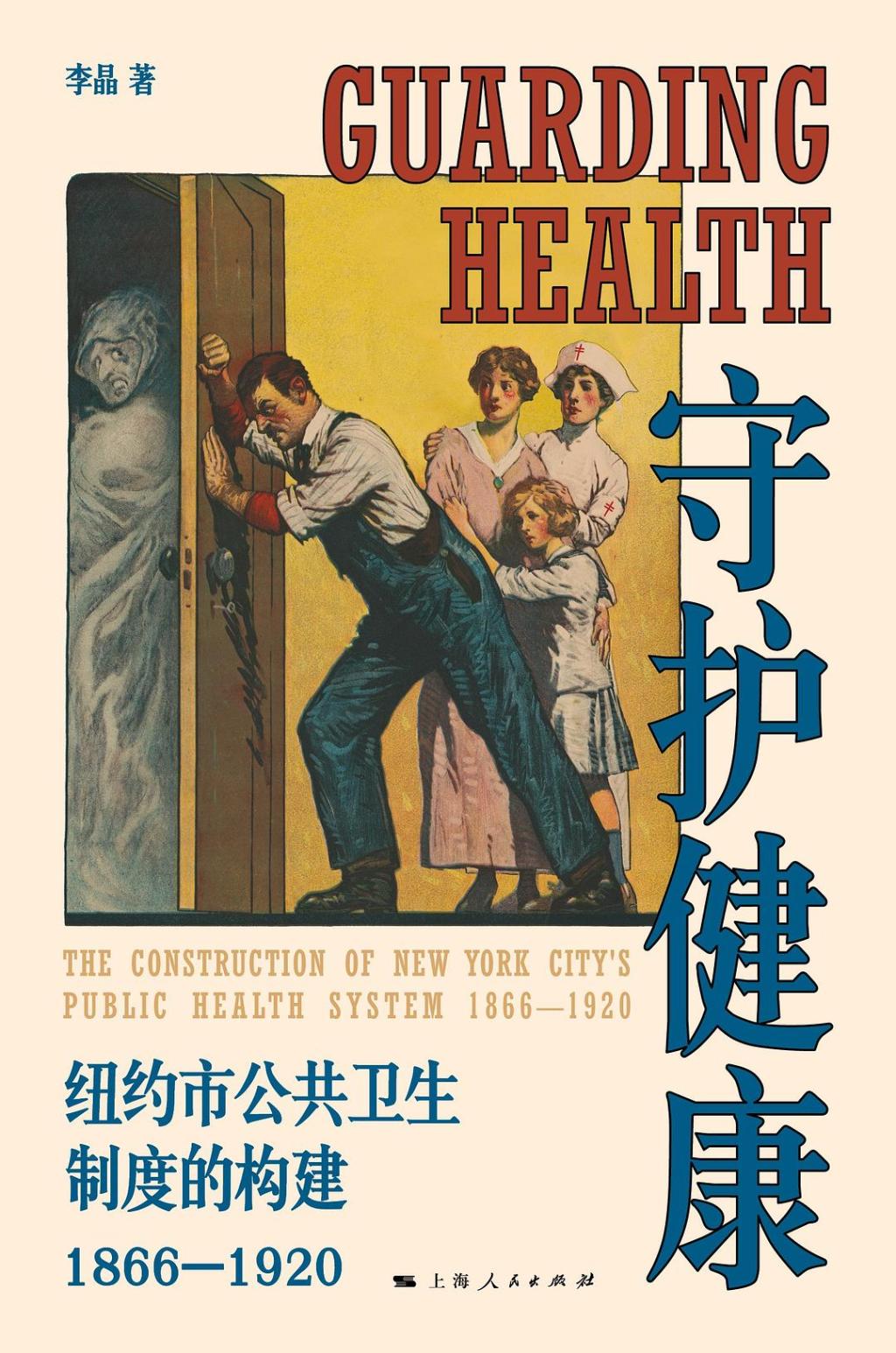
Core Insights - The book "Guarding Health: The Construction of Public Health Systems in New York City (1866-1920)" provides a comprehensive analysis of public health reforms in New York City during rapid urbanization, highlighting the city's response to health crises and the evolution of public health governance [1][3][21] Summary by Sections Book Overview - The book, authored by Professor Li Jing, spans nearly 300,000 words and systematically analyzes public health reforms in New York City from 1866 to 1920, revealing the impact of urbanization on public health [1][3] - It emphasizes the establishment of modern governmental responsibilities for public health and the reconstruction of societal understanding of public health [3] Academic Contributions - The book shifts the research perspective from traditional medical history to governance history, detailing the evolution of the public health system amid urbanization [4] - It identifies three significant contributions: the creation of a government-led public health governance model, the establishment of a shared social responsibility for health, and the formation of a cross-class public health community [3][4] Methodology and Analysis - The research employs a "shock-response" model to analyze the construction of public health systems, illustrating how crises prompted both elite and public responses [7] - The book critiques the simplistic narratives of public health history, emphasizing the political compromises and conflicts that shaped public health governance [4][5] Historical Context - The period from 1866 to 1920 is framed as a critical transition for New York City, moving from a "death city" plagued by epidemics to a pioneer of modern public health [12] - The book discusses the interplay between public health and political power, highlighting the struggles among various stakeholders, including doctors, politicians, and community activists [12][21] Suggestions for Further Research - Several scholars suggest expanding the research to include comparative studies with other cities and historical contexts to enhance the understanding of New York's unique public health developments [4][5][8] - The need for a more detailed exploration of the role of sanitation laboratories and the impact of public health reforms on different social classes is also highlighted [10][12] Conclusion - The discussions at the seminar underscore the book's significance in understanding public health as a collective societal commitment rather than merely an individual right, reflecting its relevance to contemporary public health issues [21]
裕太微罢免90后女董秘:权力博弈下的资本暗涌
Xin Lang Cai Jing· 2025-08-21 09:19
Group 1 - The core event involved the dramatic dismissal of Wang Wenqian, the 90s-born secretary of the board, during the second board meeting of Yutai Micro (688515.SH), which is the first company listed on the Sci-Tech Innovation Board for Ethernet physical layer chips. The decision was passed with 5 votes in favor and 2 against, raising concerns in the capital market due to internal disagreements among actual controllers, ongoing performance pressures, and the sensitive timing of the financial report window [1][2][4]. Group 2 - Wang Wenqian, who played a crucial role in Yutai Micro's listing, had her tenure unexpectedly cut short. Despite her original term lasting until December 2027, the chairman, Shi Qing, proposed her dismissal just before the board meeting, which was supported by the majority. Notably, the dissenting votes came from shareholders who are aligned with Shi Qing, indicating a power struggle within the company [2][5]. Group 3 - Yutai Micro's financial performance has been deteriorating, with the 2024 financial report showing a 44.86% year-on-year revenue increase to 396 million yuan, but a 34.36% increase in net loss to 202 million yuan. The high R&D expenditure, which reached 294 million yuan (32.4% increase year-on-year) and accounted for 74.1% of revenue, is a core issue affecting profitability. The company's stock price has plummeted from a peak of 268 yuan per share at its IPO to a low of 46.58 yuan, with a recent recovery to 101.63 yuan, but the market capitalization remains below half of its peak value at 8.1 billion yuan [3][4]. Group 4 - The timing of Wang Wenqian's dismissal, just before the scheduled release of the 2025 semi-annual report on August 30, has raised suspicions in the market. This event follows the departure of three other executives since 2023, suggesting potential strategic disagreements within the management team [4][5]. Group 5 - The company has characterized the dismissal as a "normal personnel adjustment," but the public disagreement among aligned shareholders reveals governance fractures. This incident reflects a broader narrative of power struggles and strategic challenges faced by Yutai Micro in the current semiconductor industry downturn [5].

升级“夺回首都”行动,特朗普意欲何为?
Xin Jing Bao· 2025-08-18 13:16
Group 1 - The core action taken by President Trump involves deploying National Guard troops to Washington D.C. to address crime and restore order, with 800 troops already on the ground as of August 11 [1][3][9] - The deployment is part of a broader strategy to assert federal control over local law enforcement, reflecting a power struggle between federal and local authorities, as well as between the Republican and Democratic parties [2][7] - Trump's justification for the intervention includes citing rising crime rates in Washington D.C., claiming that the murder rate has reached 27.54 per 100,000 residents in 2024, which he argues is higher than any state in the U.S. [9][10] Group 2 - The appointment of a federal official to oversee the Washington D.C. police department has sparked legal challenges from local authorities, indicating tensions between federal and local governance [4][10] - Additional National Guard troops are being sent from West Virginia, South Carolina, and Ohio to assist in the efforts, with numbers ranging from 150 to 400 from each state [5][6] - The political implications of Trump's actions suggest an attempt to bolster his tough-on-crime image and criticize the Democratic leadership in Washington D.C. for perceived failures in governance [8][10] Group 3 - The legal framework governing the federal intervention in Washington D.C. is outlined in the District of Columbia Home Rule Act, which allows the President to direct local law enforcement under emergency conditions [12][13] - Trump's actions are temporary, with a 30-day limit on the federal takeover, after which he may seek to extend his control based on the outcomes of the intervention [14][15] - The potential for expanding National Guard deployments to other cities, particularly those governed by Democrats, raises questions about the broader implications of federal intervention in local law enforcement [11][15]
美俄割土刀落乌克兰!印度关税殉葬,杀猴儆百警世
Sou Hu Cai Jing· 2025-08-10 21:32
Group 1 - The core agreement of the Alaska summit involves Ukraine making concessions in exchange for benefits between the US and Russia, with the cost of this transaction far exceeding mere ceasefire promises [1] - Trump's strategy is characterized by a "four-pronged" approach, including time pressure, ally sanctions, emissary roles, and military deterrence to compel Putin [1][3] - The US imposed a 25% tariff on India, raising total tariffs to 50%, as part of Trump's "secondary sanctions" strategy targeting countries closely trading with Russia [3] Group 2 - Putin's counter-strategy involves leveraging battlefield progress and legal frameworks to resist US pressure, including ongoing military offensives in Donetsk [4][6] - The summit's location was strategically chosen, with Putin initially preferring the UAE to highlight Russia's influence in the Middle East, but ultimately agreeing to Alaska to facilitate bilateral talks with Trump [6] - The agreement reached at the summit includes Ukraine's military withdrawal from Donetsk and a vague stance on territorial claims, effectively resulting in territorial losses for Ukraine [7]
见招拆招 破解孩子拖延症
Bei Jing Qing Nian Bao· 2025-06-30 01:09
Core Viewpoint - The article discusses the phenomenon of procrastination in children, particularly adolescents, and explores its underlying causes and potential solutions from psychological and neurological perspectives [4][5][6]. Group 1: Types of Procrastination - Procrastination can manifest in three main forms: preparation procrastination, where children engage in activities like organizing their study space instead of doing homework; substitution procrastination, where they distract themselves with unrelated tasks; and distraction procrastination, where they are easily sidetracked by digital devices [1][2][3]. Group 2: Neurological Development - The article highlights that the development of the prefrontal cortex, responsible for rational decision-making, lags behind the limbic system, which governs immediate gratification, making it harder for adolescents to resist distractions and manage their time effectively [4]. Group 3: Psychological Mechanisms - Procrastination in children can be a form of passive aggression against perceived over-control by parents, where they assert their autonomy through delaying tasks [6]. - Emotional needs, such as the desire for parental attention, can also drive procrastination, as children may delay work to prolong time spent with parents [7]. - Perfectionism can lead to procrastination, as children may fear making mistakes and thus avoid starting tasks altogether [8]. Group 4: Recommendations for Parents - Parents are advised to provide children with limited choices to foster a sense of autonomy, rather than imposing strict commands [6]. - It is suggested that parents adjust their schedules to spend quality time with their children, promoting emotional connections and reducing procrastination [7]. - Encouraging a growth mindset by accepting imperfections and celebrating progress rather than perfection can help alleviate the pressures that lead to procrastination [8].