
通胀危机

Search documents
美国对伊战争,日均花费近9亿美元
财联社· 2026-03-11 08:20
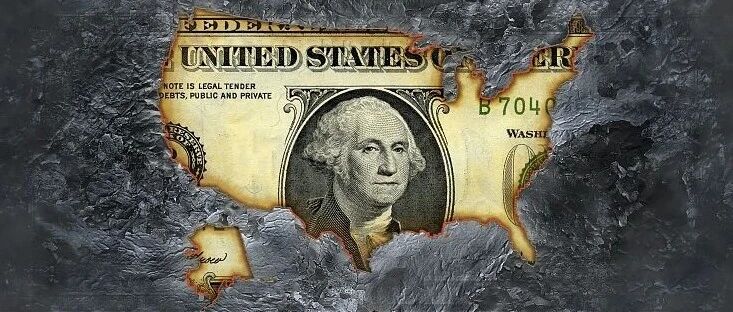
Group 1 - The U.S. government is facing a fiscal crisis due to rapidly growing debt and refund pressures from ineffective tariffs, exacerbated by the ongoing conflict with Iran, which could further strain finances [1][2] - The cost of the military operation against Iran, named "Operation Epic Fury," is estimated at $891.4 million per day, with initial costs reaching $3.7 billion within the first 100 hours of conflict [1] - Predictions suggest that a two-month war could cost up to $95 billion, depending on troop deployment and ammunition supply [1] Group 2 - The U.S. national debt has surpassed $38 trillion, with a rapid increase of $1 trillion occurring in just over two months prior to the Iran conflict, marking one of the fastest debt growth rates in history [3] - Interest payments on the national debt are nearing $1 trillion annually, exceeding expenditures on defense and Medicare [3] - The current debt level is close to 100% of GDP, with interest payments accounting for nearly one-fifth of federal revenue, complicating the government's ability to respond to economic crises [5] Group 3 - The ongoing conflict with Iran could trigger an inflation crisis, with significant disruptions to global oil and LNG supplies, potentially pushing oil prices to around $100 per barrel in optimistic scenarios and over $130 in severe cases [5] - A prolonged conflict could lead to a 0.3 percentage point decline in U.S. GDP growth, creating uncertainty that may hinder business investment and consumer spending [5] - Despite some market stability, the increasing national debt and ongoing conflict present significant challenges for the U.S. economy in the coming months [5]

海外宏观周报:地缘风险持续,美国就业走弱-20260309
China Post Securities· 2026-03-09 09:25
Group 1: Macroeconomic Insights - Geopolitical tensions have disrupted global supply chains, raising concerns about a new inflation crisis, with crude oil prices surging past $90 per barrel and reaching over $110 on Monday[1] - Despite the short-term spike in oil prices, the long-term impact on the US economy may be limited due to its status as a net exporter of crude oil, which could incentivize increased capital expenditure and production by oil and gas companies[1] - The rise in energy prices primarily affects overall inflation, with limited impact on the core inflation metrics that the Federal Reserve monitors[1] Group 2: Employment Data and Market Reactions - Recent US non-farm payrolls showed a decrease of 92,000 jobs, significantly below the expected increase of 59,000, with the unemployment rate rising by 0.1% to 4.4%[9] - The labor force participation rate slightly declined to 62%, indicating a worsening labor market[9] - Historical data suggests that geopolitical conflicts accompanied by rising oil prices often present buying opportunities for US equities, potentially leading to a healthier market structure if current long positions are rebalanced[2] Group 3: Risks and Federal Reserve Outlook - There remains a high level of uncertainty regarding geopolitical situations; sustained high oil prices and rising inflation expectations could suppress consumer spending and corporate profits[3] - If financial conditions tighten or market risk appetite declines rapidly, US equity valuations may face downward pressure[3] - Federal Reserve officials express differing views on monetary policy, with some advocating for interest rate cuts in response to weak labor market data, while others suggest waiting for inflation to stabilize[20][22]
波黑《萨拉热窝时报》编译版:2025年通胀率超4%,民众艰难应对通胀危机
Shang Wu Bu Wang Zhan· 2026-01-12 14:05
Core Viewpoint - Bosnia and Herzegovina is experiencing a significant economic strain due to rising inflation, particularly affecting essential goods and services, which is not fully reflected in official statistics [1][2] Group 1: Inflation Impact - The official inflation rate in Bosnia is projected to exceed 4% by the end of 2025, but the actual impact on household budgets is much more severe [1] - Price increases are most pronounced in food, housing, and dining sectors, which are critical to daily expenses [1] - Consumers report that shopping habits have changed drastically, with many now purchasing items by weight and essential goods disappearing from shopping lists [1] Group 2: Price Increases - The price of bread has surged by 117% from 2021 to 2025, with similar increases seen in baked goods, meat, and basic food items [2] - Utility costs, including electricity and firewood, continue to rise, exacerbating the financial burden on households [2] - A typical basket of goods for a family of four has reached 3,355 marks, necessitating at least two average salaries to cover basic monthly expenses [2] Group 3: Socioeconomic Consequences - Low-income earners, pensioners, and chronic illness patients are particularly hard-hit, with many struggling to afford medications that were previously covered by health insurance [2] - The financial strain has led some individuals to rely on public kitchens for meals, highlighting the severe impact on living standards despite seemingly stable official inflation rates [2]
美民众生活压力凸显 特朗普计划前往宾州宣传经济政策
Xin Lang Cai Jing· 2025-12-07 03:46
Group 1 - President Trump plans to visit Pennsylvania next Tuesday to promote his efforts to reduce inflation, amid growing concerns about the deteriorating job market and high prices affecting Americans [1][3] - A White House official indicated that Trump's visit aims to discuss how to end the inflation crisis, which he claims was inherited from the previous administration [1][3] - Recent non-election year elections show that public concerns about affordability are causing voters to distance themselves from the Republican Party [1][3] Group 2 - Trump stated in a cabinet meeting that "we have solved the inflation problem and almost all issues," attributing the cost of living problems to a "Democratic hoax" that caused price increases [1][3] - In the 2020 election, Trump narrowly won Pennsylvania with 50.4% of the vote, defeating Democrat Kamala Harris by approximately 120,000 votes, which was part of his overall success in key swing states [1][3] - According to an AP VoteCast survey, 70% of Pennsylvania voters are "very concerned" about food and grocery prices, with about half expressing similar concerns about healthcare costs and gasoline prices [4] Group 3 - Despite the drop in gasoline prices, Trump faces inflation pressures from utility costs and significant increases in premiums for those insured under the Affordable Care Act (ACA) [2][4] - In October, Pennsylvania announced that due to the expiration of ACA-related tax credits, premiums for residents purchasing their own health insurance could rise by an average of 21.5% [2][4] - If Congress does not extend these measures, premiums for the 22 million Americans relying on the ACA could increase by as much as 114% [2][4]
美国薪资增速放缓国际银偏空
Jin Tou Wang· 2025-11-21 06:53
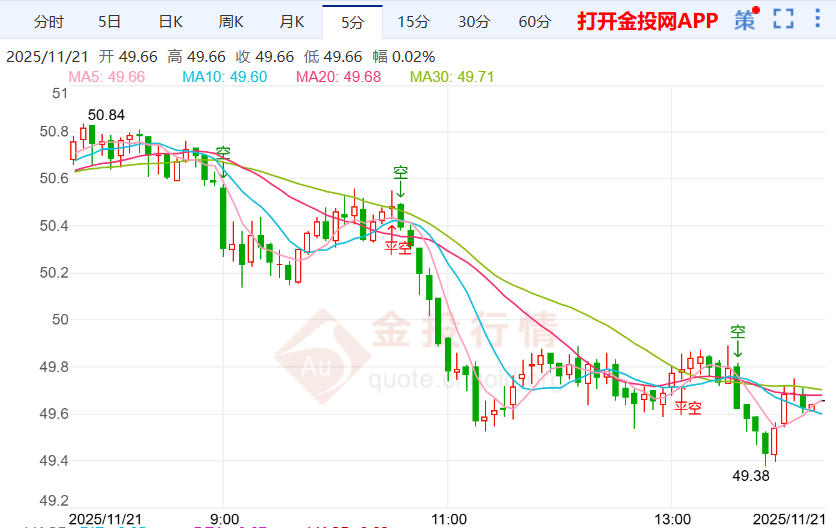
Group 1 - International silver is currently trading below $49.72, having opened at $50.68 and reaching a high of $50.84 and a low of $49.38, indicating a short-term sideways trend [1] - The recent non-farm payroll report from the U.S. Labor Department shows that average hourly earnings in the private sector rose by 0.2% month-over-month in September, a slowdown compared to the 0.3% increases in August and July, suggesting wage growth is below post-pandemic inflation levels [3] - The White House Press Secretary stated that the strong non-farm report demonstrates significant progress under President Trump's agenda, contrasting with wage declines attributed to the Democratic administration [3] Group 2 - International silver experienced volatility, rising to $52.5 earlier in the week before retreating to $49.5, indicating a potential trading range between $49.5 and $52.5, with opportunities for bullish positions if it falls to $49.5 [4] - The analysis suggests that the current trading pattern for silver indicates a period of consolidation, with resistance levels at $51 and $52.5, encouraging patience for potential rebounds [4]
特朗普要给每人发2000美元!“关税红包”恐成通胀炸弹
Guo Ji Jin Rong Bao· 2025-11-11 06:33
Core Points - President Trump announced a plan to distribute "at least $2000 per person" to all Americans except "high-income individuals," funded by tariff revenues [1][3] - The bipartisan Committee for a Responsible Federal Budget (CRFB) warned that the proposed distribution could exceed potential tariff revenue [1][8] - Economic experts express concerns that this initiative may lead to inflation similar to that experienced during the pandemic stimulus payments [1][8] Group 1: Proposal Details - The proposed "tariff dividend" could cover approximately 85% of American adults, amounting to about 220 million people [7] - Individuals earning up to $75,000, families earning up to $112,500, and married couples earning up to $150,000 would receive the full amount [7] - The plan lacks specific details on implementation and the definition of "high-income individuals" [3] Group 2: Economic Implications - Historical data suggests that large cash distributions can lead to significant inflation, as seen during the pandemic [8] - The CRFB estimates the total cost of the proposed dividend could reach $600 billion, while current tariff revenues are only $195 billion [8][9] - Experts argue that the plan could exacerbate the national debt, which is nearing $40 trillion, and criticize the irresponsibility of using fiscal revenue for cash distributions [9]
乌克兰货币购买力持续蒸发,月内二次贬值,通胀危机一触即发
Sou Hu Cai Jing· 2025-10-26 18:51
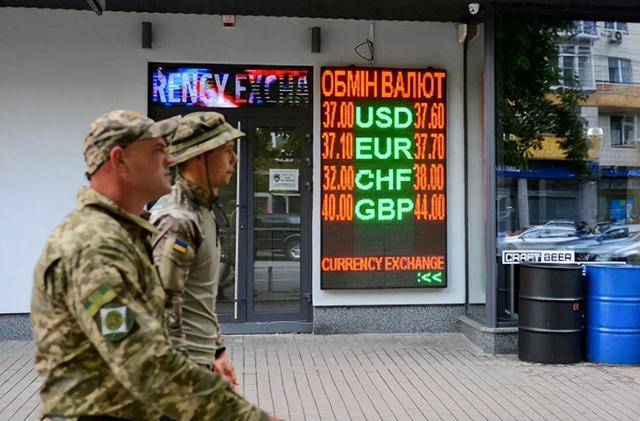
Core Points - The Ukrainian National Bank announced a devaluation of the hryvnia against the US dollar, adjusting the official exchange rate from 41.8970:1 to 41.9969:1, marking the second devaluation in October and the lowest rate in nearly a year [1][6][12] - The devaluation is seen as a necessary step to secure new financing from the International Monetary Fund (IMF), which has made exchange rate adjustments a prerequisite for new loans [6][8] - The economic situation in Ukraine is dire, with inflation pressures leading to increased costs of living, particularly for essential goods, and a significant portion of the population relying on humanitarian aid [3][12][21] Economic Impact - The devaluation has resulted in a cumulative depreciation of 2.08% in October, with the hryvnia's value dropping significantly since earlier in the month [6][12] - Inflation rates have surged, with food prices increasing by 23.9% year-on-year as of August 2025, and basic items like eggs tripling in price over the past 18 months [3][17] - The unemployment rate exceeds 15%, and income disparities are stark, with average salaries in Kyiv around $983 compared to $473 in Kirovohrad [3][12] Shadow Economy - In response to economic pressures, a shadow economy has emerged, encompassing unreported cash transactions for services, which now account for 30% of GDP [4][21] Fiscal and Trade Deficits - Ukraine faces a budget deficit rate of 20% in 2025, heavily influenced by high defense spending, which constitutes 31% of GDP [12][14] - The trade deficit has reached historic levels, exacerbated by a reliance on imports for reconstruction and basic needs, while export capabilities are weakened due to ongoing conflict [14][21] Monetary Policy Challenges - The central bank has maintained a high benchmark interest rate of 15.5% to combat inflation, which remains above the target of 5% [19][21] - The balance between stimulating the economy and controlling inflation presents a significant challenge for the central bank, especially amid external pressures and market expectations of further devaluation [19][21] Conclusion - The situation in Ukraine reflects a complex interplay of currency devaluation, economic hardship, and the need for international support, with the potential for future challenges in achieving economic stability and addressing the needs of the population [21]
市场消息:伊朗面包价格暴涨50%,通胀危机加深。
news flash· 2025-07-30 13:10
Core Insights - Iran's bread prices have surged by 50%, indicating a deepening inflation crisis in the country [1] Economic Impact - The significant increase in bread prices reflects broader economic challenges and rising costs of living for consumers in Iran [1] - This inflationary pressure may lead to increased social unrest and dissatisfaction among the population [1] Industry Implications - The surge in bread prices could impact the food industry, particularly bakeries and suppliers, as they adjust to rising costs [1] - Potential shifts in consumer behavior may occur as individuals seek alternative food sources or reduce consumption [1]
美国最大港口货物量骤减35%,航运业受创初显
Hu Xiu· 2025-05-09 06:33
Group 1: Impact of Tariffs on Shipping Industry - The first batch of ships carrying goods subject to a 145% tariff is arriving in the U.S., indicating a significant impact on the shipping industry [1] - The Port of Los Angeles, which relies heavily on trade with China, has seen a 35% decrease in business volume compared to the same period last year, affecting truck drivers and dock workers [1][2] - The decline in imports is expected to lead to product shortages and rising prices, exacerbating inflation in the U.S. economy [1][2] Group 2: Economic Consequences - The shipping slowdown is anticipated to affect the broader economy, leading to empty store shelves and a halt in hiring and investment [2] - The U.S. consumer price index (CPI) has risen from 257.97 in January 2020 to 308.41 by December 2024, reflecting ongoing inflationary pressures [2] Group 3: Customs Warehousing Trends - Customs warehouses near ports are experiencing increased activity as U.S. importers store goods there to potentially avoid high tariffs in the short term [3] - These warehouses, typically used for transshipment or duty-free stores, are now being utilized to navigate the uncertainties of U.S. trade policies [3] Group 4: Shipbuilding Industry Developments - The U.S. is attempting to revitalize its nearly non-existent shipbuilding industry, with Hanwha Marine acquiring the Philly Shipyard for $100 million [4] - Hanwha plans to build LNG carriers in the U.S., marking the first such construction in American shipyards since the 1970s [5] Group 5: Challenges in LNG Shipbuilding - Building LNG carriers is considered one of the most complex and technically demanding projects in shipbuilding, requiring significant investment and long-term industry experience [6] - The U.S. currently lacks any compliant LNG carriers, and the construction of such vessels is projected to take decades and substantial capital [6] - The cost of building LNG ships in the U.S. is significantly higher than in countries like South Korea or China, posing profitability challenges for projects [6]
自由党赢得加拿大大选,如何应对美国的“吞并威胁”?|国际识局
Zhong Guo Xin Wen Wang· 2025-04-29 07:09
Group 1 - The core viewpoint of the article is that the Canadian Liberal Party, led by Carney, won the federal election held on April 28, reversing a significant deficit in public support against the Conservative Party [1] - The election was characterized as the "shortest and most significant" in Canadian history, lasting only 36 days, which is the minimum required by Canadian election law [1] - The Liberal Party's long-standing position as a dominant political force in Canada, having governed for nearly 90 years since 1896, contributed to its ability to recover from a previous decline in public support [2] Group 2 - Carney, who succeeded Trudeau as Prime Minister, is viewed as a suitable leader for the current political climate in Canada, with a strong background in finance and economics, which reassured voters concerned about inflation [3] - Carney's relatively loose ties to the previous Trudeau administration allowed him to distance himself from its economic failures, while his commitment to more conservative economic policies resonated with voters seeking change [3] - The pressure from the United States, particularly following Trump's remarks about Canada, sparked a surge in patriotic sentiment among Canadian voters, leading to a recovery in support for the Liberal Party [4][6] Group 3 - The deterioration of U.S.-Canada relations under Trump's presidency, marked by his comments about Canada being the "51st state," galvanized Canadian voters to support the Liberal Party's strong stance against such threats [5][6] - The Conservative Party, led by Poilievre, faced challenges due to its alignment with Trump's right-leaning rhetoric, which alienated it from mainstream Canadian public opinion [3][6] - The election is seen as pivotal for Canada's future, with the winning party needing to address U.S. tariffs and threats while ensuring Canada remains a strong and free nation [6]