量化系统

Search documents
30家A股分拆上市,机构早已布局完毕!
Sou Hu Cai Jing· 2025-12-07 00:13
Group 1 - The core viewpoint of the article highlights the trend of companies in the A-share market pursuing spin-off listings, with 30 companies currently in line for this process, indicating a significant shift towards independent financing for subsidiaries [2][5] - Spin-offs allow parent companies to focus on their core business while providing subsidiaries with independent financing channels, which has attracted institutional investors who are quick to capitalize on policy changes [2][5] - The article emphasizes the information asymmetry in the market, where institutional investors have the advantage of early access to signals and trends, leaving retail investors at a disadvantage [2][3] Group 2 - The biggest risk in a bull market is not a downturn but missing out on opportunities, as many investors become overly cautious after experiencing bear markets [3][5] - Market consensus plays a crucial role in bull markets, where the value of assets is often driven by the collective agreement among institutional investors [5][6] - Understanding institutional behavior is essential for retail investors, as true market intentions are often hidden behind superficial trading patterns [6][8] Group 3 - The article provides examples of specific stocks, such as Cambrian and Tibet Tianlu, to illustrate how institutional activity can signal potential price movements and the importance of monitoring these trends [8][10] - Quantitative data can help retail investors visualize capital flows, providing insights that traditional technical analysis may miss [11][13] - The relationship between spin-off announcements and institutional accumulation of shares is highlighted, suggesting that retail investors can benefit from observing these patterns [13][14] Group 4 - Recommendations for retail investors include focusing on who is buying rather than what to buy, establishing a personal observation system, and maintaining patience and emotional control in investment decisions [14]






降息呼声再起,市场暗流涌动!
Sou Hu Cai Jing· 2025-11-25 13:08
Core Viewpoint - The Federal Reserve is experiencing internal divisions regarding monetary policy, with a focus on balancing inflation control and employment stability, likened to bargaining in a market [1][2]. Group 1: Federal Reserve's Position - San Francisco Fed President Mary Daly highlighted the risk of "non-linear" deterioration in the job market, suggesting that current stability could quickly change [2]. - Daly described the current state as a "low hiring, low firing" balance, which is precarious and requires preventive measures despite inflation not being fully controlled [2][12]. - The ongoing debate within the Fed about interest rate cuts reflects a deeper struggle among various economic forces [7]. Group 2: Market Dynamics - The article emphasizes the importance of quantitative tools for retail investors to understand market dynamics, similar to how Daly uses data to assess economic trends [2][12]. - Historical examples of stocks that experienced prolonged consolidation before significant price movements illustrate the hidden market dynamics at play [5][12]. - The presence of "hot money" signals in stock movements can indicate potential market shifts, suggesting that investors should pay attention to underlying capital flows rather than surface price changes [12][13]. Group 3: Behavioral Finance Insights - Daly's comments on groupthink highlight the risks of consensus in market sentiment, where widespread bullishness may signal caution [8][11]. - The concept of "anchoring effect" in behavioral finance suggests that investors often misinterpret price fluctuations, overlooking the underlying capital movements [11]. Group 4: Recommendations for Investors - Investors are advised to utilize tools and maintain patience in the face of uncertainty, focusing on current risks rather than future uncertainties [13]. - Monitoring the activity of both retail and institutional investors can provide insights into potential market movements, indicating when to start paying attention to emerging trends [13]. Group 5: Future Outlook - Anticipation of increased market volatility as the December FOMC meeting approaches, with a clear message that only those equipped with advanced tools will navigate this environment effectively [14][15]. - Understanding the real movements of capital behind stock price fluctuations is crucial for making informed investment decisions [15].

融资客突然转向!13只个股暗藏玄机
Sou Hu Cai Jing· 2025-11-21 04:50
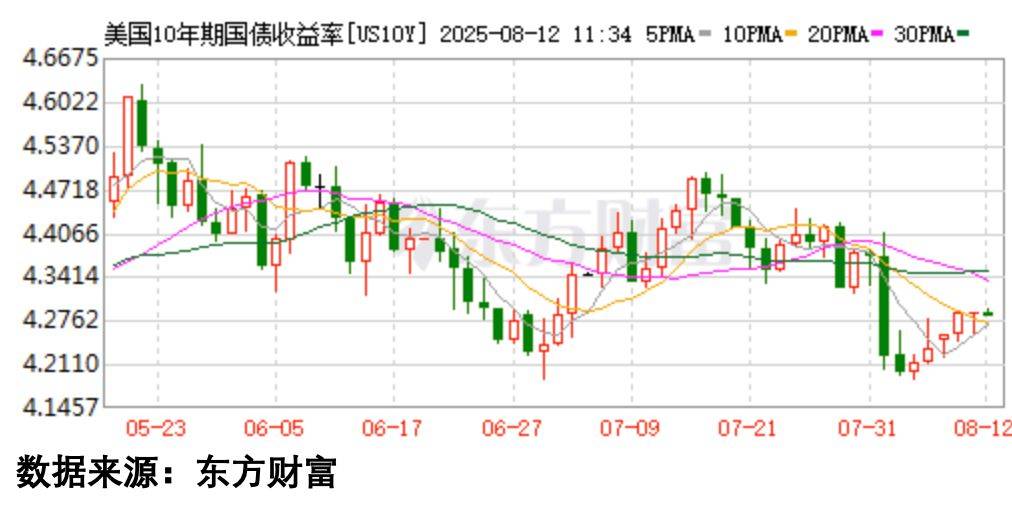
Group 1 - The core point of the article emphasizes the importance of understanding deeper market dynamics beyond surface-level data, as exemplified by the recent outflow of 1.821 billion yuan from the STAR Market while 237 stocks still received net financing inflows [3][10] - The article highlights a significant divergence in market behavior, where certain stocks, like Shengyi Electronics, managed to attract substantial net financing despite overall negative trends in the STAR Market [3] - It reflects on past experiences where superficial data led to misguided investment decisions, particularly during the 2023 new energy sector boom, illustrating the need for deeper analysis [3][4] Group 2 - The concept of "the art of volatility" is introduced, indicating that successful stocks must navigate both influxes of speculative buying and profit-taking sell-offs, akin to the complex dynamics of pedestrian traffic in a busy area [4] - The article discusses the lessons learned from the photovoltaic sector, where significant price increases occurred despite the industry facing losses, challenging traditional notions of value investing [5] - It emphasizes the importance of institutional inventory data as a critical indicator for investment decisions, suggesting that understanding this data can help avoid pitfalls in seemingly strong financial reports [9][10] Group 3 - The article concludes by revisiting the STAR Market's financing data, questioning whether stocks with large financing inflows have genuine institutional support, thus highlighting the need for critical evaluation of market trends [10]
美债收益率高企,竟是A股持续走牛关键!
Sou Hu Cai Jing· 2025-08-12 08:34
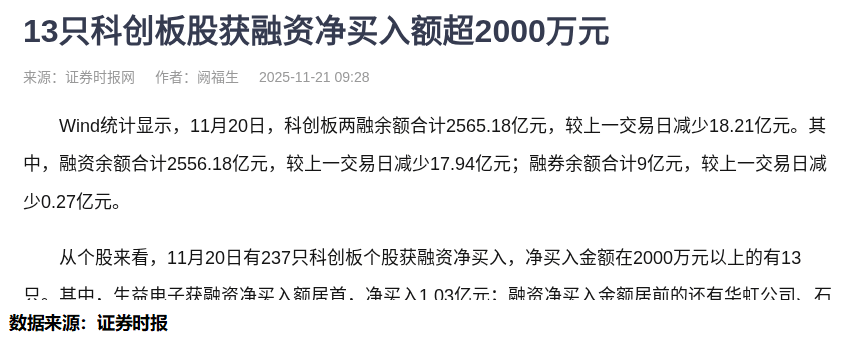
Group 1 - The core viewpoint is that the current high yields in the US Treasury market indicate underlying economic conditions that may not align with the Federal Reserve's intentions to lower interest rates, which could create investment opportunities in the A-share market [3][5] - The importance of data over subjective analysis is emphasized, suggesting that understanding the real market pulse through quantitative data is crucial for making informed investment decisions [3][19] - The article highlights that not all stocks benefit equally in a bull market, and effective capital utilization is key to achieving superior returns [5][6] Group 2 - The concept of "shakeout" is introduced, indicating that healthy stock price increases are often accompanied by periods of volatility, which can mislead less experienced investors [10][18] - Quantitative tools are presented as essential for retail investors to navigate the market effectively, as they provide objective insights into market trends and institutional behaviors [19] - The article suggests that understanding the dynamics of US Treasury yields and their impact on global investment flows can provide strategic advantages for investors in the A-share market [3][19]