
金融包容性

Search documents
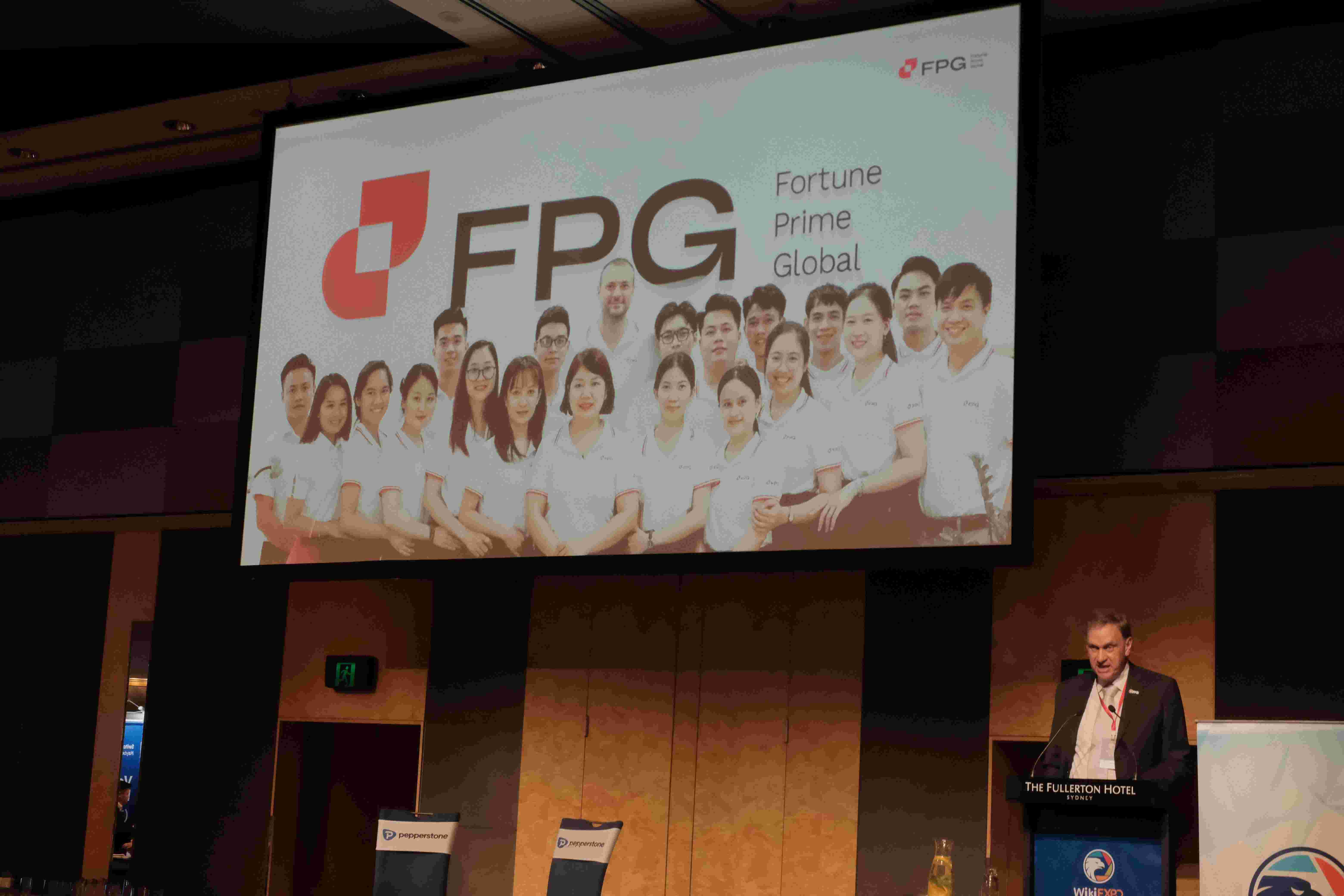
FPG 财盛国际:国际化布局拓展外汇交易边界
Sou Hu Cai Jing· 2026-02-13 17:42
Core Insights - FPG Financial International is actively promoting internationalization to expand its boundaries in the foreign exchange sector, breaking traditional financial frameworks to provide more convenient services to clients [1][5][10] - The company's strategy enhances its international competitiveness and injects vitality into the development of multicultural markets [1][10] Group 1: Internationalization Strategy - Since its establishment, the company has viewed globalization as a core strategy, initially focusing on solidifying its domestic market before systematically expanding overseas [5] - Key offices were established in Europe and Asia, with London and Singapore chosen as hubs to build a multinational network [5] - Collaborations with local financial institutions, such as alliances with Deutsche Bank, have facilitated resource sharing and technology integration, ensuring diverse service coverage [5] Group 2: Technological and Educational Innovations - The core of the internationalization strategy is to expand the boundaries of the foreign exchange sector through innovative methods that break market barriers [8] - FPG has introduced advanced technology platforms, including an intelligent system that uses AI to analyze global exchange rate fluctuations, providing real-time insights to users [8] - Educational training programs have been launched in multiple countries, targeting immigrant groups and small business owners to bridge the information gap [8] Group 3: Cultural Integration and Social Responsibility - To ensure sustainable boundary expansion, the company emphasizes cultural and environmental integration by hiring a diverse team and encouraging internal communication [10] - FPG actively fulfills its social responsibility by supporting community projects abroad, such as funding incubators for small businesses in Africa, which enhances local economic resilience [10] - The company maintains financial transparency by regularly publishing global reports to showcase its efforts in fair service [10] Group 4: Market Impact and Future Outlook - Positive feedback has been received regarding the company's innovative cross-border support, significantly increasing customer satisfaction [10] - Market experts have noted that FPG's model sets a benchmark for the industry, driving the evolution of the financial ecosystem [10] - The company's global user base is steadily growing, indicating the effectiveness of its strategic initiatives, which also contribute to job creation and economic vitality in various countries [10]

尼泊尔国家银行报告称,金融包容性有所改善
Shang Wu Bu Wang Zhan· 2026-02-04 09:19
Core Insights - The financial inclusion index in Nepal has increased from 0.47 to 0.53 for the fiscal year 2024/25, indicating significant progress in accessibility, usage, and quality of financial services [1] Group 1 - The Nepal Rastra Bank (NRB) released the financial inclusion index on February 3, highlighting improvements in the financial sector [1] - The increase in the financial inclusion index reflects advancements in the accessibility of financial services [1] - The rise in the index also signifies enhanced usage rates and quality of financial services in Nepal [1]
世界银行批准9500万美元助尼泊尔10万家中小企业拓宽融资渠道
Shang Wu Bu Wang Zhan· 2026-02-04 09:00
Core Insights - The World Bank's Board of Executive Directors approved a $95 million project to support over 100,000 SMEs in Nepal, aimed at expanding financing channels and promoting employment-oriented private sector growth [1] Group 1: Project Objectives - The project will strengthen the risk-sharing and financial sustainability of the Deposit and Credit Guarantee Fund (DCGF) [1] - It will introduce new guarantee products targeting underfinanced groups, such as women entrepreneurs, simplifying financing processes and reducing transaction barriers [1] - The initiative aims to enhance financial inclusion and assist businesses in integrating into regional and global value chains [1] Group 2: Technical and Institutional Upgrades - The Sustainable and Inclusive Finance Project (SIF) builds on the results of the Financial Sector Reform Policy Credit, which ends in 2024 [1] - It will invest in upgrading the technical and institutional capacity of Nepal's Credit Information Bureau (CIBN), expanding data coverage, integrating alternative data sources, and strengthening data security and privacy protection [1] Group 3: Addressing Financing Challenges - The project aligns with the government's second phase of the Financial Sector Development Strategy, supported by the International Finance Corporation [1] - It focuses on improving financing challenges faced by SMEs due to insufficient collateral and limited credit history by upgrading management systems, enhancing claims efficiency, and introducing risk-based pricing and first-loss insurance mechanisms [1]
数字信贷的兴起与监管:印尼的经验教训
Shi Jie Yin Hang· 2026-01-21 23:10
Investment Rating - The report does not explicitly provide an investment rating for the industry Core Insights - The rise of digital lending in Indonesia has significantly impacted the financial landscape, with over 40% of borrowers having taken at least one fintech loan by the end of the sample period [3][10] - Digital lenders have expanded financial inclusion by reaching previously unbanked households, although their geographical coverage remains limited and primarily focuses on consumer financing [3][12] - A notable portion of borrowers transitioned from high-interest fintech loans to cheaper conventional credit over time, but high default rates persist among those who initially relied on digital loans [3][13] - Recent regulatory reforms, such as interest rate caps and unified reporting standards for digital and traditional loans, have been assessed for their impact on credit market stability and consumer protection [3][14] Summary by Sections Introduction - Indonesia has made significant progress in financial inclusion, driven by a wave of retail financial product innovations, particularly digital lending since around 2020 [9][10] - The expansion of fintech loans raises questions about their effectiveness in enhancing financial inclusion in underserved urban areas and supporting small business lending [9][10] Data and Methodology - The analysis is based on a unique dataset of over 139,865 anonymized personal credit records from a private credit bureau in Indonesia, covering the period from 2018 to 2024 [22][24] - The dataset allows tracking individual credit histories and understanding the role of fintech loans in the emerging digital financial ecosystem [10][11] Findings on Credit Market Trends - The average borrower in Indonesia has seen a steady increase in credit volume, with significant regional disparities in credit access and borrower characteristics [36][39] - Fintech loans, while growing rapidly, still represent a small portion of total credit, accounting for about 5% of all loans [54][55] - The majority of digital loans are used for consumption rather than productive investments, indicating a potential limitation in supporting economic growth [62][63] Borrower Characteristics and Behavior - Fintech borrowers tend to be younger, more likely to be entrepreneurs, and concentrated in urban areas, contrasting with traditional borrowers [58][59] - Borrowers who start with fintech loans exhibit higher default rates compared to those who begin with traditional loans, with a difference of 5 to 7 percentage points [13][73] Regulatory Impact - Recent regulations aimed at supporting financial inclusion have inadvertently restricted credit access for unbanked households, as lenders shift focus to lower-risk borrowers [14][15] - The report emphasizes the importance of non-traditional credit information in lending to unbanked households, highlighting the role of private credit bureaus [14][15]
波黑央行成为经合组织国际金融教育网络正式成员
Shang Wu Bu Wang Zhan· 2026-01-12 16:54
Core Viewpoint - The Central Bank of Bosnia and Herzegovina has officially become the only member of the OECD/INFE network in Bosnia, enhancing its role in global financial education and inclusion [1] Group 1: Membership and Recognition - The membership in the OECD/INFE network is a significant international recognition of the Central Bank's contributions and expertise in financial education and inclusion [1] - This membership reflects Bosnia's commitment to applying the highest international standards and best practices in the field [1] Group 2: Global Participation and Influence - The Central Bank will actively participate as a trusted contributor in global financial education and inclusive policy-making [1] - Bosnia's international standing will be further strengthened, allowing for more active involvement in OECD affairs [1] Group 3: Network Composition - The OECD/INFE network includes central banks, ministries of finance, financial regulatory bodies, and other relevant institutions from over 100 countries [1] - The network aims to enhance international financial literacy and strengthen the capacity for developing inclusive financial policies, standards, and recommendations [1]
利比里亚正式推出国家移动支付操作平台IIPS,迈向全民即时数字支付时代
Shang Wu Bu Wang Zhan· 2025-12-18 06:49
Core Insights - The Liberian government launched the "Inclusive Instant Payment System" (IIPS) on December 16, 2025, aimed at facilitating real-time, secure, and low-cost digital transactions across financial networks [1] - The platform integrates Orange Money and MTN Mobile Money, enabling seamless instant transfers and payments between users of different service providers [1] - President Weah emphasized that IIPS is a crucial step towards ensuring financial inclusion for all Liberians, regardless of their urban or rural status or bank account ownership [1] Summary by Categories System Features - IIPS will initially support person-to-person payments and government-to-person payments, with future plans to integrate tax payments from individuals to the government [1] - The system is expected to significantly enhance the efficiency and transparency of government payments such as salaries and pensions, while reducing fund leakage and lowering transaction costs for the private sector [1] Strategic Importance - The launch of IIPS is a key initiative in Liberia's "AAID agenda," which focuses on agriculture, infrastructure, rule of law, and education, and is part of the country's digital transformation efforts [1] - The initiative has received support from international partners, including the World Bank and the Gates Foundation, marking a decisive step towards a modern, cashless economy in Liberia [1]
南非力促G20峰会聚焦非洲金融发展
Jing Ji Ri Bao· 2025-11-11 22:11
Group 1 - South Africa aims to enhance Africa's voice and influence in the G20 financial framework by strengthening cooperation with the African Union since taking over the G20 presidency on December 1, 2024 [1] - The upcoming G20 summit in Johannesburg on November 22-23 will focus on inclusive and sustainable growth in Africa, addressing financial inclusion and challenges in financial policy [1] - The G20 will continue to address challenges related to debt sustainability and rising financing costs faced by African nations [1] Group 2 - In 2025, G20's focus on Africa's financial sector will increase, including multiple ministerial meetings and workshops to tackle economic and financial issues [2] - The G20 International Financial Architecture Working Group (IFAWG) will concentrate on threats to debt sustainability in Africa, high debt levels, and financing costs [2] - Key initiatives include engaging with African borrowing countries on debt issues and compiling case studies for the G20 Debt Treatment Framework [2] Group 3 - South Africa will propose initiatives for multilateral development banks to provide affordable financing to African and other developing countries at the G20 summit [3] - Addressing economic and social vulnerabilities in Africa will be a priority, with a focus on infrastructure development and funding for health and pandemic response [3] - The G20 Growth Framework Working Group (FWG) will prioritize enhancing productivity and income levels in African nations through technology and AI [3] Group 4 - The G20 Infrastructure Working Group (IWG) will work to expand infrastructure development in African countries, supported by tools developed by the African Development Bank [4] - The G20 Financial and Health Joint Working Group will focus on funding needs for pandemic prevention and response in Africa, addressing significant funding gaps [4] - The G20 Sustainable Finance Working Group (SFWG) will prioritize funding for disaster resilience in Africa, particularly in agriculture and climate financing [4] Group 5 - Financial inclusion challenges in Africa include barriers to financial services, inadequate product design, and high costs of cross-border payments [5] - South Africa and the African Union will advocate for a shift from aid dependency to investment-driven growth, emphasizing infrastructure and human capital [5] - The G20 presidency will focus on enhancing Africa's tax capacity and interests in international tax reform and cooperation [5]
【UNforex财经日历】政策与数据双线驱动,市场关注CPI与原油走势
Sou Hu Cai Jing· 2025-10-20 06:52
Group 1 - The global market is focusing on US inflation performance and energy inventory changes, with investors reassessing the pace of inflation decline and the Federal Reserve's policy adjustments for the year [1][2] - Key economic events this week include the Federal Reserve's payment innovation meeting, which will address stablecoins, AI, and tokenization, and the release of the US CPI report, which is expected to influence market expectations for interest rate changes [1][2] - The energy market will be influenced by API and EIA inventory data, as well as active drilling counts, which will reveal supply and demand dynamics [2] Group 2 - The CPI report on Friday is the most anticipated data, with potential implications for market expectations regarding interest rate cuts, which could impact the dollar, gold, and risk assets [2] - If core CPI continues to slow, it may strengthen expectations for rate cuts, while persistent inflation could reignite tightening expectations, affecting the dollar and gold prices [2] - Overall, the energy market is expected to oscillate between demand concerns and geopolitical uncertainties, with inventory trends playing a crucial role in oil price movements [2]
UNforex财经日历】通胀数据、原油库存信号,市场波动再升级
Sou Hu Cai Jing· 2025-10-20 06:40
Group 1 - The Federal Reserve's payment innovation meeting is the focal point of the week, with attention on regulatory stances regarding digital currencies, AI, and fintech [1] - The speeches by Governors Waller and Barr may signal new policy directions, providing clues for future decision-making [1] - The CPI data to be released on Friday is a key market indicator; a cooling core CPI could weaken dollar support, benefiting gold and risk assets [1] Group 2 - The API and EIA inventory reports, along with drilling data, will guide the supply-demand dynamics in the energy market [2] - Rising inventories may pressure oil prices, while declining inventories or heightened geopolitical risks could lead to short-term rebounds [2] - Market volatility is expected to increase due to inflation data and Federal Reserve officials' speeches; investors are advised to maintain light positions and respond flexibly to sudden fluctuations [2]
美联储理事Barr:需要围绕金融包容性付出更多努力。
news flash· 2025-07-15 16:50
Core Viewpoint - The Federal Reserve Governor Barr emphasizes the need for increased efforts towards financial inclusion [1] Group 1 - Financial inclusion is highlighted as a critical area requiring more attention and resources [1] - Barr's comments suggest a recognition of existing gaps in access to financial services for underserved populations [1] - The call for action indicates potential policy shifts or initiatives aimed at enhancing financial accessibility [1]