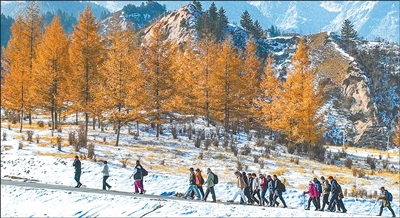
雪鞋

Search documents
县域即时消费潜力进一步释放
Zhong Guo Jing Ji Wang· 2026-02-27 07:47
Group 1 - The core viewpoint of the articles highlights the significant growth in instant retail consumption during the Spring Festival, particularly in county-level markets, driven by the holiday season and the Milan Winter Olympics [1][2][3] - Instant retail orders in county areas increased by approximately 30% year-on-year from February 16 to February 23, with electronic products, alcoholic beverages, and high-end fruits being the top three categories [1] - Smartwatch sales surged by 600%, while mobile phones and tablets saw a 200% increase; high-end fruits like durian and blueberries experienced up to a 300% rise in sales [1] Group 2 - The article notes a convergence in instant service experiences between the eastern and western regions of China, although distinct consumption preferences remain, with southern consumers favoring beer and dairy products, while northern consumers prefer spicy snacks and ice cream [2] - The overlap of the Spring Festival with key events of the Milan Winter Olympics spurred a nationwide interest in winter sports, leading to a 20% increase in revenue for merchants selling ice and snow sports equipment on the Meituan platform, with some products seeing sales increase by up to 300% [2] - The overall trend indicates a vibrant consumer market during the Spring Festival, reflecting strong economic recovery and growth potential, as noted by experts [3]
中产追捧的法国跑鞋 一年狂销140亿
2 1 Shi Ji Jing Ji Bao Dao· 2026-02-25 16:11
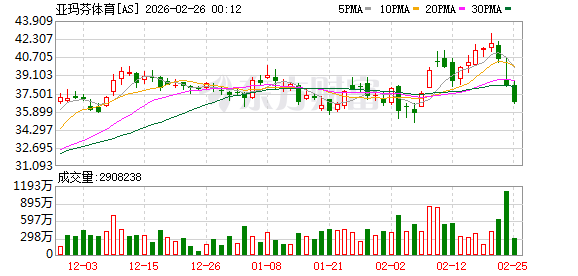
Core Insights - Amer Sports reported a strong performance with global sales projected to reach $6.6 billion by 2025, marking a turnaround to profitability [2] - Salomon, a key brand under Amer Sports, achieved annual sales exceeding $2 billion for the first time, driven by rapid growth in the outdoor segment [2] Group 1: Brand Transformation - Salomon is evolving from a brand perceived as "ugly and expensive" to a favorite among young middle-class consumers [3] - The brand, established in 1947, specializes in skiing, hiking, and trail running products, with a focus on professional gear [4][5] - Salomon has adopted a strategy similar to Arc'teryx, targeting middle-class consumers while integrating trendy lifestyle elements [6] Group 2: Marketing and Engagement - The brand has implemented a lottery system for popular shoe releases and collaborates with celebrities and KOLs to enhance brand visibility [7] - Salomon launched the Tea Horse Road series during the 2026 Spring Festival to deepen emotional connections with Chinese consumers [8] - The brand is actively involved in major trail running events globally and locally, reinforcing its professional image [8][9] Group 3: Retail Expansion - Salomon has seen significant growth in female consumers, with women making up 50% of its customer base in China [10] - The brand's retail footprint has expanded from fewer than 20 stores in 2019 to nearly 300 by the end of 2025, with a focus on both first-tier and lower-tier cities [10] - Salomon's flagship store in Chengdu is the world's first to combine skiing and trail running, showcasing a diverse range of high-end functional products [11] Group 4: Future Projections - The outdoor segment, including Salomon, is expected to see revenue growth of 18% to 20% in 2026, aligning with the growth of the Arc'teryx segment [11] - Management plans to continue investing in Salomon to support its ongoing expansion [11][12]

新春走基层|京张手拉手 冰雪续奇缘
Xin Lang Cai Jing· 2026-02-23 22:47
Core Viewpoint - The development of Chongli, a small city ignited by the Winter Olympics, is transitioning from a seasonal economy to a year-round vibrant tourism and sports hub, showcasing the potential of winter sports and cultural activities as sustainable economic drivers [2][5]. Group 1: Post-Olympic Development - Chongli aims to transform the legacy of the Winter Olympics into a dynamic source of high-quality development rather than a static monument [2]. - The "Snow Ru Yi" venue has evolved to host not only athletes but also high-end forums, student study tours, and art exhibitions, with 39 venue renovation projects and over 30 new cultural and sports tourism initiatives implemented in the past five years [2][3]. - Chongli has become a leader in hosting professional snow sports events, with the number of international A-level competitions ranking among the top globally [3]. Group 2: Tourism Growth - By 2025, Chongli is expected to receive over 10 million tourists, which is 2.3 times the number at the end of the 13th Five-Year Plan [3]. - The integration of various seasonal activities has redefined Chongli's tourism offerings, including spring flower viewing, summer cycling, autumn racing, and winter snow sports [5]. Group 3: Cultural and Culinary Events - The "Hebei New Year Food Carnival" in Chongli featured over 40 food and cultural stalls, showcasing local delicacies and traditional crafts, enhancing the festive atmosphere [4]. - The event included performances and interactive experiences, promoting local cuisine and culture to visitors [4]. Group 4: Infrastructure and Economic Impact - The Zhangjiakou Olympic Park has welcomed over 3.5 million visitors and hosted nearly 2,800 events in three years, with projected revenue exceeding 160 million yuan by 2025 [5]. - The region's development is supported by significant investments in infrastructure, including the completion of key transportation projects that enhance connectivity with the capital [12]. Group 5: Industry Innovation - The Lidakex company is innovating in the snow sports equipment sector, integrating traditional craftsmanship with modern design, achieving a 60% market share in the national snow rental market [6]. - The Zhangjiakou Xueyi Equipment Industrial Park has launched eight companies, creating a comprehensive supply chain for snow sports equipment [6].
2026新春走基层|冬奥热带火冰雪装备
Xin Lang Cai Jing· 2026-02-22 04:34
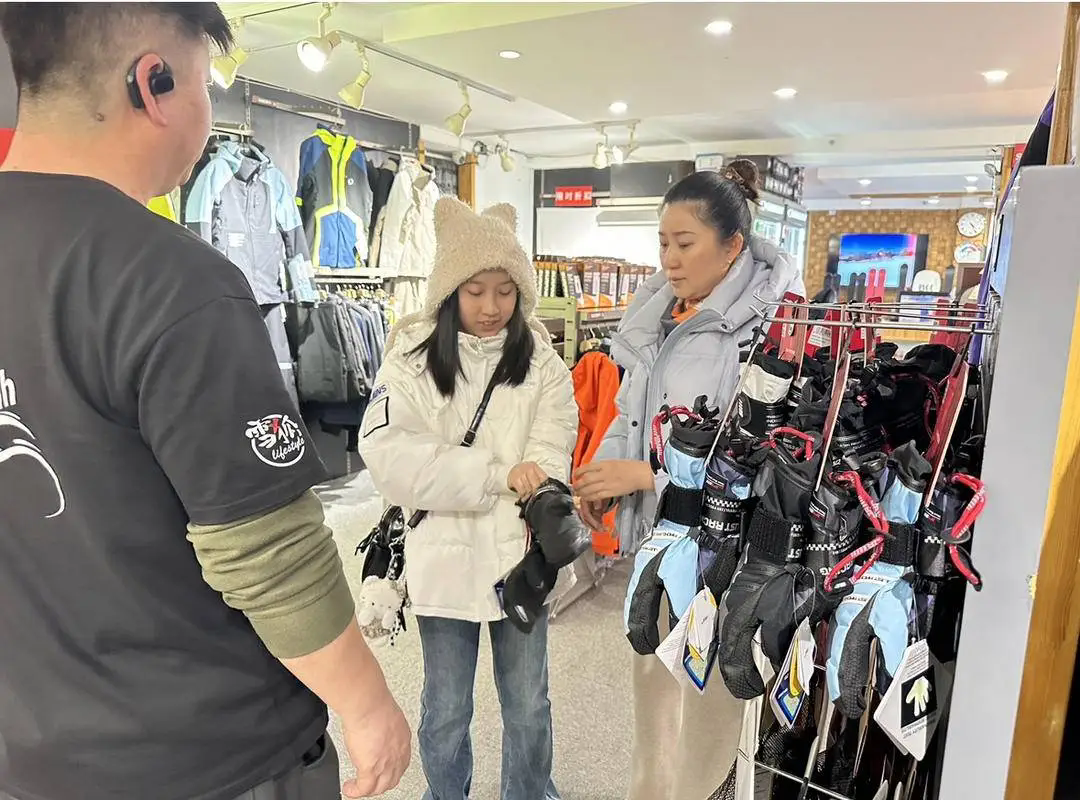
Industry Insights - The popularity of winter sports equipment has surged following the Beijing Winter Olympics, with significant consumer interest noted during the Milan Winter Olympics, leading to an upgrade in consumer spending on winter sports gear [6] - The demand for high-quality winter sports products has increased, with consumers becoming more knowledgeable about materials and technology, resulting in a preference for premium products such as helmets with MIPS technology, which are priced significantly higher than standard options [6] - The winter sports market in Dalian has seen a substantial boost, with over 1 million people participating in ice and snow activities, generating nearly 1.5 billion yuan in related consumption [8] Consumer Behavior - Young athletes, inspired by Olympic champions, are increasingly investing in new skiing equipment, with families spending significant amounts on gear, such as a total of over 9,000 yuan for a complete set of skiing equipment [3] - Retailers are experiencing high sales volumes, with many ski apparel items sold out due to increased demand during the winter holiday season [3][6] - The growth of winter sports has also led to the emergence of new business models, including ski training camps and coaching services, reflecting a diversification in consumer spending within the winter sports sector [9]
新春走基层 | 冬奥热带火冰雪装备
Xin Lang Cai Jing· 2026-02-22 00:26
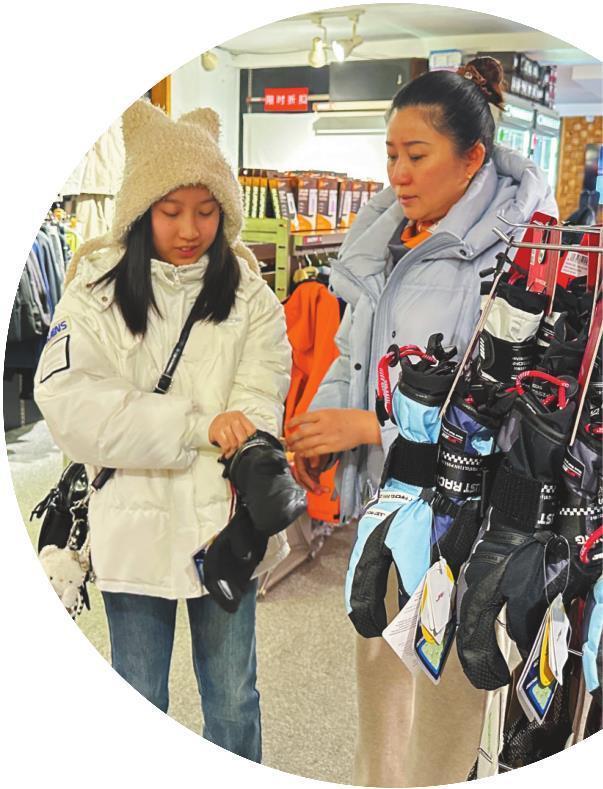
Group 1 - The Beijing Winter Olympics significantly boosted interest in ice and snow sports, leading to increased sales of related equipment and apparel, with consumers now more knowledgeable about product quality and technology [2][3] - The demand for high-quality snow sports gear has risen, with products featuring advanced technologies like MIPS (Multi-directional Impact Protection System) seeing much higher sales despite their higher prices [2] - The overall consumption related to ice and snow sports in Dalian reached nearly 1.5 billion yuan, driven by over a million participants engaging in winter sports activities [3] Group 2 - Retailers are experiencing a surge in sales of winter sports gear, with many items, including ski suits, selling out quickly during the holiday season [2] - The popularity of winter sports has led to the emergence of new business models, including ski training camps and coaching services, expanding the market beyond just equipment sales [3]
冬奥热带火冰雪装备
Xin Lang Cai Jing· 2026-02-21 22:19
Group 1 - The popularity of winter sports has significantly increased, leading to a surge in demand for ice and snow products, particularly after the Beijing Winter Olympics and the upcoming Milan Winter Olympics [4][5]. - Consumers are increasingly knowledgeable about ice and snow products, with a growing demand for high-quality gear, such as helmets with MIPS technology, which are priced significantly higher than traditional options but have much higher sales volumes [5]. - The winter sports market in Dalian has seen substantial growth, with over one million people participating in ice and snow activities, generating nearly 1.5 billion yuan in related consumption [5]. Group 2 - Retailers are experiencing high sales of winter sports equipment, with many items, including ski apparel, selling out quickly during the holiday season [4][5]. - The success of Chinese athletes in the Winter Olympics has further boosted sales of Olympic-themed merchandise, including high-tech clothing and accessories [5]. - The market for winter sports services, such as training camps and coaching, is expanding, reflecting the increasing engagement in winter sports activities [5].
云南户外冰雪公开课受欢迎3000人感受运动魅力
Xin Lang Cai Jing· 2026-02-07 22:52
Core Viewpoint - The recent ice and snow open class in Yunnan Province emphasizes "universal participation, zero threshold experience, and practical learning" to promote winter sports among the youth [1] Group 1: Event Overview - The ice and snow open class was held at the Dahuicaoshan Ski Resort in Qujing, attracting 3,000 participants who experienced the charm and fun of winter sports under the guidance of professional coaches [1] - The event provided free teaching and included a comprehensive package of skiing equipment such as skis, helmets, goggles, and boots for all participants [1] Group 2: Participant Experience - Participants, including families and young enthusiasts, expressed satisfaction with the event's organization, highlighting the convenience of not needing to bring their own equipment [1] - The event aims to foster a love for winter sports among the youth by offering 3,000 ice and snow experience vouchers for the Dahuicaoshan International Ski Resort, valid until March 1 [1]
(新春见闻)新疆冰雪游升温 “装备先行”焕新体验
Xin Lang Cai Jing· 2026-02-07 08:26
Group 1 - The upcoming Lunar New Year has led to a surge in ice and snow tourism in Xinjiang, with the Silk Road Mountain Resort in Urumqi County receiving over 5,000 visitors daily [1][3] - A new service model allows tourists to send their skiing equipment to hotels in advance, enhancing convenience and attracting more visitors [1][3] - The demand for ski equipment delivery has increased significantly, with over 60 packages processed daily at the ski equipment service center established by SF Express and the resort [3] Group 2 - Xinjiang is projected to have over 100 ski resorts by the end of 2025, the highest number among all provinces in China [4] - During the 2024-2025 ski season, S-level ski resorts in Xinjiang are expected to host over 3.57 million visitors [4] - Sales of skiing equipment have surged, with a reported increase of over 120% in orders for ski boards and related items sent to Xinjiang since the start of the Tmall New Year goods festival [3]
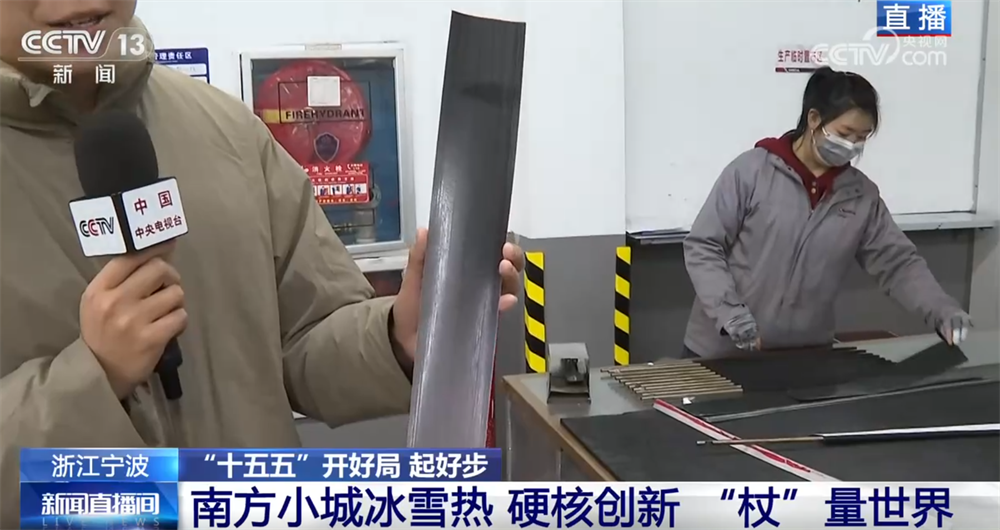
科技赋能见证滑雪装备里的“中国速度” 硬核创新实力“杖”量世界
Yang Shi Wang· 2026-01-25 06:34
Core Insights - The article highlights the rapid development and technological integration in the skiing equipment industry, particularly focusing on ski poles produced in Ningbo, Zhejiang [1][3]. Industry Overview - The skiing equipment market is experiencing a surge in popularity, with a focus on innovative designs and materials that enhance user experience [1][6]. - The production facility in Ningbo is capable of transforming carbon fiber fabric into ski poles in an average of 15 seconds, showcasing efficiency and speed in manufacturing [1][3]. Product Features - The ski poles produced are lightweight, weighing only 170 grams, and are designed to withstand high-impact forces during skiing [3]. - Each product undergoes rigorous testing, including fatigue tests (10,000 impacts), pressure tests (500 to 800 Newtons), and durability tests in various environmental conditions to ensure high quality [3][9]. Market Reach - The town where the production facility is located hosts 34 companies specializing in various types of sports poles, with an annual production of 15 million units and a market value exceeding 920 million yuan [9]. - The ski poles are distributed across domestic markets in Northeast, North, and Northwest China, as well as emerging markets in Hubei, Shandong, Anhui, and Zhejiang, and internationally to 14 countries including France, Germany, and Switzerland, capturing 60% of the global market [9].
冰天雪地,如何乐享户外运动
Ren Min Ri Bao· 2025-12-19 05:24
Group 1: Winter Sports Safety Guidelines - The article emphasizes the importance of preparation and knowledge for safely enjoying winter sports like skiing and winter swimming [2][3][4] - For skiing, it is recommended to choose appropriate equipment, such as skis that are 10-15 cm shorter than the skier's height, and to wear essential protective gear including helmets and goggles [3] - New skiers should start on gentle slopes and learn to control speed and direction before attempting more advanced trails, maintaining a proper posture while skiing [3][6] Group 2: Winter Swimming Precautions - Winter swimming can effectively enhance cardiovascular health and immune function, but it is not suitable for everyone; health screenings are advised before participation [4][5] - Swimmers should gradually acclimate to cold water temperatures and limit their time in water below 14 degrees Celsius to 14 minutes, reducing time as temperature decreases [5] - Post-swimming, it is crucial to dry off in a specific order and consume warm drinks to help restore body temperature [5] Group 3: Outdoor Hiking Recommendations - For winter hiking, a layered clothing approach is recommended, with moisture-wicking base layers and insulated middle layers to retain heat [6] - Proper footwear with good traction is essential, and hikers should consider using ice grips and trekking poles for stability [6][7] - High-calorie foods and hot drinks are advised for energy, and carrying emergency gear such as thermal blankets and GPS devices is recommended [6][7] Group 4: Snow Blindness Awareness - Snow blindness, caused by UV exposure in snowy environments, can lead to temporary eye inflammation and requires preventive measures such as wearing UV-protective goggles [7] - Symptoms include tearing, redness, and pain in both eyes, and treatment involves resting the eyes and using antibiotic eye drops if necessary [7]