闪电仓

Search documents
美团-W(3690.HK):看好竞争趋缓下外卖利润的长期修复
Ge Long Hui· 2026-03-28 07:30
Core Viewpoint - Meituan reported 4Q25 earnings with revenue of 92.1 billion yuan, a year-on-year increase of 4.1%, slightly exceeding consensus expectations by 0.1%. However, the operating loss was 16.1 billion yuan, aligning with expectations, while adjusted net profit was a loss of 15.1 billion yuan, falling short of expectations by 15.9% [1] Group 1: Financial Performance - 4Q25 revenue reached 92.1 billion yuan, up 4.1% year-on-year, exceeding expectations by 0.1% [1] - Core local business revenue was 64.8 billion yuan, down 1.1% year-on-year, primarily due to revenue reduction from delivery subsidies [1] - New business revenue was 27.3 billion yuan, showing a robust year-on-year growth of 18.9%, driven by global expansion of Keeta and fresh retail businesses [1] Group 2: Business Segments - The delivery business showed better-than-expected losses, focusing on high-quality growth with high-value users and high average order values [1] - Instant retail supply continued to deepen, with double-digit growth in categories like health and pharmacy, and significant contributions from "flash warehouses" and "Xiaoxiang Supermarket" [2] - The company acquired Dingdong Maicai's mainland China business for $717 million to enhance supply chain capabilities in fresh retail [2] Group 3: Future Outlook - The company expects to narrow the overall loss of new businesses in 2026 compared to 2025, with profitability anticipated in certain cities in Saudi Arabia by the end of the year [2] - AI and membership systems are expected to drive long-term growth resilience, with a comprehensive upgrade to Meituan's membership services [2] - The company projects revenues of 400.6 billion yuan, 460 billion yuan, and 529.1 billion yuan for 2026-2028, with a downward adjustment due to increased competition and subsidies impacting revenue [3] Group 4: Valuation and Estimates - The company adjusted its net profit estimates for 2026 and 2027 downwards to 8.4 billion yuan and 34.6 billion yuan, respectively, due to increased competition and marketing investments [3] - The valuation method has shifted from PE to SOTP due to uncertainties in the short-term delivery subsidy competition, with a target price set at 121.4 HKD, down from 142.8 HKD [3]

2026年中国闪电仓模式深度解析:即时零售赛道新变量,分钟级消费时代来临
Qin Ce Xiao Fei Yan Jiu· 2026-03-27 12:35
Investment Rating - The report indicates a positive investment outlook for the lightning warehouse model in the instant retail sector, highlighting significant growth potential and market opportunities [3][4]. Core Insights - The lightning warehouse model is reshaping China's instant retail infrastructure, with Meituan's lightning warehouses expected to exceed 50,000 by 2025 and reach over 100,000 by 2027, generating a GMV of over 200 billion yuan [3][4]. - The industry is characterized by a "one strong, many strong" pattern, with Meituan's lightning purchase holding a 70% market share, followed by Taobao and JD [3][4]. - The report emphasizes the shift from emergency consumption to daily consumption, driven by a 30-minute delivery experience [3][4]. Summary by Sections Industry Overview and Current Development - The instant retail market is entering a "minute-level" era, supported by over 50,000 lightning warehouses, contributing to a market size exceeding 1 trillion yuan [8][14]. - The lightning warehouse model, launched by Meituan in 2020, operates purely online with flexible site selection, 24-hour service, and a wide range of SKUs [9][10]. Key Data Overview - As of 2023, the instant retail market is valued at 650 billion yuan, with lightning warehouses contributing 60 billion yuan, representing 9.2% of the market [15]. Investment Logic - Short-term focus on leading brands like Huiyixuan and Xiaochai Purchase, which benefit from supply chain barriers [7]. - Mid-term potential for vertical sectors (alcohol, maternal and infant, pharmaceuticals) to produce niche leaders, with SKU depth and fulfillment efficiency being critical [7]. - Long-term growth expected in instant retail penetration, with a market size projected to exceed 2 trillion yuan by 2030 [7]. Competitive Landscape - The competitive landscape shows Meituan's lightning purchase leading with 70% market share, followed by Taobao and JD [13][24]. - The report notes a concentration of top brands, with only three brands consistently ranking over the past three years [26][27]. Regional Distribution and Brand Ecosystem - Eastern and Southern regions are mature markets, while Central and Western regions present significant growth opportunities, particularly in county markets [96][97]. - The county market has seen a 54% year-on-year growth in orders, becoming a new growth engine for the industry [100][101]. Future Outlook and Trends - By 2027, the number of lightning warehouses is expected to exceed 100,000, with a GMV of 200 billion yuan, indicating a shift towards refined operations [129][130]. - Key trends include increased concentration among top brands, expansion into high-ticket categories, and the rise of official brand warehouses [134].
2026年中国闪电仓模式深度解析——即时零售赛道新变量,分钟级消费时代来临
Qin Ce Xiao Fei Yan Jiu· 2026-03-26 03:15
Investment Rating - The report indicates a positive investment outlook for the lightning warehouse model in the instant retail sector, highlighting significant growth potential and market share concentration among leading brands [3][4]. Core Insights - The lightning warehouse model is reshaping China's instant retail infrastructure, with Meituan's lightning warehouses expected to exceed 50,000 by 2025 and reach over 100,000 by 2027, generating a GMV of over 200 billion yuan [3][4]. - The industry is characterized by a "one strong, many strong" structure, with Meituan's lightning purchase holding a 70% market share, followed by Taobao and JD [3][4]. - The report emphasizes the shift from emergency consumption to daily consumption, driven by a 30-minute delivery experience [3][4]. Summary by Sections Industry Overview and Current Development - The instant retail market is entering a "minute-level" era, supported by over 50,000 lightning warehouses, which are projected to drive a market size exceeding 1 trillion yuan [8][14]. Lightning Warehouse Definition - Lightning warehouses are defined as platform-based front warehouses operated by third-party franchisees, featuring online-only operations, 24-hour service, and a wide range of SKUs [9][10]. Investment Logic - Short-term focus on the scale effects from leading brand expansions, with companies like Huiyixuan and Xiaochai Gouwu benefiting from supply chain barriers [7]. - Mid-term potential for vertical sectors (e.g., alcohol, maternal and infant products) to produce leading players, with SKU depth and fulfillment efficiency being critical [7]. - Long-term growth expected as instant retail penetration increases, with market size projected to exceed 2 trillion yuan by 2030 [7]. Market Size and Growth Drivers - The instant retail market is projected to grow from 650 billion yuan in 2023 to 1.4 trillion yuan by 2027, with lightning warehouses expected to capture a growing share [15][18]. Competitive Landscape - The competitive landscape is dominated by Meituan's lightning purchase (70% market share), followed by Taobao (25%) and JD (<5%) [13][22]. - The report notes a trend of increasing brand concentration, with only three brands consistently ranking in the top tier over the past three years [26][28]. Regional Distribution and Brand Ecosystem - Eastern and Southern regions are leading in market penetration, while the Central and Western regions present significant growth opportunities [96][97]. - The county market is identified as a new growth engine, with a 54% year-on-year increase in order volume [99][100]. Key Brand Analysis - Huiyixuan leads the industry with over 3,220 stores, followed by Xiaochai Gouwu with 750 stores, showcasing strong supply chain advantages and market resilience [28][30]. - The report highlights the importance of digital capabilities and supply chain integration for brand success [40][45]. Future Outlook and Trends - By 2027, the number of lightning warehouses is expected to exceed 100,000, with a GMV target of 200 billion yuan, indicating a shift towards refined operations [129][130]. - The report anticipates a significant increase in market penetration and the emergence of brand flagship stores as a standard practice [134].

外卖大战后,一批闪电仓为何悄然退场?
3 6 Ke· 2026-02-10 13:16
Core Insights - The lightning warehouse industry is not a high-profit sector and requires careful management rather than blind entry [1][8][19] - The illusion created by subsidies has led many to mistakenly believe that lightning warehouses have low entry barriers and are easy to profit from [2][4] - The industry is undergoing a selection phase where only those with strong operational capabilities will survive [10][19] Industry Dynamics - The rapid increase in lightning warehouses during the subsidy period has not led to industry prosperity but has intensified competition, elongating the return cycle and increasing product homogeneity [2][10] - The reliance on subsidy-driven order volumes has distorted the perception of operational capability, leading to a misjudgment of business fundamentals [5][6][7] - As subsidies fade, businesses lacking foundational skills will struggle, revealing their weaknesses as order volumes increase [7][11] Business Model and Strategy - Lightning warehouses are characterized as a "hard business" that requires meticulous management and operational excellence [8][11] - The future of the industry will depend on the ability to create a robust supply chain and product offerings that meet diverse consumer needs [15][17] - Service quality and customer experience will become critical differentiators as supply becomes less scarce [16][17] Market Outlook - The instant retail market is projected to grow significantly, with estimates suggesting it will exceed 1 trillion yuan by 2026 and reach 2 trillion yuan by 2030 [12] - The differentiation in supply capabilities will become increasingly clear, with successful operators focusing on building systematic capabilities [14][19] - The industry is expected to mature, with weaker players being eliminated, leading to a focus on operational excellence and sustainable business practices [19][20]

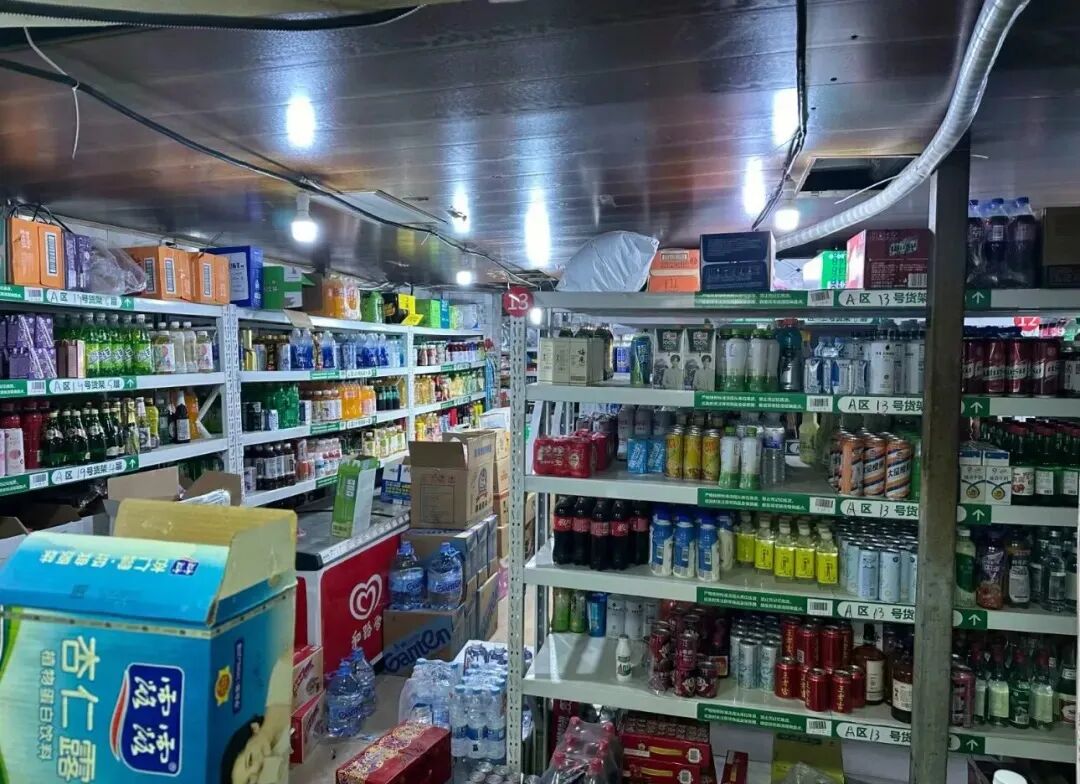
闪电仓大分化
3 6 Ke· 2026-02-09 23:57
Core Viewpoint - The article discusses the transition from the intense competition in food delivery services to the emerging challenges and opportunities in the instant retail sector, particularly focusing on "flash warehouses" as a new retail model in China. Group 1: Market Dynamics - As platform subsidies decline, the flash warehouse sector is experiencing a wave of consolidation and differentiation, moving from a speculative environment to a more sustainable business model [2][10]. - The instant retail model, characterized by rapid delivery and a wide range of products, is becoming a significant variable in Chinese consumer behavior [2][16]. Group 2: Operational Challenges - Operating a flash warehouse is complex, requiring a balance of product variety akin to supermarkets, delivery speed similar to food delivery, and cost efficiency comparable to e-commerce [4][5][7]. - New entrants often struggle with operational efficiency, leading to negative impacts on service quality and overall industry reputation [8][9]. Group 3: Industry Segmentation - The market is witnessing a bifurcation where speculative players are exiting, while experienced operators who understand the retail fundamentals are remaining and thriving [10][11]. - Successful operators focus on supply chain management and detailed operational strategies to meet local demand effectively [11][14]. Group 4: Future Outlook - The demand for instant retail is projected to grow significantly, with estimates suggesting that the market will exceed 1 trillion yuan by 2026 and reach 2 trillion yuan by 2030, indicating a stable growth trajectory [16][17]. - Local entrepreneurs with a deep understanding of community needs are becoming key players in the flash warehouse sector, driving the industry towards a more mature and sustainable phase [18][21].
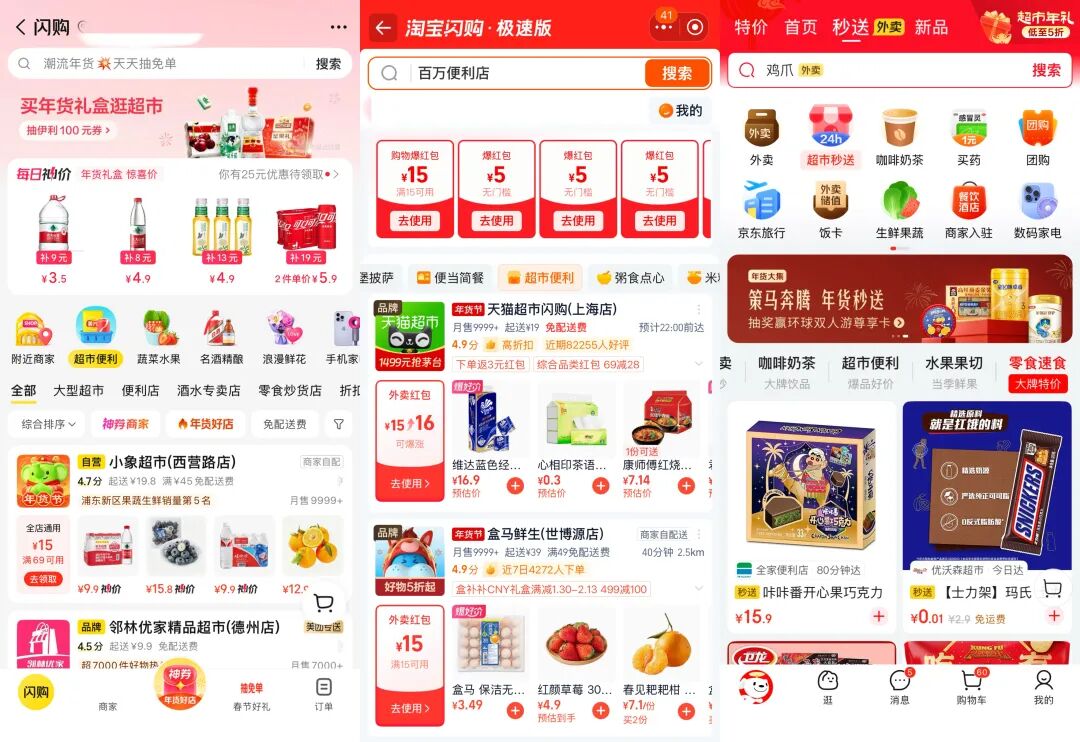
闪电仓大分化
远川研究所· 2026-02-09 13:05
Core Viewpoint - The article discusses the transition from the intense competition in food delivery to the emerging sector of instant retail, particularly focusing on the concept of "flash warehouses" which offer a wide range of products with rapid delivery times, highlighting the challenges and opportunities in this evolving market [3][12]. Group 1: Flash Warehouse Dynamics - Flash warehouses are positioned as a hybrid model that combines the variety of supermarkets with the speed of food delivery, aiming for cost efficiency similar to e-commerce [3][5]. - The operational complexity of flash warehouses is significant, requiring them to manage a large number of SKUs (5,000-8,000) and maintain a balance between supply and demand, which is challenging for new entrants [5][7]. - The influx of inexperienced operators during the food delivery boom has led to operational inefficiencies, affecting the overall reputation of the industry [7][9]. Group 2: Market Challenges - The withdrawal of subsidies has exposed the structural weaknesses of many flash warehouses, leading to a wave of closures among those who entered the market without a solid understanding of retail fundamentals [9][12]. - Successful operators in the flash warehouse space are those with prior retail experience who understand the importance of supply chain management and operational excellence [9][11]. - The article emphasizes that the instant retail market is not a fleeting trend but is expected to grow significantly, with projections indicating a market size exceeding 1 trillion yuan by 2026 [14]. Group 3: Future Outlook - The current phase of the instant retail market is characterized by a shift towards rational competition, where the focus is on meeting genuine local demand rather than relying on subsidies [14][15]. - Local operators who understand their market and can adapt to consumer needs are becoming the backbone of the flash warehouse sector, demonstrating the importance of localized strategies [15][19]. - The article concludes that the industry is moving towards a more sustainable model, rewarding those who prioritize long-term operational stability and customer satisfaction over aggressive expansion [19].

毛利不到10%,1.5折转让,闪电仓迎来半年生死线
凤凰网财经· 2025-11-29 12:09
Core Viewpoint - The rapid expansion of "flash warehouses" in China has led to a saturated market, with many operators struggling to maintain profitability and facing high turnover rates [4][10][11]. Group 1: Market Dynamics - Flash warehouses emerged to meet consumer demand for ultra-fast delivery, with major platforms like Meituan and Alibaba rapidly increasing their numbers [4][10]. - Meituan reported over 50,000 flash warehouses by Q2 2023, up from 30,000 in October 2022, indicating a growth rate of nearly 2,500 new warehouses per month [10]. - The average gross margin for flash warehouses has plummeted to around 10%, significantly lower than previous years, making profitability increasingly difficult [12]. Group 2: Operational Challenges - Many flash warehouse operators are caught in a "order-chasing" cycle, relying on low-priced fast-moving consumer goods to attract customers, which leads to losses [11][12]. - The operational model often results in a high turnover of warehouse owners, with some locations changing hands multiple times within a year due to unsustainable business practices [5][9]. - A significant number of flash warehouses are unable to achieve the necessary sales volume to remain viable, with many closing within months of opening [9][19]. Group 3: Future Outlook - Despite the challenges, the market for flash warehouses is projected to grow, with Meituan aiming for over 100,000 warehouses by 2027 and a market size of 200 billion yuan [15]. - The recent surge in instant retail sales during events like the "Double 11" shopping festival, which saw a 138.4% year-on-year increase, provides some optimism for operators [15][16]. - Operators are exploring smaller warehouse models to reduce costs and improve profitability, indicating a shift in strategy within the industry [17][18].

毛利不到10%,1.5折转让,闪电仓迎来半年生死线
3 6 Ke· 2025-11-28 02:59
Core Insights - The rapid growth of "flash warehouses" has led to a highly competitive and unsustainable market, with many operators struggling to maintain profitability and facing high turnover rates [2][5][10] Group 1: Market Dynamics - Flash warehouses emerged to meet consumer demand for ultra-fast delivery, with major platforms like Meituan and Alibaba rapidly expanding their networks [2][6] - The number of flash warehouses has surged, with Meituan reporting over 50,000 locations in just eight months, up from 30,000 [6][7] - The lack of regional protection agreements has contributed to the rapid proliferation of flash warehouses, leading to intense competition [7] Group 2: Operational Challenges - Many flash warehouse operators are experiencing financial difficulties, with average daily orders around 100 and profits insufficient to cover operational costs [1][5] - The average gross margin for flash warehouses has plummeted to about 10%, significantly lower than previous years, making profitability increasingly elusive [9][10] - Operators often resort to loss-leading strategies to attract customers, which further exacerbates their financial struggles [8][9] Group 3: Business Model Evolution - Some operators are shifting from larger warehouses to smaller, more manageable setups to reduce costs and improve profitability [12] - The industry is witnessing a trend towards optimizing supply chains and focusing on high-demand products to enhance operational efficiency [12][13] - The market is expected to undergo significant consolidation, with many warehouses likely to close as competition intensifies [12][13]
品牌商、经销商,不要低估闪电仓
3 6 Ke· 2025-11-19 11:39
Core Insights - The rapid expansion of flash warehouses in the instant retail sector is a significant trend, with Meituan's flash warehouse count exceeding 5,000 in September 2023 and projected to surpass 30,000 by October 2024, ultimately aiming for over 100,000 by 2027, with a market scale exceeding 200 billion [1][9]. Group 1: Reasons for Rapid Expansion - Flash warehouses are filling a gap in consumer demand for instant retail, offering a wider SKU range (4,000-10,000) and faster delivery (30 minutes), which traditional convenience stores struggle to provide due to limitations in inventory and replenishment frequency [4][5]. - The operational efficiency of flash warehouses, characterized by a higher SKU count, more frequent replenishment, and faster fulfillment, allows them to better match consumer needs and maintain low inventory risk [6][7]. - The strategic shift of platforms towards supply competition, with significant resource investments from major players like Meituan and Taobao, has accelerated the growth of flash warehouses [8][9]. Group 2: Challenges and Market Dynamics - The rapid increase in the number of flash warehouses has led to intense competition, particularly in densely populated urban areas, resulting in price wars and reduced profit margins for operators [10][12]. - Profitability has declined significantly, with net profit levels dropping to 3%-5% from earlier figures of 10%-15% due to increased competition and price pressure [14][16]. - The industry is experiencing a consolidation phase, with a shift from quantity-based growth to efficiency-based competition, highlighting the need for better inventory management and operational capabilities among warehouse operators [17][18]. Group 3: Implications for Distributors and Brands - Distributors must adapt to the evolving landscape of flash warehouses, either by establishing their own warehouses or by supplying to existing ones, focusing on enhancing their supply chain capabilities [20][21]. - Brands face challenges in adjusting their strategies to the new retail environment, where traditional methods of product display and pricing may not be effective in flash warehouses [22][23]. - To succeed in flash warehouses, brands need to develop a deeper understanding of instant retail dynamics, including SKU management, pricing strategies, and platform algorithms [22][23].
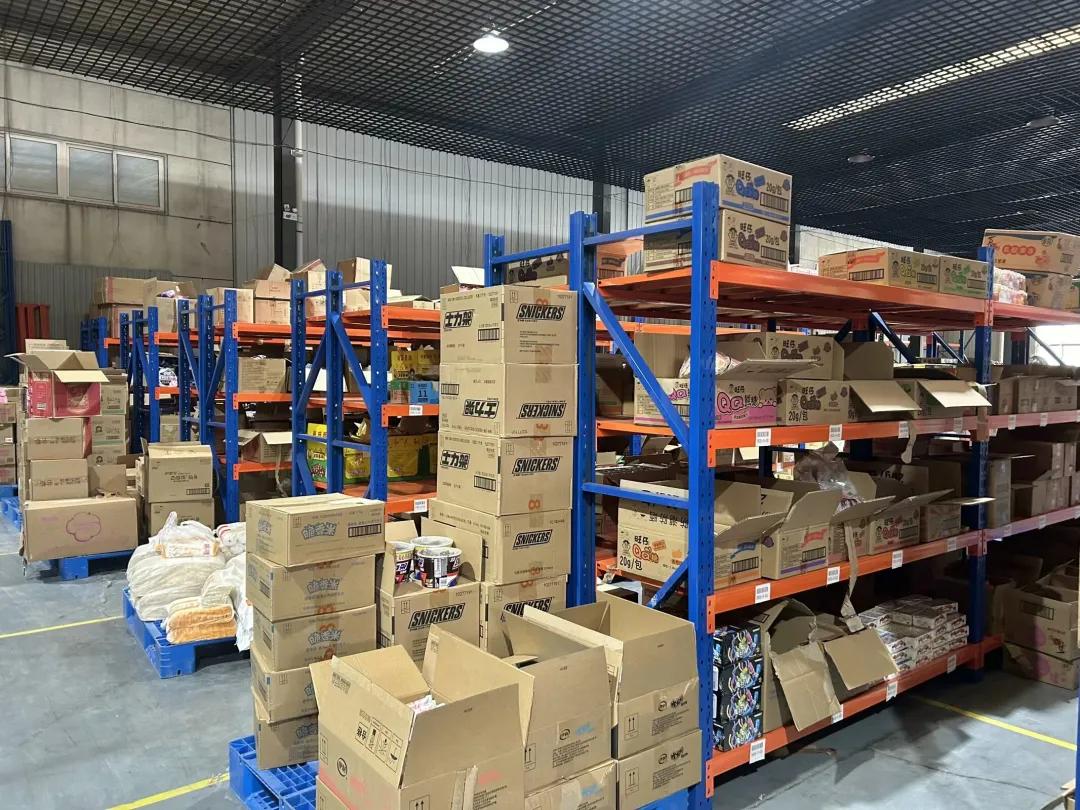
2025年双十一全网销售数据解读报告
Sou Hu Cai Jing· 2025-11-19 08:40
E-commerce Development Trends - The 2025 Double Eleven shopping festival marked a shift from traffic competition to a holistic ecosystem collaboration, focusing on a consumer-centric approach to create a comprehensive consumption ecosystem [1][8] - The trend of "truth-seeking" and "practicality" in consumer behavior emerged, with health-oriented consumption becoming prevalent, and domestic brands gaining favor through original design and technological innovation [1][10] Platform Marketing Changes - Marketing strategies have evolved to be more instantaneous, intelligent, and integrated across multiple business formats, with a simplification of promotional rules, where "one-item direct discount" has become mainstream [1][15] - AI technology is deeply integrated into consumer decision-making and merchant operational efficiency, transforming traditional e-commerce platforms into comprehensive consumption platforms [1][16] Sales Data Performance - Total online sales reached 1,695 billion yuan, achieving a resilient growth of 14.2% compared to the previous year [1][28] - Instant retail sales experienced explosive growth, with a year-on-year increase of 138.4%, driven by high-frequency consumption patterns [1][30] Consumer Trend Insights - Health-oriented consumption has permeated the market, with a simultaneous trend of quality upgrades and consumption segmentation [1][10] - The shift from "demand satisfaction" to "value resonance" indicates a deeper connection between consumers and brands, emphasizing the importance of brand loyalty and consumer engagement [1][10]