风险减量管理

Search documents
平安产险:以保险之力,精准护航“粤制造”发展
Nan Fang Nong Cun Bao· 2026-02-25 03:04
Group 1 - The core theme of the Guangdong High-Quality Development Conference focuses on the synergy between manufacturing and service industries, with Ping An Property & Casualty Insurance showcasing its innovative insurance services to support the high-quality development of Guangdong's manufacturing sector [2][3][5] - Ping An Property & Casualty Insurance has partnered with XAG Technology to create a digital underwriting and claims system for agricultural drones, addressing high operational risks and streamlining the insurance process [9][10][11] - The company has introduced a low-altitude economy insurance product, covering over 30,000 industrial drones and providing more than 13 billion yuan in risk protection, thereby reducing operational costs for drone users [12][13] Group 2 - Ping An Property & Casualty Insurance aims to support Guangdong's emerging manufacturing and technology sectors by offering comprehensive insurance solutions, including a financial package for embodied intelligent robots and risk coverage for semiconductor manufacturing [14][15][17] - By 2025, the company plans to provide risk protection exceeding 24.8 trillion yuan for 65,000 manufacturing clients in Guangdong, including over 10,000 technology enterprises [19][20] - The company emphasizes the importance of technology insurance as a means to address the dual challenges of risk aversion among tech companies and the financial sector's limited ability to assess technical risks [26][28][30] Group 3 - Ping An Property & Casualty Insurance is transitioning from a reactive compensation role to a proactive risk management approach, integrating disaster prevention, loss reduction, and claims processing into a unified risk management model [38][40][46] - The company has developed a "Internet of Things" platform that utilizes AI and edge computing to enhance risk management, providing 24/7 monitoring and intervention for various disaster scenarios [41][43][45] - By 2025, the platform is expected to deliver over 21.99 million warnings to more than 30,000 enterprise clients, resulting in a loss reduction of over 40 million yuan [48]



开展风险减量服务是保险行业大势所趋
Nan Fang Du Shi Bao· 2026-02-04 23:12
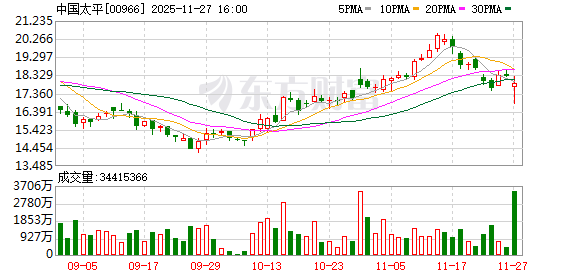
Core Viewpoint - The insurance industry is transitioning from being a "risk bearer" to a "risk reduction manager," which is a necessary choice to adapt to the economic and social development needs in the new era. New technologies like artificial intelligence are playing a positive role in reshaping the insurance value chain [3][4][5]. Group 1: Industry Trends and Challenges - The insurance industry is tasked with serving the "new quality productivity" and the important mission of financial "five articles." China Taiping aims to redefine its role in this new era by focusing on risk reduction management [3][4]. - Key challenges and opportunities identified include the need for a shift in development concepts, strengthening operational foundations, and deepening cross-sector collaboration to enhance risk reduction services [5][6]. - The industry is experiencing a profound transformation, with a focus on enhancing service quality and adapting to diverse customer needs, particularly in the life insurance sector [6][7]. Group 2: Life Insurance Transformation - The life insurance sector is undergoing a significant transformation, with China Taiping achieving notable success in the transition of dividend insurance products, leading to substantial growth in new business value [6][7]. - Core drivers for sustainable growth in life insurance include strong policy support, enhanced ecological services, financial technology empowerment, and channel transformation [6][7]. Group 3: Technological Integration - The application of AI and other advanced technologies is positively reshaping the insurance value chain, making previously uninsurable risks insurable and allowing for more flexible and precise product designs [8][9]. - In underwriting, big data enables differentiated assessments based on individual behaviors and risk statuses, leading to more reasonable pricing for customers [8][9]. - The use of AI and big data in claims processing enhances fraud detection and reduces operational costs, significantly improving efficiency and customer experience [9][10]. Group 4: Ecosystem Development - China Taiping is focused on building a modern customer service ecosystem that integrates insurance, investment, and ecological industry collaboration, aiming to enhance its support for core business development [11]. - Future initiatives include enriching health management services, accelerating the application of financial technology in insurance, and expanding the ecological "friend circle" to improve resource sharing and professional capabilities [11].


专访中国太平何士宏:开展风险减量服务是保险行业大势所趋
Nan Fang Du Shi Bao· 2026-01-30 10:37
Core Viewpoint - The insurance industry is undergoing a significant transformation from being traditional "risk bearers" to "risk reduction managers," which is seen as a necessary adaptation to meet the evolving demands of economic and social development in the new era [2][3][4]. Industry Trends - The "14th Five-Year Plan" emphasizes the insurance sector's role in supporting "new quality productivity" and the financial "five major articles," prompting insurance institutions to redefine their roles [2][3]. - The transition to "risk reduction management" is driven by increasing policy support, growing market demand, expanding business opportunities, and accelerated technological application [4][5][6]. Key Opportunities - Policy guidance has intensified, with the government issuing documents to promote risk reduction management services, such as the "National Ten Articles 3.0" [5]. - Market demand for risk management services is rising due to the increasing complexity of risks and heightened awareness among the public regarding risk management [5][6]. - The potential for business growth is expanding as insurance companies can offer risk assessment and management services, creating a win-win scenario for society, clients, and insurers [6]. - The integration of new technologies like AI and IoT is reshaping traditional insurance business models, enabling more effective risk management and service delivery [6][10]. Challenges - There is a need for a shift in development concepts within the insurance industry, moving from a sales-focused approach to a service-oriented one [6]. - The foundational capabilities for risk reduction services must be strengthened, as the industry has historically developed in a relatively crude manner [6]. - Cross-sector collaboration is essential for enhancing the quality of risk reduction services, requiring cooperation among government, enterprises, and research institutions [6]. Life Insurance Transformation - The life insurance sector is experiencing a profound transformation, with a focus on aligning products and services with diverse customer needs, particularly in areas like health and retirement [7][8]. - Key drivers for sustainable growth in life insurance include strong policy support, enhanced ecological services, financial technology empowerment, and channel transformation [8][9]. Technological Integration - AI and other advanced technologies are positively impacting the insurance value chain, allowing for the transformation of previously uninsurable risks into insurable ones [10][11]. - The use of big data and AI enhances fraud detection, operational efficiency, and customer experience, leading to a more proactive risk management approach [11][12]. Ecosystem Development - The company is focused on building a comprehensive "insurance + service" ecosystem, integrating health management and financial technology to better serve customer needs [12][13]. - Future initiatives will include expanding the health management service system, accelerating the application of financial technology, and enhancing collaborative mechanisms within the ecosystem [13].
助力“国潮”涌动:阳光财险护航文化产业高质量发展
Jin Rong Jie Zi Xun· 2025-12-25 09:27
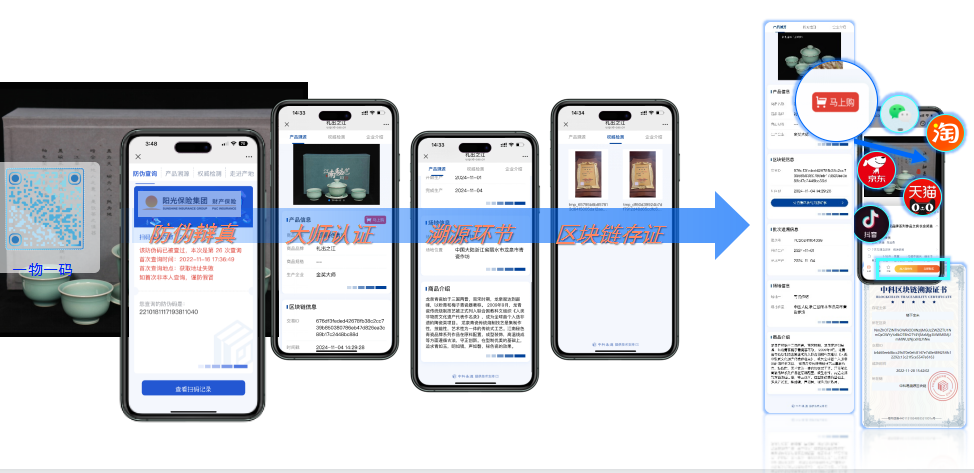
Core Viewpoint - The integration of digital technology, finance, and traditional culture is driving the innovative development of Chinese cultural industries, enhancing national confidence and contributing to economic growth [1]. Group 1: Cultural Industry Development - The company is actively promoting the integration of culture, technology, and digitalization to support the development of the cultural industry [1]. - Zhejiang Province is focusing on the revitalization of historical classic industries, with policies set to be implemented in June 2024 to promote innovation and high-quality development [2]. - The company has developed a customized insurance solution called "Zheli Bao" to address the specific needs of Zhejiang's historical classic industries, combining insurance with services [2]. Group 2: Technological Integration - The "Zheli Bao" solution includes a traceability platform based on blockchain technology, allowing consumers to verify the authenticity of products and understand their craftsmanship [2]. - The company provides legal support for intellectual property rights and has introduced intellectual property insurance to cover economic losses due to infringement [2]. Group 3: Risk Management - The company employs big data and IoT technologies to assist the cultural tourism industry in risk reduction management [4]. - A recent industry seminar focused on risk reduction and the protection of cultural heritage, discussing the impact of natural disasters on cultural relics and building safety [4]. - The company has conducted systematic fire safety inspections for hotels in Jiangsu and risk assessments for red tourism sites in Shaanxi, utilizing advanced technologies to enhance safety levels [4]. Group 4: Future Outlook - The company plans to leverage digitalization and integration to seize historical opportunities for deep cooperation between culture and finance, aiming for more precise product design and comprehensive risk management [6].
山东平安产险菏泽中心支公司:风雪中的守护,平安橙衣卫士在行动
Qi Lu Wan Bao· 2025-12-17 10:42
Core Viewpoint - The company has implemented a comprehensive risk reduction management model in response to severe weather conditions, ensuring the safety of lives and property while maintaining economic continuity [1][3]. Group 1: Emergency Response and Risk Management - The company activated its disaster emergency response mechanism promptly after receiving weather alerts, conducting a thorough inventory of emergency supplies and ensuring the availability of critical resources [1]. - A cross-regional support mechanism was established to optimize case handling efficiency through digital technologies such as remote loss assessment and video inspections [1][3]. - The company has shifted from traditional passive claims management to proactive risk reduction management, enhancing service quality and efficiency for clients [1][5]. Group 2: Client Services and Support Measures - Multiple service initiatives were launched to address the potential surge in claims due to snowfall, including disaster risk warnings and a 24-hour claims reporting service [3]. - A "现场救援+远程处理" (on-site rescue + remote processing) model was initiated, allowing non-essential claims to be handled remotely to minimize client exposure to harsh weather [3]. - The company has assigned personnel to monitor and report on claim volumes and resolutions, ensuring timely processing and preventing backlog [3]. Group 3: Agricultural Support and Disease Prevention - In collaboration with local livestock departments, the company initiated a "防灾护农" (disaster prevention and agricultural protection) action, conducting risk assessments for over 200,000 pigs across multiple farms [3]. - The company distributed over 800 pieces of disinfection supplies and protective clothing to high-risk farmers, establishing a "疫病直报绿色通道" (disease reporting green channel) to preemptively address potential outbreaks [3]. Group 4: Commitment to Service Quality - The company demonstrated its commitment to client safety and corporate responsibility through proactive measures during adverse weather conditions [5]. - Future efforts will continue to focus on enhancing service quality and efficiency, adhering to a people-centered approach and the principle of "finance for the people" [5].

从“灾后赔”到“灾前防”:中华财险河北分公司探索农业风险减量服务新路径
Jin Rong Jie Zi Xun· 2025-12-15 08:52
Core Viewpoint - The company is transitioning agricultural insurance from a traditional "post-disaster compensation" model to a focus on "pre-disaster prevention and intervention" risk reduction model, aiming to ensure national food security and stabilize farmers' income through innovative strategies and technology integration [1]. Group 1: Technology Integration - The company has developed a comprehensive risk reduction service system by integrating cutting-edge technologies such as remote sensing, IoT, and big data, creating a three-dimensional monitoring network that includes satellite, drone, and ground sensors [2]. - A data-sharing and early warning mechanism has been established with meteorological and agricultural departments, allowing for precise alerts on extreme weather and pest issues, thereby minimizing potential losses [2]. - The introduction of a "smart agricultural insurance client" has streamlined the data chain for underwriting and claims, significantly reducing the damage assessment process from an average of 7 days to under 48 hours, with a 95% accuracy rate [2]. Group 2: Innovative Models - The company is exploring a "dual precision" model for underwriting and claims, utilizing a "six-map operation method" to manage various agricultural data, ensuring accurate connections between people, land, and risks [4]. - In pilot areas, over 51,000 acres of farmland have been assessed, and 21,800 acres of corn insurance have been underwritten, providing risk coverage for 3,803 farmers [4]. Group 3: Cross-Industry Collaboration - The company is expanding its service boundaries by building a multi-dimensional risk reduction ecosystem, collaborating with institutions like Hebei Agricultural University to enhance product development and disaster assessment [6]. - The company supports local weather modification efforts to reduce disaster losses by 30%-50%, shifting the focus from compensation to disaster prevention [6]. Group 4: Risk Management and Operational Standards - The company emphasizes the importance of standardized operational management by establishing underwriting and claims standards, optimizing processes, and implementing a new generation agricultural insurance system for risk identification [9]. - The introduction of a "dual recording" system for key processes ensures transparency and reduces disputes, enhancing service quality and customer experience [9]. - The company's practices reflect its commitment to integrating into the national disaster prevention and reduction system, contributing to food security and rural revitalization efforts [9].
专属保险牵头制定国内首个《机动车燃油加油事故处置技术规范》
Zhong Guo Qi Che Bao Wang· 2025-12-12 13:44
Core Viewpoint - The introduction of the first technical standard for handling fuel refueling accidents in China aims to address the long-standing issues of lack of unified norms, responsibility delineation, and disputes in the industry, thereby enhancing safety and efficiency in fuel refueling operations [1][4][8] Group 1: Industry Context - As of September 2025, the number of motor vehicles in China reached 465 million, with fuel vehicles still dominating the market, leading to over 6 billion refueling incidents annually [1] - The lack of standardized procedures for handling fuel refueling accidents has resulted in difficulties in defining responsibilities, inconsistent repair standards, and frequent compensation disputes [4][6] Group 2: Development of the Standard - The technical standard, titled "Technical Specification for Handling Motor Vehicle Fuel Refueling Accidents" (T/CAMRA 031-2025), was jointly developed by PetroChina Exclusive Property Insurance Co., Ltd. and the China Automobile Maintenance Industry Association [1][6] - The standard was created after collecting over a thousand accident cases from the past three years, highlighting the challenges faced by repair enterprises due to the absence of unified fault determination methods and standards [4][6] Group 3: Implications of the Standard - The new standard provides a comprehensive operational guideline from accident definition to repair operation points, marking a significant step towards standardized procedures in the industry [6][8] - It aims to enhance the safety level of oil and gas retail enterprises and improve the operational efficiency of over 300,000 frontline gas station employees [6][8] - The standard serves as a guide for consumers, clarifying the judgment of accident outcomes, repair methods, and compensation bases, thus facilitating consumer rights protection [8] Group 4: Future Actions - The insurance company plans to conduct training sessions to promote the implementation of the standard in gas stations and automotive repair enterprises [8] - There is an ongoing commitment to explore and promote more specialized technical standards to further enhance safety levels within the industry [8]

平安产险风险减量项目荣获“2025央视财经金融强国年度盛典”数字金融年度案例
2 1 Shi Ji Jing Ji Bao Dao· 2025-12-09 07:03
Core Insights - The event "2025 CCTV Finance and Financial Power Annual Ceremony" highlighted significant strategies for deepening financial system reform and high-level financial openness, showcasing innovative practices in financial services for the real economy and high-quality development [1] Group 1: Financial Innovation and Risk Management - The "Small and Scatter Engineering Risk Management" project by Ping An Property & Casualty was recognized as a "Digital Finance" annual case, demonstrating the transition from "risk equalization management" to "risk reduction services" in the insurance industry [1][2] - The project utilizes an innovative model combining AI, liability insurance, and multi-party collaboration to enhance safety management in small construction projects, which are prone to accidents due to their characteristics [2][3] - The establishment of the Greater Bay Area Risk Reduction Collaborative Innovation Center aims to create a comprehensive governance system for small and scatter engineering safety management, employing AI for real-time alerts and expert interventions [2][3] Group 2: Technological Advancements in Risk Management - Ping An Property & Casualty has shifted its regulatory approach from reactive to proactive, implementing an AI digital education system that allows construction units to complete safety training in five minutes, achieving a coverage rate of 92% [3] - The company has developed the first domestic risk monitoring and hazard disposal backend for small and scatter engineering, utilizing AI to monitor 22 types of risks continuously [3][4] - The Greater Bay Area Risk Reduction Collaborative Innovation Center has recorded significant interventions, including 8,245 AI alerts and a 58% year-on-year decrease in insurance claims related to small engineering projects [3] Group 3: Industry Trends and Public Safety - The property insurance industry is transitioning from post-incident compensation to a comprehensive risk management approach that includes pre-warning, intervention during incidents, and post-incident compensation [4] - Ping An Property & Casualty is committed to enhancing public safety governance models through collaboration with industry associations and academic institutions, focusing on preventive measures [4][5] - The company has launched various educational initiatives and publications to raise awareness about risk management, including the "2025 China Family Risk White Paper" [5] Group 4: Technological Empowerment and Global Reach - The "Eagle Eye System," developed by Ping An Property & Casualty, integrates IoT technology and AI algorithms for 24/7 monitoring of various safety scenarios, including natural disasters [6][7] - The overseas version of the Eagle Eye System, named EagleX, aims to provide global risk management services, featuring risk mapping and disaster warning functionalities [6][7] Group 5: Community Engagement and Social Responsibility - The "Red and Green Light" public welfare project initiated by Ping An Property & Casualty focuses on improving rural traffic safety by donating traffic facilities and conducting safety education [8] - The project has reached 275 counties across 31 provinces, enhancing safety in high-risk areas and engaging local communities in traffic safety initiatives [8] - The initiative promotes a positive cycle of safe driving, public contribution, and reward through a dedicated app for drivers who participate in safety programs [8]
香港大埔火灾或触发多类保险赔偿
Bei Jing Shang Bao· 2025-11-27 16:13
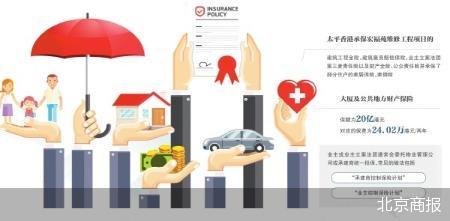
Core Viewpoint - The fire incident at Hong Kong's Mong Kok Yuen has raised significant concerns regarding fire hazards in high-rise residential buildings during construction, highlighting the need for a robust insurance mechanism that integrates risk management throughout the building's lifecycle [1][10][12] Insurance Coverage and Response - China Taiping Insurance (Hong Kong) has provided comprehensive coverage for the Mong Kok Yuen project, including construction all-risk insurance, employee compensation insurance, third-party liability insurance, and property insurance, indicating a potential payout in the hundreds of millions of Hong Kong dollars [3][4] - The insurance scheme for Mong Kok Yuen includes a property insurance coverage of HKD 2 billion with a premium of HKD 240,200 for two years, and public liability insurance with a coverage of HKD 10 million per incident [4][5] - The insurance company has activated an emergency response mechanism to ensure prompt claims processing, adhering to principles of "quick compensation" and "full compensation" [3][4] Risk Management and Prevention - The incident has sparked discussions on the necessity of transforming insurance from a post-disaster compensation tool to a proactive risk management partner throughout the design, construction, and operation phases of buildings [1][10][12] - There is a recognized need for dynamic risk assessment mechanisms and differentiated risk control strategies, particularly in the context of aging residential areas and high-rise building maintenance [1][10][12] - The fire's rapid spread was attributed to environmental factors, such as low humidity and high winds, emphasizing the importance of understanding risk sources in fire prevention strategies [10][11] Industry Trends and Future Directions - The insurance industry is moving towards a model that emphasizes risk reduction and prevention, with a focus on preemptive measures to lower disaster rates and enhance public safety [12][13] - There is a growing trend for insurance companies to offer higher coverage limits and broader fire insurance products in response to increased awareness of fire risks among property owners [7][12] - The concept of risk reduction management is still in its early stages across various sectors, indicating significant room for improvement and development in the future [11][12]
香港宏福苑火灾或触发多类保险赔偿 前置减损再引关注
Bei Jing Shang Bao· 2025-11-27 15:09
Core Viewpoint - The fire incident at Hong Kong's Mong Kok Yuen has raised significant concerns regarding fire hazards in high-rise residential buildings during construction and the associated insurance coverage mechanisms [2][11] Insurance Coverage - China Taiping Insurance (Hong Kong) has provided comprehensive insurance coverage for the Mong Kok Yuen project, including construction all-risk insurance, employee compensation insurance, and property insurance, with a total premium of 337,700 HKD for two years [4][5] - The building and common area property insurance has a coverage limit of 2 billion HKD, while public liability insurance covers personal injury and third-party liability with limits of 10 million HKD and 200 million HKD respectively [4][5] Risk Management - The incident highlights the need for insurance to evolve from merely compensating for losses to becoming a partner in risk management throughout the lifecycle of building design, construction, and operation [2][11] - There is a significant opportunity for improvement in risk management practices, particularly in the renovation of old neighborhoods and maintenance of high-rise buildings, necessitating dynamic inspection mechanisms and differentiated risk control strategies [2][11] Fire Insurance Insights - Fire insurance is a critical component of property insurance in Hong Kong, typically covering structural damage from fire, lightning, and explosions, but not personal property [8][9] - The market has seen an increase in awareness and demand for fire insurance, leading to higher coverage limits and premiums as a response to recent high-rise fire incidents [9][10] Risk Reduction Strategies - The fire incident has sparked discussions on risk reduction strategies, emphasizing the importance of preemptive measures to mitigate risks associated with construction and building maintenance [12][13] - The insurance industry is encouraged to adopt a proactive approach, focusing on risk assessment and prevention to enhance societal safety and stability [12][13]