
高性价比餐饮

Search documents
巴比食品20260129
2026-01-30 03:11
Summary of Baba Foods Conference Call Company Overview - Baba Foods is actively transforming its business model by opening new types of dumpling stores, with a payback period reduced to within six months, showing excellent performance. Currently, over 40 such stores have been opened, with plans to convert over 80% of its existing 6,000 stores into dumpling stores to enhance revenue scale [2][3][6]. Business Channels - The company's business is primarily divided into three channels: - Franchise (75% of revenue) - Directly operated stores (1.3%) - Group meal sales (23%) - As of the end of 2024, the number of franchise stores is expected to reach 5,143, with a target of around 6,000 by the end of 2025 [2][5]. Financial Performance - The average single-store revenue in different regions is as follows: - East China: 300,000 yuan - North China: 260,000 yuan - South China: 140,000 yuan - Central China: 100,000 yuan - Despite a decline in same-store sales due to the pandemic and national expansion, measures such as extending operating hours and increasing delivery services have led to gradual recovery [5][6]. New Dumpling Store Model - The new dumpling stores, which are larger (60-80 square meters), offer a variety of products and have a payback period shortened to six months. The average daily sales for new stores are stable at over 7,000 yuan, with potential increases from delivery services [6][9]. - The revenue contribution from dumpling stores averages around 30%, significantly enhancing overall profitability [8]. Growth Projections - Revenue growth for Baba Foods is projected to be around 20% in 2026, with non-GAAP net profit growth expected between 21% and 22%, translating to approximately 330 to 340 million yuan [3][4]. - The company aims to achieve a market capitalization of 8 billion to 10 billion yuan, with a historical market cap range of 12 billion to 14 billion yuan during its initial public offering [3][12]. Strategic Acquisitions - Baba Foods has expanded its market share through acquisitions, adding 548 new stores from brands like Nanjing Qinglu and Jiangxi Xunweilai, and completing a project to acquire 250 stores from the Manxiangren brand [4][7]. Future Development Plans - The company plans to accelerate the expansion of new dumpling stores and convert existing small takeaway stores into larger formats. Pilot projects for small takeaway models have shown stable daily sales of 6,000 to 7,000 yuan [10]. - The focus will be on optimizing product structure, improving product quality, and enhancing marketing management to further increase single-store sales [7][11]. Market Positioning - The success of the dumpling business model is attributed to its high cost-performance ratio, appealing to modern young consumers with affordable meal prices averaging 12-15 yuan per person [11]. Conclusion - Baba Foods is positioned for significant growth through its innovative store formats, strategic acquisitions, and a strong focus on enhancing customer experience, with a realistic target of achieving a market cap of 10 billion yuan in the near future [12].

比格比萨趁势上市 自助模式能走多远?
BambooWorks· 2026-01-20 09:55
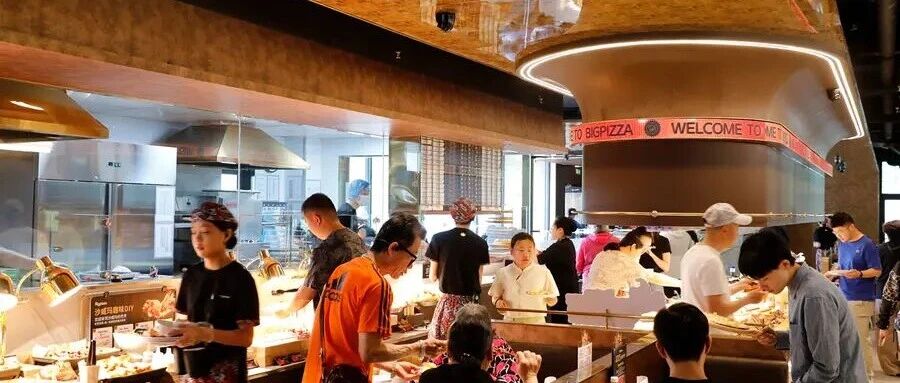
Core Viewpoint - Big Pizza, the third-largest pizza chain in China, is applying for a listing in Hong Kong, aiming to promote its successful business model to the capital market [2][3]. Group 1: Company Overview - Big Pizza is the largest domestic pizza chain in China, following international giants Pizza Hut and Domino's [2][3]. - The company has accelerated its expansion, with a more than 50% year-on-year increase in store count and double-digit same-store sales growth [2][3]. Group 2: Business Model and Strategy - The self-service model attracts customers seeking value for money, particularly appealing to those with larger appetites [3]. - Big Pizza emphasizes a self-operated store strategy, contrasting with many competitors that rely on franchise models for rapid growth [5]. - The company has implemented a localization strategy, being one of the first to introduce fruit pizzas, which aligns with Chinese dining culture that favors diverse flavors [5]. Group 3: Financial Performance - In the first nine months of last year, Big Pizza's revenue increased by 67% year-on-year, rising from 833 million yuan to 1.39 billion yuan [6][8]. - The company reported a profit growth of 59% to 51.6 million yuan during the same period, slightly outpacing the rate of store expansion [9]. - Approximately 85% of the company's revenue comes from self-operated stores, with the remainder from a smaller franchise business [6]. Group 4: Market Position and Competition - Big Pizza holds a market share of approximately 4.3%, significantly lower than Pizza Hut's 30.1% and Domino's 10.1% [8]. - The company's gross merchandise volume (GMV) surged by 59.2% year-on-year, outperforming competitors like Pizza Hut, which saw only a 0.8% increase, and Domino's at 25.3% [8]. - Despite a decline in average spending per customer, the foot traffic increased due to the pursuit of high value for money [8].

“瘦瘦针”用户更舍得下馆子?精明餐厅已主动变招
Xin Lang Cai Jing· 2026-01-14 03:05
Core Insights - Olive Garden is piloting smaller, lower-priced meals to meet consumer demand for better value dining, which will be rolled out nationwide in January 2026 [1] - The rise in popularity of GLP-1 receptor agonists, such as Ozempic, is influencing dining habits, with users reportedly dining out less frequently but spending more when they do [2][3] - Many restaurants are adapting their menus to cater to the needs of GLP-1 users, with a focus on high-protein and high-fiber options [3][5] Group 1: Company Initiatives - Olive Garden's smaller portion meals include unlimited breadsticks and are designed to appeal to a broader customer base, not just GLP-1 users [1][4] - Chipotle has introduced a new high-protein chicken cup priced around $4, aligning with current consumer trends for budget-friendly and protein-rich options [1] - Smoothie King launched a GLP-1 exclusive menu featuring high-protein and fiber-rich smoothies, indicating a proactive approach to meet the dietary needs of this demographic [6] Group 2: Market Trends - Research indicates that households with GLP-1 users are spending more on dining out, contradicting initial concerns that these medications would reduce restaurant visits [2] - 59% of Americans prefer restaurants that offer flexible or customizable portion sizes, with this preference rising to 73% among GLP-1 users [5] - A significant portion of restaurant operators (43%) remain uninterested in catering to GLP-1 users, despite the growing trend and demand for tailored dining options [7]
五星酒店卖牛马盒饭,断了多少预制菜连锁的后路?
36氪· 2025-10-17 00:21
Core Viewpoint - The article discusses the surprising trend of five-star hotels selling affordable takeout meals, which has become popular among working-class individuals seeking quality food at reasonable prices [4][12][53]. Group 1: Five-Star Hotels' Shift to Takeout - Five-star hotels, traditionally seen as high-end dining establishments, are now selling takeout meals at street-level prices, indicating a significant shift in their business model [4][26]. - The trend began during the pandemic when hotels sought to maintain operations by offering their kitchen resources to the public through takeout services [27][29]. - The prices for these takeout meals are significantly lower than in-house dining, with examples showing a price reduction of nearly 20% for similar dishes [24][32]. Group 2: Consumer Response and Market Dynamics - Consumers, particularly working-class individuals, have shown a strong interest in these offerings, viewing them as a more affordable and trustworthy alternative to typical takeout options [53]. - The article highlights a growing sentiment among consumers who are increasingly wary of pre-packaged meals and are seeking healthier, more reliable food sources [30][50]. - There is a concern about the sustainability of this trend, with some questioning whether the quality will be maintained over time as hotels face pressure to cut costs [36][38]. Group 3: Broader Implications for the Food Industry - The emergence of five-star hotels in the takeout market reflects a broader trend of upscale establishments adapting to changing consumer preferences and economic pressures [29][36]. - This shift may also serve as a marketing strategy for hotels to increase visibility and attract new customers without significant advertising costs [38]. - The article suggests that this trend could lead to a redefinition of dining experiences, making high-quality food more accessible to a wider audience [53].
绿茶集团(06831):中式融合菜引领者,打造高性价比大众餐厅
CMS· 2025-09-19 08:45
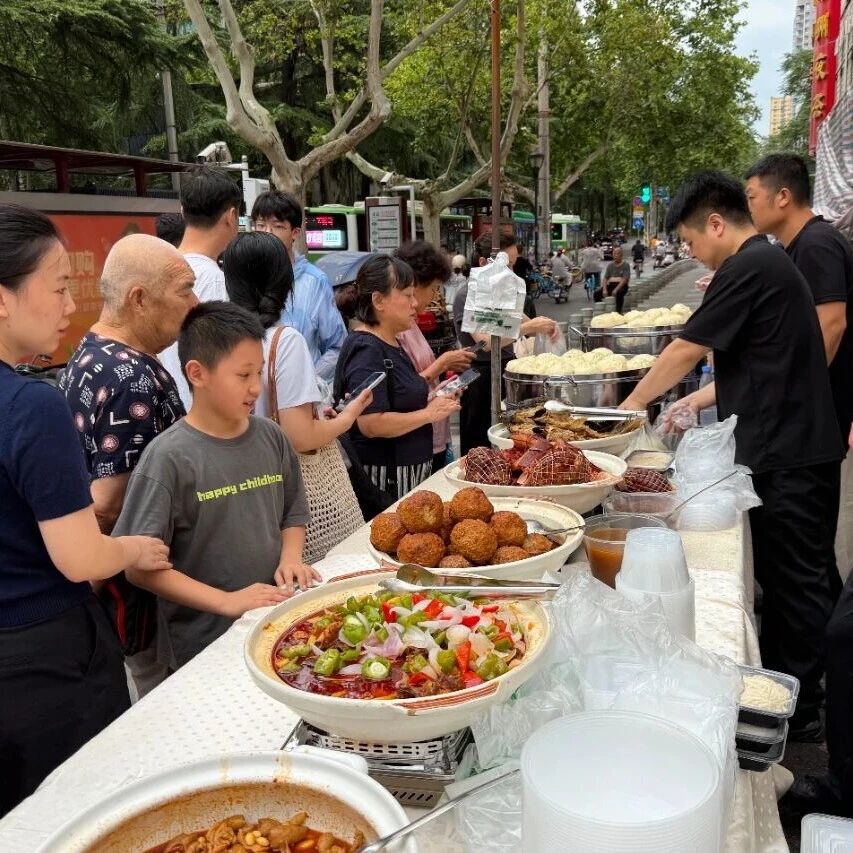
Investment Rating - The report gives a "Strong Buy" rating for the company with a target price of HKD 11.8, while the current stock price is HKD 7.05 [3]. Core Insights - The company, Green Tea Group, is a leader in the Chinese casual dining sector, focusing on high-cost performance fusion cuisine and expanding its restaurant network primarily in East China, North China, and Guangdong [1][7]. - The company has shown rapid growth in revenue and profit, with a significant increase in the number of restaurants, reaching 502 by mid-2025, representing a year-on-year growth of 28.7% [7]. - The Chinese casual dining market is projected to grow, with the market size expected to reach RMB 534.7 billion in 2024, reflecting a year-on-year increase of 7.4% [51]. - Green Tea's strategy includes a focus on small store formats, regional expansion, and market penetration, which is expected to drive future growth [7][26]. Financial Data and Valuation - Total revenue is projected to grow from RMB 3,589 million in 2023 to RMB 8,386 million by 2027, with a compound annual growth rate (CAGR) of 27% [2]. - The net profit attributable to shareholders is expected to increase from RMB 295 million in 2023 to RMB 785 million by 2027, with a remarkable growth rate of 1,669% in 2023 [2]. - The company’s price-to-earnings (PE) ratio is projected to decrease from 14.7 in 2023 to 5.5 by 2027, indicating an attractive valuation [2]. Market Overview - The casual dining market in China is characterized by a strong demand for cost-effective dining options, with consumer preferences shifting towards high-value meals [51][59]. - The market for casual dining restaurants is expected to continue expanding, with a projected market share increase from 16% in 2020 to 19.3% by 2029 [51]. - The competitive landscape is evolving, with a trend towards standardization and digitalization in restaurant operations, which enhances efficiency and customer experience [62][63]. Competitive Advantages - Green Tea's unique selling proposition lies in its fusion cuisine, which combines various culinary styles to attract a diverse customer base [17][18]. - The company has a robust supply chain and a strong focus on menu innovation, with significant investments in research and development to maintain customer interest [7][20]. - The small store format strategy allows for quicker returns on investment, with a payback period of approximately 14-15 months for new openings [7][26].
对话绿茶王勤松: 做大众餐饮,高性价比是首选商业模式
晚点LatePost· 2025-06-09 12:44
Core Viewpoint - The company aims to establish itself as a long-lasting enterprise, akin to a "evergreen tree," focusing on high cost-performance in the restaurant industry [1][33]. Group 1: Company Background and Development - The company, founded by Wang Qinsong, transitioned from a youth hostel to a restaurant business in 2008, emphasizing fusion cuisine and high cost-performance [3][31]. - The first restaurant opened in Hangzhou, followed by rapid expansion to major cities like Beijing, Shanghai, and Hong Kong, with plans to enter Southeast Asia and Europe [4][24][29]. - As of the end of 2024, the company operates 465 restaurants across China, with a goal to exceed 1,000 locations in the future [4][9]. Group 2: Business Strategy and Market Position - The company focuses on high cost-performance as a key strategy, with average customer spending around 50-60 yuan [5][31]. - In response to market challenges, the company has optimized initial investment costs and simplified restaurant designs, reducing costs by approximately 25% [7][8]. - The company has implemented a profit-sharing mechanism, distributing about 15% of store profits to core team members to enhance motivation and operational efficiency [6][12]. Group 3: Product and Menu Strategy - The company emphasizes the use of high-quality ingredients, such as premium oils and fresh produce, to maintain product quality despite competitive pricing [5][31]. - New popular dishes have been introduced, such as garlic vermicelli-wrapped shrimp, which have improved overall profit margins [7][8]. - The company has taken a strong stance against pre-prepared dishes, quickly removing a controversial dish from the menu and promoting a "no pre-prepared dishes" policy [6][17][20]. Group 4: Market Challenges and Adaptations - The restaurant industry in China is facing significant challenges, with declining consumer spending and increased competition [6][30]. - The company has adjusted its strategies to address these challenges, including menu optimization and a focus on enhancing the dining experience [7][8]. - The company is also exploring opportunities in lower-tier cities, aiming for a more extensive market presence [9][11]. Group 5: Future Outlook - The company plans to continue expanding its footprint in both domestic and international markets, with a focus on maintaining high quality and cost-performance [29][30]. - The company is committed to adapting its menu and operational strategies to meet the preferences of diverse consumer groups in new markets [30][31].

这家初代网红餐厅启动招股,紫燕、正大等8家基石锁定6.73亿港元
Zheng Quan Shi Bao Wang· 2025-05-08 14:33
Core Viewpoint - Green Tea Group is launching its IPO on the Hong Kong Stock Exchange, aiming to raise approximately HKD 12.11 billion through the issuance of 168.364 million shares at an offer price of HKD 7.19 per share, with plans for expansion and infrastructure upgrades [1][2]. Group 1: IPO Details - The IPO will involve a global offering of 168.364 million shares, with 117.854 million new shares representing 25% of the total shares post-issue [1]. - The company has secured eight cornerstone investors who collectively subscribed for approximately HKD 673 million worth of shares [2]. - The funds raised will be allocated for expanding the restaurant network, establishing central food processing facilities, upgrading IT systems, and general corporate purposes [1]. Group 2: Company Background - Green Tea Group originated from a youth hostel established in 2004 in Hangzhou and opened its first restaurant in 2008, growing to a national network of 489 restaurants across 21 provinces, four municipalities, and two autonomous regions by April 2024 [2]. - The company is recognized as the third-largest casual Chinese restaurant brand by the number of restaurants and fourth by revenue in mainland China [3]. Group 3: Business Strategy and Performance - The company focuses on a diverse menu with popular dishes like Green Tea Roasted Chicken and Flame Shrimp, maintaining a high cost-performance ratio with an average consumer spending of RMB 50 to 70 [3]. - Revenue figures for 2022, 2023, and 2024 were reported at RMB 2.375 billion, RMB 3.589 billion, and RMB 3.838 billion, respectively, with net profits of RMB 17 million, RMB 296 million, and RMB 350 million [3]. - Future expansion plans include opening 150, 200, and 213 new restaurants in 2025, 2026, and 2027, focusing on smaller outlets for higher turnover rates and lower costs [3].