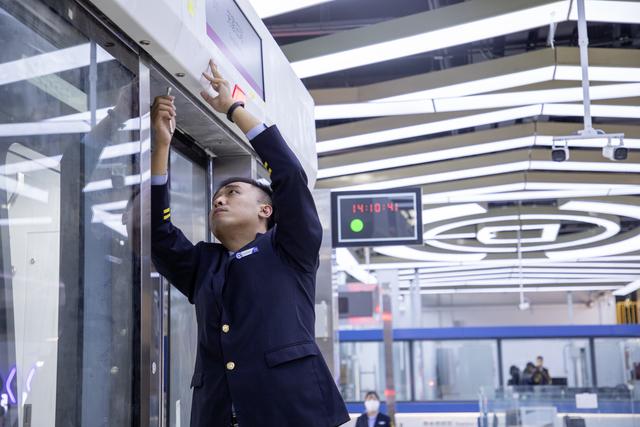
高技能人才培养

Search documents
以匠心践初心 以青春赴使命
Xin Lang Cai Jing· 2026-02-25 18:56
Core Viewpoint - The article highlights the commitment of Liu Yanbing, a representative from the equipment manufacturing industry, to enhance the quality of manufacturing and the importance of skilled talent in driving the industry's transformation and upgrading [1][2]. Group 1: Industry Development - Liu Yanbing emphasizes that the high-quality development of the manufacturing sector is crucial for the overall economic growth of the country, linking it to national security [1]. - He has participated in eight specialized research activities focusing on the development of the new energy industry, agricultural product production, and the implementation of the Forest Law, which has provided him with a broader understanding of national development [1]. Group 2: Talent Development - Liu Yanbing plans to propose tax incentives to enhance the training of high-skilled workers, aiming to improve their sense of professional honor and social belonging, thereby attracting more young talents to the manufacturing sector [1]. - The article underscores the importance of talent as a key support for the transformation and upgrading of the manufacturing industry [1]. Group 3: Commitment to Quality - Liu Yanbing and his team are actively engaged in high-precision civilian research product manufacturing, focusing on equipment technology upgrades and process improvements to ensure high-quality product delivery [2]. - He views his role as a representative not only as an honor but also as a responsibility to voice the expectations of fellow workers in the industry [2]. Group 4: Personal Dedication - Liu Yanbing is portrayed as a dedicated individual who balances his responsibilities as a representative with his commitment to his work, embodying the spirit of craftsmanship [2][3]. - His journey from the workshop to the People's Congress reflects a steadfast commitment to serving national development and promoting industry upgrades [3].
职业教育教学焕新升级:重点增设低空经济等领域新专业,加强人工智能课程设置
Bei Jing Shang Bao· 2026-02-12 13:01
Core Viewpoint - The Ministry of Education's "Opinions on Deepening the Reform of Key Elements in Vocational Education" aims to establish an advanced standard system for vocational education by 2027, focusing on the development of high-skilled talent and addressing current educational shortcomings [1][3]. Group 1: Reform Objectives - By 2027, an advanced standard system for vocational education's majors, courses, teaching materials, teachers, and practical training will be established, creating a replicable and promotable new paradigm for teaching reform [3][4]. - The reform will include the dynamic adjustment of professional settings, focusing on high-skilled talent cultivation, and the establishment of a rapid response channel for new professional additions in emerging industries [3][4]. Group 2: Curriculum Development - The curriculum will be designed to align with industry upgrades and technological advancements, incorporating the latest standards and techniques into professional courses [4][6]. - There will be an emphasis on strengthening STEM education and general courses in artificial intelligence, while also integrating engineering and humanities courses into various professional fields [4][6]. Group 3: Teacher Development - The reform includes specific requirements for teacher capabilities, focusing on professional theory, practical skills, teaching abilities, and research capabilities, with a clear competency checklist for teacher training [6][7]. - A dual-flow mechanism for teachers and industry talent will be established, along with the introduction of industry mentors to enhance teaching quality [6][7]. Group 4: Implementation and Evaluation - The Ministry of Education will implement a high-skilled talent cluster training plan, focusing on key industries and ensuring that educational reforms are integrated into school assessments and funding allocation [6][7]. - Provincial education departments will be responsible for developing specific implementation plans, ensuring that the reform outcomes are effectively evaluated and integrated into the overall development of vocational schools [6][7].


职业教育将动态调整专业设置,重点增设人工智能等领域新专业
Xin Lang Cai Jing· 2026-02-12 03:05
Core Viewpoint - The Ministry of Education has issued a new document aimed at reforming key elements of vocational education, addressing mismatches between talent cultivation and industry needs, and establishing a new standard system by 2027 [1][2]. Group 1: Key Tasks - The document outlines five key tasks, including dynamic adjustment of professional settings and focusing on high-skill talent cultivation goals [2]. - It emphasizes the use of big data and artificial intelligence to predict talent supply and demand in key areas, providing a scientific basis for professional adjustments [2]. - A rapid response channel for new professional additions will be explored, targeting emerging and future industries [2]. Group 2: Curriculum Development - The document calls for timely integration of the latest standards, technologies, and processes into professional courses, aligning with industry upgrades [4]. - It highlights the need for strengthening STEM education and incorporating cultural foundations and artificial intelligence into general education courses [4]. - The establishment of a qualification recognition system for skilled workers with teaching experience is encouraged, linking their teaching roles to evaluation and promotion [4].
教育部就《关于深化职业教育教学关键要素改革的意见》答记者问
Yang Shi Wang· 2026-02-12 02:12
Core Viewpoint - The Ministry of Education has issued the "Opinions on Deepening the Reform of Key Elements in Vocational Education Teaching," aiming to enhance the quality of high-skilled talent cultivation through systematic reforms in professional settings, courses, teaching materials, teachers, and practical training [2][4]. Group 1: Background and Purpose - The unique value of vocational education lies in the cultivation of high-skilled talent, which is essential for aligning with industrial, economic, and social development [2]. - The "Education Strong Nation Construction Plan Outline (2024-2035)" emphasizes the need for reform in vocational education teaching elements to address mismatches in talent cultivation [2]. - The Ministry of Education plans to implement a "High-Skilled Talent Cluster Cultivation Plan" by April 2025, focusing on six key fields, including new energy vehicles, where there is a significant skills gap [2]. Group 2: Development Process of the Opinions - The development of the "Opinions" took over a year, involving field visits, discussions, and consultations with relevant stakeholders to identify existing issues and gather feedback [3]. Group 3: Main Content of the Opinions - The "Opinions" consist of four parts: overall requirements, main tasks, improvement of reform mechanisms, and strengthening organizational implementation [4]. - The overall requirements emphasize the need to focus on national strategies, regional development, and the comprehensive development of individuals while establishing advanced standards for vocational education by 2027 [4]. Group 4: Key Tasks - Five key tasks are outlined: dynamic adjustment of professional settings, scientific design of course combinations, optimization of teaching materials, refinement of teacher capability lists, and establishment of practical training bases [5]. - Specific measures include timely adjustments to professional offerings, development of new courses, and enhancement of teaching materials to meet industry needs [5]. Group 5: Reform Mechanisms - The implementation of the "High-Skilled Talent Cluster Cultivation Plan" is emphasized, along with the establishment of a reform team led by key stakeholders from enterprises and educational institutions [6][7]. - A mechanism for the interlinked reform of teaching elements is proposed to ensure a cohesive approach to vocational education [7]. Group 6: Characteristics of the Opinions - The "Opinions" represent a significant update since 2015, focusing on high-skilled talent cultivation and aligning educational reforms with national and industrial needs [8]. - The document aims to activate the inherent motivation of enterprises to participate in vocational education through innovative mechanisms and collaboration [9]. Group 7: Implementation Strategies - Provincial education departments are tasked with creating specific implementation plans and integrating reform outcomes into evaluation and funding systems [10]. - Vocational schools are encouraged to prioritize the reform of teaching elements as a central aspect of their development [10].
职业教育教学关键要素改革的主要任务和特点是什么?教育部解答
Yang Shi Xin Wen· 2026-02-12 02:09
Core Viewpoint - The Ministry of Education has issued the "Opinions on Deepening the Reform of Key Elements in Vocational Education Teaching," aiming to enhance the quality of high-skilled talent cultivation through systematic reforms in professional settings, courses, teaching materials, teachers, and practical training [2][4]. Group 1: Background and Purpose - The unique value of vocational education lies in cultivating high-skilled talent, with key teaching elements being crucial for quality [2]. - The "Education Strong Nation Construction Plan Outline (2024-2035)" emphasizes the need for reform in vocational education teaching elements to address mismatches with industry and societal needs [2]. - The "High-Skilled Talent Cluster Cultivation Plan" will be implemented by April 2025, focusing on six key fields, including new energy vehicles, to promote systematic reforms [2]. Group 2: Development Process - The development of the "Opinions" took over a year, involving field visits, discussions, and consultations with various stakeholders to identify issues and gather feedback [3]. Group 3: Main Content - The "Opinions" consist of four parts: overall requirements, main tasks, reform mechanism improvement, and organizational implementation [4]. - The overall requirements emphasize aligning reforms with national strategies and establishing a standard system for vocational education by 2027 and a unique Chinese vocational education model by 2035 [4]. Group 4: Key Tasks - Five key tasks include dynamic adjustment of professional settings, scientific design of course combinations, optimization of teaching materials, refinement of teacher capability lists, and establishment of practical training bases [5]. - Specific measures are proposed for each task to ensure alignment with industry needs and educational standards [5]. Group 5: Reform Mechanism - The plan includes implementing the "High-Skilled Talent Cluster Cultivation Plan" at multiple levels and establishing a leadership mechanism involving key stakeholders [6][7]. - A focus on the interrelatedness of professional settings, courses, teaching materials, teachers, and practical training is emphasized to ensure cohesive reforms [7]. Group 6: Characteristics of the Opinions - The "Opinions" represent a significant update since 2015, focusing on high-skilled talent cultivation and aligning educational reforms with national and industrial needs [8]. - The document aims to activate the inherent motivation of enterprises to participate in vocational education through innovative mechanisms [9]. - A systematic approach to reforming teaching elements is highlighted, breaking away from isolated reforms and promoting comprehensive changes [9]. Group 7: Implementation Strategies - Provincial education departments are tasked with creating specific implementation plans and integrating reform outcomes into evaluation and funding systems [10]. - Local educational bodies and vocational schools are encouraged to focus on the key elements of teaching reform and enhance collaboration within educational communities [10].
教育部:5大任务深化职业教育教学关键要素改革
Xin Hua She· 2026-02-12 02:06
Core Viewpoint - The Ministry of Education has issued the "Opinions on Deepening the Reform of Key Elements in Vocational Education Teaching," aiming to transform talent cultivation from traditional knowledge transmission to comprehensive ability enhancement, promoting a systematic leap in vocational education and creating a high-skilled talent cultivation ecosystem [6][10]. Group 1: Reform Tasks - Five major reform tasks are proposed: dynamic adjustment of professional settings, scientific design of course combinations, optimization of textbook presentation, refinement of teacher capability lists, and construction of industry-education integration internship training bases [6][11][12][13][14][15][16]. - The dynamic adjustment of professional settings will focus on high-skilled talent cultivation, utilizing big data and AI for precise predictions of talent supply and demand, and establishing a rapid response channel for new professional additions [11][12]. - The scientific design of course combinations will integrate the latest standards and technologies into professional courses, ensuring alignment with industry needs and enhancing the curriculum structure [13]. - The optimization of textbook presentation will involve collaborative development among schools, enterprises, and industries, introducing diverse formats and digital resources [14]. - The refinement of teacher capability lists will focus on enhancing teachers' professional development and establishing a dual-flow mechanism between teachers and enterprises [15]. - The construction of internship training bases will promote hands-on experience in real production environments, supporting the development of practical skills [16]. Group 2: Reform Mechanisms - The reform mechanisms will include the promotion of high-skilled talent cluster cultivation plans, establishing a leadership mechanism involving key enterprises and high-level schools, and creating a linked reform mechanism for teaching key elements [7][18]. - The high-skilled talent cluster cultivation plan will be implemented at national and provincial levels, aligning with local industry needs and enhancing collaboration among educational institutions and enterprises [17]. - The leadership mechanism will involve a team of heads from leading enterprises, high-level schools, and industry organizations to oversee the reform implementation [17]. - The linked reform mechanism will ensure a systematic approach to integrating professional, course, textbook, teacher, and internship training elements [18]. Group 3: Implementation and Goals - The overall goal is to establish an advanced standard system for vocational education by 2027 and to create a practical model of vocational education with Chinese characteristics by 2035 [10]. - The implementation will require active participation from educational administrative departments, vocational schools, and industry enterprises, focusing on collaborative efforts to enhance the quality of vocational education [18].

“首席”领航,人才与产业同频共振
Xin Lang Cai Jing· 2026-01-15 18:26
Core Insights - The article highlights the initiatives taken by Fengtai District in Beijing to enhance high-skilled talent development, which is crucial for driving high-quality industrial growth [1][2][3] Group 1: Talent Development Initiatives - Fengtai District focuses on cultivating "chief technicians" and "chief employees" while establishing skill master studios to strengthen the high-skilled talent support system [1] - A four-tier high-skilled talent evaluation and promotion system has been established, creating a "master talent pool" that aligns talent growth with industrial needs [1] - Over 100 high-skilled talents at the district level and above have been recognized, covering key sectors such as aerospace, high-end manufacturing, and information technology [1] Group 2: Technical Collaboration and Training - The introduction of the "dynamic list of high-skilled technical projects" and "key enterprise technology demand list (version 2.0)" aims to facilitate direct connections between skill innovation and industrial application [2] - These lists include 140 core technologies and 169 enterprise demands, leading to over 10 technical collaborations that address critical industry pain points [2] - The "chief+" mentoring model has been implemented to train over 1,000 individuals, fostering a multi-level skilled talent hierarchy [2] Group 3: Future Development Plans - Fengtai District plans to enhance the "Craftsmanship Fengtai" brand, increase support for skill master studios, and refine vocational training and competition platforms [3] - The district aims to optimize incentive policies and improve the skill enhancement system to better convert high-skilled talent advantages into industrial innovation advantages [3]
通州各级工会开展劳动和技能竞赛培养高技能人才
Xin Lang Cai Jing· 2026-01-15 16:20
Group 1 - The core initiative is to enhance the construction of the workforce in Tongzhou District through labor and skill competitions, promoting the "Vice Center" development [1] - The competition organized by Yongshun Town focuses on teachers' storytelling skills, aiming to improve their professional abilities and contribute to the education sector [1] - The evaluation criteria for the competition include teachers' appearance, language proficiency, storytelling techniques, content appropriateness, body language, and ability to create engaging environments [1] Group 2 - The culinary skills competition at Beijing Tongzhou Hilton Hotel involved 20 participants competing in various aspects of cooking, showcasing the "craftsmanship spirit" of modern culinary workers [2] - This event serves as a platform for employees to enhance their skills and self-presentation, aligning with the goal of fostering talent that meets the needs of the Vice Center's development [2] - The competition promotes the concept of "learning through competition" to cultivate skilled personnel, contributing to the high-quality development of Tongzhou District [2]
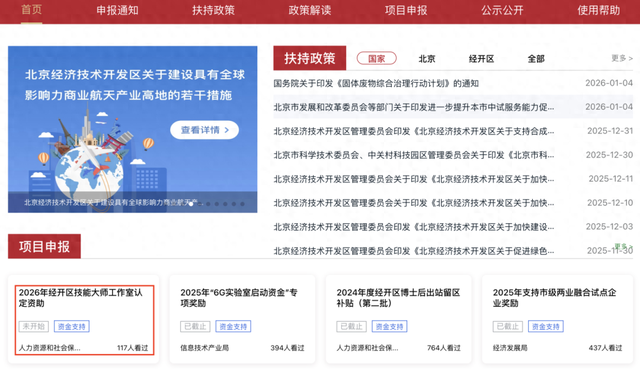
北京经开区技能大师工作室认定资助申报明日开启
Xin Lang Cai Jing· 2026-01-11 15:08
Core Viewpoint - The Beijing Economic-Technological Development Area (经开区) is launching a new policy to support the establishment of high-skill talent teams through the recognition and funding of skill master studios, starting from January 12, 2026 [1]. Group 1: Policy Details - The application period for the skill master studio recognition and funding project is from January 12 to February 11, 2026, with submissions made through the official website [1]. - Eligible units that are recognized as skill master studios for the first time will receive a one-time funding of 200,000 yuan, with additional rewards for those achieving national or municipal recognition [2][3]. Group 2: Progress and Impact - In 2025, the Economic-Technological Development Area recognized 5 new district-level skill master studios, distributing a total of 1 million yuan in one-time funding [3]. - By the end of 2025, there were a total of 15 district-level skill master studios recognized, covering key industries such as integrated circuits and equipment manufacturing [3]. - The annual assessment of 10 studios recognized in 2024 led to the identification of 2 outstanding units, which received an additional 200,000 yuan in rewards, enhancing innovation and creating a positive demonstration effect across the area [3]. Group 3: Future Plans - The Economic-Technological Development Area aims to continue focusing on enterprise development and talent needs, enhancing service response efficiency and building a more systematic and diversified high-skill talent training system [3].
全国最大!北京地铁公司工匠学院、朱辛庄实训基地正式揭牌
Xin Lang Cai Jing· 2026-01-06 08:06
Core Insights - The unveiling of the Zhu Xinzhuang training base marks a significant advancement in the systematic, large-scale, professional, standardized, and intelligent training of high-skilled talent in Beijing's subway system [5] Group 1: Training Base Overview - The Zhu Xinzhuang training base is the largest urban rail transit training facility in China, featuring comprehensive training capabilities across all scenarios [1] - The facility includes 5 training buildings, an indoor training line, and an emergency rescue base, with a daily training capacity of 990 participants [3] Group 2: Training Network and Management - Beijing Subway has established a "1+8+N" training network centered around the Zhu Xinzhuang base to support high-skilled talent development [3] - A tiered training system has been implemented, focusing on multi-professional collaborative training and specialized classes, with eight professional bases enhancing comprehensive training [3] Group 3: Curriculum and Faculty Development - The training base has developed 32 professional training standards and over 120 courses, including basic, fault handling, and emergency response courses [3] - A three-tiered faculty team has been established, consisting of full-time teachers, part-time trainers, and mentors, with 153 part-time trainers already trained [3]