
AI内存超级周期

Search documents
AI日报丨英伟达乐观展望缓解AI泡沫担忧,谷歌生图模型升级受追捧
美股研究社· 2025-11-21 07:36
Core Viewpoint - The rapid development of artificial intelligence (AI) technology is creating extensive opportunities across various sectors, with significant discussions around its potential to alleviate poverty and enhance productivity [5][6]. Group 1: AI and Robotics - Elon Musk and Jensen Huang discussed the transformative potential of AI and humanoid robots at the Saudi Investment Forum, suggesting that these technologies could effectively eliminate poverty [5]. - Musk emphasized that Tesla will not be the only company producing humanoid robots but aims to create the first truly useful models, indicating a revolutionary shift in the industry [5]. Group 2: AI Hardware and Market Trends - SK Hynix plans to increase its monthly production capacity of the sixth-generation 10nm DRAM from 20,000 wafers to between 160,000 and 190,000 wafers, representing an increase of 8 to 9 times, driven by the surge in demand for AI applications [8]. - The company is expected to invest over 30 trillion Korean won in facilities next year, reflecting strong confidence in the "AI memory supercycle" [8]. Group 3: Market Reactions and Stock Performance - European stock markets ended a five-day decline, buoyed by Nvidia's unexpectedly strong revenue outlook, which alleviated concerns about an AI bubble [9]. - Nvidia's optimistic sales forecast provided relief to investors amid worries about high valuations in tech stocks and uncertainty regarding Federal Reserve interest rate policies [9]. - Despite Nvidia's positive earnings report, the U.S. stock market experienced significant volatility, with the S&P 500 index showing a drastic reversal from a 1.9% gain to a 1.1% loss within the same trading day [13][14].



SK海力士,DRAM扩产800%
半导体行业观察· 2025-11-21 00:58
Core Viewpoint - SK Hynix is significantly increasing its production capacity for sixth-generation 10nm DRAM, betting on the AI inference application market, with plans to raise monthly production from approximately 20,000 wafers to between 160,000 and 190,000 wafers, representing an increase of 8 to 9 times, which will account for over one-third of its total DRAM capacity [1][2]. Group 1: Production Capacity Expansion - SK Hynix plans to enhance its advanced memory chip production capacity, focusing on the 1c DRAM technology node, with expectations to add 140,000 wafers per month at its Icheon plant, which is seen as a minimum increase [3]. - The company has achieved a yield rate of over 80% for 1c DRAM, which is primarily used for manufacturing the latest general DRAM products like DDR5, LPDDR, and GDDR7 [3]. Group 2: Market Demand Shift - The strategic shift of SK Hynix is driven by the transition of AI applications from training to inference, leading to a surge in demand for cost-effective general DRAM, which is expected to grow at a rate comparable to HBM [5]. - Major tech companies, including NVIDIA, Google, and OpenAI, are developing custom AI accelerators that integrate a significant amount of general DRAM, indicating a shift in market demand structure [5][6]. Group 3: Financial Outlook - Analysts predict that SK Hynix's facility investment will exceed 30 trillion KRW next year, a substantial increase from the estimated 25 trillion KRW this year, with operating profit expected to surpass 70 trillion KRW, setting a historical record [2][9]. - The company has successfully negotiated a price increase of over 50% for HBM4 to above $500 per chip, which is expected to bolster its profitability [8][9]. Group 4: Competitive Landscape - Samsung is also expanding its 1c DRAM production capacity, aiming to reach 200,000 wafers per month by the end of 2026, reflecting the competitive nature of the next-generation memory market [10][13]. - The ongoing expansion by both SK Hynix and Samsung highlights the strong confidence in the demand driven by AI applications, as the supply of DRAM is currently unable to meet the rapid growth in demand [11][13].
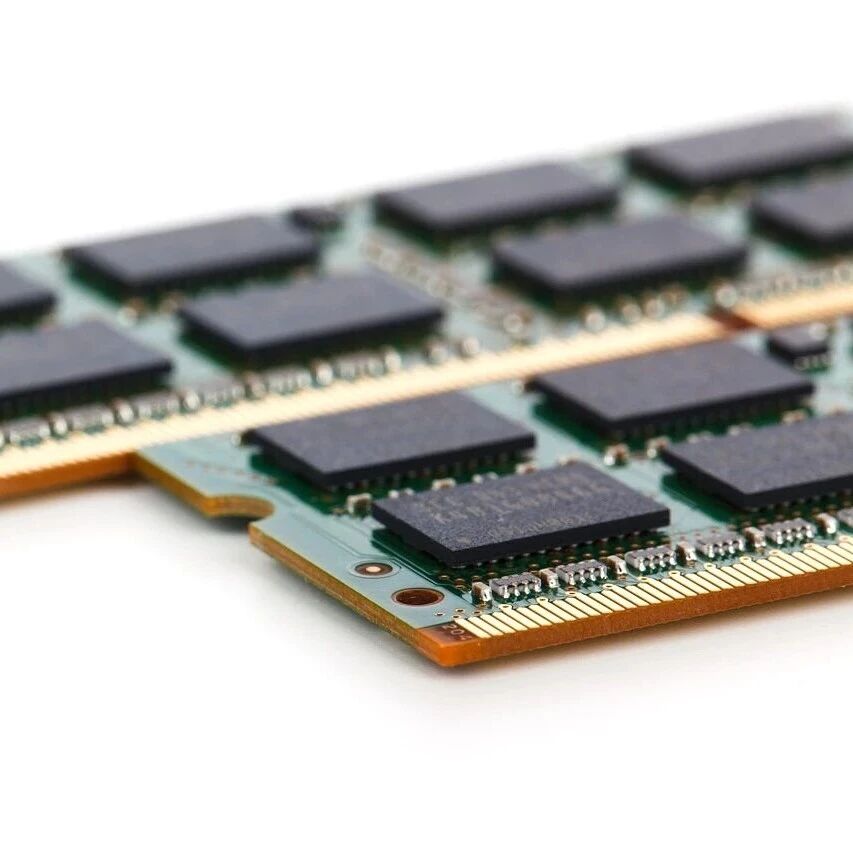
押注"AI内存超级周期",SK海力士明年10纳米DRAM产量将增至8倍
美股IPO· 2025-11-20 16:07
Core Viewpoint - SK Hynix is significantly expanding its advanced memory chip production capacity, betting on the market opportunities arising from the shift of AI applications from training to inference [1][3]. Group 1: Production Capacity Expansion - SK Hynix plans to increase its sixth-generation 10nm DRAM monthly production capacity from approximately 20,000 wafers to 160,000-190,000 wafers, representing an increase of 8-9 times, which will account for over one-third of its total DRAM capacity [1][3]. - The company aims to add 140,000 wafers of monthly capacity at its Icheon plant through process upgrades, with some industry insiders suggesting potential increases to 160,000-170,000 wafers [4]. - Over one-third of SK Hynix's monthly average of 500,000 DRAM wafers will be allocated to advanced 1c DRAM production [5]. Group 2: Market Demand and Strategic Shift - The strategic adjustment reflects a surge in demand for cost-effective general DRAM due to the shift in AI applications, moving from high-bandwidth memory (HBM) to more broadly applicable AI memory markets [3][7]. - Advanced general DRAM is becoming the mainstream choice in AI inference applications due to its energy efficiency and cost-effectiveness compared to HBM [8]. - Major tech companies like NVIDIA, Google, OpenAI, and Amazon Web Services are developing custom AI accelerators that integrate large amounts of general DRAM [8]. Group 3: Financial Outlook - Industry insiders expect SK Hynix's facility investment to exceed 30 trillion KRW next year, a significant increase from the projected 25 trillion KRW this year [3]. - The company's operating profit is anticipated to exceed 70 trillion KRW next year, setting a historical record, driven by both HBM and general DRAM market dynamics [3][18]. - The profit margin for HBM4 is estimated to be around 60%, with projected sales of HBM reaching approximately 40-42 trillion KRW next year [17].
押注\"AI内存超级周期\",SK海力士明年10纳米DRAM产量将增至8倍
Xuan Gu Bao· 2025-11-20 13:08
Core Insights - SK Hynix is significantly expanding its advanced memory chip production capacity, betting on the market opportunities arising from the shift in AI applications from training to inference [1][3] - The company plans to increase its monthly production capacity of sixth-generation 10nm DRAM (1c DRAM) from approximately 20,000 to between 160,000 and 190,000 wafers, representing an increase of 8 to 9 times [1][2] - The strategic shift reflects a surge in demand for cost-effective general DRAM due to AI inference applications, moving focus from high-bandwidth memory (HBM) to a broader AI memory market [1][3] Production Capacity Expansion - SK Hynix's capacity enhancement plan is centered on the advanced 1c DRAM technology node, with plans to add 140,000 wafers per month at its Icheon facility [2] - The company has achieved an 80% yield rate for 1c DRAM, which is primarily used for manufacturing the latest general DRAM products like DDR5, LPDDR, and GDDR7 [2] - Over one-third of SK Hynix's production capacity will be dedicated to advanced 1c DRAM production, indicating strong confidence in the ongoing demand driven by AI [2] Market Demand Shift - The core logic behind SK Hynix's strategic adjustment is the transformation in AI application focus, with general DRAM demand growth expected to match that of HBM as AI models expand into inference [3] - Advanced general DRAM is becoming the mainstream choice in AI inference applications due to its energy efficiency and cost-effectiveness compared to HBM [4] Pricing and Profitability - SK Hynix successfully negotiated a price increase of over 50% for HBM4 to above $500 per unit, which will be used in NVIDIA's next-generation AI chip [6][7] - The significant price increase for HBM4 is supported by technological advancements, including a doubling of data transmission channels compared to the previous generation [6] - The company is expected to achieve a profit margin of approximately 60% on HBM4, with projected sales of HBM reaching between 40 trillion and 42 trillion Korean Won next year [8] Future Performance Expectations - Market forecasts suggest that SK Hynix's operating profit could exceed 70 trillion Korean Won next year, setting a historical record, driven by high profitability from both HBM and general DRAM segments [8] - The company has already sold out its production capacity for next year, ensuring high profit margins amid rising DRAM prices due to global AI infrastructure investment [8]
押注"AI内存超级周期",SK海力士明年10纳米DRAM产量将增至8倍
Hua Er Jie Jian Wen· 2025-11-20 12:58
Core Insights - SK Hynix is significantly expanding its advanced memory chip production capacity, betting on market opportunities arising from the shift in AI applications from training to inference [1][3] Group 1: Production Capacity Expansion - SK Hynix plans to increase its monthly production capacity of sixth-generation 10nm DRAM (1c DRAM) from approximately 20,000 300mm wafers to between 160,000 and 190,000 wafers, representing an increase of 8 to 9 times, which will account for over one-third of its total DRAM capacity [1][2] - The company aims to enhance its production efficiency by focusing on 1c DRAM, which has a yield rate exceeding 80% and is primarily used for manufacturing the latest general-purpose DRAM products like DDR5, LPDDR, and GDDR7 [2] Group 2: Strategic Shift in AI Applications - The strategic adjustment reflects a shift in focus from high-bandwidth memory (HBM) to general-purpose DRAM, driven by the increasing demand for cost-effective memory solutions in AI inference applications [1][3] - Major tech companies, including NVIDIA, Google, OpenAI, and Amazon Web Services, are developing custom AI accelerators that integrate large amounts of general-purpose DRAM, indicating a trend towards more energy-efficient and economical memory solutions [4] Group 3: Pricing and Profitability - SK Hynix successfully negotiated a price increase of over 50% for HBM4 to above $500 per unit, which is supported by technological advancements that enhance data transmission capabilities [6][7] - The company is expected to achieve a significant increase in operating profit, with projections indicating that operating profit could exceed 70 trillion KRW, marking a historical high, driven by both HBM and general DRAM sales [8]