AI普惠化

Search documents
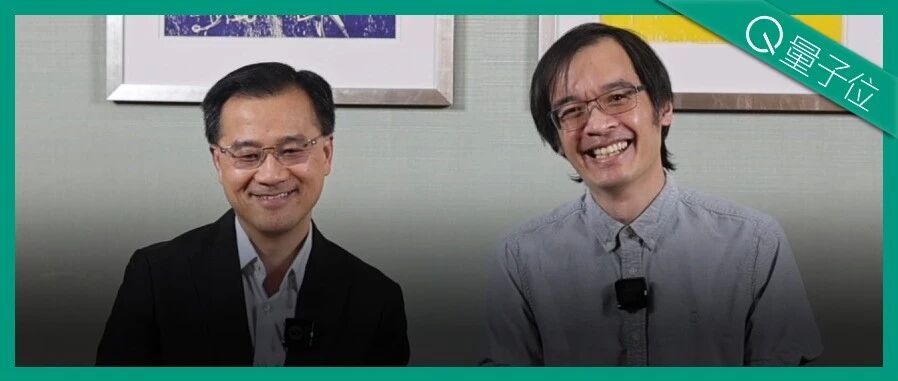
量子位专访陶哲轩:我为什么现在创办一个AI x Science组织
量子位· 2026-03-14 05:48
Core Viewpoint - The establishment of the SAIR Foundation aims to reshape the relationship between AI and fundamental science, connecting academia and industry to foster collaboration and support young scientists in advancing scientific research through AI [2][10]. Group 1: SAIR Foundation and Its Goals - The SAIR Foundation, co-founded by mathematician Terence Tao, seeks to promote the integration of AI in scientific research and aims to democratize access to scientific knowledge [2][4]. - The foundation's two main objectives are to develop AI using scientific methods and to leverage AI to transform fundamental scientific research [2][5]. - The foundation aims to create a bridge for young scientists, opening doors to opportunities in academia and industry [5][6]. Group 2: AI in Scientific Research - AI is expected to fundamentally change research methodologies, necessitating a clear understanding of how to effectively utilize AI in scientific contexts [10]. - The collaboration between academia and industry is crucial, as the traditional model is too slow for the fast-paced AI era [11]. - AI can enhance the research process by expressing confidence levels in its outputs, which would significantly improve its usability in scientific contexts [11][20]. Group 3: Challenges and Opportunities - Current AI models face challenges such as generating "hallucinations," which pose serious issues for scientific reliability [15][16]. - The need for AI systems designed specifically for research is emphasized, as existing commercial models may not provide the necessary reliability and traceability [16][19]. - The foundation aims to develop AI tools that are tailored for specific scientific workflows, rather than relying solely on large, general-purpose models [21][22]. Group 4: Collaboration and Data Quality - The SAIR Foundation emphasizes the importance of high-quality data in scientific research, as AI's effectiveness is heavily dependent on the quality of the data it processes [33][34]. - Collaborative efforts across disciplines and regions are essential for advancing AI in science, as demonstrated by the foundation's initiatives [40][41]. - The foundation aims to support cross-disciplinary projects that attract young researchers and foster collaboration among diverse scientific communities [78][79]. Group 5: Future of Research and Education - The future of research is expected to involve larger, more diverse teams, necessitating strong communication and collaboration skills among researchers [63][64]. - The foundation aims to inspire a new generation of researchers by providing mentorship and opportunities for collaboration with established scientists [75][77]. - The integration of AI in research is anticipated to lower barriers to entry, allowing individuals from various backgrounds to contribute meaningfully to scientific endeavors [69][73].

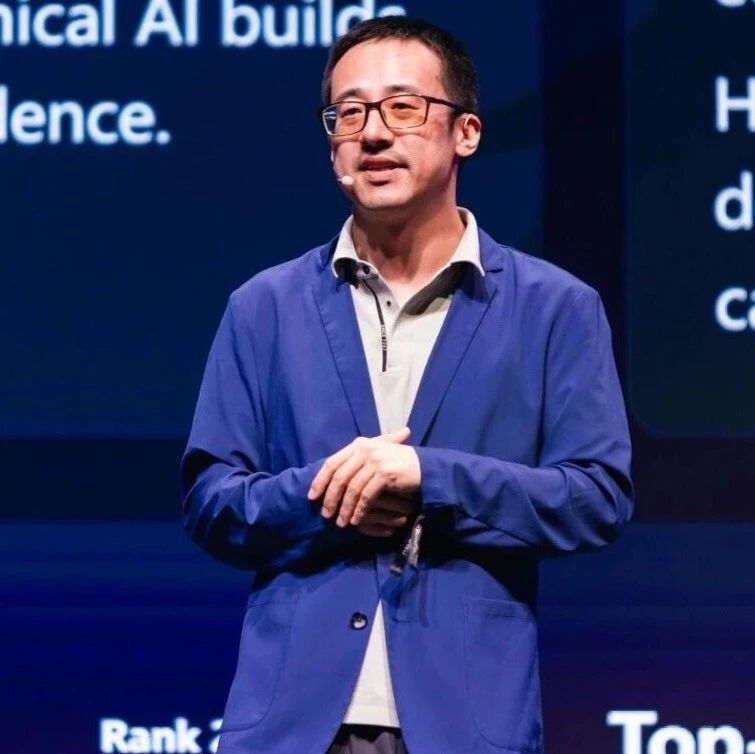
中美CIO对话:负责任AI的价值重构与跨境破局之道在哪?
Xin Lang Cai Jing· 2026-01-12 12:28
Core Insights - Responsible AI is transitioning from a practice of a few companies to an industry standard, with deeper collaboration emerging in the US-China AI ecosystem driven by the strategic foresight and practical actions of CIOs [1][9]. Group 1: CIO Role Evolution - The role of Chief Information Officers (CIOs) has evolved from traditional technology managers to core drivers of enterprise strategy, guardians of risk control, and bridges for cross-border technology cooperation [3]. - CIOs are now expected to balance innovation with risk management, requiring a shift in mindset to become strategic business enablers rather than just technical supporters [8][9]. Group 2: Responsible AI Adoption - Only 28% of US respondents view "responsible AI" as a core business priority, and only 33% have implemented clear applications across their organizations, indicating a significant gap in AI governance maturity [3][4]. - The rapid pace of AI technology evolution has outstripped the development of governance frameworks, leading to a low maturity level in responsible AI practices [4][10]. Group 3: Data Governance Importance - Data is recognized as the fuel for AI, with high-quality data being essential for generating valuable AI outcomes. Effective data governance is crucial for the successful implementation of responsible AI [7]. - Companies with established data governance frameworks see a 2.8 times higher success rate in AI projects compared to those without such frameworks [7]. Group 4: Global AI Regulation Perspectives - There are significant regional differences in AI regulation, with the US and China adopting a more relaxed approach compared to Europe and the Middle East, which favor stricter regulations [5]. - The EU's AI Act introduces stringent compliance requirements for high-risk AI systems, which can inhibit innovation, particularly for small and medium-sized enterprises [5]. Group 5: Multi-AI Model Strategy - A multi-AI model strategy is essential for global enterprises to navigate varying regulatory requirements and business needs across different regions [9]. - Companies must adapt their AI model choices based on local compliance and operational demands, ensuring flexibility in their AI deployments [9]. Group 6: Future of AI in Business - The future of AI is seen as a dual opportunity and challenge for CIOs, who must navigate technological advancements, regulatory differences, and data governance to drive responsible AI development [9]. - As AI technology continues to evolve, responsible AI practices are expected to become standard across industries, fostering deeper collaboration in the US-China AI ecosystem [9].

Gemini 3 Flash发布:谷歌以“速度优先”重新定义AI效率之战
Tai Mei Ti A P P· 2025-12-18 08:26
Core Viewpoint - Google has launched Gemini 3 Flash, a new AI model that emphasizes speed and efficiency, aiming to overcome the traditional trade-off between performance, cost, and speed in AI development [1][2]. Group 1: Performance and Efficiency - Gemini 3 Flash achieves a significant breakthrough by simultaneously optimizing low cost and high intelligence, scoring 90.4% on the GPQA Diamond test without external tools, outperforming its predecessor Gemini 2.5 Pro [1][2]. - The model's speed has improved by three times compared to Gemini 2.5 Pro, with input token costs at $0.50 per million tokens [2]. Group 2: Real-time Interaction and Developer Experience - Designed for high-frequency interactions and real-time responses, Gemini 3 Flash is not a simplified version of Gemini 3 Pro but a specialized model that excels in automated task execution and complex problem-solving [2][3]. - The integration with Google Antigravity platform enhances the development process, allowing for rapid feedback in applications such as real-time video analysis and UI design [3]. Group 3: Market Impact and User Accessibility - Gemini 3 Flash aims to democratize advanced AI by being integrated into global Gemini applications, making cutting-edge reasoning capabilities accessible to billions of users at minimal cost [5][6]. - Users can now interact with the model through natural language, enabling them to create functional application prototypes without programming knowledge [8][9]. Group 4: Competitive Landscape - The launch of Gemini 3 Flash marks a shift in the AI competition from a focus on pure performance to a balanced approach of optimizing performance, cost, and speed [9][10]. - Google positions itself to maintain an advantage in high-frequency, real-time, and large-scale deployment scenarios, addressing the core needs of users for a responsive and affordable AI [10].

从“想得到”到“做得到”——纳米AI让创意零门槛落地
Huan Qiu Wang Zi Xun· 2025-12-17 05:03
Core Insights - The core idea of the article is that the domestic AI tool "Nano AI" is revolutionizing creative expression by allowing users to generate high-quality images, short videos, and even cinematic content with simple natural language commands, thus breaking down barriers to professional creation and promoting AI accessibility to the general public [1][3]. Group 1: Product Features and User Experience - "Nano AI" enables users to create content by simply inputting natural language instructions, such as "cyberpunk café, rainy night neon, cat sitting by the window," resulting in high-definition images generated within one minute [3][4]. - The tool's operation is designed to be extremely user-friendly, allowing anyone to produce high-quality content without the need for professional software or teams, thus transforming the traditional creative process [3][4]. Group 2: Market Impact and User Demographics - Since its launch in April 2025, "Nano AI" has served over 120 million users, including students, small business owners, and content creators, showcasing its widespread adoption and the democratization of creative tools [1][4]. - The application has proven beneficial in various scenarios, such as designers creating posters, parents generating videos of their children, and small business owners producing promotional materials, significantly enhancing their operational efficiency [4][5]. Group 3: Business Model and Accessibility - "Nano AI" employs a business model that combines free basic features with lightweight paid options, allowing users to access essential functions without high membership fees, thus lowering the barrier to entry for users [8]. - As of November 2025, "Nano AI" has achieved an average of over 500,000 content generations per day, indicating its potential for widespread use across more than 300 cities in China [8]. Group 4: Strategic Insights and Future Plans - The success of "Nano AI" is attributed to its understanding of local user needs and cultural nuances, effectively integrating elements like "national trend" and "cultural aesthetics" into its technology [5][6]. - The company plans to further expand by opening API interfaces to integrate with industries such as e-commerce, education, and tourism, exploring new paradigms of "AI + industry" [8][9].

产品上线 4 个月,估值超 1 亿美元,Agnes AI 即将完成新一轮融资
Founder Park· 2025-11-04 14:52
Core Insights - Agnes AI, a product from SAPIENS, is nearing completion of a multi-million dollar funding round, with its valuation surpassing $100 million, aimed at enhancing regional language model training and accelerating global commercialization [2] - The company has seen significant user growth, with over 3 million registered users and nearly 200,000 daily active users since its launch on July 4, 2023 [6][8] - Agnes aims to democratize AI access, allowing users to utilize advanced AI capabilities without barriers, thus fostering a large user base that drives commercial growth and technological iteration [8][11] Funding and Valuation - Agnes is in the closing phase of a funding round, having received multiple term sheets from well-known institutions, with some investors completing due diligence [2] - The company is preparing for its next funding round, with expectations of reaching a market valuation of $300 million to $500 million [2] Product and User Engagement - The Agnes platform integrates search, research, design, presentation, and data analysis, enabling users to complete tasks seamlessly within a single interface [4] - Since its launch, Agnes has ranked in the top ten of Google Play's efficiency charts in several countries, including Vietnam, the Philippines, and Argentina [6] Team and Technology - The core team comprises talents from prestigious institutions such as the National University of Singapore and MIT, focusing on providing zero-barrier access to AI products [11] - Agnes has developed its proprietary model, Agnes R1, which is designed for orchestration, research, and presentation generation, achieving state-of-the-art performance in its category [16] Market Position and Future Outlook - Agnes is positioned as one of the fastest-growing AI consumer applications in Southeast Asia, with expectations to quickly become a unicorn representing Singapore in the global AI landscape [16]
GPU成本高企、显存墙难破,国产存储如何推动AI普惠化进程?
WitsView睿智显示· 2025-10-16 05:45
Core Viewpoint - The explosive growth of the AI application market is driving a significant demand for high-performance storage, while high GPU procurement costs and the "memory wall" challenge hinder innovation for many companies [2][8]. Group 1: Storage as a Core Driver - In the AI wave, the value of storage has been completely transformed from a mere "warehouse" in IT systems to a key strategic element for enhancing AI system efficiency and reducing Total Cost of Ownership (TCO) [3][4]. - Storage module manufacturers play a crucial role in bridging the gap between different stages of AI data flow, necessitating deep optimization of controllers and flash memory chips to meet future application trends [4][5]. Group 2: Product Differentiation and Performance - AI workflows are driving further differentiation in storage products, with a clear need for tailored eSSD product matrices to meet diverse enterprise requirements [4][5]. - The PCIe 5.0 QLC eSSD series offers a capacity of up to 122.88TB and a sequential read speed of 14,000MB/s, significantly improving TCO and space efficiency compared to traditional hard drives [4][5][7]. Group 3: Overcoming the Memory Wall - The growth rate of AI model parameters has outpaced the linear expansion of top-tier GPU memory, creating a structural gap that traditional strategies cannot bridge [9][10]. - The "Wing AI Super Memory Fusion Solution" aims to address this challenge by expanding GPU memory capacity by 20 times through a high-speed, high-lifespan external cache [10][12]. Group 4: Cost Reduction and Efficiency Gains - The new system architecture allows for a dramatic reduction in training costs, with a 95% decrease in deployment costs for large models, while improving model inference concurrency by up to 50% [12][15]. - The integration of larger model parameters into Flash storage is seen as essential for promoting AI accessibility and cost-effectiveness [12][15]. Group 5: Future Directions and Goals - The company plans to upgrade its eSSD product matrix and integrate storage-computing technologies, with a roadmap to introduce PCIe 6.0 products in the second half of next year [14]. - By 2026, the goal is to deploy 200 billion parameter models on a single PC for under 10,000 yuan, and by 2027, to move trillion-level parameters to personal PCs, promoting widespread AI adoption [14][15].

聊一聊老黄送给马斯克的DGX Spark
傅里叶的猫· 2025-10-14 15:51
Core Insights - NVIDIA DGX Spark is a revolutionary AI desktop supercomputer, designed for AI developers and researchers, enabling efficient local execution of large AI models without relying on cloud resources [3][8] - The product is set to launch on October 15, 2023, with a starting price of $3,999 (approximately 35,000 RMB) [3][8] - DGX Spark aims to democratize AI by making powerful computing resources accessible on personal desktops, moving away from expensive cloud clusters [8][20] Specifications and Performance - DGX Spark features the NVIDIA GB10 Grace Blackwell Superchip, integrating a 20-core ARM Grace CPU and Blackwell GPU, providing up to 1 petaFLOP (1,000 TFLOPS) AI inference performance [7][22] - It includes 128GB unified LPDDR5X memory, supporting high-performance AI model execution, and a 4TB NVMe SSD for handling large datasets [7][22] - The device allows for dual-unit clustering, achieving a total memory of 256GB and the capability to process models with up to 405 billion parameters [6][22] Software and Applications - DGX Spark runs on a customized DGX OS based on Ubuntu Linux, pre-installed with NVIDIA's AI software stack, including popular frameworks like PyTorch and TensorFlow [8][21] - It is particularly suited for sensitive data handling, minimizing risks associated with cloud data transfer, and supports seamless migration from desktop to DGX clusters [8][21] Benchmark Results - In benchmark tests, DGX Spark demonstrated excellent performance in AI inference and development tasks, particularly for desktop-level execution of large language models [9][10] - The device showed high prefill scores but lower decode rates, indicating its suitability for development rather than high-throughput production [10][20] - Compared to full-sized RTX series GPUs, DGX Spark's performance is adequate but not top-tier, with original performance limited by its compact design [9][18] Market Positioning - The product targets AI prototyping, local testing of sensitive data, and is positioned as a desktop supercomputer, making it accessible for enterprise developers, researchers, and students [21][28] - The introduction of a domestic version of DGX Spark by H3C highlights the growing interest and competition in the AI computing market [21][30]


东北证券:银行或为下游最先崛起的AI应用场景
智通财经网· 2025-05-14 03:58
Core Insights - The report from Northeast Securities highlights that banks are expected to become pioneers in AI implementation in China due to ample IT budget, market-oriented systems, and high integration of internal data [1][3] - DeepSeek-R1's inference cost is only 1/30 of comparable products, marking a new phase of "AI popularization" in the industry [1] - The year 2025 is anticipated to be the starting point for AI Agents, with significant competition among major companies in this area [2] Group 1: AI Technology and Applications - DeepSeek has launched several well-known open-source models since its establishment in July 2023, with the DeepSeek-R1 model achieving performance comparable to OpenAI's o1 series at a significantly lower cost [1] - Major banks have actively integrated AI technology into various applications such as investment research, customer service, credit approval, and more, enhancing the intelligence of financial services [3] - IDC predicts that the banking sector will account for over 20% of global AI solution spending from 2024 to 2028 [3] Group 2: Specific Companies and Their AI Initiatives - Yuxin Technology has fully integrated DeepSeek models into its product system, focusing on applications in credit, data, and marketing channels [4] - Jingbeifang has launched an AI large model service platform and several intelligent assistants, achieving breakthroughs in smart fraud prevention and investment advisory across multiple industries [4] - Gaoweida has deeply integrated DeepSeek with its credit business, enhancing credit efficiency and financial report analysis through AI applications [4] - Tianyang Technology has released intelligent testing analysis systems and compliance models, providing banks with intelligent data analysis solutions [4] - Shenzhou Information has upgraded its financial knowledge Q&A and coding assistants, improving development efficiency by 20% and automating 30% of code generation [5]