
动漫周边

Search documents
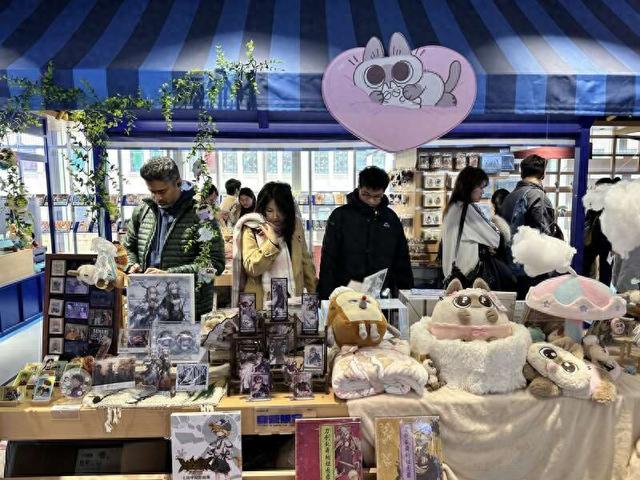
把“谷子”接回家 年轻人下单“情绪年货”
Xin Lang Cai Jing· 2026-02-22 15:52
Core Insights - The article highlights the growing trend of "Goods" (谷子), which are anime and gaming merchandise, becoming popular among young consumers as emotional and social connectors during the festive season [1][11]. Group 1: Market Trends - The "Goods" market is evolving, with products like cards, badges, and figurines becoming new year gifts that resonate with young people's emotional needs [1][3]. - Retail environments, such as the 百联ZX创趣场, are transforming into immersive experiences that blend traditional cultural elements with modern anime aesthetics, attracting families and fostering community engagement [3][6]. - The competition in the "Goods" market is intensifying, with many stores offering similar products, leading to a need for unique customer experiences and cultural understanding to survive [13]. Group 2: Consumer Behavior - Young consumers are increasingly viewing "Goods" as a means of emotional expression and community belonging, with purchasing experiences tied to personal narratives and social interactions [8][11]. - The purchasing process for "Goods" is described as an emotional journey, from anticipation to satisfaction, highlighting the psychological value these items hold for consumers [9][10]. - There are concerns about the sustainability of this emotional economy, as some consumers face financial strain from their purchases, indicating a need for responsible consumption practices [11][13]. Group 3: Industry Insights - The "Goods" market has developed a complete industry chain, creating new job opportunities in design, production, and community management, reflecting a shift from mere retail to cultural experiences [10][11]. - Industry leaders emphasize the importance of product quality, design, and cultural significance over short-term trends to ensure long-term viability [13]. - The potential for "Goods" to serve as a bridge between generations and foster meaningful connections is highlighted as a key aspect of their value [13][14].

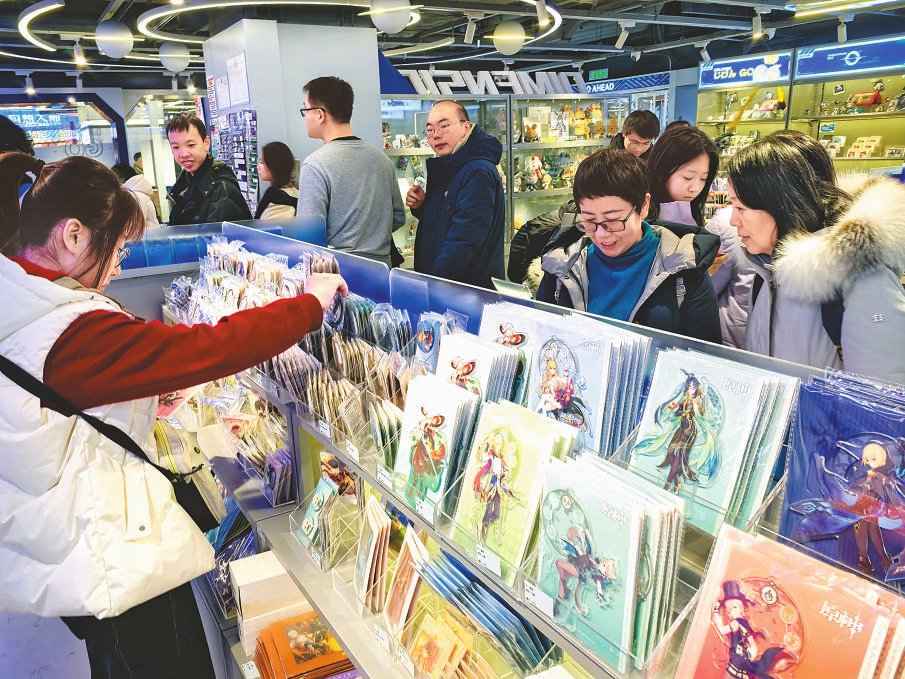
动漫周边衍生品热销
Xin Lang Cai Jing· 2026-01-11 22:25
Core Insights - The anime peripheral industry is experiencing rapid growth as a significant part of the cultural industry [2] Industry Overview - A recent visit to a large anime-themed physical store in Wangfujing, Beijing, revealed a wide array of merchandise including badges, figurines, and clothing that are highly favored by consumers [2] - The price range of products varies from tens to thousands of yuan, catering to diverse consumer needs across different spending levels [2]
焦虑声中年内新增1292家谷店,谷子经济到底凉没凉?
3 6 Ke· 2025-10-27 05:25
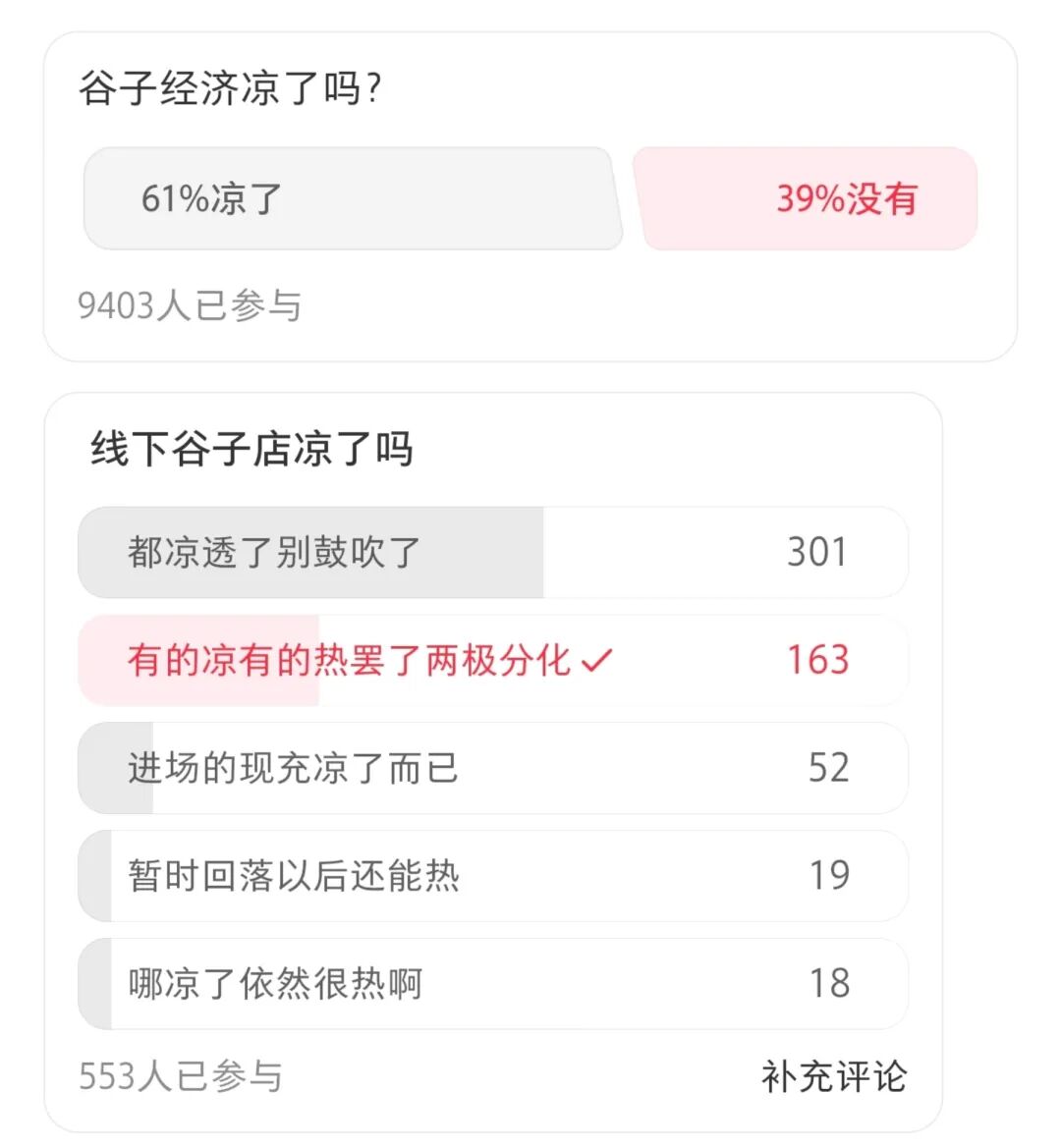
Core Insights - The offline "谷店" (Grocery Store) market is experiencing a significant downturn, with many stores closing and a general sense of despair among consumers and industry observers [1][3] - Despite the closures, the overall "谷子经济" (Grocery Economy) is not collapsing but rather transitioning from rapid expansion to a more refined and sustainable growth model [3][4] Industry Overview - In 2023, 1,292 new "谷店" opened, indicating ongoing expansion despite the closure of some stores [6] - The closures are part of a natural industry evolution, where many entrants lacking core competencies are exiting the market, leading to a consolidation phase [4][35] - Notably, while some brands like "潮玩星球" and "暴蒙" have seen significant store closures, others like "三丽鸥主题店" and "独角星COMIC" have expanded their presence [8][9] Market Dynamics - Consumer sentiment is low, with over 61% of respondents in a survey believing the "谷子经济" is failing [1] - The market is still showing signs of demand, as evidenced by a 50% year-on-year increase in sales during the National Day holiday at "静安大悦城" [10] - The industry is facing pressure from broader economic conditions, with retail sales growth slowing down [15] Future Outlook - The "谷子经济" is expected to benefit from upcoming popular IP releases, which could stimulate market activity [21][22] - Brands are increasingly focusing on creating differentiated products and enhancing consumer experiences to adapt to changing market conditions [30][35] - The industry is moving towards a phase where merely selling products is insufficient; brands must create engaging experiences to attract consumers [28][30]
卡游纽约动漫展圆满收官,借沉浸式体验拓展北美市场
Guan Cha Zhe Wang· 2025-10-16 03:03
Core Insights - Kayou made its debut at the New York Comic Con with the theme "For Super Fans," showcasing its international operational capabilities and deepening emotional connections with local fans, marking a significant step in its global strategy [1][2] Group 1: Event Highlights - The event attracted numerous IP fans, featuring international guests such as Maile Flanagan from "Naruto" and Tara Strong from "My Little Pony," who engaged in signing interactions with fans [1] - Simone Legno, the founder of tokidoki, celebrated the brand's 20th anniversary with fans by distributing custom-themed cakes and collectible cookies [1] - Andy Price, the chief comic artist of "My Little Pony," completed a large-scale hand-drawn Twilight Sparkle card within eight hours, impressing the audience with his skill [1] Group 2: Interactive Activities - Kayou enhanced audience engagement through various interactive activities, including face painting themed around "My Little Pony" and a Cosplayer gathering from "Naruto," which attracted many for photos and social media sharing [2] - The "Giant Card Staircase" challenge area became a popular spot for families and younger audiences, contributing to a multi-dimensional IP experience [2] Group 3: Product Launches - During the event, Kayou showcased several upcoming products for the North American market, including collectible card series from "My Little Pony," "Naruto," and tokidoki, set to launch in major retail channels like Target, GameStop, and Barnes & Noble later this month [2] - The company confirmed the full release of the "My Little Pony" trading card game in early 2026, aiming to enrich the North American trading card market and provide new strategic game options for female users and a broader player base [2] Group 4: Brand Strategy - The participation in the Comic Con serves as a concentrated display of Kayou's brand image overseas and reflects its "fan-centric" philosophy on a global scale [2] - Through high-quality products, immersive interactions, and ongoing community engagement, Kayou is gradually establishing its brand positioning in the North American market, laying the groundwork for future product launches and market expansion [2]
QuestMobile2025年谷子经济行业报告:浪浪山小妖怪登顶,女性成购买主力,谷子经济突破2400亿元大关
3 6 Ke· 2025-10-14 02:26
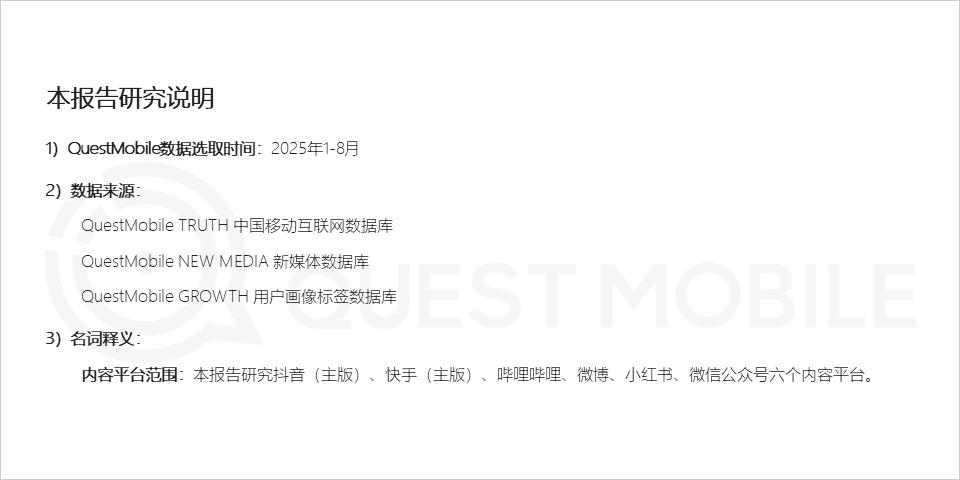
Group 1 - The core viewpoint of the article is that the "Guzi economy" is rapidly evolving, driven by a mature manufacturing chain, deepening digital infrastructure, and the emergence of young consumers, with the market expected to exceed 240 billion yuan by 2025 and 300 billion yuan by 2027 [1][11] - As of August 2025, the number of "pan-2D active users" reached 351 million, with "core 2D active users" at 92 million, indicating a significant engagement from younger demographics [1][13] - The interest user base for Guzi reached 30.17 million in August, with 12.36 million being active consumers, highlighting a strong market potential [1][13] Group 2 - The Guzi economy has transitioned from a subculture to a mainstream market, with women emerging as a significant consumer force [5][11] - The Guzi economy has established a closed-loop model, integrating upstream IP incubation, midstream product design, and downstream production and sales, which enhances IP popularity [2][8] - Young consumers are increasingly willing to pay for emotional tokens that allow them to touch, own, and display their interests, indicating a shift in consumption behavior [11][19] Group 3 - The rise of domestic IPs is driven by cultural confidence and industry maturity, with domestic IP content attention surpassing imported IPs by 26.7 percentage points as of August 2025 [27] - Successful domestic IPs like "Wang Wang Mountain Little Monster" and "Nezha 2" have amplified their popularity through deep development and immersive experiences [29][34] - The emotional resonance and character development of IPs are crucial for their appeal, with a large user base and active UGC creation driving the heat of gaming IPs [31][38] Group 4 - Guzi IP collaborations have become a standard marketing strategy for brands, providing benefits such as audience attraction and brand rejuvenation [45][48] - Brands are increasingly partnering with mature fan culture IPs to attract younger consumers, making IP collaboration a normalized marketing approach [50][51] - Successful IP collaborations create a self-reinforcing cycle of content exposure, emotional connection, consumption conversion, and asset appreciation [63]
“十一”假期“谷子经济”备受青睐 撬动年轻消费市场
Zhong Guo Xin Wen Wang· 2025-10-06 03:30
Core Insights - The "Guzi economy" has emerged as a new consumption hotspot, particularly among young consumers during the recent "National Day" holiday, with significant foot traffic in stores selling related merchandise [1][2] - The market for "Guzi" products, which include various IP-derived goods, is projected to reach a scale of 168.9 billion yuan in 2024 and exceed 300 billion yuan by 2029 [2] Group 1: Market Trends - The "Guzi economy" is primarily driven by consumers aged 15 to 25, including students and young professionals, who are increasingly engaging in emotional consumption experiences [1][2] - The rise of domestic animation and IPs, such as "Nezha," has led to a growing share of sales for related merchandise, revitalizing traditional commercial spaces [2] Group 2: Business Impact - The transformation of shopping malls into emotional experience hubs has been facilitated by the popularity of "Guzi" culture, with significant increases in foot traffic, such as a daily average of nearly 30,000 visitors during the holiday period at a major mall [2] - The emergence of over 50 "Guzi" stores in a single shopping center illustrates the rapid growth and establishment of this niche market [2] Group 3: Future Outlook - Experts suggest that the "Guzi economy" reflects a shift in consumer demand from material needs to emotional values, indicating a need for high-quality original IP development and a complete industry chain from creation to merchandise [3]
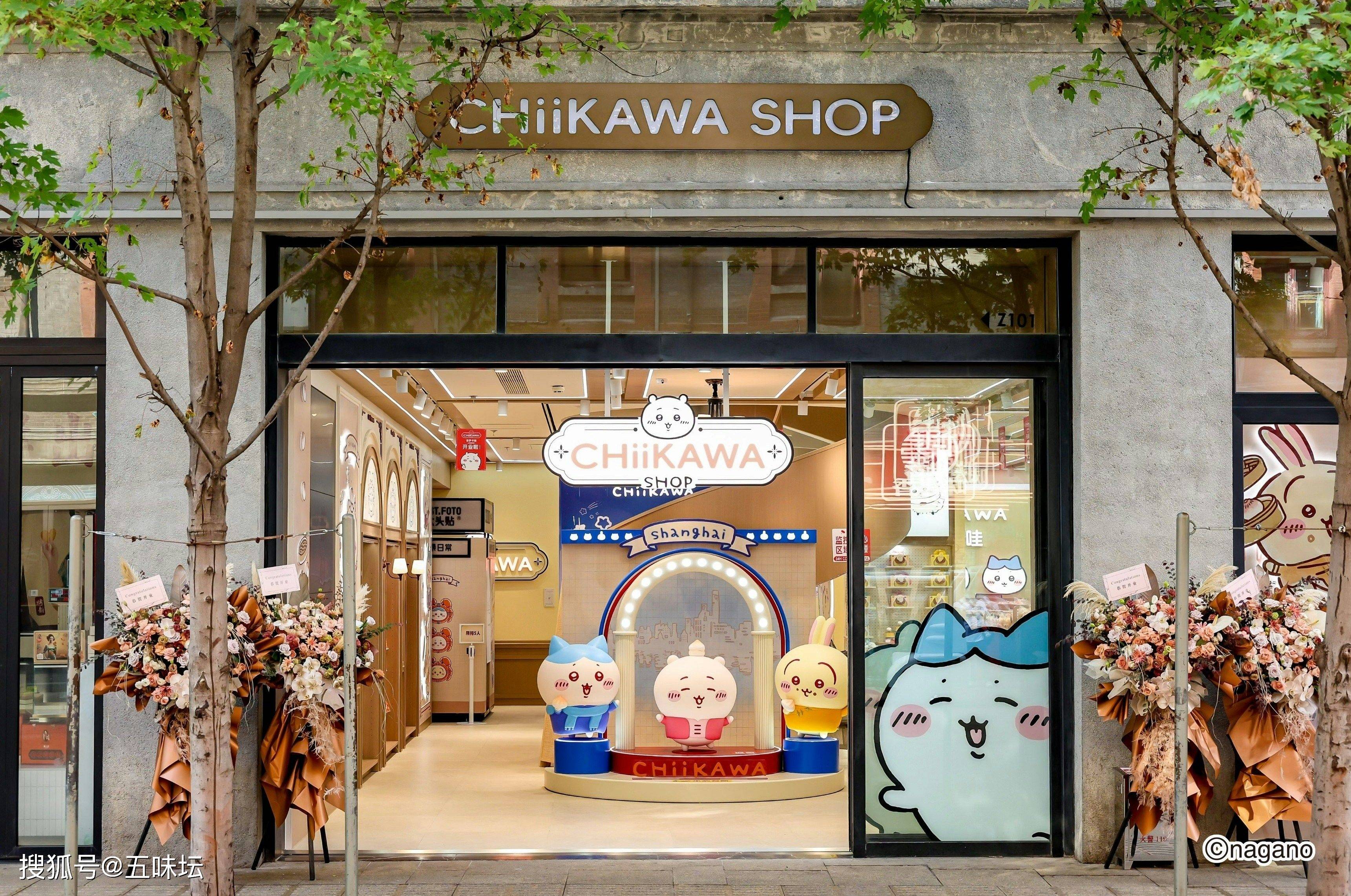
上海Chiikawa旗舰店开业,预约入场仍排长队,店外出现黄牛转卖
Sou Hu Cai Jing· 2025-09-29 02:19
Core Insights - The Chiikawa flagship store opened in Shanghai on September 27, 2023, attracting a large number of fans and offering exclusive merchandise [1][4] - The store implemented a reservation system for entry, with all time slots fully booked, indicating high demand for the products [4][10] - Some customers expressed frustration over the limited availability of certain items, despite the store's efforts to restock [8][10] Group 1 - Chiikawa, a popular manga character, gained significant popularity since its online debut in 2020, leading to the opening of its first official store in Shanghai [1] - The store features exclusive items such as retro plush keychains and Chinese-themed merchandise, which have become highly sought after [1][4] - Fans traveled from various cities, including Nanjing and Hangzhou, to visit the store, highlighting the character's widespread appeal [4][6] Group 2 - The store's opening day saw long queues, with many fans attempting to purchase items through scalpers, indicating a robust secondary market for the merchandise [4][6] - Some customers reported spending over 1000 yuan on exclusive items, which were priced higher than expected, reflecting the strong demand [6] - Despite the store's efforts to replenish stock, certain items sold out quickly, leading to customer dissatisfaction regarding product availability [8][10]
“谷子经济”破局传统消费
Zheng Quan Ri Bao· 2025-08-19 16:39
Core Viewpoint - The "Guzi Economy," represented by the popularity of the animated film "Wang Wang Mountain Little Monsters," is reshaping the consumer market by driving demand for related merchandise and creating a vibrant market for collectibles and emotional consumption experiences [1][3][7]. Group 1: Market Dynamics - The "Guzi Economy" is projected to reach a market size of 168.9 billion yuan in 2024, with a year-on-year growth of 41%, and is expected to surpass 200 billion yuan in 2025 [3][7]. - The primary consumer demographic for the "Guzi Economy" is Generation Z, particularly those born after 2005, who are driving the rapid growth of this market [2][3]. Group 2: Impact on Traditional Retail - The influx of the "Guzi Economy" is revitalizing traditional shopping malls, which are facing challenges from e-commerce and homogenization of retail experiences [4][5]. - By integrating "Guzi Economy" elements, traditional malls are enhancing customer engagement and increasing foot traffic, particularly among younger consumers [5][6]. Group 3: IP Development and Challenges - Despite the promising outlook, the "Guzi Economy" faces challenges such as insufficient IP development and a lack of leading works, which limits the market's potential [7][9]. - The industry is still in its early stages, with a need for improved collaboration across the IP development, licensing, and sales processes [9]. Group 4: Future Prospects - Companies are actively pursuing comprehensive IP strategies to create a complete industrial chain, from IP resource development to the production and sale of related merchandise [8][9]. - The rise of the "Guzi Economy" is expected to contribute significantly to China's cultural industry, both domestically and internationally, as policies encourage the growth of this sector [9][10].
二次元吃谷热:闲鱼拼团、盲抽直播间如何收割钱包?
Hu Xiu· 2025-08-17 03:05
Core Insights - The secondary market for anime-related merchandise is experiencing extreme volatility, with items originally priced at a few dozen yuan being resold for as much as 30,000 yuan, indicating a speculative bubble in the market [1] - The market for figurines is described as resembling a roller coaster, with prices often halving upon resale, highlighting the risks associated with investing in this sector [1] Industry Summary - The anime merchandise market is characterized by significant price fluctuations, leading to concerns about whether investors are recovering their investments or getting trapped in losses [1]
一年卖出25万只“痛包”,二次元热爱照进现实消费
Qi Lu Wan Bao Wang· 2025-08-11 05:44
Core Insights - The rise of "pain culture" in China has led to a booming market for related merchandise, particularly among young female consumers, with platforms like Xianyu reporting significant sales figures [1][2] - The market for "pain economy" is expanding rapidly, with projections indicating that it will exceed 200 billion RMB by 2025, driven by events like BilibiliWorld2025 and increasing consumer engagement [3] - The distinction between official and unofficial merchandise is crucial, as consumers show a strong preference for authentic products, leading to significant price differences [4][5] Group 1: Market Dynamics - Xianyu's report indicates that 250,000 pain bags were sold in a year, with over 90% of buyers being female and more than 70% being post-95s [1] - The price range for pain bags is between 30 RMB and 200 RMB, making them accessible to students, which contributes to their popularity [2] - The "pain economy" has created a complex supply chain, with rising sales of related products like anime badges and custom stickers [5] Group 2: Consumer Behavior - Young consumers view pain bags as more than just decorative items; they serve as emotional tokens that enhance their daily lives [6] - Social media plays a significant role in the culture, with users showcasing their pain bags as a form of social currency [2] - The emotional connection to the merchandise drives consumers to purchase more, often leading to a collection of items that may not be used practically [5][6] Group 3: Industry Challenges - The prevalence of counterfeit products poses a risk to the market, as consumers are often misled into purchasing lower-quality items [4][5] - There is a growing concern about the practicality of merchandise, as many items are seen as decorative rather than functional [5] - The industry faces challenges in maintaining a balance between consumer enthusiasm and the potential for market saturation or exploitation [6]